What Is Anastasia About?
The premise of Anastasia in 299 words, with nothing given away. The full story follows below.
In the twilight of the 1920s, the once‑glittering world of the Russian aristocracy has been scattered across Parisian cafés and smoky nightclubs. Exiles clutch at memories of an empire lost to revolution, living in a city where elegance masks desperation. The film bathes the viewer in a muted palette of rain‑slick streets, opulent drawing rooms, and the lingering strains of a distant homeland, creating a mood that feels both nostalgic and precariously hopeful.
At the heart of this fragile community is Anna Koreff, a gaunt young woman whose striking resemblance to the legendary Grand Duchess Anastasia draws the attention of a determined schemer. General Sergei Pavlovich Bounine, a former White Russian officer turned nightclub proprietor, sees in her a chance to restore both honor and wealth to his circle. Their relationship begins as a pragmatic mentorship, with Bounine coaching Anna in the manners and memories required to become the missing heir, while a subtle, unexpected affection begins to blur the boundaries of their arrangement.
Together they embark on a daring plan to convince the world—particularly the aging Dowager Empress—that the lost princess has returned, a ruse that promises a staggering fortune and a chance to rewrite their fates. The looming journey to Copenhagen, where the Empress resides, is suffused with tension: every rehearsal, every whispered anecdote, carries the weight of history and the peril of deception. The narrative hovers between the intoxicating allure of a second chance and the unsettling question of whether identity can be truly fabricated.
Visually, the film moves with deliberate grace, its cinematography lingering on mirrored corridors and grand ballrooms, reflecting the characters’ internal duplicities. Themes of belief, memory, and the yearning for belonging intertwine, leaving the audience to wonder how far the characters will go to be seen—and believed—without ever revealing the ultimate resolution.
What Happens in Anastasia?
The complete story of Anastasia, from the first scene to the last, in 766 words (about 3 minutes). Spoilers throughout. Names in the text link to 7 cast member pages.
Spoilers ahead
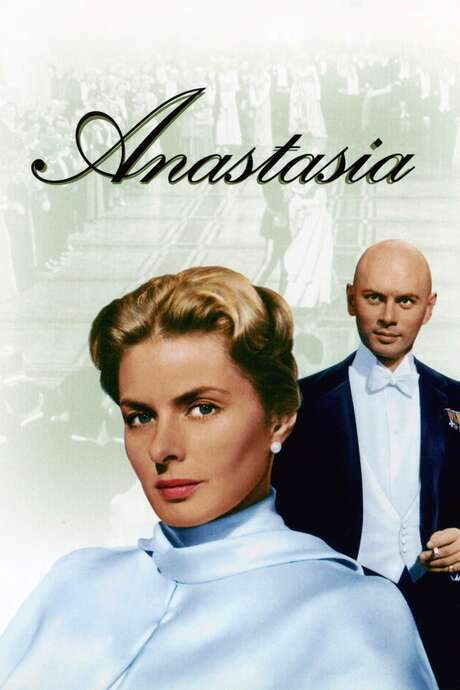
In 1928 Paris, Anna Koreff Ingrid Bergman, a frail woman who bears a striking resemblance to the legendary Anastasia, becomes the focal point of a carefully staged transformation. The plan is hatched by General Sergei Pavlovich Bounine, a former White Russian officer who now runs a successful Russian-themed nightclub. Though Anna initially resists, she is drawn into a web of identity, memory, and desire as Bounine schemes to present her as the long-lost grand duchess to secure a colossal fortune.
Bounine’s pitch is as much personal as it is financial. He has already funneled funds from stockholders who are eager to claim a £10 million fortune belonging to Czar Nicholas that sits with a British bank, and he insists he has found Anastasia—though privately he concedes the enterprise is a fraud. The stockholders’ eight-day deadline looms, threatening to collapse the whole scheme if he fails to produce the duchess.
To make the ruse convincing, Anna is coached to pass as Anastasia. As the work progresses, a strange bond grows between them, and the lines between performer and performed blur. Across a string of encounters with former courtiers and those who once knew the imperial family, Anna begins to move with a new confidence, her manner shifting from uncertain to dazzlingly poised. Some friends and rivals alike accept the transformation; others refuse to believe it, demanding the credibility of someone who could only be Anastasia.
With time running short, Bounine takes Anna on a nerve-wracking journey to Copenhagen to win over the highly skeptical Dowager Empress Maria Feodorovna, Anna’s supposed grandmother. The Dowager Empress, Helen Hayes, receives the pair with guarded reserve. Initially unmoved, she watches Anna closely, and a pivotal moment comes at a Tchaikovsky ballet, where Anna’s resemblance and demeanor begin to tilt her judgment. The Empress eventually makes an intimate, decisive appraisal, and then, in a private moment, she sees not a mere actress but the echo of her granddaughter. “You have come back, Anastasia!… but, oh please, if it should not be you, don’t ever tell me,” she whispers, though the truth of the matter remains unresolved.
A public confrontation follows. At a high-profile press conference presenting Anna as Anastasia, Mikhail Vlados, a former acquaintance who first met Anna in Bucharest, steps forward to challenge the ruse. Karl Stepanek as Vlados accuses Anna of continuing to use the name Anna Koreff, a claim she acknowledges with a tremor of uncertainty. She recalls being in a train explosion and the possibility of being wounded more than once, suggesting a life tangled in a series of revolutions and memories.
Bounine’s suspicions grow as Anna’s personal ambitions shift. Where she once only yearned to know who she was, she now contemplates marriage to Prince Paul and the accompanying wealth and status. He rebukes her for aiming at both the nobility and the fortune, hinting that her motive has evolved—perhaps beyond their original agreement.
The Danish capital hosts a grand ball where Anna’s engagement to Ivan Desny is to be announced. The Dowager Empress confides in Bounine in private, testing his emotions and the depth of his commitment. Anna and Bounine’s dynamic reaches a fever pitch as the Empress orchestrates a staged encounter in the Green Room, nudging them toward a moment of truth.
When the moment arrives to announce Anastasia, an attendant reveals that Anastasia is nowhere to be found. The Empress checks the Green Room, searches the shadows, and then makes a bold, final pronouncement to the court: “Wasn’t she?… I will say the play is over, go home” — a line that seals the ambiguity at the heart of the film.
Across these twists, the film leaves unsettled the essential question: is Anastasia real, or is she a perfect reflection conjured by memory, longing, and manipulation? The ending refuses a firm answer, inviting lingering doubt about identity, provenance, and the power of belief.
- As the cast deepens the mood and momentum, the crosscurrents of loyalty, love, and the lure of wealth ripple through every scene, from Paris salons to Copenhagen ballrooms. The tale moves with a patient, deliberate rhythm, letting the tension between memory and invention breathe as the characters wrestle with what it means to be seen, to be believed, and to belong.
- In the background, a chorus of figures—Chamberlain Felix Aylmer, Piotr Petrovin Sacha Pitoëff, Marusia Ina De La Haye, and others—shadow the main plot, offering cautionary perspectives on fame, fortune, and the price of a second chance. The film’s lush visuals and restrained drama sustain a tone of measured elegy, even as the question at its center remains unresolved.
Anastasia Timeline: Every Key Event in Order
12 key events in the order they happen, from “Anna Koreff discovered in Paris” to “The disappearance and the ambiguous ending”. 12 events name a place, across 2 locations.
- 1
Anna Koreff discovered in Paris
In 1928 Paris, Anna Koreff, an ailing woman with amnesia who resembles Anastasia, comes to the attention of General Bounine, the former White Russian now running a Russian-themed nightclub. He suspects she could be Anastasia and begins testing her. She flees his pursuit and attempts to throw herself into the River Seine, but bystanders intervene.
When:1928 Where:Paris
- 2
Bounine’s scheme and the eight-day deadline
Bounine privately reveals to his associates that he has eight days to produce Anastasia for eager stockholders who want a share of the czar’s fortune. He has already raised funds by claiming he has found Anastasia, though privately he admits the plan is a scam. The clock is ticking as pressure from investors increases.
When:eight days Where:Paris
- 3
Anna begins training to impersonate Anastasia
Bounine begins coaching Anna to pass as Anastasia, shaping her demeanor, appearance, and speech to resemble the grand duchess. As they work, a complicated attraction grows between them, entangling personal feelings with the deception. The stakes rise as Anna's performance must withstand scrutiny from those who knew Anastasia.
When:during coaching Where:Paris
- 4
Anna earns credibility through staged encounters
Anna meets a series of former familiars and imperial courtiers in carefully arranged encounters, gradually gaining confidence and style. Some interlocutors begin to accept her resemblance, but no one with real credibility endorses her claim. The deception intensifies as she convinces some while failing to convince others.
When:during encounters Where:Paris
- 5
Journey to Copenhagen to seek the Empress’s endorsement
With time running out, Bounine takes Anna to Copenhagen to present her case to Dowager Empress Maria Feodorovna, Anastasia’s grandmother, hoping for a decisive endorsement. The trip marks a shift from private staging to a high-stakes royal audience. The stakes lift from a scam to a matter of legitimacy.
When:pre-ball period Where:Copenhagen
- 6
Empress initially refuses to meet Anna
The Empress refuses to grant Anna an audience at first, dismissing the claim as melodrama and skepticism. Anna’s resemblance alone proves insufficient to persuade her without concrete proof. The refusal creates urgency for the next demonstrations of authenticity.
When:early stage in Copenhagen Where:Copenhagen
- 7
A ballet encounter shifts the Empress’s curiosity
After seeing Anna at a Tchaikovsky ballet, the Empress’s suspicion gives way to curiosity. Anna’s nickname Malenkaya (Little) and her obvious fear-induced cough begin to stroke a sense of real connection. The Empress’s reserve starts to crack as the possibility of Anastasia returns truly within reach.
When:after ballet performance Where:Copenhagen
- 8
Private validation seals a fragile belief
The Empress visits Anna unannounced and tests her further, eventually deciding that Anastasia might indeed have come back. She remains cautious, balancing reverence for family lore with the danger of a public scandal. The decision tightens the bond between Anna and Bounine through shared secret.
When:post-private validation Where:Copenhagen
- 9
Public challenge at a press conference
At a press conference announcing Anna as Anastasia, Mikhail Vlados, who encountered Anna in 1920, accuses her of being Anna Koreff and a fraud. Anna acknowledges using the Koreff name and recalls a train explosion memory, suggesting she may have been wounded in more than one incident. The public spectacle tests her claimed identity under cross-examination.
When:press conference moment Where:Copenhagen
- 10
Conflict over engagement and motive
Bounine condemns Anna’s desire to marry Prince Paul for money and nobility, noting his own money-driven motives. Anna, in turn, questions who she really is beyond wealth and status. The tension deepens as their personal ambitions threaten the illusion.
When:after press conference Where:Copenhagen
- 11
Grand ball and the Green Room plan
At a grand Copenhagen ball where Anna’s engagement to Paul would be announced, the Empress privately speaks with Bounine and sends him away, then directs Anna toward the Green Room. She then orchestrates an encounter between Anna and Bounine, staging the illusion anew in front of the court. The emotional stakes are high as real feelings collide with performance.
When:ball night Where:Copenhagen
- 12
The disappearance and the ambiguous ending
When the moment comes to reveal Anastasia, the girl goes missing from the ball and the Green Room. The Empress declares that Anastasia and Bounine have disappeared and tells the crowd to go home, leaving the question of Anastasia’s true identity open. The film closes on an unresolved note, leaving the audience to wonder if Anna is truly Anastasia.
When:ball night conclusion Where:Copenhagen
Who Are the Main Characters in Anastasia?
9 characters, among them Anna Koreff / Anastasia (Ingrid Bergman), General Sergei Pavlovich Bounine (Yul Brynner) and Dowager Empress Maria Feodorovna (Helen Hayes): who each one is and the part they play in the story. Every profile links to the actor’s page.
-

Anna Koreff / Anastasia (Ingrid Bergman)
Played by Ingrid Bergman
An ailing woman with amnesia who bears a striking resemblance to the Grand Duchess Anastasia. She is drawn into a dangerous impersonation scheme, gradually gaining poise while remaining vulnerable to the motives around her. Her choices oscillate between self-preservation and a yearning for a real identity.
- 🎭 Identity
- 🧠 Amnesia
- 💞 Romance
-
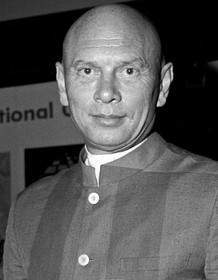
General Sergei Pavlovich Bounine (Yul Brynner)
Played by Yul Brynner
A former White Russian general who profits from the Anastasia legend. He coaches Anna, orchestrates meetings with former courtiers, and grapples with jealousy as his feelings for Anna intensify. His manipulation is tempered by a growing emotional stake in the outcome.
- 🎭 Manipulation
- 💼 Ambition
- 🗝️ Deception
-

Dowager Empress Maria Feodorovna (Helen Hayes)
Played by Helen Hayes
The cautious matriarch who tests Anna's claim with keen insight. She balances skepticism with a glimmer of recognition, ultimately steering the dramatic revelation and posing the central question of truth versus performance.
- 👑 Royalty
- 🔎 Judgment
- PP
Prince Paul von Haraldberg (Ivan Desny)
Played by Ivan Desny
A rival fortune hunter who pursues Anna for love and legacy. His presence heightens the tension between romance and the pursuit of nobility and wealth, fueling rivalry with Bounine.
- 💎 Aristocracy
- 🥂 Jealousy
- MV
Mikhail Vlados (Karl Stepanek)
Played by Karl Stepanek
A former associate who questions Anna's identity at a press event, representing doubt and the clash between memory and truth in a world built on legends.
- 🧭 Memory
- 🗨️ Skepticism
-
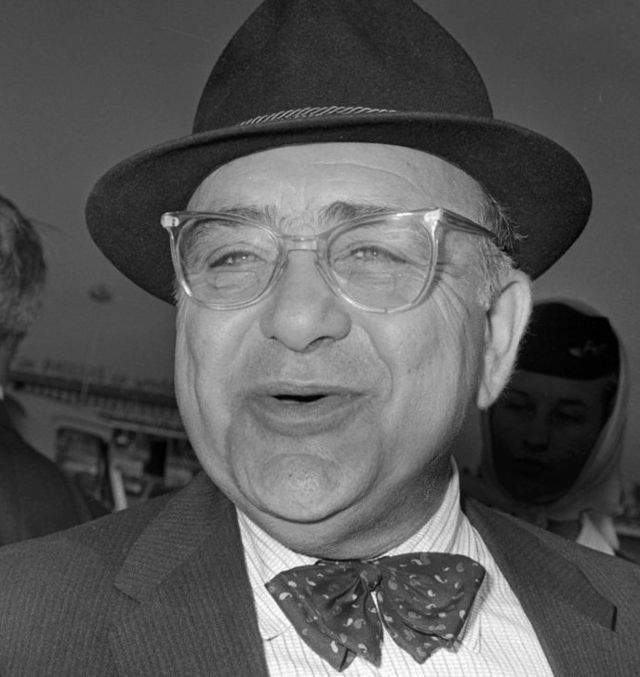
Boris Adreivich Chernov (Akim Tamiroff)
Played by Akim Tamiroff
A conspirator aligned with the scheme, whose loyalties and ambitions shift as the truth about Anna's identity becomes murkier. His involvement underscores the broader fraud at the heart of the tale.
- 🤝 Alliance
- 💭 Suspicion
- PI
Piotr Ivanovich Petrovin (Sacha Pitoëff)
Played by Sacha Pitoëff
A fellow fortune hunter with ties to Anna from past years, whose questions and claims add pressure to the impersonation plot and to the pursuit of a fortune.
- 💰 Greed
- 🕶️ Deception
- IL
Irina Lissemskaia / Nini (Natalie Schafer)
Played by Natalie Schafer
A social connector whose presence deepens the circle around Anna, adding complexity to the impersonation and the interplay of loyalty and desire.
- 💬 Identity
- 💘 Love
- S(
Stepan (Grégoire Gromoff)
Played by Grégoire Gromoff
A court figure who embodies the aristocratic aura and social codes of the imperial era, highlighting the old regime’s lingering influence on the plot.
- 🏛️ Court
- 🎩 Aristocracy
Where and When Is Anastasia Set?
Anastasia is set in Paris, Copenhagen and Bucharest (1928). Here is why the time and place matter to the story.
When
1928
In the late 1920s, post-revolutionary Europe is a landscape of aristocratic excess and opportunistic schemes. Exiled White Russians and資 investors chase fortunes tied to long-lost czarist wealth, while rumors of Anastasia fuel a dangerous gambit. The period's opulence, suspicion, and social maneuvering drive the drama.
Where
Paris, Copenhagen, Bucharest
Set largely in 1928 Paris, the story unfolds against the backdrop of a Russian émigré elite and a glittering nightclub world. The plot also travels to Copenhagen for a grand ball and touches Bucharest in flashbacks, weaving a web of exile, prestige, and manipulation. The settings reflect a Europe still reeling from revolution and the allure of wealth and status in the interwar era.
- 🗼 Paris
- 🚲 Copenhagen
- 🏛️ Bucharest
What Are the Themes of Anastasia?
3 ideas the story keeps returning to, among them Identity, Fraud & Ambition and Love.
-
01
Identity
Identity is manufactured and contested as Anna Koreff is coached to pass as Anastasia. The line between genuine memory and performed identity blurs under pressure from powerful suitors and skeptical relatives. The Empress’s test and Anna’s evolving self-confidence heighten the mystery of who really is Anastasia.
-
02
Fraud & Ambition
A calculated con sits at the heart of the narrative, with exiled nobles and stockholders chasing a fortune tied to the Anastasia legend. Deception is a tool wielded to secure wealth and status, often at the expense of truth and trust. The pursuit of money continually clashes with personal relationships.
-
03
Love
Romance emerges amid deceit as Anna and Bounine grow a genuine connection while still orchestrating a masquerade. Jealousy and longing complicate decisions about truth, loyalty, and money. The romance becomes a crucible that tests whether love can survive manipulation.
What Kind of Film Is Anastasia?
Bittersweet in tone, with steady pacing and a moderate story, going by the plot summary.
- Tone
- Bittersweet
- Pacing
- Steady
- Story
- Moderate
- Intensity
- Medium
- Ending
- Ambiguous
A measured and melancholic drama that builds tension around a woman's uncertain identity, creating an emotionally poignant atmosphere of memory, longing, and the high-stakes allure of royalty.
- melancholic
- elegiac
- suspenseful
- romantic
- uncertain
- nostalgic
- identity crisis
- royal impersonation
- memory and trauma
- con artistry
Content notes: attempted suicide, emotional manipulation, traumatic memory.
Quiz
How well do you remember Anastasia? Test yourself on the story.