
All This, and Heaven Too (1940): Cast & Plot
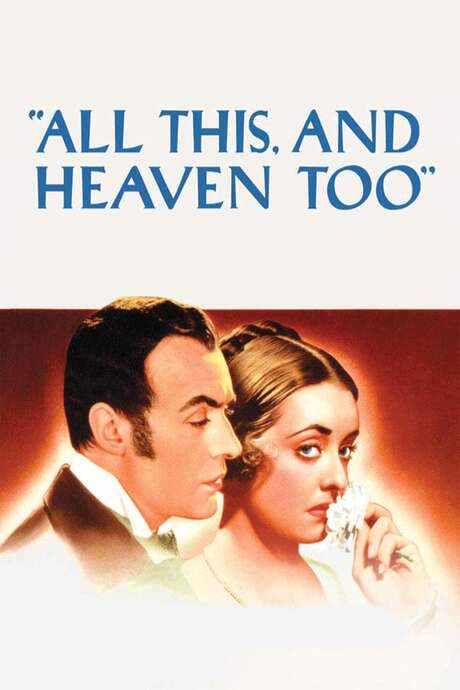
All This, and Heaven Too is a 1940 romantic drama directed by Anatole Litvak, starring Charles Boyer as Duc de Praslin, Bette Davis and Barbara O'Neil. It runs 2 hours 21 minutes.
- Released
- Runtime
- 2h 21m (141 min)
- Director
- Anatole Litvak
- Original language
-
 English
 - Studio
- Warner Bros. Pictures
- After the credits
- No No extra scene
What Is All This, and Heaven Too About?
The premise of All This, and Heaven Too without spoilers. The whole story is in the plot summary further down.
Henriette Deluzy, a devoted governess, is hired to teach the children of Duc de Praslin, a courtier of King Louis‑Philippe. The jealous Duchess immediately resents her, yet Henriette saves the Duchess’s ailing son and wins the youngsters’ love. Dismissed, she and the Duke grow close, and their forbidden romance ends in tragedy amid the volatile French court.
All This, and Heaven Too Themes & Keywords
· 50 tags- suicide
- governess
- duke
- duchess
- french revolution of 1848
- coming of age
- marriage
- servant
- all hallows' eve
- valet
- newspaper article
- prison
+38 more Show fewer
- murder
- love triangle
- teacher
- french teacher
- chess
- soiree
- waltz
- piano forte
- ballroom
- sibling relationship
- peerage
- letter writing
- snowglobe
- ocean liner
- letter of reference
- letter of recommendation
- rosary
- peer of france
- love
- performance of phedre
- confession
- priest
- abbey
- opera house
- art
- last rites
- garden
- sickly child
- illness
- theatre box
- melun france
- snowfall
- loveless marriage
- spy
- incarceration
- library
- dying man
- the best day of one's life
All This, and Heaven Too Cast & Characters
Charles Boyer leads the cast as Duc de Praslin, with Bette Davis as Henriette Deluzy-Desportes and Barbara O'Neil as Duchesse de Praslin. Directed by Anatole Litvak; 51 actors are credited in all.
- Director Anatole Litvak
-
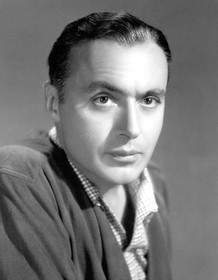 Charles Boyer as Duc de Praslin
 -
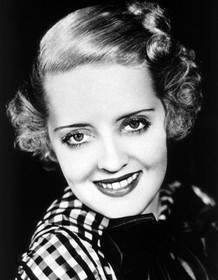 Bette Davis as Henriette Deluzy-Desportes
 - Barbara O'Neil as Duchesse de Praslin
- Harry Davenport as Pierre
Also Starring in All This, and Heaven Too
· 47 more- Jeffrey Lynn Henry Martyn Field
- Frank Reicher Police Official (uncredited)
- George Coulouris Charpentier
- Ann E. Todd Berthe
- Glen Cavender Jean (uncredited)
- Creighton Hale Ship's Officer (uncredited)
- Leyland Hodgson Captain (uncredited)
- Virginia Brissac Nun (uncredited)
- Victor Kilian Gendarme
- Ellinor Vanderveer Opera Spectator in King's Group (uncredited)
- Vera Lewis Queen Amélia of France (uncredited)
- Mary Forbes Lady at the Theatre (uncredited)
- Claire Du Brey Nun (uncredited)
- Eric Mayne Member of the Court (uncredited)
- Montagu Love Marechal Sebastiani
- Christian Rub Loti (uncredited)
Show all 51 cast members Show fewer cast members
- Egon Brecher Doctor (uncredited)
- Lottie Williams Servant (uncredited)
- Ian Keith DeLangle
- Henry Daniell Broussais
- Edward Fielding Dr. Louis
- Natalie Moorhead Lady at the Theatre (uncredited)
- Georgia Caine Lady at the Theatre (uncredited)
- June Lockhart Isabelle
- Fritz Leiber Abbe Gallard
- Helen Westley Madame LeMaire
- Cora Sue Collins Louise de Rham (uncredited)
- Janet Beecher Miss Haines
- Virginia Weidler Louise
- Mary Anderson Rebecca Jay
- Peggy Stewart Helen Lexington
- Betty Jane Graham Clara Parker (uncredited)
- Ann Gillis Emily Schuyler
- Maurice Costello
- Marilyn Knowlden Marianna Van Horn (uncredited)
- Walter Hampden Pasquier
- Sibyl Harris Mlle. Maillard
- Brenda Fowler Nun (uncredited)
- Anne Howard Isabelle Loullard (uncredited)
- Betty Jean Hainey Elizabeth Ward (uncredited)
- Richard Nichols Reynald
- Gloria Fisher Kate Delancey (uncredited)
- Madge Crane Madame Gauthier
- Doris Bren Agnes Brevoort (uncredited)
- Susanne Ransom Dora Vanderbilt (uncredited)
- Carmen Bretta Maxine - Frances' Maid (uncredited)
- Jeanne Wells Mary Simpson (uncredited)
All This, and Heaven Too Plot Summary
What happens in All This, and Heaven Too from start to finish, spoilers included, with a timeline of 12 key events. The opening is below; the full summary is a 4-minute read.
Spoilers ahead
Mademoiselle Henriette Deluzy-Desportes, a French woman, arrives in a new world of teaching and reputation when she begins her work at an American girls’ school.Faced with the gossip and rumors that flutter around her life, she chooses to turn the lens inward and tell the story of her own past. This decision marks the frame of a coming‑of‑age tale wrapped in social stakes, where personal dignity collides with public scandal. The film follows her as she revisits memories that shaped a courtroom and a heart, all while the present moment in the classroom keeps turning the pages of her lecture into a genuine confession.
Full summary
The whole story of All This, and Heaven Too, scene by scene
All This, and Heaven Too Trailers & Videos
The trailer of All This, and Heaven Too.
How Well Do You Know All This, and Heaven Too?
10 questions about the story, each with a hint if you get stuck. Pick an answer to see whether you were right.
Question 1 of 10
- Question 1: not answered
- Question 2: not answered
- Question 3: not answered
- Question 4: not answered
- Question 5: not answered
- Question 6: not answered
- Question 7: not answered
- Question 8: not answered
- Question 9: not answered
- Question 10: not answered
Which actress portrays Henriette Deluzy-Desportes in the film?
Seen All This, and Heaven Too?
Movies Like All This, and Heaven Too
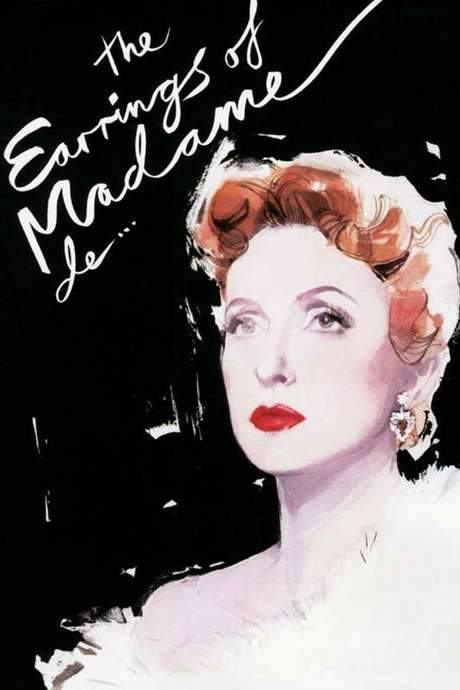
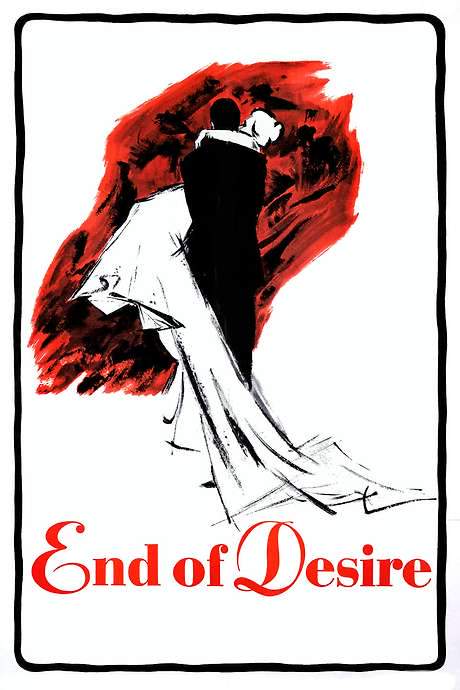
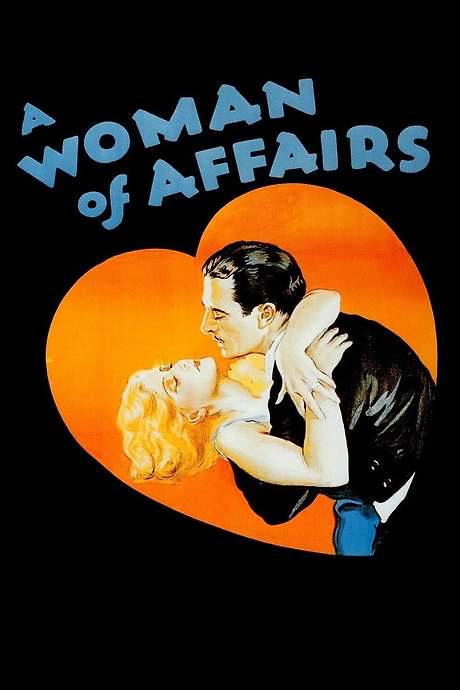
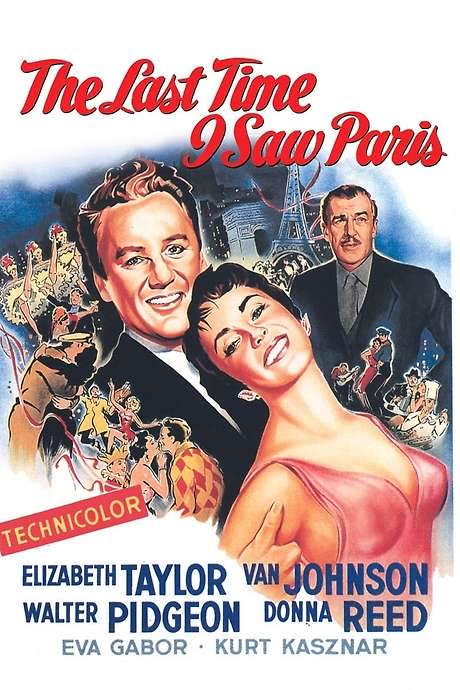
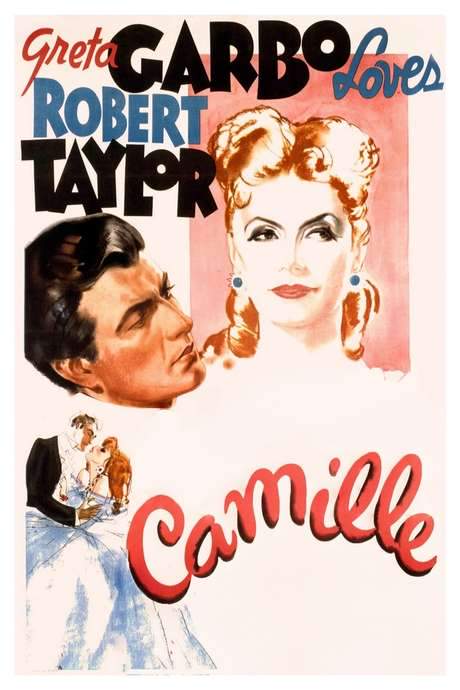
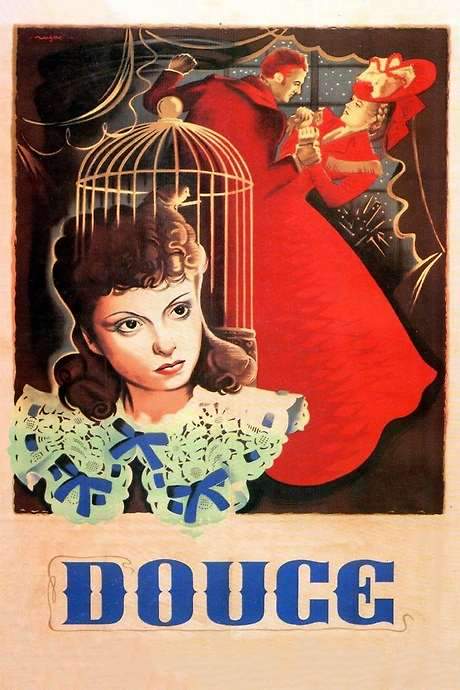
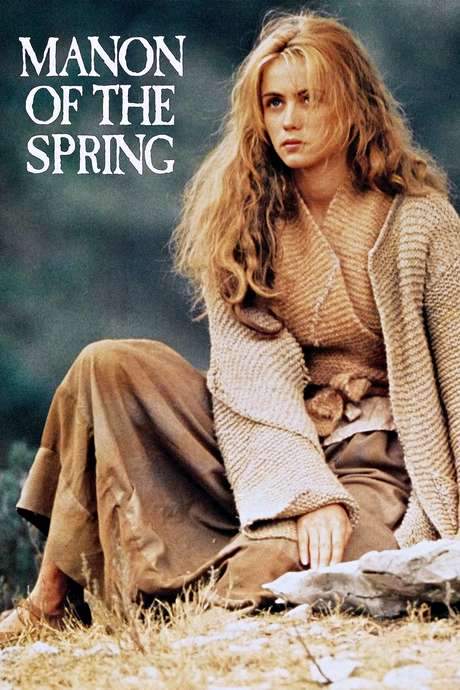
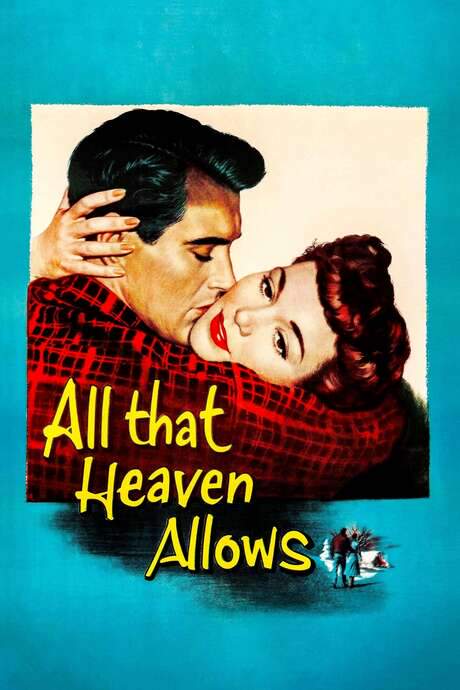
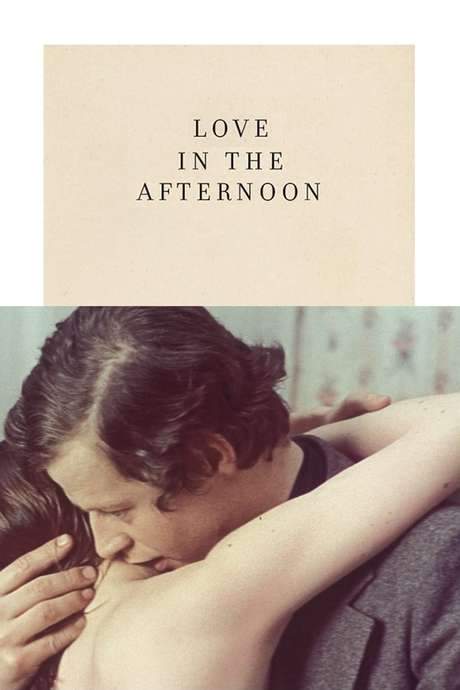
Films with a similar story, tone or audience, including The Earrings of Madame de…, End of Desire and A Woman of Affairs.

All This, and Heaven Too FAQ: Cast, Runtime & Release Date
Runtime, release date, director, cast and post-credit scenes of All This, and Heaven Too, each answered in a sentence.
How long is All This, and Heaven Too?
All This, and Heaven Too runs 2 hours 21 minutes (141 minutes).
When was All This, and Heaven Too released?
All This, and Heaven Too was released on July 4, 1940.
Who directed All This, and Heaven Too?
All This, and Heaven Too was directed by Anatole Litvak.
More films by Anatole Litvak Who is in the cast of All This, and Heaven Too?
All This, and Heaven Too stars Charles Boyer as Duc de Praslin, Bette Davis as Henriette Deluzy-Desportes and Barbara O'Neil as Duchesse de Praslin, among 51 credited actors.
Does All This, and Heaven Too have a post-credit scene?
No. All This, and Heaven Too has no extra scene during or after the credits.
Coming soon to your phone
The Plot Explained Movie Summary App
From blockbusters to hidden gems: plot summaries, endings explained and timelines on your phone. Save your favorites and never miss a twist again.
Be the first to know when it launches. Your email stays private, always. Learn more about the app
