
The Last Time I Saw Paris (1954): Cast, Box Office & Plot
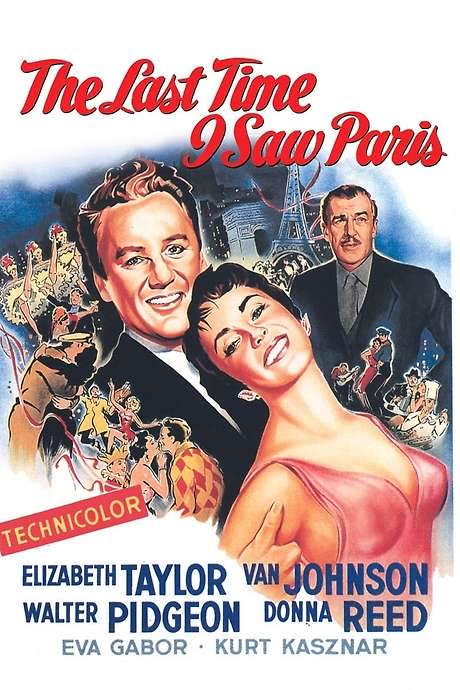
The Last Time I Saw Paris is a 1954 romantic drama directed by Richard Brooks, starring Elizabeth Taylor as Helen Ellswirth, Van Johnson and Paul McGuire. It runs 1 hour 56 minutes and earned $14,603 worldwide.
- Released
- Runtime
- 1h 56m (116 min)
- Director
- Richard Brooks
- Original language
-
 English
 - Studio
- Metro-Goldwyn-Mayer
- After the credits
- No No extra scene
What Is The Last Time I Saw Paris About?
The premise of The Last Time I Saw Paris without spoilers. The whole story is in the plot summary further down.
Reporter Charles Wills lands in Paris at war’s end, meets the magnetic Helen Ellswirth after a brief flirt with her sister Marion, and soon marries her. He balances his novelist aspirations with a grind at a newspaper wire service. An inheritance makes them rich, but the sudden shift strains their marriage, ending in a tragedy that changes everything.
The Last Time I Saw Paris Themes & Keywords
· 50 tags- reporter
- melodrama
- dysfunctional marriage
- victory in europe day
- self destructiveness
- unrequited love
- dissipation
- child custody
- world war two
- paris france
- champagne
- cigar smoking
+38 more Show fewer
- american in france
- told in flashback
- paris cafe
- alcohol abuse
- horse race bet
- rogue
- hospital patient
- dysfunctional husband wife relationship
- newspaper journalist
- monte carlo rally
- oil lease property
- white tie
- rejection letter
- war correspondent
- stars and stripes reporter
- striking it rich
- novelist
- downward spiral
- thrill seeker
- implied marital infidelity
- cruelty
- tragedy drama
- tragic romance
- umbrella
- reversal of fortune
- spurned woman
- bitter woman
- brother in law brother in law relationship
- father daughter reunion
- france
- arc de triomphe paris
- taylor and johnson
- brooks amd e. taylor
- american
- soldier
- heiress
- love
- riviera
The Last Time I Saw Paris Cast & Characters
Elizabeth Taylor leads the cast as Helen Ellswirth, with Van Johnson as Charles Wills and Paul McGuire as Reporter. Directed by Richard Brooks; 17 actors are credited in all.
-
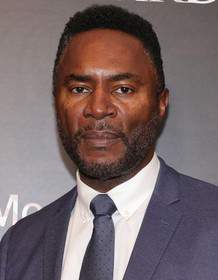 Director Richard Brooks
-
 Elizabeth Taylor as Helen Ellswirth
 - Van Johnson as Charles Wills
- Paul McGuire as Reporter
-
 Donna Reed as Marion Ellswirth
Also Starring in The Last Time I Saw Paris
· 13 more- Walter Pidgeon James Ellswirth
- George Dolenz Claude Matine
- Roger Moore Paul
- John Doucette Campbell
- Peter Leeds Barney
- Celia Lovsky Mama
- Kurt Kasznar Maurice
- Eva Gabor Lorraine Quarl
- Lomax Study Photographer (uncredited)
- Odette Myrtil Singer
- Maurice Marks Doctor
- Sandy Descher Vicki
- Josette Deegan Fighting Girl (uncredited)
The Last Time I Saw Paris Plot Summary
What happens in The Last Time I Saw Paris from start to finish, spoilers included, with a timeline of 14 key events. The opening is below; the full summary is a 4-minute read.
Spoilers ahead
At the end of World War II in Europe, Charles Wills, a Stars and Stripes journalist, walks the jubilant streets of Paris as the city bursts with relief and celebration. In the midst of the crowds, a stunning woman suddenly grabs him, kisses him, and melts back into the sea of revelers. He trails the moment to Café Dhingo, where he is swept into the orbit of Marion Ellswirth, who invites him to join the Ellswirth family’s postwar festivities. What begins as a chance encounter becomes a world where charm, risk, and longing intertwine, pulling Charles into a circle defined by wealth, prestige, and a past that will not stay buried.
Full summary
The whole story of The Last Time I Saw Paris, scene by scene
The Last Time I Saw Paris Box Office
The Last Time I Saw Paris grossed $14,603 worldwide.
Worldwide gross
$14.6K
- International
- $14.6K
How Well Do You Know The Last Time I Saw Paris?
10 questions about the story, each with a hint if you get stuck. Pick an answer to see whether you were right.
Question 1 of 10
- Question 1: not answered
- Question 2: not answered
- Question 3: not answered
- Question 4: not answered
- Question 5: not answered
- Question 6: not answered
- Question 7: not answered
- Question 8: not answered
- Question 9: not answered
- Question 10: not answered
What occupation does Charles Wills have at the start of the film?
Seen The Last Time I Saw Paris?
Movies Like The Last Time I Saw Paris
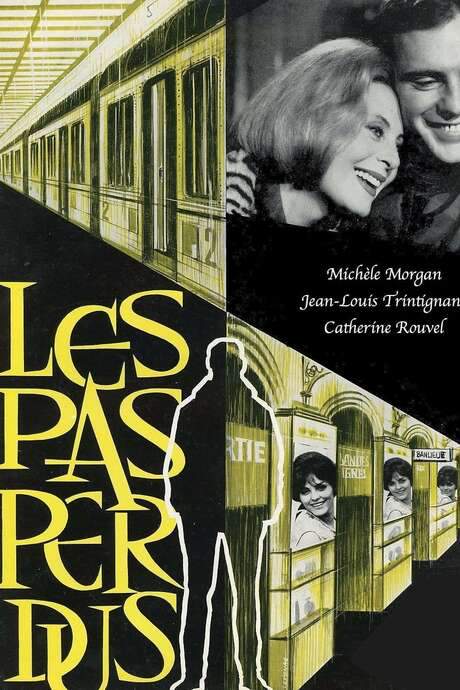
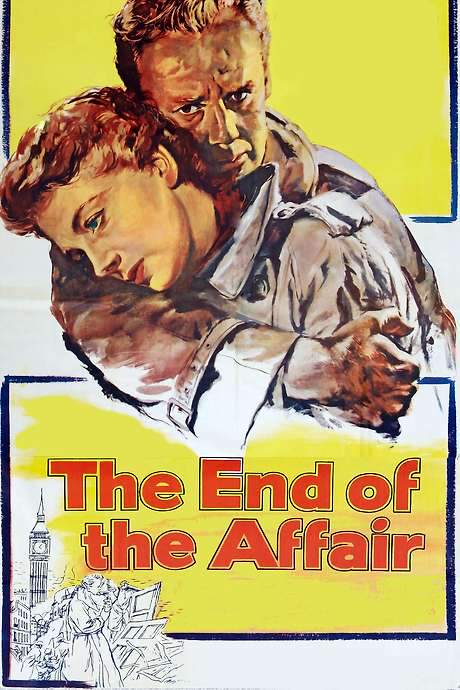
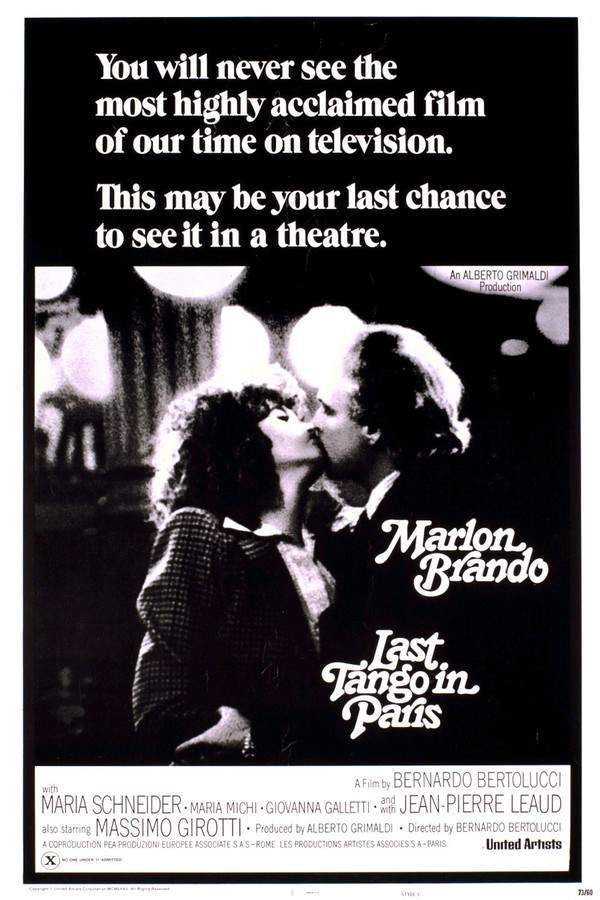
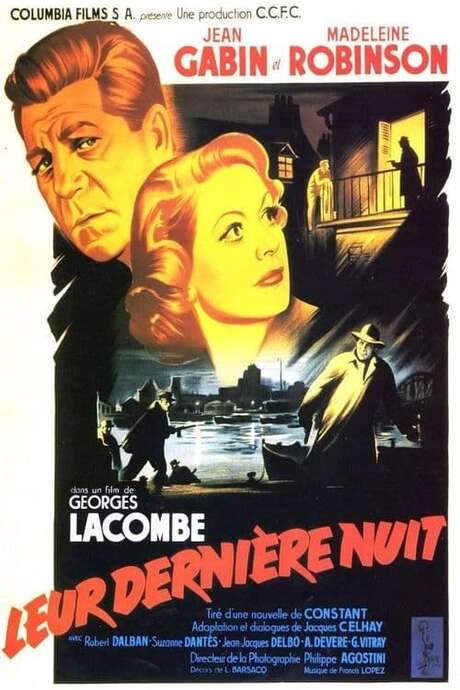
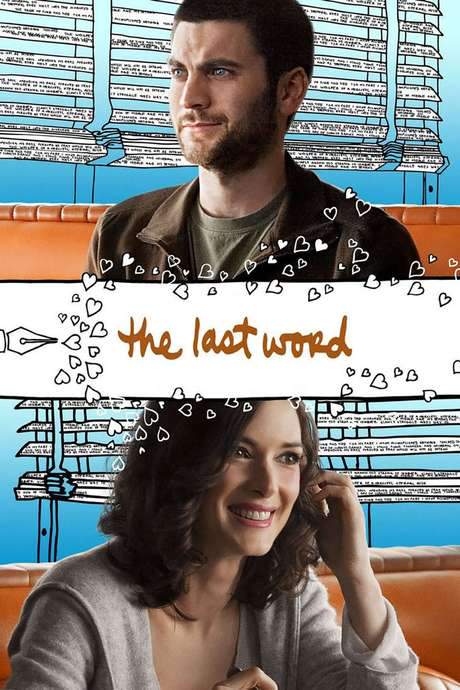
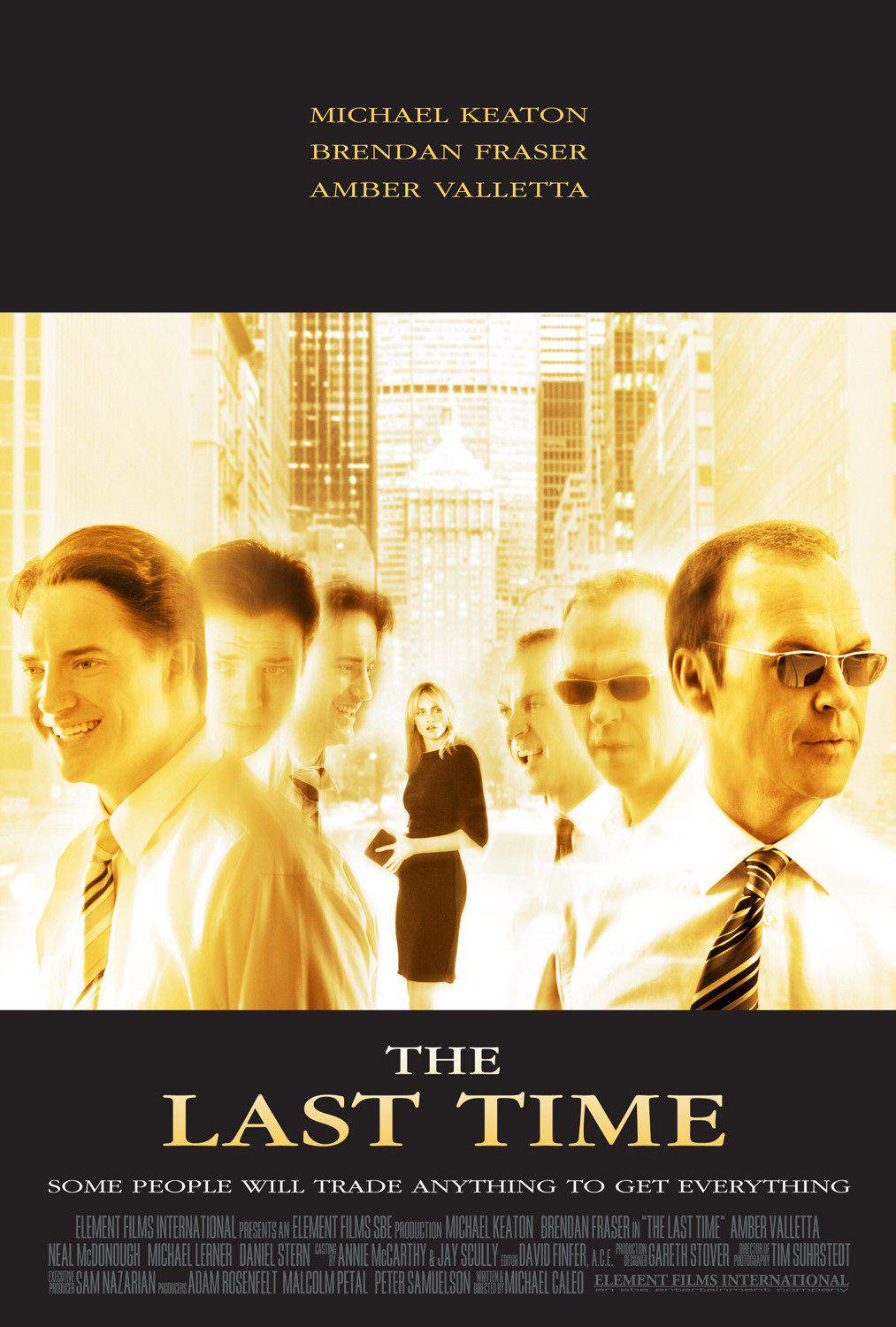
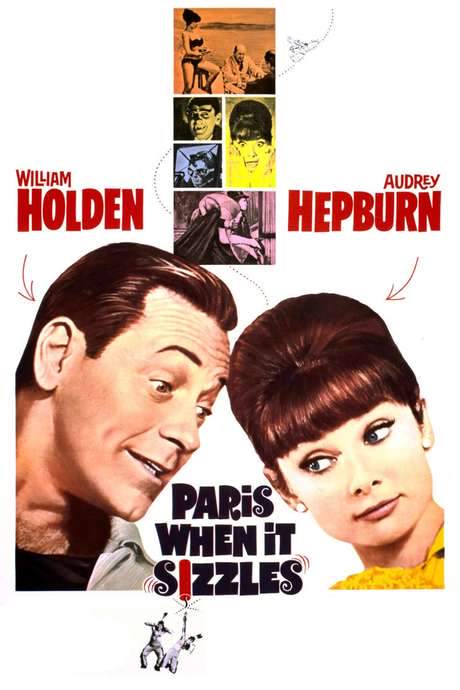
Films with a similar story, tone or audience, including The Last Letter from Your Lover, The Last Steps and The End of the Affair.


The Last Time I Saw Paris FAQ: Cast & Box Office
Runtime, release date, director, cast, box office and post-credit scenes of The Last Time I Saw Paris, each answered in a sentence.
How long is The Last Time I Saw Paris?
The Last Time I Saw Paris runs 1 hour 56 minutes (116 minutes).
When was The Last Time I Saw Paris released?
The Last Time I Saw Paris was released on November 18, 1954.
Who directed The Last Time I Saw Paris?
The Last Time I Saw Paris was directed by Richard Brooks.
More films by Richard Brooks Who is in the cast of The Last Time I Saw Paris?
The Last Time I Saw Paris stars Elizabeth Taylor as Helen Ellswirth, Van Johnson as Charles Wills and Paul McGuire as Reporter, among 17 credited actors.
How much did The Last Time I Saw Paris make at the box office?
The Last Time I Saw Paris grossed $14,603 worldwide.
Does The Last Time I Saw Paris have a post-credit scene?
No. The Last Time I Saw Paris has no extra scene during or after the credits.
Coming soon to your phone
The Plot Explained Movie Summary App
From blockbusters to hidden gems: plot summaries, endings explained and timelines on your phone. Save your favorites and never miss a twist again.
Be the first to know when it launches. Your email stays private, always. Learn more about the app
