Manon of the Spring 1986


Having watched her father's ruin, Manon, now a beautiful young shepherdess in the sun‑dappled Provençal hills, confronts the men who greedily seized his farm. Though they extend offers of love and safety, her sole aim is to exact the revenge she has long plotted, continuing the saga begun in Jean de Florette.


Does Manon of the Spring have end credit scenes?
No!
Manon of the Spring does not have end credit scenes. You can leave when the credits roll.
Meet the Full Cast and Actors of Manon of the Spring
Explore the complete cast of Manon of the Spring, including both lead and supporting actors. Learn who plays each character, discover their past roles and achievements, and find out what makes this ensemble cast stand out in the world of film and television.

Yves Montand
César Soubeyran, aka "le Papet"

Daniel Auteuil
Ugolin Soubeyran, aka "Galinette"

Emmanuelle Béart
Manon Cadoret
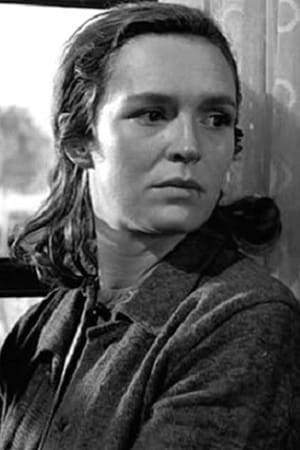
Margarita Lozano
Baptistine

Hippolyte Girardot
Bernard Olivier, teacher
Elisabeth Depardieu
Aimée Cadoret
Ticky Holgado
Rural engineering specialist
Didier Pain
Eliacin
Armand Meffre
Philoxène
Roger Souza
Ange, hydrant man
Marc Betton
Martial
Jean Maurel
Anglade, believer
André Dupon
Pamphile, joiner
Jean Bouchaud
Vicar
Pierre Nougaro
Casimir
Pierre-Jean Rippert
Cabridan
Chantal Liennel
Amandine
Fransined
Florist
Yvonne Gamy
Delphine
Gabriel Bacquier
Victor
Lucien Damiani
Belloiseau
Françoise Trompette
Villager
External Links and Streaming Options
Discover where to watch Manon of the Spring online, including streaming platforms, rental options, and official sources. Compare reviews, ratings, and in-depth movie information across sites like IMDb, TMDb, Wikipedia or JustWatch.






Take the Ultimate Manon of the Spring Movie Quiz
Challenge your knowledge of Manon of the Spring with this fun and interactive movie quiz. Test yourself on key plot points, iconic characters, hidden details, and memorable moments to see how well you really know the film.
Manon of the Spring Quiz: Test your knowledge of the 1986 film "Manon of the Spring" with these ten questions ranging from easy to difficult.
What is the name of the film's main female protagonist?
Full Plot Summary and Ending Explained for Manon of the Spring
Read the complete plot summary of Manon of the Spring, including all major events, twists, and the full ending explained in detail. Explore key characters, themes, hidden meanings, and everything you need to understand the story from beginning to end.
Ten years after the events of Jean de Florette, César Soubeyran and his nephew Ugolin Soubeyran hold sway over the Provençal hills around Les Romarins, where a small but fertile spring makes their operation possible. Manon Cadoret, the daughter of Jean, has grown up in the village, living with a weathered, self-sufficient Piedmontese couple who teach her to live off the land—tending goats, foraging for birds and rabbits, and learning to read the land’s subtle signs. The spring’s water has shaped not only their livelihoods but the town’s power dynamics, feeding Ugolin’s flourishing carnation business and keeping César firmly in control.
Aimée Cadoret, Manon’s mother and Jean’s widow, had sold her farm to the Soubeyrans after Jean’s death, a decision that feels like a quiet betrayal to Manon when she recalls the manipulation behind Jean’s ruin. Long-buried memories surface when Manon, as a child, witnesses how the two men blocked the spring to ruin Jean’s chances of making his land profitable, a calculated act that profitably followed his brutal death. The truth remains a whispered thread in the village, where the Soubeyrans’ influence has kept many silent for years.
As time passes, Manon’s priorities shift. She becomes wary of Ugolin’s growing fixation, a fixation that soon turns obsessive—culminating in a grotesque, intimate reminder, a ribbon sewn from her own hair onto his chest. At the same time, she finds herself drawn to Bernard Olivier, a educated and principled schoolteacher newly arrived in the area, whose presence offers a humane counterpoint to the village’s old loyalties. Bernard Olivier becomes a beacon of possibility for Manon, a chance at a life beyond the petty vendettas that defined her father’s fate.
Manon’s awareness deepens as she overhears villagers discussing the circumstances of her father’s death. Realizing how many in the community knew the truth yet stayed silent because of the Soubeyrans’ standing, she steps toward justice in her own way. While searching for a goat that has slipped into a crevice above the village, she discovers the underground source that feeds the local farms and the entire village. In a deliberate act of rebellion, she stops the flow by blocking the spring with iron-oxide clay and surrounding rocks, a move that instantly upends the balance of power and puts the entire community on edge.
Desperation spreads as crops fail and businesses stall; the villagers scramble to obtain water as news of the blocked spring intensifies the sense of collective grievance. Manon publicly accuses Papet, César, and Ugolin of their roles in Jean’s ruin, forcing the truth into the light. An eyewitness, a poacher who was trespassing on the empty property at the time, steps forward to corroborate the crime, shaming the Soubeyrans and highlighting the town’s complicity in a long history of fear and complicity. Ugolin responds with a desperate plea for Manon’s hand in marriage, which she rejects. The social and moral collapse that follows drives Ugolin to take his own life, and the Soubeyran line seems poised to end with him.
With the village’s sense of justice awakened, the community invites Manon to take part in a religious procession to the fountain, hoping that her acknowledgement of the past will restore the flow of water. She, aided by Bernard, secretly unblocks the spring in advance, and the water returns just as the procession arrives at the fountain. Manon’s life seems to take on a new, hopeful turn as she and Bernard marry, uniting two people who stand in opposition to the old orders.
But the drama extends beyond the immediate triumph of water and love. Delphine, an old acquaintance, returns with earth-shaking news: Florette—Papet’s former beloved from another era—had written to him about a child they had together. The revelation reveals a cruel twist of fate: César never knew that the son he helped ruin might have been his own child, and the man he despised—Jean, the person who bore the burden of his forgotten generosity—was that child’s father. Papet, who had long clung to the rough edges of power, comes to understand the deeper connections that bind the living to the dead, and to Manon, his granddaughter, in ways that cannot be undone.
In the end, Papet dies quietly in his sleep, his last act a quiet recognition of the family line he never truly allowed to belong to him. He leaves all of his property to Manon, acknowledging her as his natural granddaughter and the last of the Soubeyrans. The tale closes on a note of fragile reconciliation: Manon, now pregnant, carries the living memory of generations of struggle, yet a hopeful future beckons as the spring’s water runs freely once more and a new life begins in the shadow of a village that learned to speak truth to power.

Coming soon on iOS and Android
The Plot Explained Mobile App
From blockbusters to hidden gems — dive into movie stories anytime, anywhere. Save your favorites, discover plots faster, and never miss a twist again.
Sign up to be the first to know when we launch. Your email stays private — always.
Explore the mobile appDiscover Film Music Concerts Near You – Live Orchestras Performing Iconic Movie Soundtracks
Immerse yourself in the magic of cinema with live orchestral performances of your favorite film scores. From sweeping Hollywood blockbusters and animated classics to epic fantasy soundtracks, our curated listings connect you to upcoming film music events worldwide.
Explore concert film screenings paired with full orchestra concerts, read detailed event information, and secure your tickets for unforgettable evenings celebrating legendary composers like John Williams, Hans Zimmer, and more.


Manon of the Spring Themes and Keywords
Discover the central themes, ideas, and keywords that define the movie’s story, tone, and message. Analyze the film’s deeper meanings, genre influences, and recurring concepts.
Manon of the Spring Other Names and Titles
Explore the various alternative titles, translations, and other names used for Manon of the Spring across different regions and languages. Understand how the film is marketed and recognized worldwide.
Similar Movies To Manon of the Spring You Should Know About
Browse a curated list of movies similar in genre, tone, characters, or story structure. Discover new titles like the one you're watching, perfect for fans of related plots, vibes, or cinematic styles.






Quick Links: Summary, Cast, Ratings, More

What's After the Movie?
Not sure whether to stay after the credits? Find out!
Check out our other apps:

SAT Sphere
Build confidence for the Digital SAT.

Mori Atlas
Discover wild places worth protecting.

Luntero
Search smarter for a home in Amsterdam.

Plot Explained
Unravel movie endings and hidden clues.

Pokechamp
Dive into Pokémon data and battle logic.

Driving Theory
Get ready for your European theory test.

Movie Dust
Plan your next cinema trip with ease.

Musemap
Find art and culture as you travel.

Selkobase
Compare credentials before committing.

Local Manual
Turn an unfamiliar country into practical next steps.

Lernavi
Compare school systems before your next move.

GymRoam
Find a workout stop wherever your plans take you.
Explore Our Movie Platform
New Movie Releases (2026)
Famous Movie Actors
Top Film Production Studios
Movie Plot Summaries & Endings
Major Movie Awards & Winners
Best Concert Films & Music Documentaries
Movie Collections and Curated Lists
© 2026 What's After the Movie. All rights reserved.
Privacy Policy