Return to Silent Hill (2026) Review Roundup: A Divisive Descent into Fog and Fandom
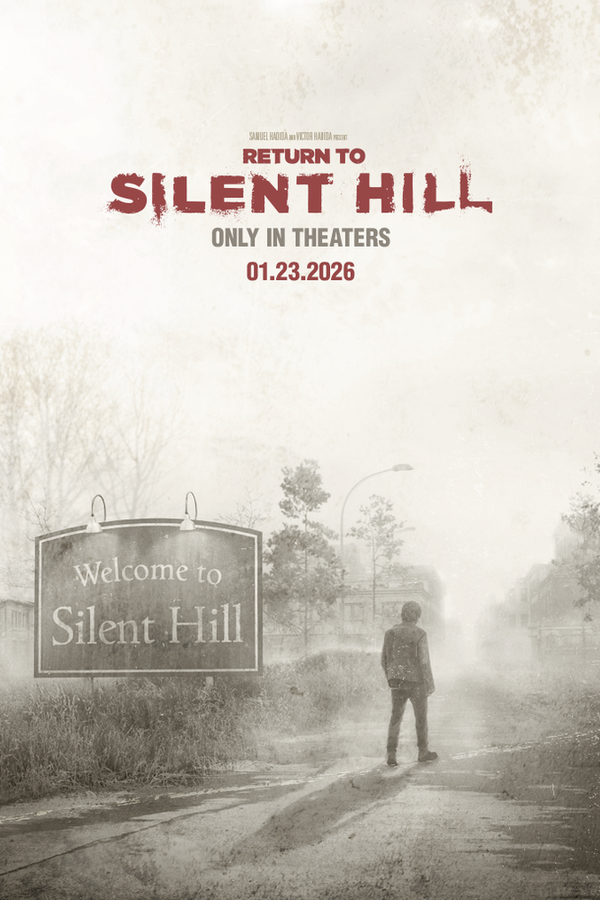
The long-awaited return of filmmaker Christophe Gans to the haunted town of Silent Hill has finally arrived, and the reception is anything but quiet. Return to Silent Hill, directly adapting the fan-favorite story of Silent Hill 2, has sparked a torrent of opinions from critics and audiences alike, creating a clear fissure between those who appreciate its ambitious visuals and those who condemn its narrative choices. This in-depth analysis consolidates the genuine reactions, offering a clear picture of who might enjoy this latest cinematic visit and who should perhaps stick to the timeless video game. For more details on the film’s plot and cast, visit the official Return to Silent Hill movie page on What’s After the Movie.
The central debate raging around Return to Silent Hill revolves squarely around the concept of “faithfulness.” Is a direct, visual translation of a beloved game’s plot sufficient, or does a successful adaptation need to capture the intangible essence—the psychological depth and nuanced symbolism—that made the source material a masterpiece? As we delve into the reviews, we’ll explore this critical question from multiple angles, providing a comprehensive summary of the movie reception for horror fans and gamers. If you’re curious about how other films have tackled similar adaptations, check out our vast collection of movie summaries on What’s After the Movie.
Return to Silent Hill Movie Reception: Critics Divided on Visuals Versus Substance
The critical consensus for Return to Silent Hill is starkly divided, painting a picture of a film that is as visually ambitious as it is narratively controversial. On platforms like Metacritic, the film has garnered a wide spectrum of scores, from a respectable 70/100 to a scathing 12/100. This disparity highlights the film’s core strengths and weaknesses as identified by professional reviewers. Many critics praised the film’s dedication to recreating the game’s iconic aesthetic. Little White Lies (70/100) offered one of the more positive critical takes, noting, “The performances too somehow emulates the game’s awkward, unnatural voice acting, a key contributor to both works’ uncanny dreamlike ambience. Rarely has a film better evoked a PlayStation 2 game.” This comment underscores a key point: for some critics, the film’s success lies in its authentic, albeit jarring, translation of the video game’s unique atmosphere.
However, this visual praise is often tempered with significant criticism of the story’s execution. Screen Rant (50/100) captures this middling sentiment perfectly: “Gans and co-writers… clearly wanted to try and make a faithful translation… but between unnecessary lore changes and a lack of thematic heft… the filmmaker’s return to the franchise is a weird mix of exciting recreations, gorgeous visuals and disappointing execution.” The most damning critiques come from outlets that felt the film failed on nearly every level. The A.V. Club (16/100) declared it “the worst film of the franchise so far,” while Slant Magazine (12/100) accused it of doing “away with all the psychosexual nuance of Silent Hill 2.” This divergence of critical opinion suggests that your enjoyment of the film may heavily depend on what you value more: a faithful visual replica or a deep, thoughtful narrative. For more analysis on how critics receive big releases, browse our movie wiki at What’s After the Movie.
Fan Reactions to Return to Silent Hill: A Schism Between Gamers and Moviegoers
If the critics are divided, the fanbase is at war with itself. The user reviews for Return to Silent Hill reveal a deep schism, primarily between dedicated gamers and more general horror movie fans. The most vocal negative reactions come from self-proclaimed purists of the Silent Hill 2 game. User POVerdose (0/10) delivers a scorching assessment representative of this camp: “Fans of the games beware: DO NOT WATCH THIS MOVIE… Gans takes the copyright protected names of things from SH2, and uses them like a 5 year old would use his hand-me-down action figures… It completely alters the characters and monsters, thereby invalidating the source materials’ deep and thoughtful symbolism.” This sentiment is echoed by others who feel the film betrays the psychological core of James Sunderland’s story.
On the other side of the argument are viewers who either approached the film as a standalone piece or appreciated the effort to visualize the game. User MisterBasic (7/10) admits the film’s flaws but defends it: “Is it the game? No - but I didn’t want it to be… I dock it mostly for having too few scares and gore… It’s decent for a video game horror flick.” Meanwhile, users like SVTCobra89 (10/10) argue that true fans will appreciate the film: “If you’ve played the second game you will appreciate this movie. Half the people that have rated this movie haven’t played the second game. If they did, they would respect and appreciate what this movie has done.” This intense debate highlights the impossible task of adapting a revered work: pleasing the hardcore base while making an accessible film. For fans who love diving into these community debates, our movie lists and collections on What’s After the Movie are a great way to explore similar films.
Analyzing the Faithfulness of the Silent Hill 2 Adaptation
The single most contentious point in every review of Return to Silent Hill is its fidelity to the source material. Christophe Gans explicitly set out to create a more direct adaptation than his 2006 film, but the reception suggests this goal was only partially met—and what was achieved may not have been what fans truly wanted. The critical and user feedback points to a film that is faithful in plot structure and iconography but unfaithful in thematic depth. IGN (50/100) succinctly states, “Return to Silent Hill isn’t the worst entry in this video game movie series, but it fails to accomplish anything that the source material doesn’t do better.” This raises the question of the value of a shot-for-shot remake that lacks the soul of the original.
Many reviewers felt that the film misunderstood the game’s central themes. User Leeviews (1/10) quipped, “Did James Sunderland direct this movie, because they dialed up the horny and missed the entire point,” highlighting a perception that the complex psychosexual anguish of James’s journey was reduced to a more simplistic, lurid horror. Slant Magazine explicitly condemns the film for stripping away this “psychosexual nuance.” Conversely, some users, like Coffee_Monster (9/10), appreciated the ambiguity, suggesting that “elements of it are left up to you to decide.” This analysis reveals that the film adaptation is caught in a no-win situation: criticized for both changing too much and for not adding enough new interpretation, ultimately pleasing few who hold the original game in the highest esteem. To see how other directors have handled the challenge of adaptation, explore the profiles of filmmakers on What’s After the Movie.
Visual Style and Atmosphere: The Strengths and Weaknesses of the Film’s Look
Nearly everyone, from the film’s staunchest defenders to its harshest critics, acknowledges that Return to Silent Hill has a distinct and committed visual style. The recreation of the fog-drenched town and its otherworldly counterparts is frequently cited as a high point. The positive review from Little White Lies celebrated its success in “evok[ing] a PlayStation 2 game,” a comment that, while perhaps backhanded, points to a specific aesthetic achievement. For fans of the series, seeing iconic locations and monsters rendered in live-action is a significant draw, and the film’s cinematography is often described as “gorgeous” even by those who panned the story.
However, the reliance on CGI emerges as a significant point of contention, especially when compared to the 2006 film. User MisterBasic noted, “CGI and effects are worse than the original Silent Hill film from 20 years ago,” a sentiment shared by others who missed the tactile, practical effects that gave the first movie its gritty, unsettling texture. The Austin Chronicle (30/100) criticized the film for retaining “early-2000s video game level” plot development, suggesting that the visual style inadvertently highlights the narrative shortcomings. This creates an interesting dynamic where the film’s greatest strength—its visual faithfulness—also becomes a liability when the story fails to live up to the imagery. It’s a visually arresting experience that, for many, lacks the visceral punch of its predecessor. For more on the technical achievements of films, including their box office performance, you can check out What’s After the Movie.
Conclusion: Should You Watch Return to Silent Hill?
So, where does this leave a potential viewer wondering whether to watch Return to Silent Hill? The reception and reviews clearly indicate that this is not a film for purists who hold the narrative subtleties of Silent Hill 2 as sacrosanct. If you are a gamer who believes the essence of the story is inextricably linked to its interactive and psychological depth, this adaptation will likely feel like a hollow shell. However, if you are a fan of Christophe Gans’ first film or a general horror enthusiast who enjoys gothic atmosphere and visual spectacles over narrative complexity, you may find elements to appreciate. As RogerEbert.com (63/100) aptly put it, “Gans’ sequel delivers more of the same, so it likely won’t impress anyone who doesn’t already enjoy getting lost in the fog.”
Ultimately, Return to Silent Hill serves as a fascinating case study in the perils and challenges of video game movie adaptations. It demonstrates that faithfulness is a multi-layered concept; nailing the visuals and plot points is not enough if the soul of the story is lost in translation. The film has ignited passionate debate, which is perhaps a testament to the enduring power of the Silent Hill universe. Whether you love it, hate it, or fall somewhere in between, the conversation around the film is a compelling part of its legacy. After reading this movie opinion piece, why not test your knowledge with one of our quizzes and games on What’s After the Movie?
Review Source Links
For further reading, explore the full reviews from these major outlets: