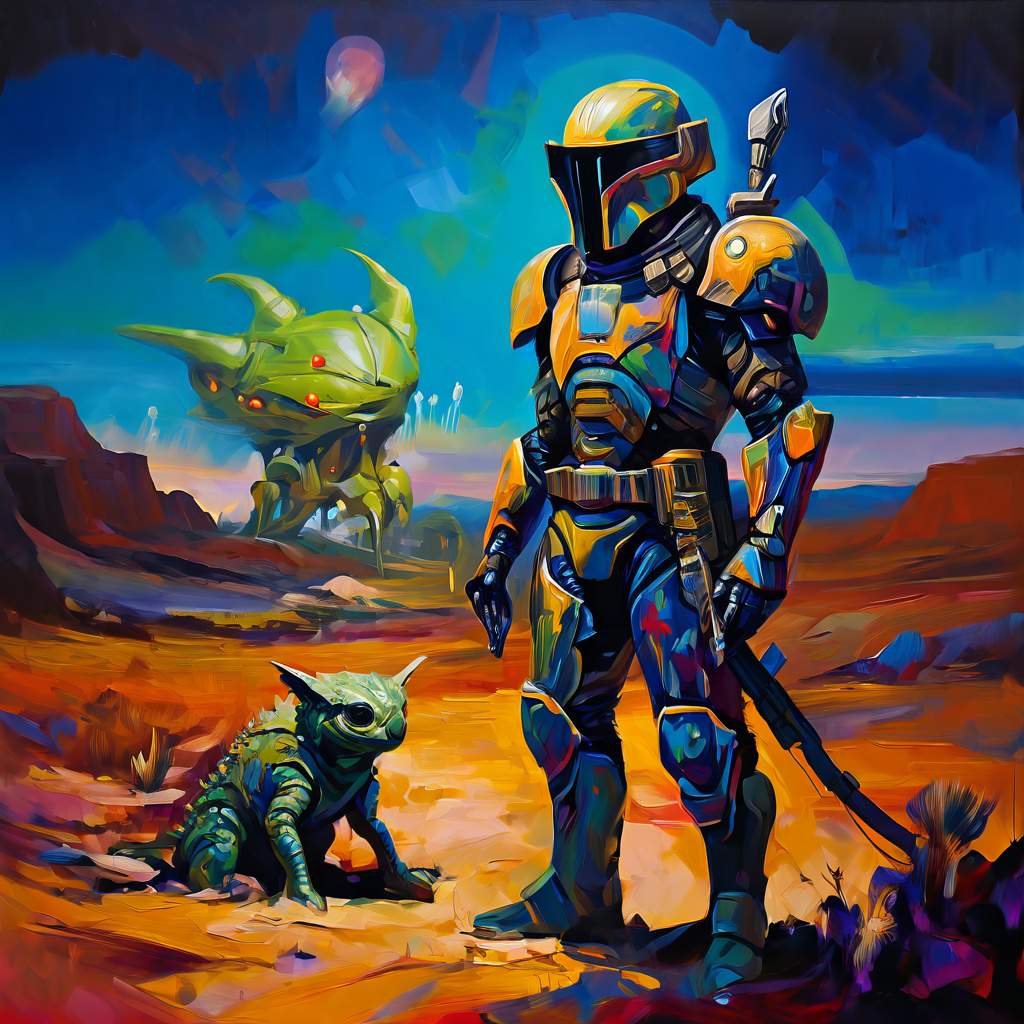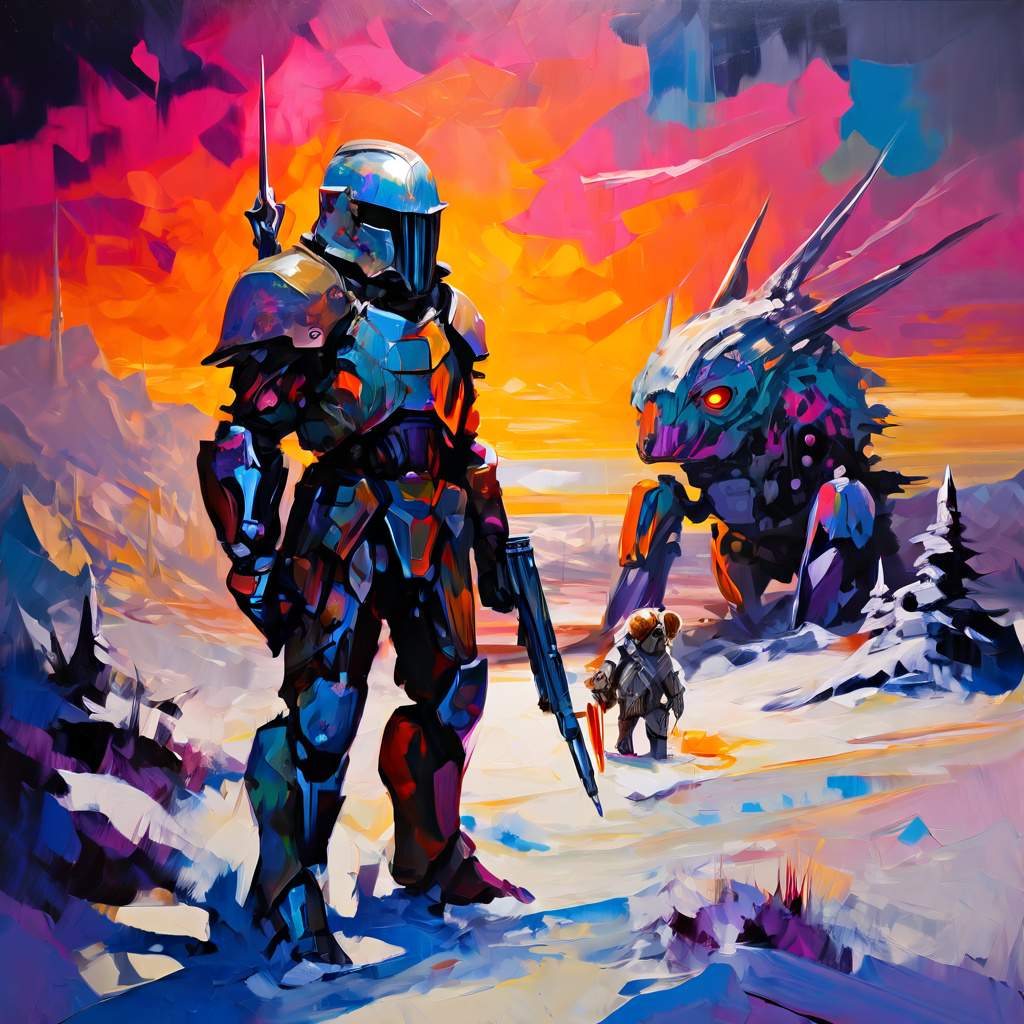
The Mandalorian and Grogu Review: Dull and Mundane Star Wars Entry
The first wave of critical reactions to The Mandalorian and Grogu has emerged with harsh assessments, positioning the upcoming theatrical release as a surprisingly low-stakes entry in the Star Wars franchise. Slated for release on May 22, 2026, the film draws criticism for its inability to justify the transition from Disney+ streaming series to feature-length cinema, with reviewers noting significant pacing issues and a lack of narrative drive that renders its 132-minute runtime particularly taxing. The response suggests Lucasfilm’s return to theatrical Star Wars storytelling may face significant headwinds as the studio navigates the post-Skywalker Saga landscape.
Critical Reception and Ratings Breakdown
Reviews have characterized the film as exceptionally mundane by franchise standards, with /Film assigning a rating of 4 out of 10 and describing the experience as “low-energy, aimless, and downright ordinary.” Critics note that unlike previous divisive entries which at least maintained the status of cinematic events, this installment reportedly fails to generate sufficient tension or pulse-pounding action to justify its big-screen positioning. One reviewer noted checking their smartwatch health tracker during the screening and observing a “steady flatline,” indicating a complete absence of adrenaline or emotional engagement throughout the feature.
The criticism extends to the film’s fundamental identity, with comparisons drawn to Solo: A Star Wars Story regarding its unclear target demographic and apparent identity crisis. Where previous Star Wars installments, regardless of quality, maintained clear creative intentions and audience targeting, this release appears to suffer from an inability to define its purpose beyond corporate risk management following the divisive reception to The Rise of Skywalker.
Narrative Structure and Pacing Deficiencies
The plot structure has drawn particular scrutiny for resembling a series of video game fetch quests rather than a cohesive cinematic narrative. The story follows Pedro Pascal’s Din Djarin hunting Imperial fugitives before being tasked by New Republic Colonel Ward, played by Sigourney Weaver, with locating and arresting the mysterious Commander Coin. This mission necessitates confrontation with the Hutt crime family to recover Rotta, voiced by Jeremy Allen White, leading to a series of disconnected encounters involving crime lords, gladiatorial arenas, and monsters that fail to cohere into a meaningful arc.
Reviewers emphasize that the 132-minute runtime feels artificially stretched, comparing the experience to “three or four poorly-paced episodes of The Mandalorian expanded to feature length.” The pacing suffers from fits and stops that test audience patience, with only the snowy opening sequence featuring Imperial AT-ATs and the final act’s relentless action serving as moments that justify the IMAX release format. The remaining footage has been described as feeling indistinguishable from a “Disney+ Original” streaming production, lacking the visual and narrative scope expected of theatrical Star Wars releases.
Characterization issues compound these structural problems. Din Djarin’s ever-present helmet prevents audience connection or emotional investment, while Grogu functions as a largely mute presence with minimal interiority. The narrative progression relies entirely on external plot mechanics rather than organic character decisions, creating a passive viewing experience where protagonists react to circumstances rather than driving the story forward.
Cast, Characters, and Creative Team
The production features several notable performers and behind-the-scenes talent, though reception to their contributions varies significantly:
- Pedro Pascal as Din Djarin: Critics describe the lead actor as appearing “checked out,” matching the film’s overall low-energy tone
- Sigourney Weaver as Colonel Ward: Serves as the New Republic contact issuing the primary mission
- Jeremy Allen White as the voice of Rotta: Performance noted as distractingly voiced, integral to the plot
- Brendan Wayne and Lateef Crowder: Physical performers for the Mandalorian, receiving namechecks in the end credits for their stand-in work
- Steven Blum: Voices the fully-CGI character Zeb Orrelios, criticized as visually unconvincing
- Jon Favreau: Director and co-writer, described as a “loyal and reliable company man” working within conservative parameters
- Dave Filoni and Noah Kloor: Co-writers alongside Favreau, with the trio accused of aiming for safety over cinematic ambition
- Ludwig Göransson: Academy Award-winning composer, receives universal praise for elevating the material with a tremendous score ranging from synth to orchestral arrangements
Theatrical Release and Franchise Implications
Despite the negative critical response, The Mandalorian and Grogu maintains its theatrical release date of May 22, 2026, with distribution planned for IMAX and standard formats. The timing positions the film within Lucasfilm’s cautious rebuilding phase following the abrupt halt to post-Skywalker Saga plans nearly seven years prior. Studio executives reportedly pursued a “safe, back-to-basics, and entirely inoffensive” approach designed to avoid the online discourse and merciless memes that followed previous divisive entries.
However, critics argue this risk-averse strategy has produced a film that “can’t swing and miss if it never bothers taking the bat off your shoulders,” resulting in a theatrical experience that fails to earn its big-screen status. The lack of tangible stakes, combined with mundane execution of classic Star Wars tropes, raises questions about the franchise’s theatrical future and whether future installments can recapture the sense of event cinema that has historically defined the property. The score’s quality notwithstanding, the production suggests significant challenges ahead for Lucasfilm’s theatrical ambitions.
What’s After the Movie
Looking for comprehensive coverage of upcoming releases and industry analysis? What’s After the Movie serves as your all-around destination for film information, including detailed box office data, spoiler-free summaries, ending explanations, trailers, reviews, and breaking entertainment news. Stay updated on the latest developments in the Star Wars universe and beyond by visiting whatsafterthemovie.com and exploring our complete movie database.