Late Shift (2025) Reviews and Reception: Is This Nursing Drama Worth Watching?
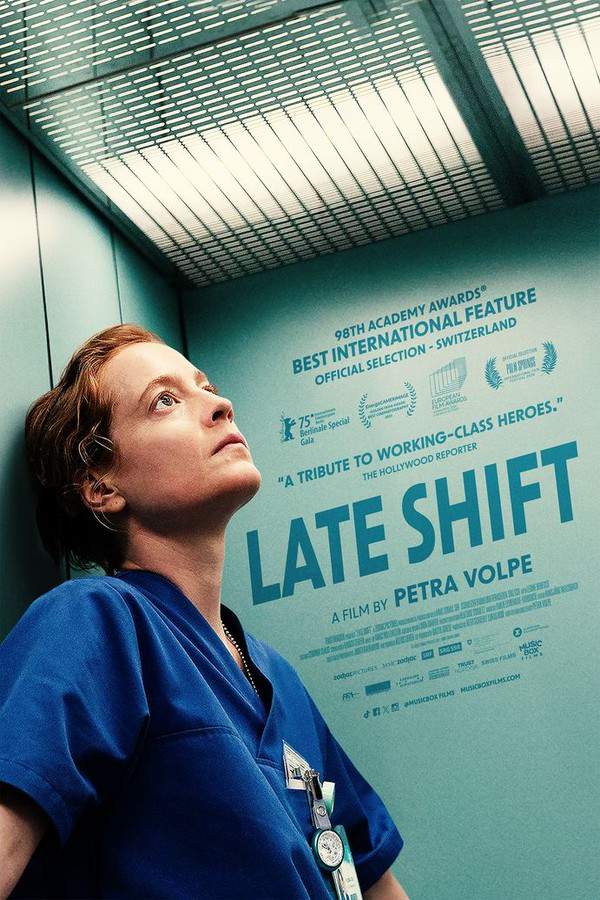
When Late Shift (originally titled Heldin, meaning “heroine” in German) emerged as Switzerland’s official submission for the 98th Academy Awards, it immediately positioned itself as one of the most talked-about international films of 2025. Directed by Petra Volpe and anchored by a powerhouse performance from Leonie Benesch (fresh off her acclaimed turn in The Teachers’ Lounge), this medical drama strips away the glamour of hospital procedurals to deliver what many are calling the most visceral depiction of nursing since The Pitt hit HBO. But does this relentless, single-night chronicle of an overworked nurse translate into essential viewing for general audiences, or does it collapse under the weight of its own social realism?
At What’s After the Movie, we’ve analyzed hundreds of Late Shift reviews across critical aggregators and user platforms to bring you the definitive breakdown of this polarizing film’s reception. From Metacritic scores to impassioned Letterboxd reactions, the discourse surrounding Late Shift reveals a fascinating tension between critics seeking narrative innovation and audiences craving authentic representation of healthcare worker trauma. Whether you’re searching for a spoiler-free review before your next cinema trip or diving deep into film analysis, understanding the critical consensus and viewer reactions is essential for navigating this intense cinematic experience.
Critical Consensus and Metacritic Reception: Navigating the Scores
The Late Shift critical consensus presents a fascinating case study in how modern film criticism grapples with social issue cinema. With scores ranging from 50/100 at Slant Magazine to 80/100 across Variety, Screen Daily, The Film Verdict, and Next Best Picture, the film sits at a respectable but contentious 73% average on major aggregators—suggesting a movie that accomplishes its goals with technical precision while leaving some critics questioning its narrative approach.
Variety’s review encapsulates the film’s procedural strengths, describing it as possessing “cool, propulsive procedural tracking of ward activity” that “quite sufficiently makes its point regarding the monumental challenge and value of Floria’s work.” This sentiment echoes across multiple critic reviews, with Screen Daily praising it as “a shot in the arm of undiluted empathy for the over-stretched, under-valued nursing profession,” despite noting it remains “occasionally schematic, albeit only in the service of pricking our consciences.”
However, the Late Shift film reception isn’t without its detractors. Slant Magazine delivered the harshest critique, arguing that “for all its empathy, Late Shift upholds the dubious virtue of self-sacrifice that underpins the Protestant work ethic.” This ideological reading suggests the film may inadvertently glorify the very systemic exploitation it seeks to critique—a fascinating tension that healthcare workers themselves have debated in user reviews. Meanwhile, IndieWire (58/100) landed in the middle, praising Benesch’s shoulders-mounted performance while lamenting that “it’s just a shame she isn’t given more of a movie to act in,” implying the documentary-like realism might sacrifice dramatic structure for authenticity.
The Film Verdict perhaps best articulated the film’s genre-bending appeal, categorizing Late Shift as “job-horror with a stranglehold,” noting its “breathless, anxious rhythm designed to jangle the staunchest nerves.” This classification as workplace horror rather than traditional medical drama explains why Next Best Picture argued that “many audiences may shy away from projects like Late Shift because its realism is too unsettling, but that’s exactly why it’s necessary in the first place.” For viewers checking Box Office Mojo figures or browsing our Awards section for Oscar predictions, this critical split between “necessary viewing” and “schematic storytelling” defines the film’s festival circuit journey.
Leonie Benesch’s Performance: The Universal Praise Across Late Shift Reviews
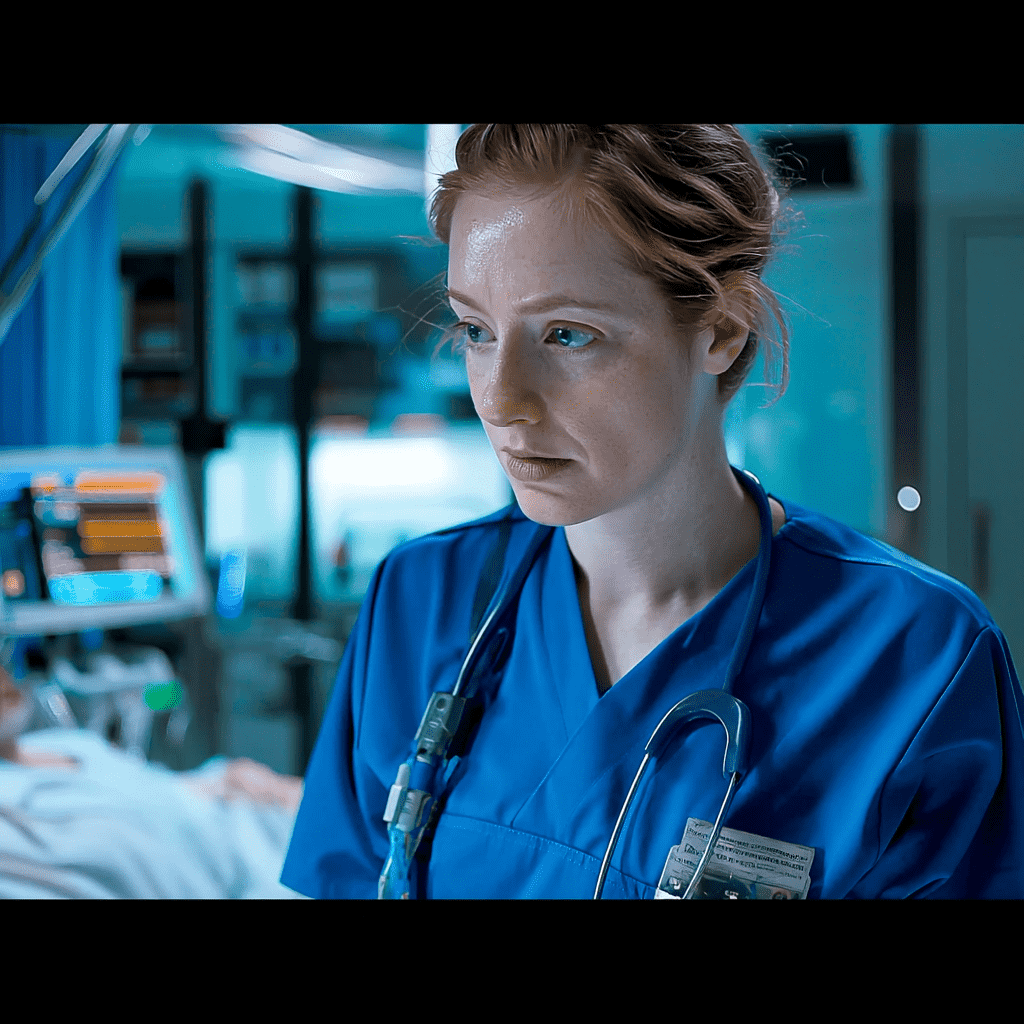
If there’s one element generating unanimous acclaim in Late Shift reviews, it’s Leonie Benesch’s transformative portrayal of Floria, the senior nurse navigating an impossible night shift. The Guardian (60/100) may have had mixed feelings about the film’s structure, but conceded that “Benesch brings a tough, smart, credible presence” that anchors every frame. This assessment barely scratches the surface of the critical consensus surrounding what many are calling a career-defining performance.
IndieWire’s observation that the film is “carried on Benesch’s shoulders” becomes literal in the film’s claustrophobic camerawork, which rarely leaves her side. User reviewer Vince Q drew immediate comparisons to her previous work, stating she “gives us a performance to rival her work in Babylon Berlin (2017) and The Teacher’s Lounge (2023), where she garnered the equivalent of a German Academy Award.” This trajectory—from German television prestige to international art-house recognition—positions Benesch as one of Europe’s most compelling screen presences, a fact we track closely in our Person Profiles section.
What makes Benesch’s work particularly remarkable, according to The Irish Times (80/100), is her ability to navigate the film’s tonal shifts: “Benesch carries us compellingly through those narrative convulsions to an ending that makes an epic of the everyday.” Even when the script veers toward “medical soap” territory (as the reviewer noted regarding Floria’s “meltdown”), Benesch maintains a grounded authenticity that prevents melodrama. This skill proves essential for a film that user George Z described as “an immersive drama, that feels like a documentary” with “no back story”—a slice-of-working-life approach that demands the lead actor provide decades of implied history through sheer physical presence.
The audience reactions on platforms like Letterboxd and IMDb (where user Sameir A noted a 7.9/10 rating) consistently highlight Benesch as the primary reason to seek out the film. User MB C described her turn as “quietly powerful,” praising how she transforms “routine medical duties into a tense human drama.” For those browsing our Movie Collections or compiling Movie Lists of 2025’s best performances, Benesch’s Floria belongs in any serious conversation about the year’s acting highlights, regardless of whether Late Shift itself cracks your personal top ten.
Audience Reactions vs. Critic Scores: The Healthcare Worker Perspective
Perhaps the most striking aspect of Late Shift’s reception is the chasm between critical reservations about “schematic” storytelling and the overwhelming emotional response from actual healthcare professionals. While critics debated narrative sophistication, nurses and hospital workers flooded review platforms with visceral, often painful affirmations of the film’s accuracy—a reminder that viewer reactions sometimes matter more than critic reviews when measuring a film’s cultural impact.
User Caroline M’s detailed testimony stands as perhaps the most significant Late Shift review for understanding the film’s real-world resonance: “I’ve never seen anything so close to the reality of a nursing shift. It should be obligatory watching for government ministers and hospital managers because at the moment they don’t have a clue why we leave in droves.” Her impassioned critique of healthcare administration—“Their poor understanding of the reality of nursing leaves them making decisions and coming up with solutions that are doomed to failure”—transforms the film from entertainment into advocacy. She notes the almost fantastical elements (from a UK perspective) like functioning windows and paid overtime, highlighting how Late Shift’s “reality” actually underplays the exploitation many nurses face.
This authenticity explains why user Helen R declared it “so real” and essential for understanding “the risks of health care,” while user Fong K emphasized the original title Heldin as a “heartfelt tribute to the overworked nurses in understaffed hospitals all over the world.” The fan opinions coalesce around a shared recognition: Volpe’s camera captures the “marathon of responsibilities” that feels, as Fong K describes, “akin to navigating menacing circumstances in a thriller.”
Critics like Slant Magazine may critique the film’s “Protestant work ethic” undertones, but healthcare workers like Caroline M validate that representation precisely because it reflects their lived experience of expected self-sacrifice. “Who in their right mind would miss this?” she asks rhetorically, describing the physical impossibility of working until age 67 at “this physical and mental pace.” For audiences wondering is Late Shift worth watching, the answer from medical professionals seems unanimous: it’s not just worth watching—it’s required viewing. Check out our Quizzes and Games section to test your knowledge of medical dramas after watching.
The “Job-Horror” Genre and Realism Debate: Authenticity vs. Entertainment
The Late Shift film analysis inevitably circles back to questions of genre and tone. The Film Verdict’s classification of the movie as “job-horror”—specifically “for audiences who are into job-horror with a stranglehold”—opens fascinating interpretive possibilities for how we categorize workplace cinema. Unlike the glamorized medical melodramas of Grey’s Anatomy or the mystery-driven narratives of The Pitt, Late Shift embraces what user George Z calls “day-in-the-life” cinema: “a slice of working life in a hospital” with “no back story” to provide narrative relief.
This commitment to realism creates the primary tension in Late Shift reviews. The Irish Times (80/100) noted that the film “does not go for full-on social realism,” pointing to “one wealthy patient [who] comes across as something of a cliche” and Floria’s eventual meltdown feeling “more at home in a medical soap than in a film that, elsewhere, strives for rigorous representation of working practices.” This criticism suggests Volpe occasionally sacrifices documentary authenticity for dramatic catharsis—a choice that may alienate viewers seeking pure verité.
However, Next Best Picture defends these moments as necessary: “Many audiences may shy away from projects like Late Shift because its realism is too unsettling, but that’s exactly why it’s necessary in the first place.” The film’s “breathless, anxious rhythm,” as The Film Verdict described it, serves a political purpose beyond entertainment. By transforming nursing into a thriller-like experience—where the stakes are life and death but the villain is systemic understaffing rather than a serial killer—Late Shift forces audiences to confront healthcare crises as immediate threats rather than abstract policy debates.
User MB C acknowledged these pacing issues in their spoiler-free review, noting “occasional repetition and a slightly forced finale,” yet concluded that “its realism and emotional depth shine through, offering a raw, empathetic look at the invisible weight carried by healthcare workers.” This tension between “repetition” (the reality of shift work) and “finale” (the demands of narrative cinema) defines the film’s reception. For viewers exploring our Movie Wiki or comparing Late Shift to similar Concert Films and documentaries in our database, the film occupies a liminal space between fiction and documentation that challenges traditional viewing expectations.
Oscar Buzz and Awards Season Potential: Switzerland’s Contender
As Switzerland’s official entry for the 98th Academy Awards, Late Shift enters the international film conversation with significant prestige, despite its modest scale. The Late Shift reception on the festival circuit—evidenced by the high-profile critics covering its premiere—suggests strong potential for recognition in acting categories and possibly International Feature Film, though its quiet, procedural nature may struggle against more overtly dramatic competitors.
User Sameir A positioned it as “a definite contender for one of the best of 2025,” while user Omesh S went further, declaring it “the kind of subtle masterpiece that is usually overlooked in film discussions” that “instantly catapulted up my best movies of the decade list.” Such hyperbolic audience reactions indicate the film generates passionate advocacy among those who connect with its message, even if it lacks the showiness typical of Oscar darlings.
The critical consensus suggests Benesch deserves individual recognition even if the film itself proves too niche for major awards. The Guardian’s praise for her “tough, smart, credible presence” aligns with the type of understated performances that occasionally break through in the Best Actress race, particularly in years where voters seek authenticity over transformation. For those tracking Awards season predictions and Box Office performance of international cinema, Late Shift represents the kind of socially conscious filmmaking that Academy voters historically respect, even if they don’t always reward it with statuettes.
The film’s Oscar submission also contextualizes its release strategy. As user Fong K noted, this is “Switzerland’s Oscar submission,” explaining its limited theatrical rollout and subsequent push for streaming availability. For international film fans browsing our Movie Lists of Oscar submissions or exploring Movie Collections of medical dramas, Late Shift offers a distinctly European perspective on healthcare crises that complements American counterparts like The Pitt while maintaining a specifically Swiss cultural identity.
Conclusion: The Lasting Impact of Late Shift’s Reception
The Late Shift reviews and audience reactions paint a portrait of a film that succeeds precisely where it risks failure. While critics debate its “schematic” structure and occasional forays into melodrama, healthcare workers validate its depiction of nursing as “a permanent emergency” (The Film Verdict). While some viewers may find its lack of traditional backstory alienating, others celebrate it as “a love letter to nurses” (user George Z) whose jobs are “in short supply worldwide.”
For those asking is Late Shift worth watching, the answer depends largely on your tolerance for cinematic discomfort. This isn’t escapist entertainment but rather what Next Best Picture called “necessary” viewing—cinema as social document and advocacy tool. Leonie Benesch’s performance alone justifies the ticket price, offering the kind of immersive, physical acting that lingers in memory long after the credits roll.
At What’s After the Movie, we recommend checking our summary page for detailed breakdowns of Late Shift’s themes and our movie page for updated reception metrics as the film expands from festivals to wider release. Whether you’re a healthcare professional seeking validation, a cinephile tracking 2025’s best films, or simply someone who appreciates film analysis that grapples with real-world issues, Late Shift demands attention—not because it’s perfect, but because it’s necessary.
The critical consensus may remain divided on its artistic merits, but the viewer reactions from those who’ve lived this reality speak with undeniable authority. In an era where healthcare systems worldwide face unprecedented strain, Late Shift offers more than entertainment—it offers understanding. And sometimes, as the film suggests, understanding is the most heroic act of all.
| Resource | Link |
|---|---|
| Late Shift Wikipedia | Wikipedia |
| Late Shift Rotten Tomatoes | Rotten Tomatoes |
| Late Shift Metacritic | Metacritic |
| Late Shift JustWatch | JustWatch |
| Late Shift Box Office Mojo | Box Office Mojo |
| Late Shift Letterboxd | Letterboxd |