Fast Forever Screenwriter Aims to Mirror Original Fast & Furious
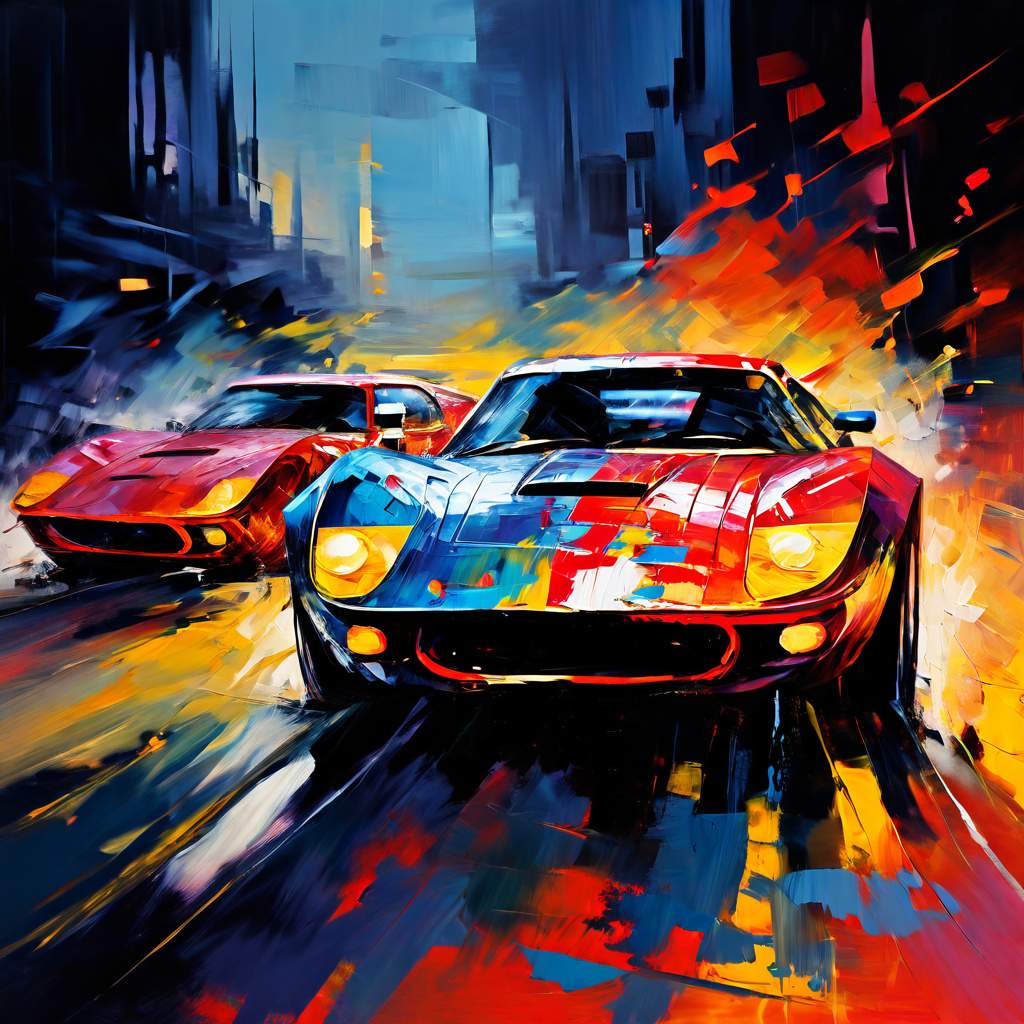
The Fast & Furious franchise appears poised for a dramatic detour. After years of escalating spectacle that launched vehicles into orbit and sent cars careening off cliffs with physics-defying abandon, the eleventh installment may return to asphalt-level storytelling. Oren Uziel, the screenwriter attached to the upcoming “Fast Forever,” has revealed intentions to strip away the superheroic excess that has defined recent chapters, potentially steering the multi-billion dollar property back toward the gritty street-racing roots that launched the series over two decades ago.
This creative pivot comes at a critical juncture for Universal Pictures. Following the costly turbulence of “Fast X” and its cliffhanger conclusion, the studio faces the dual challenge of delivering a satisfying franchise finale while recalibrating a property that many critics and audiences feel has strayed too far from its original identity. Uziel’s vision suggests a deliberate contraction of scope, favoring practical automotive mechanics and intimate character dynamics over the globe-spanning espionage and cyber-warfare that have dominated recent films.
From Space to Street: A Franchise at the Crossroads
The trajectory of the Fast & Furious saga represents one of Hollywood’s most extreme examples of mission creep. What began in 2001 as a modestly budgeted thriller about Los Angeles thieves stealing electronics from moving trucks has metastasized into a series where characters pilot Pontiac Fieros into actual space. This evolution, while financially lucrative for several installments, has increasingly tested audience suspension of disbelief.
Uziel specifically referenced the notorious orbital sequence from “F9”—where Tej and Roman launched a rocket-propelled car to destroy a satellite—as emblematic of the escalation that necessitates a retreat. The writer emphasized the need to bring the series “back down to earth,” suggesting that after literal space travel, the only logical direction is toward grounded reality. This philosophy would represent a fundamental rejection of the cartoonish physics that allowed vehicles to swing between cliffs or chase submarines across ice fields.
The industry has witnessed similar tonal corrections in other long-running franchises, often implemented to combat audience fatigue and ballooning production costs. By returning to the franchise’s foundational elements, Universal hopes to recapture the tension and automotive authenticity that made the original film a surprise hit while retaining the star power of Vin Diesel and the ensemble cast.
The Turbulent Legacy of Fast X
Understanding the mandate for change requires examining the instability that plagued “Fast X.” The production faced significant upheaval when original director Justin Lin exited the project midway through filming due to creative differences, a departure that required emergency intervention. Louis Leterrier stepped in to complete principal photography, but the transition was not seamless, with reports indicating that at least one major action sequence was filmed without a director officially attached to the production.
The financial figures reflect this chaos. “Fast X” carried a staggering production budget of $378.8 million, ranking among the most expensive films ever produced. Despite this massive investment, the film underperformed relative to franchise benchmarks, grossing $714.4 million worldwide. While substantial by general standards, this total falls noticeably short of the billion-dollar thresholds established by “Furious 7” and “The Fate of the Furious,” creating pressure to deliver a more cost-effective sequel.
Key production challenges included:
- The mid-production departure of director Justin Lin following creative differences
- Louis Leterrier’s emergency hiring to complete filming and post-production
- A $378.8 million budget that strained profitability margins
- Multiple cliffhangers requiring resolution in the subsequent film
- Chaotic shooting schedules that included unsupervised filming of major set pieces
These factors collectively created an imperative for “Fast Forever” to operate more efficiently while still delivering the high-octane sequences audiences expect.
Fast Forever: Release Date and Production Status
Universal officially titled the eleventh film “Fast Forever” in January, confirming that the saga would continue despite the previous installment’s lukewarm commercial reception. The studio has scheduled the film for a March 2028 theatrical release, establishing a four-year development window that suggests a deliberate, careful approach to pre-production rather than the rushed timelines that plagued earlier entries.
In April 2024, the studio announced that Oren Uziel would pen the screenplay, bringing genre versatility to the project. Uziel’s credits include action-comedies like “22 Jump Street” and “The Lost City,” franchise extensions such as “Mortal Kombat” and “The Cloverfield Paradox,” and the upcoming television series “Spider-Noir,” where he serves as developer and showrunner. This diverse background suggests experience balancing established IP expectations with fresh creative directions.
However, the writing situation remains complicated. Reports indicate that other screenwriters have joined the project since Uziel’s initial hiring, meaning the final script may represent a synthesis of multiple voices rather than Uziel’s singular vision. This collaborative approach is standard in modern franchise filmmaking but introduces uncertainty regarding how thoroughly the “back to basics” philosophy will permeate the theatrical cut.
Oren Uziel’s Creative Vision: A Return to Practicality
In recent interviews, Uziel articulated a specific mandate for the sequel: make it resemble the original 2001 film more than any other entry in the twenty-three-year chronology. The writer hopes “Fast Forever” will prove most similar to “The Fast and the Furious,” emphasizing the need to reconnect with the franchise’s foundational DNA. This approach would eschew the international espionage and world-ending stakes of recent plots in favor of intimate, street-level crime narratives focused on racing culture and heist mechanics.
The screenwriter specifically highlighted the importance of practical automotive culture, noting that “the cars are so practical” and advocating for renewed focus on “engines and gears.” This suggests a return to stunt work featuring actual vehicles rather than CGI-enhanced spectacle, where driving skill and mechanical knowledge matter more than impossible physics or vehicle-mounted gadgetry. Such a shift would address longstanding criticism that the series has abandoned its core identity as a car culture celebration.
This proposed return to form would require significant restraint from a franchise accustomed to ever-larger set pieces. After featuring cars leaping between skyscrapers and fighting nuclear submarines, the challenge lies in making a simple street race feel equally consequential. If successful, “Fast Forever” could serve as both a satisfying conclusion to the current saga and a spiritual homecoming for fans who have missed the series’ humbler beginnings.
About What’s After the Movie
What’s After the Movie is your comprehensive destination for film and television coverage, offering in-depth box office analysis, spoiler-free summaries, ending explanations, and breaking industry news. Whether you’re tracking upcoming release dates like Fast Forever’s March 2028 premiere or exploring our extensive database of franchise information, we provide the context you need to navigate the entertainment landscape. Visit our movie database for complete filmographies, check our box office section for financial performance data, or read our blog for the latest updates on your favorite franchises.
![New Faces of Death Is a Meta Slasher, Not a Remake [Exclusive]](https://whats-after-the-movie-ti152.sevalla.storage/article/faces-death-2026-meta-horror-interview.jpg)