What Is White Bird About?
The premise of White Bird in 276 words, with nothing given away. The full story follows below.
In the quiet aftermath of a disciplinary episode, Julian finds himself navigating a new school that feels both unfamiliar and unforgiving. Fresh from an expulsion that left his confidence rattled, he is forced to confront the social expectations of a place where blending in seems synonymous with survival. The atmosphere is tinged with adolescent tension, the hallways echoing with the unspoken rules that dictate who belongs and who remains on the periphery.
A visit from his grandmother, Sara, brings a shift in perspective. Arriving from Paris with stories folded into the lines of her face, she senses his struggle and chooses to share a memory that stretches far beyond the present classroom. Her voice carries the weight of another era, inviting Julian—and the audience—to step into a world where ordinary acts of kindness held extraordinary significance.
The recollection transports us to Nazi‑occupied France, where a young Jewish girl was hidden from danger by a brave classmate, Julien Beaumier. In a modest barn tucked away from prying eyes, daily lessons become a bridge between two lives, revealing a quiet courage that blooms in the shadows of oppression. The tone of this past is both tender and tense, a juxtaposition of youthful curiosity against a backdrop of uncertainty, underscoring how a single compassionate gesture can ripple outward in ways unseen.
Back in the present, Julian listens, the resonance of his grandmother’s tale stirring a dormant sense of responsibility. The film balances the immediacy of teenage turmoil with the lingering echo of history, suggesting that the moral compass we inherit may guide us toward a more considered path, even as the story pauses before any concrete steps are taken.
What Happens in White Bird?
The complete story of White Bird, from the first scene to the last, in 249 words (about 1 minute). Spoilers throughout. Names in the text link to 3 cast member pages.
Spoilers ahead
Following the events of Wonder, Julian has left Beecher Prep for good. He is visited by his grandmother Sara from Paris; in response to Julian’s reflection about having to be socially passive in order to fit in at his new school, she recounts her childhood as a young Jewish girl in Nazi-occupied France during World War II.
In 1942, Sara evades a Gestapo roundup and spends over a year being hidden with the help of her classmate Julien Beaumier. Julien’s parents conceal Sara in a barn next to their house. The Beaumiers tell Sara that she must never go outside, lest she be discovered by their neighbors whom they suspect of being Gestapo or Milice informers.
Each night, Julien teaches Sara what he learned at school that day. The affection between them eventually grows into love.
In 1944, after the liberation of Monte Cassino, Julien is arrested by the Milice at a checkpoint on his way to school and transported to a remote camp in the mountains. During an escape attempt by other prisoners, Julien is shot dead. After the war, Sara is reunited with her father, Max, but learns that her mother was killed at Auschwitz. Some time later, Max accepts a new job in Paris. He and Sara move there, but she makes sure to preserve her friendship with the Beaumiers and visits them often.
Back in the present, Julian, moved by his grandmother’s story, decides to make amends with his past and become a better person.
White Bird Timeline: Every Key Event in Order
12 key events in the order they happen, from “Julian leaves Beecher Prep; Sara visits” to “Present-day resolve: Julian seeks amends”. 12 events name a place, across 9 locations.
- 1
Julian leaves Beecher Prep; Sara visits
Julian has left Beecher Prep for good, signaling a new chapter in his life. He is visited by his grandmother Sara, who has come from Paris to share memories from her past. The encounter becomes a catalyst for reflecting on how easily someone can hide behind social performance.
When:Present day Where:Julian's home
- 2
Sara begins recounting WWII childhood
Sara recounts her childhood as a young Jewish girl living under Nazi occupation in France. Her story unfolds as a response to Julian's reflection on social passivity and the price of fitting in. The narrative shifts between the present and flashbacks to wartime days.
When:Present day Where:Julian's home
- 3
1942: Sara evades Gestapo roundup
In 1942, Sara evades a Gestapo roundup and flees into hiding. She relies on a few trusted allies to survive, staying one step ahead of the danger that pursues her. The precariousness of her situation frames the harsh realities of occupation.
When:1942 Where:Nazi-occupied France
- 4
Hidden in the Beaumiers' barn
Sara is concealed by Julien Beaumier’s family in a barn beside their house. The Beaumiers drill into her the need to stay hidden and quiet to avoid discovery by neighbors who may be informers. The isolation of hiding creates a fragile, intimate bond with her hosts.
When:1942-1943 Where:Beaumiers' barn, France
- 5
Nightly lessons and growing closeness
Each night, Julien teaches Sara what he learned at school, using the quiet of the barn as a classroom. Their routines bring comfort amid danger and give Sara a sense of normalcy. The shared nights accelerate a deepening trust between them.
When:1942-1943 Where:Beaumiers' barn
- 6
Love grows between Sara and Julien
What begins as protection and companionship grows into a forbidden love. The relationship sustains them through the long months of hiding and fear. Their bond becomes a quiet beacon in an otherwise dark period.
When:1942-1943 Where:Beaumiers' barn
- 7
1944: Milice arrests Julien
In 1944, following the intensified crackdown after the Monte Cassino battles, Julien is arrested by the Milice at a checkpoint on his way to school. The security crackdown fractures the safety of the hiding place. The risk of capture looms large over every day.
When:1944 Where:Occupied France (checkpoint on the way to school)
- 8
Julien's death in a mountain camp
During an escape attempt by other prisoners, Julien is shot dead. The loss marks a devastating turning point for Sara and the fragile world they built in hiding. The mountains remain a backdrop to tragedy and survival.
When:1944 Where:Remote camp in the mountains
- 9
Post-war reunion; mother's fate revealed
After the war, Sara is reunited with her father Max. She learns that her mother was killed at Auschwitz, a revelation that profoundly shapes her view of family and loss. The war's consequences linger long after fighting ceases.
When:Post-war Where:France
- 10
Max finds work in Paris; new start
Max accepts a new job in Paris, and he and Sara move there to start anew. The move marks a shift from rural hiding to urban rebuilding. Paris becomes the stage for rebuilding their lives after trauma.
When:Post-war Where:Paris
- 11
Sara preserves friendship with the Beaumiers
Sara maintains her friendship with the Beaumiers and visits them often, keeping a connection to the family who sheltered her. The bond endures beyond the war and into peaceful life in France. These visits symbolize continuity amid change.
When:Post-war Where:France
- 12
Present-day resolve: Julian seeks amends
Back in the present, Julian is moved by his grandmother's story and decides to become a better person. He resolves to make amends with his past and to change his own path. Sara's life lessons catalyze a hopeful commitment to growth.
When:Present Where:Present day
Who Are the Main Characters in White Bird?
4 characters, among them Grandmére, Julien Beaumier and Sara Blum (Young): who each one is and the part they play in the story. Every profile links to the actor’s page.
-
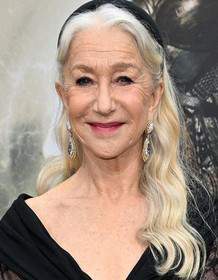
Grandmére
Played by Helen Mirren
A wise elder who preserves the family’s memory of wartime sacrifice. She recounts the WWII years to Julian, acting as a bridge between past and present. Her storytelling guides younger generations toward understanding, forgiveness, and courage.
- 🧭 Generational Wisdom
- 🕯️ War Memories
- ❤️ Family
- JB
Julien Beaumier
Played by Orlando Schwerdt
A classmate with a paralyzed leg from poliomyelitis who shelters Sara and teaches her at night. His acts of courage and kindness deepen their bond and become a catalyst for Julian’s own growth and moral choices. He embodies quiet bravery amid danger and challenges social expectations.
- 🛡️ Courage
- ❤️ Romance
- 🗺️ WWII France
- SB
Sara Blum (Young)
Played by Ariella Glaser
A young Jewish girl hidden from the Gestapo in Nazi-occupied France. Her experiences endure in memory, shaping future generations and underscoring the cost of war. Her resourcefulness and courage under threat demonstrate the resilience of the human spirit.
- 🕯️ Survival
- 🇫🇷 Jewish Heritage
- 💪 Resilience
- MB
Max Blum
Played by Ishai Golan
Sara’s father, a protective and devoted parent who endures danger to keep his family safe. After the war he reunites with Sara and helps start a new life in Paris, symbolizing renewal and rebuilding. He embodies steadfast commitment to family and resilience in the face of loss.
- 👨👧 Family
- 🛡️ Protector
- 🇫🇷 Post-war Paris
Where and When Is White Bird Set?
White Bird is set in Paris, Beecher Prep and Monte Cassino (Italy) (1942–1944; present day). Here is why the time and place matter to the story.
When
1942–1944; present day
World War II frames the central flashback: 1942–1944, Nazi-occupied France where Sara hides and Julien's family risks everything. The narrative also shifts to the present day, following Julian at Beecher Prep as he confronts his past and strives to become a better person. This juxtaposition emphasizes how history continues to shape identity across generations.
Where
Paris, Beecher Prep, Monte Cassino (Italy)
Set in Nazi-occupied France during 1942–1944, with Sara hiding at the Beaumiers' barn near Paris and pursued by Gestapo and Milice. The film also references the Monte Cassino campaign as a turning point in the war. In present day, Julian's life at Beecher Prep in the United States contrasts with those memories, linking generations through memory and forgiveness.
- 🇫🇷 Paris
- 🏫 Beecher Prep
- 🗺️ WWII France
What Are the Themes of White Bird?
3 ideas the story keeps returning to, among them War and Resilience, Memory and Recollection and Love in Adversity.
-
01
War and Resilience
The story centers on how ordinary people endure extraordinary danger. Sara's hiding, Julien's courage, and the Beaumiers' risky hospitality illustrate resilience under occupation. Across generations, acts of survival become a guiding light for courage, forgiveness, and rebuilding after trauma.
-
02
Memory and Recollection
Grandmére’s retelling of the past acts as a bridge between generations, shaping how the present understands history. The narrative uses Sara’s WWII experiences to teach Julian about responsibility, empathy, and the cost of silence. Memory becomes a tool for healing and moral growth.
-
03
Love in Adversity
Love blossoms under threat, with Sara and Julien's bond growing amid danger and secrecy. That affection becomes a catalyst for personal change, guiding Julian toward accountability and compassion. The romance stands as a quiet form of resistance against hatred and dehumanization.
What Kind of Film Is White Bird?
Bittersweet in tone, with steady pacing and a straightforward story, going by the plot summary.
- Tone
- Bittersweet
- Pacing
- Steady
- Story
- Straightforward
- Intensity
- Medium
- Ending
- Bittersweet
A heartfelt and tense wartime drama that balances the terror of Nazi-occupied France with a tender coming-of-age love story, ultimately leaving a bittersweet but hopeful impression.
- tense
- hopeful
- tragic
- heartfelt
- courageous
- melancholic
- world war ii
- coming of age
- jews in hiding
- acts of kindness
Content notes: war violence, anti-semitism, death of a loved one, holocaust, imprisonment.
Quiz
How well do you remember White Bird? Test yourself on the story.