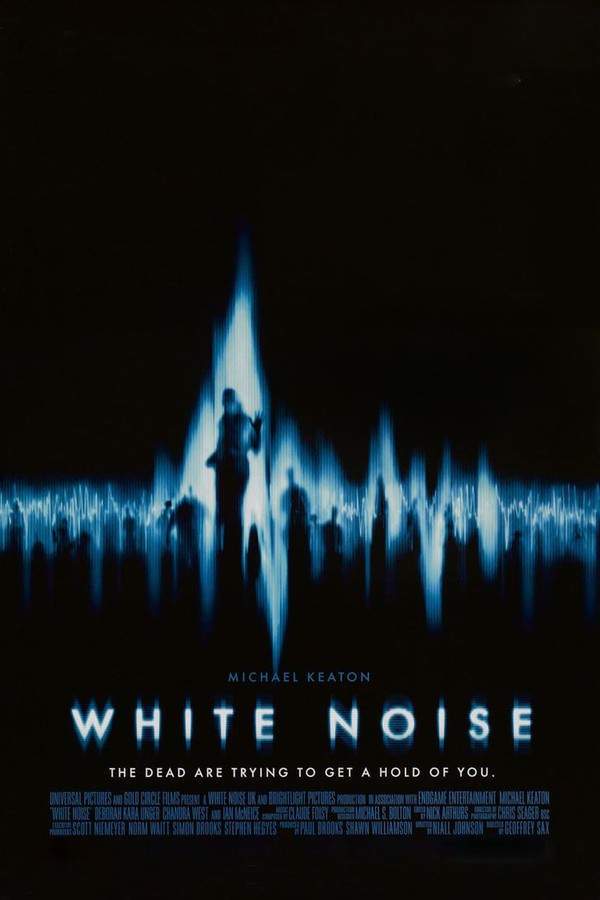
What Is White Noise About?
The premise of White Noise in 271 words, with nothing given away. The full story and the ending follow below.
In a quiet Ohio suburb, a peculiar household teeters between the ordinary and the uncanny. At its center is Jack Gladney, a college professor who has built a career around an oddly specific field of study, and his fourth wife Babette, who balances the demands of a blended family with a quiet unease about the future. Their home is full of children from previous relationships—Heinrich and Steffie, along with Denise and their infant son Wilder—each bringing their own quirks and viewpoints to the mix.
The family’s daily rhythm is a collage of academic debates, mundane chores, and the subtle undercurrents of hidden anxieties. Jack’s colleague, Murray Siskind, adds a layer of intellectual competition that underscores the characters’ preoccupations with legacy and meaning. Beneath the surface, whispers of secret habits and private fears hint at deeper concerns that each member carries, from the pressure to nurture growing children to the lingering dread of mortality.
Set against the backdrop of a world that feels both familiar and disorientingly volatile, the film blends dry wit with moments of genuine tenderness. Its tone swings effortlessly from darkly comic observations about consumer culture to reflective pauses that invite contemplation of what it means to lead a fulfilled life amid constant uncertainty. The humor is often absurd, the drama tender, and the atmosphere is tinged with an almost palpable sense of being watched by unseen forces.
Through this kaleidoscope of personalities, White Noise captures the paradox of modern existence: a search for happiness and purpose carried out in a house where love and laughter coexist with the strange, the secret, and the ever‑present hum of existential questioning.
What Happens in White Noise?
The complete story of White Noise, from the first scene to the last, in 646 words (about 3 minutes). Spoilers throughout. Names in the text link to 5 cast member pages.
Spoilers ahead
In 1984, Jack Gladney (Adam Driver), a professor specializing in a unique subject he created—“Hitler studies”—teaches at the College-on-the-Hill in Ohio. Despite his expertise, he finds himself struggling with the German language and discreetly takes basic lessons to prepare for an upcoming conference speech.
Jack shares his life with his fourth wife, Babette (Greta Gerwig), as they navigate the complexities of a blended family that includes Heinrich (Sam Nivola) and Steffie ([May Nivola]), his children from previous marriages, along with Denise (Raffey Cassidy), from Babette’s earlier relationship, and baby Wilder (portrayed by Henry and Dean Moore), their joint child. Although they lead what seems to be an ordinary life, Babette harbors concerns about the future, especially regarding how their children will cope once they grow up and move out.
Intriguingly, Denise becomes suspicious when she discovers Babette’s hidden stash of a mysterious drug called Dylar, which raises concerns since it doesn’t appear in standard prescription records. Meanwhile, Jack starts having unsettling dreams about an enigmatic figure attempting to kill him, echoing a previous conversation with Babette about their shared anxiety surrounding mortality. His colleague, Murray Siskind (Don Cheadle), a professor passionate about American culture, wishes to carve out his niche with “Elvis studies” and persuades Jack to join him in promoting their respective courses, leading to spirited debates about the parallels between Elvis and Hitler’s childhood experiences.
As Babette’s memory begins to falter, Denise reveals her concerns to Jack, highlighting that the drugs might be a factor. However, everything spirals when a catastrophic train accident releases a cloud of toxic chemicals over their town. Initially dismissive of any danger, Jack attempts to reassure his family that they will be safe from this so-called Airborne Toxic Event, which turns into widespread evacuation as the toxic cloud approaches. Caught in gridlock while trying to leave, they find their vehicle low on fuel and become increasingly desperate.
During the chaos, while seeking gas, Jack inadvertently exposes himself to the toxic cloud. Soon, their family is confined in a summer camp, where Denise tells Jack of his exposure. This leads to a grim realization that while they are currently safe, potential health impacts from the chemical exposure may not surface for decades. With escalating panic at the camp as families attempt to escape, the Gladneys find themselves in a precarious situation when their vehicle becomes trapped in a river.
After migrating to Iron City and confronting a man adamant about the media ignoring their plight, the family finally returns home weeks later, only for Jack to find his fears of death heightened due to his exposure. While life appears to stabilize, Babette morphs into a shell of her former self, appearing frail and emotionally detached.
Jack begins experiencing unsettling hallucinations of a balding man who seems to be shadowing him. Concerned about Babette’s condition, Denise shares her worries regarding the effects of Dylar. Upon confronting Babette, Jack learns that the drug is experimental and was part of a clandestine clinical trial aimed at treating the fear of death. After enduring a few months of a disgraceful arrangement to maintain access to the drug involving a shadowy figure known as Mr. Gray, Babette’s struggles come to light.
Fueled by curiosity and rage, Jack embarks on a quest to confront Mr. Gray. Ultimately, he discovers that this elusive figure is the very man tormenting his mind and, in a dramatic twist, Jack shoots him, placing the weapon to create a facade of suicide. Yet, their confrontation escalates, resulting in both Jack and Babette suffering injuries. After a sequence of mind-bending events, including their reconciliation, they end up at a peculiar hospital run by German atheist nuns.
In a heartwarming finale, the Gladneys re-enter a semblance of normalcy, shopping at their local A&P supermarket, where they find joy in dancing alongside other patrons, indicating that amid chaos, the simplicity of life still prevails.
White Noise Timeline: Every Key Event in Order
15 key events in the order they happen, from “Jack's Academic Struggles” to “Finding Normalcy Again”. 6 events name a place, across 6 locations.
- 1
Jack's Academic Struggles
In 1984, Jack Gladney, a professor specializing in 'Hitler studies', faces difficulties with the German language. To prepare for an upcoming conference speech, he discreetly enrolls in basic language lessons, showcasing his dedication to his work despite his challenges.
When:1984 Where:College-on-the-Hill, Ohio
- 2
Navigating Blended Family Life
Jack shares his life with his fourth wife, Babette, and their blended family, which includes his children from previous relationships and Babette's daughter. They strive to create a stable environment for their children amidst the complexities of their combined pasts.
- 3
Babette's Hidden Concerns
Babette secretly harbors anxiety about their children's future and life after they move out. Meanwhile, Denise, one of their daughters, stumbles upon a stash of a mysterious drug, Dylar, that raises further questions about Babette's state.
- 4
Jack's Disturbing Dreams
Jack begins to experience unsettling dreams about a figure attempting to kill him, reflecting his and Babette's fears about mortality. This leads to deep discussions about death and anxiety, which permeate their daily lives.
- 5
The Airborne Toxic Event
A catastrophic train accident occurs, releasing toxic chemicals over their town. Initially dismissive, Jack tries to assure his family of their safety, but panic ensues as the chemical cloud forces a widespread evacuation.
Where:Their town
- 6
Desperate Escape Attempt
Caught in traffic during the evacuation, Jack's family struggles with low fuel and mounting anxiety. Their attempts to escape the impending danger become increasingly frantic as the situation escalates and gridlock ensues.
- 7
Exposure to Toxic Chemicals
In the chaos of the evacuation, Jack inadvertently exposes himself to the toxic cloud while searching for gasoline. This event marks a turning point that casts a long shadow over the family's health and future.
- 8
Confined at the Summer Camp
The family finds themselves confined in a summer camp for evacuees. Denise informs Jack about the potential health risks from his exposure, leading to grim realizations about the long-term implications of the incident.
Where:Summer camp
- 9
Return to Iron City
After weeks of displacement, the Gladneys migrate to Iron City and confront an individual who insists on the lack of media coverage regarding their plight. Their return home soon follows, but Jack's fear of death intensifies due to his exposure.
Where:Iron City
- 10
Babette's Deteriorating Condition
Upon returning home, Jack notices a stark change in Babette, who has become emotionally detached and frail. This shift in her demeanor raises further concerns for Jack, compounding his anxieties.
Show the other 5 events of White Noise Hide the last 5 events
- 11
Confronting the Influence of Dylar
As Jack tries to understand Babette's precarious health, he learns from Denise about the potential dangers of Dylar. Confronting Babette reveals the drug’s roots in a clandestine clinical trial aimed at alleviating the fear of death.
- 12
Jack's Quest for Mr. Gray
Fueled by a mix of curiosity and anger, Jack embarks on a quest to confront Mr. Gray, the shadowy figure associated with Babette's drug. Eventually, he uncovers that Mr. Gray represents the tormenting specter that has been haunting his mind.
- 13
The Confrontation
Jack's confrontation with Mr. Gray culminates in a shocking twist when he shoots him in what appears to be a staged suicide. This encounter spirals out of control, resulting in injuries for both Jack and Babette.
- 14
At the Peculiar Hospital
After a series of mind-bending events, Jack and Babette find themselves at a peculiar hospital run by German atheist nuns. This surreal experience brings a new layer of complexity to their lives and their struggle for normalcy.
Where:Hospital
- 15
Finding Normalcy Again
In a heartwarming conclusion, the Gladneys rediscover a sense of normalcy while shopping at their local A&P supermarket. They experience a moment of joy dancing with other patrons, illustrating that life persists amidst chaos.
Where:A&P supermarket
Who Are the Main Characters in White Noise?
4 characters, among them Jack Gladney, Babette Gladney and Denise: who each one is and the part they play in the story. Every profile links to the actor’s page.
-

Jack Gladney
Played by Adam Driver
Jack is a professor who grapples with the absurdity of modern life and his own fears of death. As the head of a blended family, he faces internal and external challenges, revealing his vulnerabilities in the face of chaos.
- 👨🏫 Professor
- 😟 Anxious
- 🥴 Vulnerable
-

Babette Gladney
Played by Greta Gerwig
Babette is Jack's fourth wife, portrayed with depth as she struggles with her fading memory and a dark secret surrounding a drug to alleviate her fears. Her emotional distance reflects the overarching tension within the family.
- 👩👧👦 Mother
- 💔 Detached
- 💊 Troubled
-

Denise
Played by Raffey Cassidy
Denise, Jack's stepdaughter, is perceptive and concerned about her family's well-being. Her awareness of the potentially harmful effects of Dylar highlights her role as a truth-seeker amid the family's tumult.
- 👧 Observant
- 📚 Cautious
- 🧠 Intelligent
-

Murray Siskind
Played by Don Cheadle
Murray is a colleague of Jack, passionate about American culture and his Elvis studies. His character adds depth to the exploration of cultural obsession and the peculiar parallels drawn between idols and historical figures.
- 🎓 Collegiate
- 🎤 Enthusiastic
- 📖 Cultural Critic
Where and When Is White Noise Set?
White Noise is set in College-on-the-Hill, Ohio and Iron City (1984). Here is why the time and place matter to the story.
When
1984
The movie takes place in 1984, a year marked by significant social and technological changes. This period witnessed cultural shifts and an increasing awareness of environmental issues, framing the Gladneys' struggle against both personal and societal challenges.
Where
College-on-the-Hill, Ohio, Iron City
The College-on-the-Hill in Ohio serves as the academic backdrop where Jack Gladney teaches his unique subject. It's a typical college environment, embodying the challenges and dynamics of higher education. Iron City represents a place of struggle for the Gladneys as they navigate the chaos in their lives during the Airborne Toxic Event.
- 🏫 College
- 🌆 City
What Are the Themes of White Noise?
3 ideas the story keeps returning to, among them Mortality, Family and Crisis.
-
01
Mortality
Mortality serves as a central theme, explored through Jack's anxiety about death and Babette's struggles with an experimental drug aimed at alleviating such fears. The film delves into how fear of mortality impacts their family dynamics and individual psyches.
-
02
Family
Family is portrayed in its complexity, highlighting the challenges of a blended household. The Gladneys navigate their connections, fears, and the pressures from external circumstances that threaten their unity and well-being.
-
03
Crisis
The Airborne Toxic Event brings a crisis that tests the family's resilience. This theme emphasizes the unpredictability of life and the chaos that emerges during dire circumstances, forcing the Gladneys to confront their vulnerabilities.
How Does White Noise End?
The last act of White Noise and what it means, in 286 words. The ending lands as bittersweet. Big spoilers: read the plot summary first if you have not seen it.
The final act, in full
At the end of “White Noise,” Jack is told he is going to die from exposure to the toxic chemical rain, a realization that unsettles him deeply. Throughout the film, we see Jack grappling with the idea of death and the absurdity of life, amplified by the chaos and unpredictability surrounding him. The truth about Babette’s medication—Dylar—comes to light, revealing that she was secretly taking it in an attempt to eliminate her fear of death. She had been buying the drug from a mysterious man named Mr. Gray because the drug was supposedly part of a secret experiment that could remove the fear of dying. Babette’s secret romantic dealings and her medication are representations of the human desire to deny mortality, even if it means engaging in irrational or self-destructive actions.
Jack’s discovery that he is terminally exposed to the chemical forces him to confront the fundamental absurdity of existence — life is fragile, chaotic, and often meaningless. His shooting of Mr. Gray in a jealous rage stems from his inability to accept his wife’s secret and his fear of losing her, symbolizing how personal insecurities and existential dread intertwine. Despite everything, life goes on in its own incomprehensible way, with the family returning to everyday routines and the relentless cycle of death and rebirth. The film ends with Jack still haunted by the knowledge of his mortality, walking into an uncertain future, signifying that we all live within the “white noise” of life — a constant, indistinguishable hum of chaos and mortality that we try, often futilely, to ignore or deny. The story ultimately underscores that in a universe devoid of inherent meaning, our persistent search for certainty and security is both tragic and absurd.
What Kind of Film Is White Noise?
Dark in tone, with variable pacing and a complex story, going by the plot summary.
- Tone
- Dark
- Pacing
- Variable
- Story
- Complex
- Intensity
- High
- Ending
- Bittersweet
A darkly humorous and anxiety-inducing film that juxtaposes the absurd chaos of suburban family life with a profound philosophical dread of mortality, creating an unsettling and quirky viewing experience.
- anxious
- quirky
- existential
- paranoid
- chaotic
- unsettling
- existential dread
- family dynamics
- survival
- toxic disaster
Content notes: substance abuse, toxic exposure, gun violence, existential dread.
Quiz
How well do you remember White Noise? Test yourself on the story.