
The Trial 1962

Made by

Hisa-Film
The Trial Plot Summary
Read the complete plot summary and ending explained for The Trial (1962). From turning points to emotional moments, uncover what really happened and why it matters.
Josef K., Anthony Perkins, a careful bank clerk sharing a crowded apartment with several lodgers, is abruptly awakened by a stranger who slips into his bedroom without showing any ID. The man remains anonymous as Josef demands proof, and soon a squad of detectives crowd the space, informing him that he is under open arrest. They refuse to spell out the charges or even to take him into custody, leaving him in a state of suspended legality. In another room, three coworkers from his office sit quietly to testify about an unspecified crime, their presence underscoring the surreal, impersonal machinery that seems to govern his fate.
Seeking clarity, Josef talks with his landlady, Madeleine Robinson as Mrs. Grubach, and with his neighbor, Miss Bürstner, Jeanne Moreau, whose casual remarks offer no real answers and often deepen his unease. He then goes to his office, where his supervisor hints at impropriety with his teenage cousin, a charge that feels both ridiculous and damaging, illustrating how rumor and suspicion can function as tools of power and control. That evening he attends the opera, only to be abducted from the theater by a police inspector and carted to a courtroom where the case against him remains unstated and opaque, leaving him to confront a threat that never fully reveals itself.
Back at his office, Josef discovers the two officers who first visited him being whipped in a small room—a stark, brutal reminder of the system’s capricious cruelty. His Uncle Max, Max Haufler, suggests that he seek counsel from Hastler, a weary law advocate whose world-weary rhetoric makes the path to understanding feel like an endless maze, and Hastler is played by Orson Welles. The interview proves unsatisfying, with Hastler offering evasions that only deepen Josef’s sense of being swallowed by a procedural fog. Hastler’s failure to provide clear guidance propels Josef toward other channels that promise answers but frequently deliver only more questions.
Following Hastler’s lead, a suggested route is to consult Titorelli, a seasoned painter whose name is synonymous with a labyrinthine justice system. William Chappell portrays Titorelli, whose cautious, ritualized counsel seems designed to delay rather than resolve, leaving Josef adrift in a web of ambiguous loyalties. A brief moment of sanctuary arrives when Josef retreats to a cathedral and speaks with a priest; the spiritual assurance offered is fleeting, yet Hastler appears later in the same sacred space to corroborate the priest’s somber stance, further blurring the line between legal and moral truth.
On the eve of his thirty-first birthday, the nightmare intensifies. Two executioners seize him and lead him to a quarry pit where his clothing is partly stripped away. The men pass a knife back and forth, debating who will kill him, then hand the blade to the condemned man who refuses to take his own life. The executioners depart, and dynamite is hurled into the pit. Josef laughs in a moment of defiant, almost absurd amusement as smoke and a distant explosion billow upward, leaving his fate—and the fate of the entire courtroom drama—ambiguous and unresolved.
In this haunting encounter with power, guilt, and the fragility of truth, the film threads together intimate humiliation, bureaucratic theater, and a man’s quiet resistance against a system that never quite names the crime. The atmosphere stays with you: claustrophobic, dreamlike, and relentlessly persuasive in its insistence that justice, in its most human form, is never fully realized. The cast’s performances—supported by the stark, surreal visuals—create a meditation on innocence caught in an impersonal machine, where every step toward clarity slips away just as the lights fade.
The Trial Timeline
Follow the complete movie timeline of The Trial (1962) with every major event in chronological order. Great for understanding complex plots and story progression.
Wakeful arrest at Josef K.'s apartment
Josef K. is awakened by a man in a suit who does not identify himself as police. The intruder's presence signals an open arrest, and several detectives arrive to question him. They refuse to reveal the nature of any crime or charge, and they do not take him into custody.
Co workers summoned to witness the unspecified crime
In another room, three coworkers are brought in to provide evidence about the unstated crime. The scene underscores the opaque, arbitrary nature of the accusations against Josef. The detectives leave without clarifying the charges or the exact misdeeds.
Conversations with landlady and neighbor about the visit
After the detectives depart, Josef discusses the visit with his landlady Mrs. Grubach and his neighbor Miss Bürstner. They react with concern but offer little concrete information. The conversation deepens his confusion and sense of being watched.
Office visit and suspicion of improper relations
Josef goes to his office, where his supervisor hints that he may have had improper relations with his teenaged cousin. The offhand accusation compounds Josef's unease and blurs the line between personal life and the alleged case. The workplace atmosphere grows increasingly suspicious.
Abduction to the courtroom after attending the opera
That evening, Josef attends the opera, but is abruptly abducted from the theater by a police inspector. He is taken to a courtroom where he attempts to confront the still-unstated case against him. The sequence emphasizes the unpredictable power of the authorities.
Return to the office and discovery of the officers' punishment
Returning to his office, Josef finds the two police officers who first visited him being whipped in a small room. The brutal display reveals a coercive, opaque justice system at work. Josef's sense of safety erodes as power operates beyond clear rules.
Uncle Max recommends consulting Hastler
Josef's uncle Max suggests that he consult Hastler, a professional lawyer. The idea signals a potential path through the labyrinth of accusations. This moment marks a shift from passive speculation to active legal seeking.
Encounters with courtroom life and Hastler interview
Josef has brief encounters with the wife of a courtroom guard and with a roomful of condemned men awaiting trial. He then secures an interview with Hastler, which proves unsatisfactory in clarifying the charges. The consultation leaves him with little tangible guidance.
Hastler's mistress points to Titorelli
Hastler's mistress suggests that Josef seek Titorelli, an artist reputed to know how to navigate the system. Josef weighs the advice but remains trapped in a fog of unknown charges. The suggestion widens the network of figures involved in his case.
Refuge in a cathedral and priestly counsel
Seeking refuge in a cathedral, Josef briefly discusses his case with a priest. Hastler abruptly appears at the cathedral to confirm the priest's assertion. The moment reinforces the sense that church and law intersect in his doomed pursuit.
Final arrest and execution in the quarry
On the evening before his thirty-first birthday, two executioners apprehend Josef and take him to a quarry pit. He is ordered to remove some clothing, and the executioners debate who will perform the act. When he refuses to commit suicide, dynamite is set off and an explosion ends his life.
The Trial Characters
Explore all characters from The Trial (1962). Get detailed profiles with their roles, arcs, and key relationships explained.
Josef K. (Anthony Perkins)
An ordinary office worker whose life is upended by an inexplicable arrest. He remains rational and persistent in seeking answers, yet is progressively overwhelmed by a labyrinthine system that refuses to reveal the charges against him. His dignity and sense of self are tested as guilt and blame are manufactured by opaque authorities.
Hastler (Orson Welles)
A seasoned law advocate whose cynical pragmatism frames the legal world as a game of appearances. He offers partial, unhelpful guidance and embodies the system's evasiveness. Josef's hope for a straightforward defense is crushed as Hastler reveals the limits of legal maneuvering.
Marika Burstner (Jeanne Moreau)
A neighbour who becomes entangled in Josef's life as the case looms over him. She represents a personal, human contact within a world of impersonal forces, yet she remains a figure glimpsed through the fog of bureaucracy. Her presence highlights the tension between private life and public suspicion.
Miss Pittl (Suzanne Flon)
A figure connected to the daily machinery of the court, illustrating how people become nodes within a sprawling system. Her presence hints at social roles and the way individuals contribute to the performance of authority.
Uncle Max (Max Haufler)
Josef's relative who hints at seeking counsel from Hastler, embodying a family link to the wider state apparatus. His advice underscores the feeling that personal relationships can be overshadowed by impersonal power.
Titorelli (William Chappell)
An artist who offers supposed insight into the case, revealing how artifice and interpretation can be deployed to manipulate truth. He embodies the seductive but misleading rationales the system offers.
Inspector A (Arnoldo Foà)
A representative of the enforcement arm who permeates Josef's life with follow-ups and surveillance. His presence emphasizes the ever-present eyes of the state and the routine of surveillance.
Priest (Michael Lonsdale)
A brief spiritual interlude that contrasts with the procedural logic of the court. The priest offers a moment of reflection on guilt, fate, and the limits of human understanding.
Leni (Romy Schneider)
A character tied to the human social fabric around the case, representing fragile relationships within the pressure of the system. Her involvement underscores how personal ties are affected by public scrutiny.
Hilda (Elsa Martinelli)
A figure linked to the judicial milieu, whose presence shows how individuals circulate within the court's orbit. She embodies the human element amid institutional machinery.
The Trial Settings
Learn where and when The Trial (1962) takes place. Explore the film’s settings, era, and how they shape the narrative.
Time period
The story unfolds in a modern urban world, where police, lawyers, and courts operate through opaque procedures. Everyday spaces become sites of surveillance and clandestine control as the state asserts its authority. The mood is tense and suffocating, reflecting a bureaucratic era in which accountability is obscured by procedure.
Location
Apartment, Office, Opera House, Cathedral, Quarry
The action unfolds across cramped living spaces and formal venues: an apartment where Josef K. is awakened, his office where colleagues discuss the case, the opera he attends, the cathedral he seeks refuge in, and the quarry pit where the execution takes place. These locations show how a faceless bureaucracy invades daily life and public rituals alike. Each space heightens the sense of judgment and inevitability that drives the story.
The Trial Themes
Discover the main themes in The Trial (1962). Analyze the deeper meanings, emotional layers, and social commentary behind the film.
⚖️
Bureaucracy
The narrative centers on a sprawling, impenetrable bureaucracy that treats individuals as fungible units. Procedures, forms, and vague charges trap Josef K. and others, stripping away transparency and fairness. The film portrays how impersonal rules can override human dignity, creating a labyrinth with no clear exit.
🕯️
Authority
Authority figures—police, lawyers, and clerks—exercise control through ambiguity and ritual rather than justice. The system is portrayed as opaque, where power weighs on every action and rumor shapes outcomes more than evidence. Characters maneuver within this framework, often at the cost of truth and relief.
🌫️
Existentialism
The film probes the meaninglessness and isolation that come from confronting an unseen, indifferent system. Josef K.'s attempts to understand his supposed crime falter; truth becomes elusive as the world feels predetermined. The atmosphere blends dread with absurdity, challenging notions of guilt, fate, and self-determination.

Coming soon on iOS and Android
The Plot Explained Mobile App
From blockbusters to hidden gems — dive into movie stories anytime, anywhere. Save your favorites, discover plots faster, and never miss a twist again.
Sign up to be the first to know when we launch. Your email stays private — always.
Explore the mobile appThe Trial Spoiler-Free Summary
Discover the spoiler-free summary of The Trial (1962). Get a concise overview without any spoilers.
In a city that feels simultaneously familiar and off‑kilter, an unnamed accusation drops like a stone into the ordinary life of a solitary clerk. The film moves through cramped rooms, echoing hallways and stark, almost expressionist streets, turning everyday bureaucracy into an uncanny theater where rules exist without reason. Every glance, every whispered conversation hints at a larger, inexplicable machinery that watches and judges without ever naming its crime.
Josef K. is a meticulous bank employee sharing a crowded, aging apartment with a handful of lodgers. His routine is punctuated by the quiet presence of his landlady, Mrs. Grubach, and the lightly enigmatic neighbor, Miss Bürstner, whose casual remarks betray as much confusion as they offer comfort. Even his coworkers, gathered like silent witnesses, reinforce the sense that ordinary people have become unwilling participants in a surreal drama. The world around him feels both claustrophobic and oddly expansive, as if the walls themselves are listening.
When the invisible charge is delivered, Josef K. is thrust into a labyrinthine legal system populated by figures that seem more symbolic than human. His well‑meaning Uncle Max points him toward a weary advocate, Hastler, whose counsel feels like a maze with no exit. A seasoned painter, Titorelli, offers counsel that feels ritualised, while a brief encounter with a priest in a cathedral adds a fleeting spiritual dimension to the otherwise opaque proceedings. Each encounter deepens the mystery, suggesting that truth is a commodity rationed by an indifferent bureaucracy.
The film’s tone is deliberately absurdist, blending the nightmarish with the banal in a way that feels both oppressive and oddly comic. Its visual palette is stark, the lighting often harsh, casting long shadows that echo the protagonist’s growing sense of helplessness. Yet beneath the surreal surface lies a quiet resistance: a man who, despite never knowing the exact nature of his accusation, clings to his dignity and searches for meaning in a world that refuses to articulate its own rules.
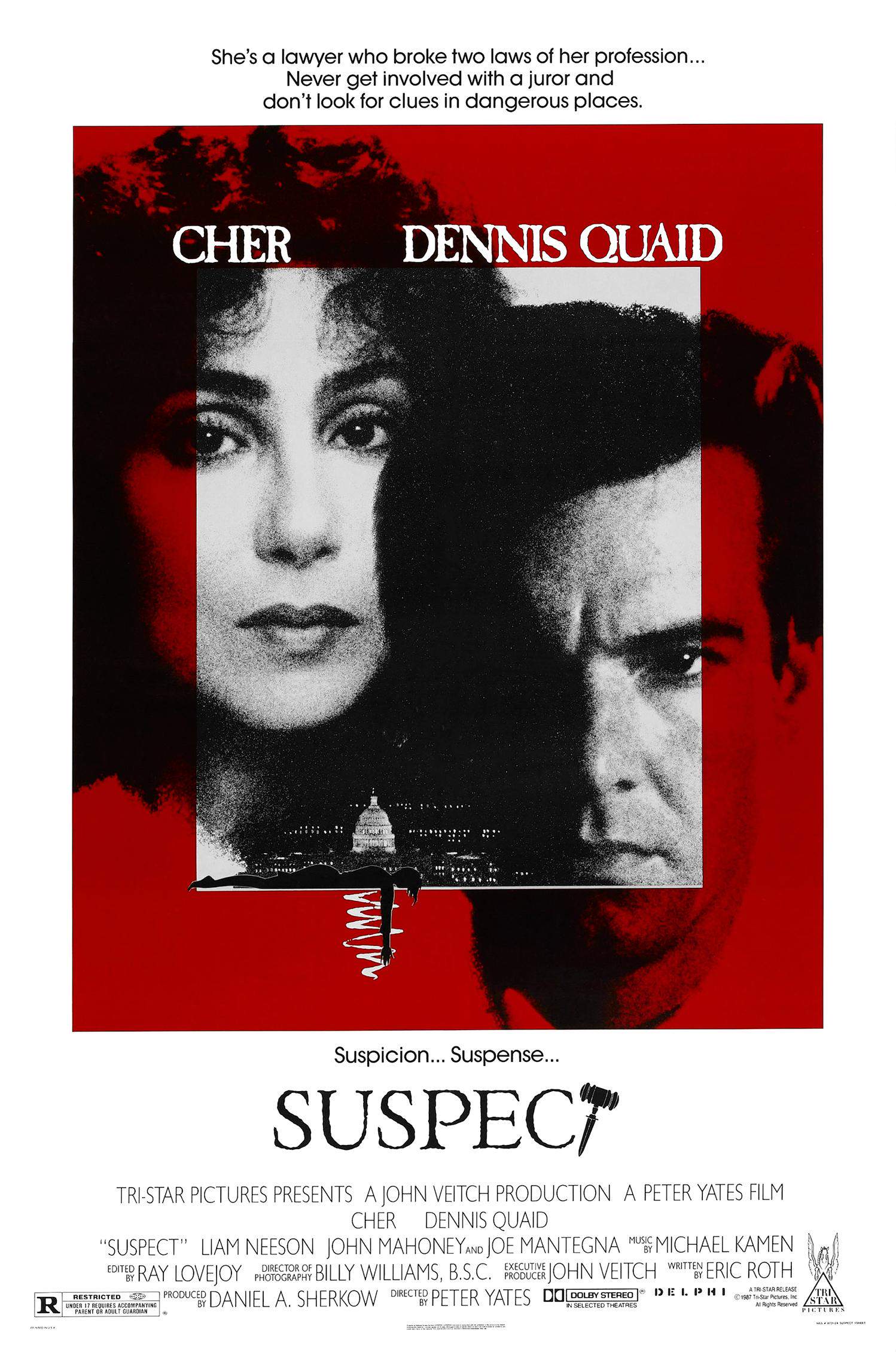
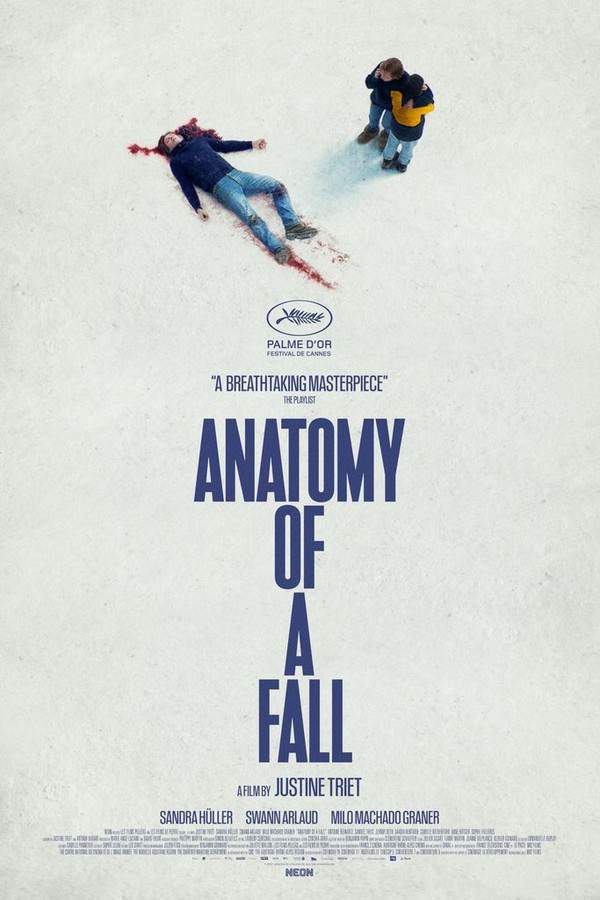
Movies with Similar Twists and Themes
Uncover films that echo the narrative beats, emotional arcs, or dramatic twists of the one you're exploring. These recommendations are handpicked based on story depth, thematic resonance, and spoiler-worthy moments — perfect for fans who crave more of the same intrigue.


Featured on this page

What's After the Movie?
Not sure whether to stay after the credits? Find out!
Check out our other apps:

SAT Sphere
Build confidence for the Digital SAT.

Mori Atlas
Discover wild places worth protecting.

Luntero
Search smarter for a home in Amsterdam.

Plot Explained
Unravel movie endings and hidden clues.

Pokechamp
Dive into Pokémon data and battle logic.

Driving Theory
Get ready for your European theory test.

Movie Dust
Plan your next cinema trip with ease.

Musemap
Find art and culture as you travel.

Selkobase
Compare credentials before committing.

Local Manual
Turn an unfamiliar country into practical next steps.

Lernavi
Compare school systems before your next move.

GymRoam
Find a workout stop wherever your plans take you.
Explore Our Movie Platform
New Movie Releases (2026)
Famous Movie Actors
Top Film Production Studios
Movie Plot Summaries & Endings
Major Movie Awards & Winners
Best Concert Films & Music Documentaries
Movie Collections and Curated Lists
© 2026 What's After the Movie. All rights reserved.
Privacy Policy