
Town on Trial 1957

Directed by
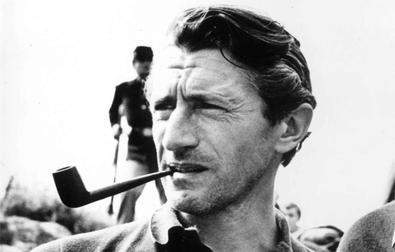
John Guillermin
Made by

Marksman Productions
Town on Trial Plot Summary
Read the complete plot summary and ending explained for Town on Trial (1957). From turning points to emotional moments, uncover what really happened and why it matters.
Molly Stevens [Magda Miller] is the spark and the sparkler of a seemingly glamorous world at a posh club near London, in Oakley Park. Her flirtatious presence at the tennis courts catches the eye of many men, incites envy in the women, and sets the social clock ticking in a community that guards its reputation with fierce pride. But Molly’s bright, charming surface masks tensions and secrets that simmer beneath the surface of this insular world. When she is found strangled, the shock reverberates through the club and into the quiet lanes of the town, and the local police chief immediately asks for outside help.
Detective Superintendent Mike Halloran [John Mills] is dispatched from Scotland Yard to lead the investigation, and he quickly finds that the locals are uneasy about an outsider poking into their affairs. The tension between keeping a tidy, respectable image and acknowledging uncomfortable truths becomes one of the central threads of the case. The investigation opens with a clue tucked away in Molly’s flat—a book of love poems that bears an inscription from Peter Crowley [Alec McCowen], a man tied to Molly through a complicated past. Alongside this, a photograph shows Molly with Fiona Dixon, a young woman from the prominent Dixon family [Elizabeth Seal], and a hint of a larger social web at the club and beyond.
As Halloran digs deeper, he learns that Molly had left Peter Crowley for a married man, Mark Roper [Derek Farr], the club’s secretary. Roper, who publicly brags about wartime exploits, denies any romantic involvement with Molly and claims he was giving a lift to nurse Elizabeth Fenner [Barbara Bates] at the time of the murder. The detective’s careful questioning begins to unravel a web of self-justifications and secret loyalties, as each testimony seems designed to protect someone else in the circle. The coroner’s report from Dr. John Fenner [Charles Coburn] brings a chilling revelation: Molly was two months pregnant. Halloran presses Fenner, who fends off the line of questioning about the pregnancy by arguing that exposing a scandal would ruin more lives than it would solve. Fenner’s niece, Elizabeth Fenner, confirms that Roper did give her a lift on the day of the murder, but her later statements reveal she was trying to shield her uncle from a past tragedy.
Elizabeth Fenner turns out to be a Canadian expatriate living nearby, and her loyalties become a key pivot in the story. Halloran uncovers a troubling family secret tied to Fenner’s medical career: a misdiagnosis in Toronto that led to a patient’s death, a mistake that Fenner hoped to keep quiet to spare his family and his professional reputation. This secret, Carrie-like in its power to blackmail, becomes a tool that Roper tries to use to maintain control over the doctor and to shield the club’s fragile prestige. The heat of the investigation intensifies as Halloran connects the dots: Roper’s bravado about heroism is revealed as a troubling falsehood, and the true character of the man is laid bare—he is revealed as a former RAF ground crew member, dishonorably discharged for theft and deeply in debt.
The club, with its circles of influence, demands that Roper resign, and the tension escalates when he turns up at a party, becomes intoxicated, and ignites a fight. He leaves the party, stepping into the night for a walk where tragedy takes a cruel turn: Fiona Dixon [Elizabeth Seal], the daughter of the Dixon clan, is ambushed and strangled to death, her body placed in the boot of Dr. Fenner’s car. The crime shifts the investigation from scandal and reputation to a dangerous, personal feud that reaches across generations and social strata. Halloran, ever persistent, uncovers more about the club’s dynamics and the personal histories that bind its members together in a fragile, brittle arrangement.
As the net tightens, Halloran discovers that Peter Crowley has been treated for schizophrenia, a detail that casts new light on Molly’s relationships and Peter’s behavior. Peter flees to a church, climbs to the top of the steeple, and issues a chilling threat to himself. Halloran, refusing to let a man die when there is a chance to help, ascends the steep tower himself, confronting fear and danger as he reaches Peter on the narrow ledge. In a tense moment of trust and courage, Halloran persuades Peter not to take his own life. Just as the two men near the edge, a fire brigade arrives with a turntable ladder, and the rescue unfolds in a nail-biting sequence that underscores the stakes of the entire investigation.
Throughout the case, Halloran’s investigation weaves together the personal narratives of a tight-knit community with the cold, methodical logic of police work. The photograph that linked Molly to Fiona Dixon becomes a symbol of a social world where reputations are built on appearances and where every truth uncovered threatens to topple someone’s carefully curated life. The tension between duty and loyalty, truth and protection, and the appetite for scandal versus the need for privacy drives the narrative forward, and Halloran remains the steady force that pieces together the disparate clues until a fuller, clearer picture emerges.
In the end, the drama is not just about identifying a murderer but about understanding the costs of preserving a veneer of propriety in a town where every name has a history. The case exposes the fragility of reputations, the vulnerabilities of those who live under that spotlight, and the quiet courage of a detective willing to face danger to prevent a tragedy from becoming merely another whispered tale at the club. The resolution ties together the threads of Molly’s life, the secret about Dr. Fenner’s past, the deception surrounding Mark Roper, and the quiet, personal acts of redemption and rescue that define Halloran’s steadfast approach to crime, guilt, and the human costs that lie beneath a polished exterior.
Town on Trial Timeline
Follow the complete movie timeline of Town on Trial (1957) with every major event in chronological order. Great for understanding complex plots and story progression.
Molly captivates at the Oakley Park Club
Molly Stevens moves through the posh Oakley Park club, drawing both interest from the men and animosity from the women. Her flirty charm creates a buzzing, tense atmosphere that hints at trouble ahead. The club's social maze sets the stage for later revelations.
Molly is found murdered
Shortly after the night at the club, Molly Stevens is found dead, strangled with a stocking. The murder shocks the close-knit community and triggers a formal investigation. The scene shifts from social intrigue to a police inquiry.
Scotland Yard called in; Halloran arrives
The local police chief asks for help from Scotland Yard, and Detective Superintendent Mike Halloran is dispatched to lead the inquiry. He encounters hostility from locals who resent an outsider meddling in their affairs. The investigation pivots from gossip to methodical police work.
Book of love poems uncovered
A book of love poems is found in Molly's flat, including an inscription from Peter Crowley. The find hints at intimate connections and possible suspects among Molly's circle. The discovery broadens the scope of the investigation beyond surface motives.
Photo links Molly and Fiona Dixon
A photograph shows Molly among a group including Fiona Dixon, a young woman from the prominent Dixon family. The image exposes social ties that complicate loyalties and potential motives. Halloran notes these relationships could influence how people respond to the murder.
Roper's denial and Dixon family interference
Mark Roper, the club secretary, denies involvement and claims he gave nurse Elizabeth Fenner a lift when Molly was murdered. Fiona Dixon's father, a powerful figure in the community, resists Halloran's attempts to question his daughter about Molly, adding pressure to the investigation. The alibi and family pressure complicate the case.
Pregnancy revelation
The coroner confirms that Molly was two months pregnant, which heightens the stakes and potential motives. Halloran questions Dr. John Fenner about why this detail wasn't reported earlier, and Fenner explains he wanted to avoid a scandal for Roper and the club. The revelation unsettles the town and reshapes suspects' incentives.
Elizabeth's testimony and secret manipulation
Elizabeth Fenner initially confirms Roper's lift, but her statements later reveal a lie used to protect her uncle's reputation. Her testimony exposes a web of Toronto past secrets and a misdiagnosis tragedy that locals are unaware of. Roper uses these secrets to manipulate those around him.
Roper exposed as fraud and debtor
Halloran reveals that Roper has no wartime heroics to boast about and was a lowly ground crew member who was dishonorably discharged after theft. He is revealed as a man in debt who uses lies to maintain appearances. The club's confidence starts to crumble as the truth comes to light.
Club pressures Roper; party confrontation
The club demands Roper's resignation as tensions rise. He attends a party, becomes intoxicated, and starts a fight, displaying a volatile side that undermines his exculpatory alibis. The social circle's machinations intensify as accusations mount.
Fiona's murder and the doctor’s car
Fiona is ambushed and strangled, her body later hidden in the boot of Dr. Fenner's car. Halloran pieces together the timeline, linking the night’s events to the broader network of secrets. The crime escalates the stakes and tightens the investigation's grip on the club's insiders.
Peter Crowley and the church rescue
Peter Crowley, a man with schizophrenia, flees to a church and climbs to the top of the steeple, threatening self-harm. Halloran climbs after him, risking his own life to prevent a tragedy. A fire brigade rescues them just as they are about to fall.
Town on Trial Characters
Explore all characters from Town on Trial (1957). Get detailed profiles with their roles, arcs, and key relationships explained.
Mike Halloran (John Mills)
Detective Superintendent Halloran arrives from Scotland Yard to investigate the Molly Stevens murder, confronting resistance from a tight-knit, suspicious community. He pursues the truth with steady logic, unafraid to challenge gossip and hidden loyalties. His sense of duty drives him to risk personal safety during the steeple rescue.
Molly Stevens (Magda Miller)
The glamorous young woman at the club who becomes the murder victim, her provocative behavior versus local hypocrisy highlights social tensions. Her pregnancy adds a layer of scandal and motive, influencing how others respond to the crime. Her death exposes how people use reputation to manipulate events.
Peter Crowley (Alec McCowen)
A club member connected to Molly through a relationship with another man; he has a complex history and ultimately suffers from schizophrenia, explored through Halloran's inquiries. He is portrayed as flawed and vulnerable, with a reputation that contrasts with his rumored heroism. His involvement reveals how past traumas shape present actions.
Mark Roper (Derek Farr)
The club secretary who boasts of wartime heroism but is revealed to be a debt-ridden, opportunistic fraud. He uses lies and blackmail to control others and deflect suspicion. His ultimate exposure pushes the plot toward the murder and its consequences.
Elizabeth Fenner (Barbara Bates)
A Canadian expatriate who is connected to the Fenner family and tries to shield her uncle from scandal. She becomes entangled in the truth-telling process as she reveals or withholds information to protect relatives. Her actions underscore the tension between loyalty and the pursuit of justice.
Dr. John Fenner (Charles Coburn)
A local physician whose misdiagnosis and involvement in a hospital scandal threaten his reputation. He is a central figure in the cover-up and the blackmail dynamic with Roper. He ultimately becomes a focal point for Halloran's pursuit of the truth.
Fiona Dixon (Elizabeth Seal)
A member of the prominent Dixon family and a figure at the social center in the town. Her connection to Molly and the group of men at the club places her at the heart of the social web that the investigation disrupts. Her fate and the family’s values highlight the pressure of keeping appearances.
Helen Dixon (Margaretta Scott)
A member of the Dixon family, representing the older generation of quiet influence in the town. Her interactions with Molly and the social circle contribute to the environment of gossip and judgment. She embodies the conventional expectations the investigation challenges.
Mrs. Crowley (Fay Compton)
Peter Crowley’s wife who navigates the social climate around the murder; she embodies propriety and concern for reputation. Her perspective helps illustrate how domestic life is affected by public scandal. She represents the domestic voice within the club's social fabric.
Town on Trial Settings
Learn where and when Town on Trial (1957) takes place. Explore the film’s settings, era, and how they shape the narrative.
Time period
Late 1950s
The story unfolds in a contemporary late-1950s Britain where appearances matter and rumors influence outcomes. Social codes pressure individuals to conceal scandal rather than address it openly. An outside detective from Scotland Yard arrives to challenge the town's tight-knit rules and secrets.
Location
Oakley Park
Oakley Park is a posh town near London centered around a prestigious tennis club. The setting highlights social status, propriety, and the gossip-driven atmosphere of the locals. The investigation disrupts the quiet routine of this refined community.
Town on Trial Themes
Discover the main themes in Town on Trial (1957). Analyze the deeper meanings, emotional layers, and social commentary behind the film.
🕵️♂️
Mystery
A murder at a cloistered club tests the boundaries between outward respectability and hidden motives. An outsider detective navigates local suspicion as secrets surface. The plot unfolds through a traditional whodunit structure, weighted by clues, red herrings, and a final reveal.
🗣️
Reputation
The town's social fabric is built on appearances and lineage, with families guarding secrets to protect status. Scandal around Molly's pregnancy triggers blackmail, denial, and cover-ups. The investigation examines how gossip and pride can distort truth and justice.
⚖️
Justice
Justice comes through persistence and moral courage rather than formal power. Halloran's persistence clashes with local authority and prejudice, culminating in a moral confrontation. The story frames law, duty, and personal sacrifice as the path to truth.

Coming soon on iOS and Android
The Plot Explained Mobile App
From blockbusters to hidden gems — dive into movie stories anytime, anywhere. Save your favorites, discover plots faster, and never miss a twist again.
Sign up to be the first to know when we launch. Your email stays private — always.
Explore the mobile appTown on Trial Spoiler-Free Summary
Discover the spoiler-free summary of Town on Trial (1957). Get a concise overview without any spoilers.
In the tranquil suburbs of post‑war Britain, a modest town clings to the rituals of propriety that define its identity. The weekly rhythm of tea, garden parties, and the polished courts of the exclusive tennis club masks an undercurrent of rivalry and quiet desperation. Neon signs have not yet dimmed the glow of streetlamps, and the narrow lanes linger with the lingering scent of freshly cut grass, offering a vivid snapshot of 1950s life where reputation is as carefully tended as the roses that line the high‑street avenues.
The peace is shattered when a young woman is discovered dead, an event that sends shockwaves through the close‑knit community. Accusations and whispered conjecture swirl, landing especially on the members of the tennis club and even the legendary Nylon‑Stocking Killer whose name haunts the town’s collective memory. To untangle the web of suspicion, the authorities summon an outsider whose reputation for methodical precision precedes him.
Enter Mike Halloran, a seasoned Scotland Yard detective whose arrival is met with a mixture of relief and resistance. His investigation becomes a study in contrast: the polished façade of the town against the gritty reality of its hidden secrets. As he navigates a landscape of polite façades, guarded testimonies, and lingering rumors, the tension mounts toward a dramatic confrontation high above the rooftops, where truth and danger meet on the narrow edge of a church spire. The film’s mood is a careful blend of atmospheric suspense and period detail, inviting viewers to feel the weight of every unspoken word while the town’s quiet streets hold their breath.
Movies with Similar Twists and Themes
Uncover films that echo the narrative beats, emotional arcs, or dramatic twists of the one you're exploring. These recommendations are handpicked based on story depth, thematic resonance, and spoiler-worthy moments — perfect for fans who crave more of the same intrigue.


Featured on this page

What's After the Movie?
Not sure whether to stay after the credits? Find out!
Check out our other apps:

SAT Sphere
Build confidence for the Digital SAT.

Mori Atlas
Discover wild places worth protecting.

Luntero
Search smarter for a home in Amsterdam.

Plot Explained
Unravel movie endings and hidden clues.

Pokechamp
Dive into Pokémon data and battle logic.

Driving Theory
Get ready for your European theory test.

Movie Dust
Plan your next cinema trip with ease.

Musemap
Find art and culture as you travel.

Selkobase
Compare credentials before committing.

Local Manual
Turn an unfamiliar country into practical next steps.

Lernavi
Compare school systems before your next move.

GymRoam
Find a workout stop wherever your plans take you.
Explore Our Movie Platform
New Movie Releases (2026)
Famous Movie Actors
Top Film Production Studios
Movie Plot Summaries & Endings
Major Movie Awards & Winners
Best Concert Films & Music Documentaries
Movie Collections and Curated Lists
© 2026 What's After the Movie. All rights reserved.
Privacy Policy