The Trial 1962


A surreal, absurdist drama that follows an ordinary man suddenly charged with an undefined offense. As the mysterious accusation looms, he meanders through a series of bizarre, nightmarish encounters, each more bewildering than the last, in a desperate attempt to break free from the incomprehensible legal nightmare that engulfs him.

Does The Trial have end credit scenes?
No!
The Trial does not have end credit scenes. You can leave when the credits roll.
Meet the Full Cast and Actors of The Trial
Explore the complete cast of The Trial, including both lead and supporting actors. Learn who plays each character, discover their past roles and achievements, and find out what makes this ensemble cast stand out in the world of film and television.
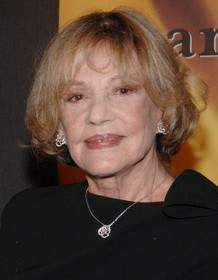
Jeanne Moreau
Marika Burstner
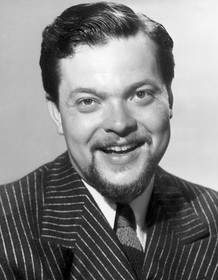
Orson Welles
Albert Hastler
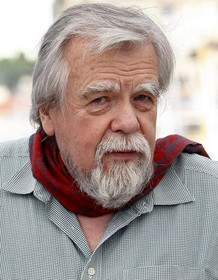
Michael Lonsdale
Priest

Suzanne Flon
Miss Pittl
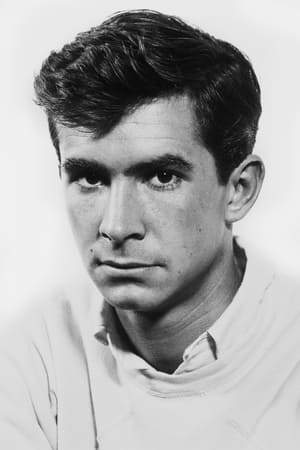
Anthony Perkins
Josef K.
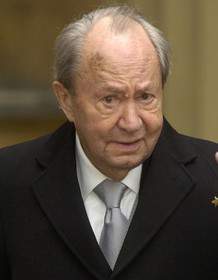
Peter Sallis
Uncle Max (uncredited)

Romy Schneider
Leni
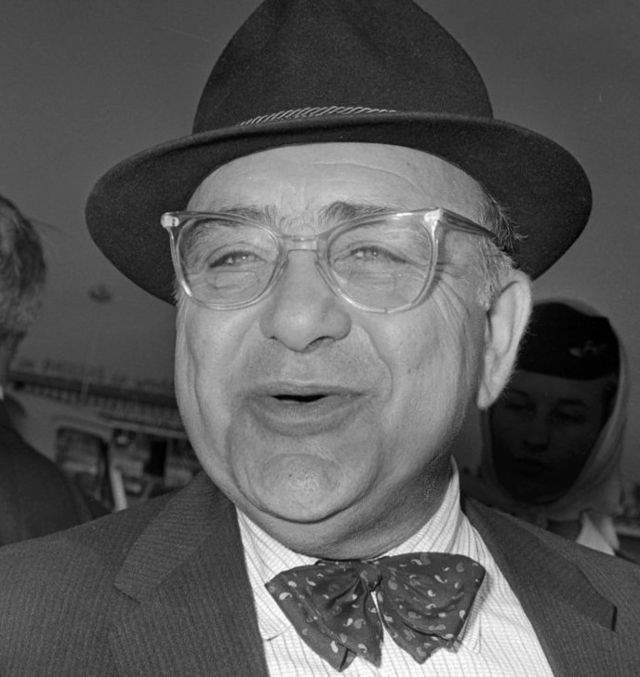
Akim Tamiroff
Bloch
Madeleine Robinson
Mrs. Grubach
Elsa Martinelli
Hilda
Thomas Holtzmann
Bert the Law Student
Arnoldo Foà
Inspector A
Maurice Teynac
Deputy Manager
Jess Hahn
Assistant Inspector #2
Max Buchsbaum
Examining Magistrate
Billy Kearns
Assistant Inspector #1
Fernand Ledoux
Chief Clerk of the Law Court
Jean-Claude Rémoleux
Policeman
Raoul Delfosse
Policeman
Wolfgang Reichmann
Courtroom Guard
Carl Studer
Man In Leather
Max Haufler
Uncle Max
Naydra Shore
Irmie
William Chappell
Titorelli
External Links and Streaming Options
Discover where to watch The Trial online, including streaming platforms, rental options, and official sources. Compare reviews, ratings, and in-depth movie information across sites like IMDb, TMDb, Wikipedia or Box Office Mojo.





Take the Ultimate The Trial Movie Quiz
Challenge your knowledge of The Trial with this fun and interactive movie quiz. Test yourself on key plot points, iconic characters, hidden details, and memorable moments to see how well you really know the film.
The Trial (1962) Quiz: Test your knowledge of the 1962 film directed by Orson Welles, based on Franz Kafka's novel.
Which actor portrays the protagonist Josef K. in the film?
Full Plot Summary and Ending Explained for The Trial
Read the complete plot summary of The Trial, including all major events, twists, and the full ending explained in detail. Explore key characters, themes, hidden meanings, and everything you need to understand the story from beginning to end.
Josef K., Anthony Perkins, a careful bank clerk sharing a crowded apartment with several lodgers, is abruptly awakened by a stranger who slips into his bedroom without showing any ID. The man remains anonymous as Josef demands proof, and soon a squad of detectives crowd the space, informing him that he is under open arrest. They refuse to spell out the charges or even to take him into custody, leaving him in a state of suspended legality. In another room, three coworkers from his office sit quietly to testify about an unspecified crime, their presence underscoring the surreal, impersonal machinery that seems to govern his fate.
Seeking clarity, Josef talks with his landlady, Madeleine Robinson as Mrs. Grubach, and with his neighbor, Miss Bürstner, Jeanne Moreau, whose casual remarks offer no real answers and often deepen his unease. He then goes to his office, where his supervisor hints at impropriety with his teenage cousin, a charge that feels both ridiculous and damaging, illustrating how rumor and suspicion can function as tools of power and control. That evening he attends the opera, only to be abducted from the theater by a police inspector and carted to a courtroom where the case against him remains unstated and opaque, leaving him to confront a threat that never fully reveals itself.
Back at his office, Josef discovers the two officers who first visited him being whipped in a small room—a stark, brutal reminder of the system’s capricious cruelty. His Uncle Max, Max Haufler, suggests that he seek counsel from Hastler, a weary law advocate whose world-weary rhetoric makes the path to understanding feel like an endless maze, and Hastler is played by Orson Welles. The interview proves unsatisfying, with Hastler offering evasions that only deepen Josef’s sense of being swallowed by a procedural fog. Hastler’s failure to provide clear guidance propels Josef toward other channels that promise answers but frequently deliver only more questions.
Following Hastler’s lead, a suggested route is to consult Titorelli, a seasoned painter whose name is synonymous with a labyrinthine justice system. William Chappell portrays Titorelli, whose cautious, ritualized counsel seems designed to delay rather than resolve, leaving Josef adrift in a web of ambiguous loyalties. A brief moment of sanctuary arrives when Josef retreats to a cathedral and speaks with a priest; the spiritual assurance offered is fleeting, yet Hastler appears later in the same sacred space to corroborate the priest’s somber stance, further blurring the line between legal and moral truth.
On the eve of his thirty-first birthday, the nightmare intensifies. Two executioners seize him and lead him to a quarry pit where his clothing is partly stripped away. The men pass a knife back and forth, debating who will kill him, then hand the blade to the condemned man who refuses to take his own life. The executioners depart, and dynamite is hurled into the pit. Josef laughs in a moment of defiant, almost absurd amusement as smoke and a distant explosion billow upward, leaving his fate—and the fate of the entire courtroom drama—ambiguous and unresolved.
In this haunting encounter with power, guilt, and the fragility of truth, the film threads together intimate humiliation, bureaucratic theater, and a man’s quiet resistance against a system that never quite names the crime. The atmosphere stays with you: claustrophobic, dreamlike, and relentlessly persuasive in its insistence that justice, in its most human form, is never fully realized. The cast’s performances—supported by the stark, surreal visuals—create a meditation on innocence caught in an impersonal machine, where every step toward clarity slips away just as the lights fade.

Coming soon on iOS and Android
The Plot Explained Mobile App
From blockbusters to hidden gems — dive into movie stories anytime, anywhere. Save your favorites, discover plots faster, and never miss a twist again.
Sign up to be the first to know when we launch. Your email stays private — always.
Explore the mobile appWatch Trailers, Clips & Behind-the-Scenes for The Trial
Watch official trailers, exclusive clips, cast interviews, and behind-the-scenes footage from The Trial. Dive deeper into the making of the film, its standout moments, and key production insights.
The Trial Themes and Keywords
Discover the central themes, ideas, and keywords that define the movie’s story, tone, and message. Analyze the film’s deeper meanings, genre influences, and recurring concepts.
The Trial Other Names and Titles
Explore the various alternative titles, translations, and other names used for The Trial across different regions and languages. Understand how the film is marketed and recognized worldwide.
Similar Movies To The Trial You Should Know About
Browse a curated list of movies similar in genre, tone, characters, or story structure. Discover new titles like the one you're watching, perfect for fans of related plots, vibes, or cinematic styles.


Quick Links: Summary, Cast, Ratings, More

What's After the Movie?
Not sure whether to stay after the credits? Find out!
Check out our other apps:

SAT Sphere
Build confidence for the Digital SAT.

Mori Atlas
Discover wild places worth protecting.

Luntero
Search smarter for a home in Amsterdam.

Plot Explained
Unravel movie endings and hidden clues.

Pokechamp
Dive into Pokémon data and battle logic.

Driving Theory
Get ready for your European theory test.

Movie Dust
Plan your next cinema trip with ease.

Musemap
Find art and culture as you travel.

Selkobase
Compare credentials before committing.

Local Manual
Turn an unfamiliar country into practical next steps.

Lernavi
Compare school systems before your next move.

GymRoam
Find a workout stop wherever your plans take you.
Explore Our Movie Platform
New Movie Releases (2026)
Famous Movie Actors
Top Film Production Studios
Movie Plot Summaries & Endings
Major Movie Awards & Winners
Best Concert Films & Music Documentaries
Movie Collections and Curated Lists
© 2026 What's After the Movie. All rights reserved.
Privacy Policy