

What Is The Canadians About?
The premise of The Canadians in 256 words, with nothing given away. The full story follows below.
In the turbulent aftermath of the Battle of the Little Bighorn, a group of Sioux crosses into Canada seeking refuge from the conflicts raging to the south. The Canadian government grants them asylum on the condition that they maintain the peace, a delicate agreement overseen by the North-West Mounted Police. Among those tasked with upholding this truce is Inspector William Gannon, who finds himself responsible for a fragile coexistence in a land that promises safety but sits on the edge of volatility.
This tentative calm is shattered when a band of cowboys from Montana crosses the border, bringing with them a history of violence and a case of mistaken identity. In a devastating assault, the intruders massacre a Sioux village and steal the tribe’s horses, attempting to conceal their actions under the guise of searching for a girl abducted years prior. The brutality of the event forces the Mounties into a difficult position, compelled to act against the perpetrators to preserve the honor of the law and prevent the situation from descending into open warfare.
Led by Superintendent Walker, the authorities embark on a grueling pursuit to bring the attackers to justice, navigating a landscape where moral lines are blurred and cultural tensions run high. As the hunt unfolds, the story delves into the stark contrasts between the rigid code of the Mounties and the lawlessness of the American frontier. The narrative captures the weight of duty and the complexities of a world where the definition of justice is constantly tested by the shadows of history.
What Happens in The Canadians?
The complete story of The Canadians, from the first scene to the last, in 333 words (about 1 minute). Spoilers throughout. Names in the text link to 3 cast member pages.
Spoilers ahead
Following Custer’s last stand at the Battle of the Little Bighorn, a group of Sioux seeks refuge in Canada. The Canadian government grants them asylum, a decision carried out by three Mounties, including Inspector William Gannon. The peace is short-lived, however, as Indian-fighters from Montana—driven to recover 40 stolen horses—discover the settlement and mistake the Sioux herd for their own.
In a shocking, surprise assault, the intruders murder many of the Indigenous people, seize numerous horses, and kidnap The White Squaw, a white young woman who had already been taken in a raid years before. The scene sets a tense moral inversion: the Mounties are compelled to intervene, justice becomes the central aim, and the fragile truces between cultures are put to the test.
Superintendent Walker leads the Mounties in a determined pursuit to bring those responsible before a court. They pledge to track, capture, and escort the alleged villains to trial, embarking on a grueling week-long ride toward justice. As the days unfold, the narrative weaves together tense pursuit with intimate backstories, revealing motivations, loyalties, and the complex history that underpins the conflict, including conversations about gun culture and violence in America.
Tragedy strikes when the kidnapped woman is killed, deepening the resolve on both sides and shifting the balance of the moral dispute. The men who attacked the Sioux are gently drawn toward what might be their lost horses, only to trigger a massive stampede. In a dramatic, almost prehistoric clash of pursuit and land, the Sioux maneuver the white men to the edge of a cliff and drive them to their deaths—like buffaloes in a stampede—without a single gun fired.
By preserving the agreement and avoiding open warfare, the Sioux remain in Canada, while the Mounties ride back to their fort, where the elder officer contemplates retirement. The narrative closes with a historical note that the North-West Mounted Police, the forerunner to today’s Royal Canadian Mounted Police, emerged from the events and tensions chronicled in this chapter of frontier history.
The Canadians Timeline: Every Key Event in Order
10 key events in the order they happen, from “Sioux seek shelter in Canada after Little Bighorn” to “Formation of the North-West Mounted Police”. 10 events name a place, across 10 locations.
- 1
Sioux seek shelter in Canada after Little Bighorn
The Sioux refugees cross into Canada, seeking shelter from the US Indian wars after Custer's last stand. They are welcomed with cautious permission by the Canadian government to stay. The arrival establishes a fragile settlement on the Canadian frontier.
When:After Little Bighorn (late 1870s) Where:Canada (Canadian frontier)
- 2
Three Mounties formalize the shelter arrangement
The Canadian government, represented by three Mounties, formalizes the permission for the Sioux to remain. They pledge to monitor the situation and maintain peace. The Mounties' presence gives the settlement a government-backed shelter.
When:Shortly after arrival Where:Canadian frontier settlement
- 3
Montana attackers raid the settlement
Montana Indian-fighters discover the Sioux's horses have been stolen and launch a surprise attack. They murder many Indians, steal horses, and abduct an integrated white woman who had been kidnapped in a previous raid. The assault shatters the fledgling settlement and triggers a demand for justice.
When:Soon after arrival; during the attack Where:Sioux settlement near the Canadian border
- 4
Mounties vow justice and begin the pursuit
The Mounties vow to seek justice for the attack and set out to track down the attackers. They begin a week-long ride toward bringing the culprits to court, pushing through rugged terrain and uncertain loyalties. The pursuit frames the film's central journey.
When:Immediately after the attack Where:Across the Canadian frontier toward court
- 5
Backstories and gun culture conversations on the trail
During the week-long pursuit, the riders and Sioux share backstories that reveal motivations and histories. Conversations about American gun culture and violence arise around campfires, coloring alliances and tensions. The journey becomes as much an exploration of memory as a manhunt.
When:During the week-long ride Where:On the trail across the frontier
- 6
The kidnapped woman is killed
Midway through the journey, the kidnapped white woman is killed, increasing the stakes for both sides. Her death intensifies the moral stakes and shifts the dynamics among the pursuers and the Sioux. The loss underlines the human cost of the pursuit.
When:Midway through the week Where:Along the trail
- 7
The attackers lure the pursuers toward their horses
The attackers lure the pursuers toward what may be their lost horses, setting up a dangerous trap. A stampede erupts, and the pursuing men are driven toward a cliff edge. The scene emphasizes nature's power and foreshadows the climactic upheaval without firing a gun.
When:Toward the end of the journey Where:Near a cliff edge on the frontier
- 8
Stampede drives pursuers to the cliff and death
The stampede hurls the pursuing men over the cliff, killing them without a shot being fired. The Sioux drive away their would-be pursuers using the terrain and the horses' momentum. The event marks a climactic turn in the confrontation.
When:End of the journey Where:Cliff edge
- 9
Sioux stay in Canada; Mounties return to the fort
With the threat neutralized, the Sioux choose to remain in Canadian territory while the Mounties return to their fort. The senior Mountie contemplates retirement, signaling a shift in leadership and the role of the force. Peace is precarious but established.
When:After the events Where:Canadian fort and frontier
- 10
Formation of the North-West Mounted Police
The film frames these events as a catalyst for the formation of the North-West Mounted Police, the forerunner to the Royal Canadian Mounted Police. This institutional change reflects a lasting impact on Canadian law enforcement on the frontier. The alliance and its consequences linger in memory.
When:Aftermath (late 1870s) Where:Canada
Who Are the Main Characters in The Canadians?
7 characters, among them Inspector William Gannon, Superintendent Walker and Frank Boone: who each one is and the part they play in the story. Every profile links to the actor’s page.
-
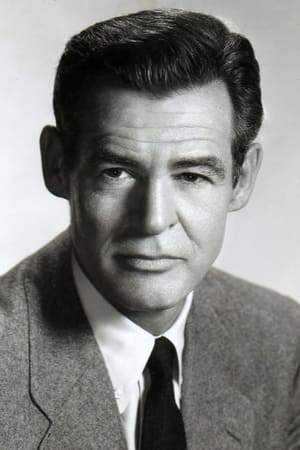
Inspector William Gannon
Played by Robert Ryan
A seasoned Mountie and lead investigator who remains cool under pressure while navigating cross-border tensions. He balances pursuit with a sense of justice, seeking to minimize further bloodshed while pursuing the truth. His methods blend tactical savvy with a cautious regard for due process.
- 🕵️ Investigator
- ⚖️ Law and order
- 🧭 Frontier justice
- SW
Superintendent Walker
Played by Torin Thatcher
A high-ranking Mountie who coordinates the operation and embodies frontier leadership. He weighs strategic decisions against the unpredictable dynamics of field violence. His role highlights the burdens of command in a volatile borderland.
- 🛡️ Leadership
- ⚖️ Duty
- 🌐 Frontier governance
- FB
Frank Boone
Played by John Dehner
Leader of the Montana horse thieves who instigates the central conflict by raiding for horses. He is a calculated, violent presence whose actions set off the chain of events the Mounties must manage. His tactics expose the brutality of frontier violence.
- 🗡️ Villain
- 🐎 Raider
- 🔥 Violence
- CS
Constable Springer
Played by Burt Metcalfe
A Mountie constable who supports the pursuit and upholds law enforcement on the ground. He represents steady, practical response amid shifting loyalties and tense confrontations. His involvement emphasizes the collaborative nature of frontier policing.
- 🛡️ Lawman
- 🔎 Investigator
- TW
The White Squaw
Played by Teresa Stratas
An integrated white woman who had been kidnapped years earlier, her presence intensifies cross-cultural tensions and becomes a focal point of the conflict. Her fate—ultimately tied to the violence around her—drives moral considerations for all parties. Her character embodies the complexities of identity on the frontier.
- 🪶 Cultural tension
- 💔 Tragedy
- B
Billy
Played by Richard Alden
A Sioux youth whose experience and perspective reflect the land’s upheaval and the community’s resilience. His position on the edge of two worlds highlights the human cost of war, raid and displacement. He serves as a witness to events that challenge viewers to consider both sides of the conflict.
- 🧒 Youth
- 💬 Witness
- 🌾 Frontier life
- B
Ben
Played by Scott Peters
A member of the Sioux settlement who represents communal strength and the complexities of survival in a contested landscape. He navigates shifting loyalties and the struggle to maintain cultural continuity amid upheaval. His actions contribute to the story’s exploration of resilience on the frontier.
- 🧭 Community
- 🗣️ Voice
Where and When Is The Canadians Set?
The Canadians is set in Canada and Montana (1870s). Here is why the time and place matter to the story.
When
1870s
Set in the late 19th century, shortly after the Battle of the Little Bighorn (1876). The narrative sits at a time when Native communities, white settlers, and the emerging Canadian Mountie presence are negotiating power on the frontier. The events lead toward the formation of the North-West Mounted Police, the forerunner to the RCMP. The period captures a transitional era of law, violence, and settlement on the North American frontier.
Where
Canada, Montana
The story unfolds on the Canadian frontier with a Sioux settlement living under Mountie oversight, highlighting borderland coexistence. The action also crosses into nearby Montana, where Indian-fighters pursue stolen horses. Juxtaposed landscapes include open plains, forests, and rugged border towns that define the disputatious frontier setting. A stampede and cliff-driven confrontation culminate in a violent cross-border clash that shapes the region's future boundaries.
- 🇨🇦 Canada
- 🗺️ Frontier
- 🏔️ Wilderness
What Are the Themes of The Canadians?
3 ideas the story keeps returning to, among them Justice and Morality, Cultural Clash and Frontier State-Building.
-
01
Justice and Morality
The film contrasts formal law with vigilante violence, raising questions about what true justice requires on a volatile frontier. The Mounties pursue a fair outcome through court and due process, while passion and retaliation threaten to derail that path. Backstories and cross-border tensions test characters’ moral boundaries. The climactic resolution probes whether justice can prevail without innocent bloodshed.
-
02
Cultural Clash
A Sioux settlement seeking safety in Canada collides with white settler violence and cross-border politics. The narrative examines stereotypes, coexistence, and the complexities of survival when two cultures collide. The fate of The White Squaw underscores how cross-cultural dynamics drive conflict and empathy. The story explores whether understanding can emerge from violence and tragedy.
-
03
Frontier State-Building
The pursuit underscores the emergence of organized law in the region, foreshadowing the North-West Mounted Police and its role in nation-building. Characters embody the tension between duty, discipline, and pragmatism on the frontier. The film suggests that a formal police presence is essential to stabilize lawless borderlands. Through these events, the movie frames the police as agents shaping Canada's future legal landscape.
What Kind of Film Is The Canadians?
Neutral in tone, with steady pacing and a straightforward story, going by the plot summary.
- Tone
- Neutral
- Pacing
- Steady
- Story
- Straightforward
- Intensity
- Medium
- Ending
- Mixed
A steady-paced Western that unfolds methodically as Mounties track perpetrators across harsh landscapes, creating a tension-filled atmosphere of moral reckoning and frontier justice where violence is rarely straightforward.
- tense
- methodical
- brooding
- contemplative
- decisive
- colonial justice
- cultural conflict
- tracking
- betrayal
- survival
Content notes: massacre, racial violence, kidnapping.
