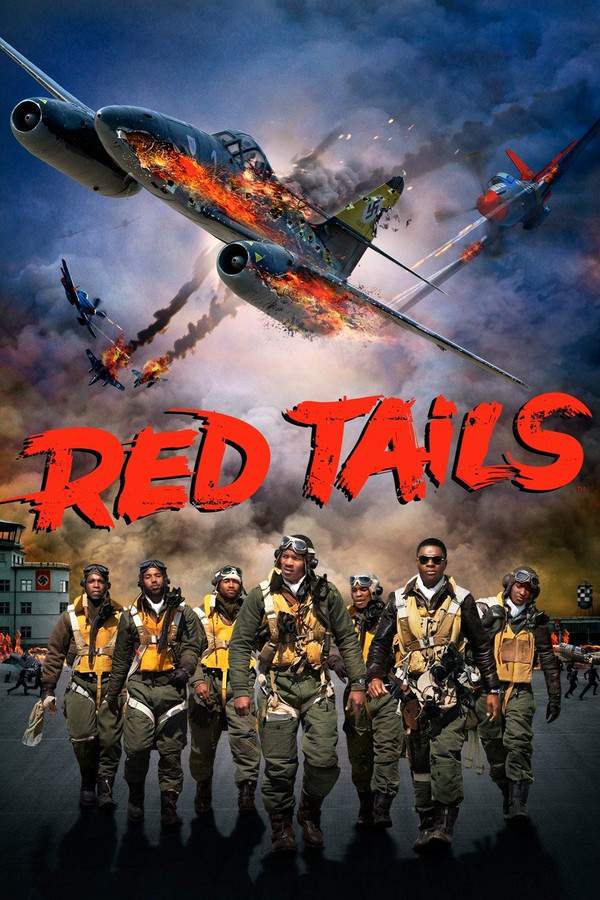
What Is The Tuskegee Airmen About?
The premise of The Tuskegee Airmen in 325 words, with nothing given away. The full story follows below.
In the heat of World War II, the U.S. Army Air Corps launches an unprecedented effort to open its fighter‑pilot program to African‑American men, sending them to the remote training grounds at Tuskegee, Alabama. The base hums with the clatter of engines and the weight of a nation’s conflicted ideals, where the promise of equality clashes with entrenched prejudice. Against a backdrop of wartime urgency and civil‑rights tension, the story unfolds with a tone that is both gritty and hopeful, painting the sky as a frontier for both combat and social change.
At the heart of the initiative is a tightly knit group of cadets. Hannibal “Iowa” Lee, Jr. arrives with a fierce determination to prove his worth, quickly forming bonds with Billy “A‑Train” Roberts, a charismatic dreamer, and his fellow trainees Walter Peoples III and Lewis Johns. Their aspirations are tempered by the stern oversight of Colonel Noel Rogers, who strives to balance fairness with the relentless demands of military discipline, and Major Sherman Joy, whose rigorous standards reflect the broader skepticism they must endure. Guiding them from the front lines of experience, Second Lieutenant Glenn offers a rare perspective, having faced combat abroad, while the presence of First Lady Eleanor Roosevelt adds a political spotlight that lifts the program’s visibility and stakes. The cadets’ interactions are a blend of fierce competition, reluctant mentorship, and shared resolve, each navigating personal doubts amid a collective quest for recognition.
The film captures the tension of an institution in flux, where the roar of propellers is underscored by whispers of doubt from Congress and the press. The atmosphere at Tuskegee is charged with both the promise of groundbreaking achievement and the looming threat of institutional rollback. As the trainees push through grueling instruction and societal pressure, the narrative invites audiences to feel the weight of history being forged aloft, hinting at the profound impact these young pilots will have on both the battlefield and the nation’s conscience.
What Happens in The Tuskegee Airmen?
The complete story of The Tuskegee Airmen, from the first scene to the last, in 838 words (about 4 minutes). Spoilers throughout. Names in the text link to 3 cast member pages.
Spoilers ahead
During World War II, Hannibal “Iowa” Lee, Jr. [Laurence Fishburne] travels by train to Tuskegee, Alabama for the chance to train as a military pilot, joining a determined group of African-American cadet candidates that includes Cuba Gooding Jr. as Billy “A-Train” Roberts, Allen Payne as Walter Peoples III, and Mekhi Phifer as Lewis Johns. They are welcomed by the base’s leadership, including Colonel Noel Rogers [Daniel Hugh Kelly] and Major Sherman Joy [Christopher McDonald], while Second Lieutenant Glenn [Courtney B. Vance] stands as the base’s seasoned Black pilot with real combat experience. Joy’s outward confidence clashes with a pervasive white American belief that African-Americans cannot serve as pilots, a tension that shadows every briefing and training session.
The cadets are ordered to retake the flight exam they used to qualify for the program. Joy’s suspicions about the integrity of their admission are laid bare, but Rogers explains the retesting outcome: no one scored below a 95%. With that hurdle cleared, the trainees begin hands-on flight training in the PT-17 with their instructor pilots. Early tests are brutal; Cadet Johns [Mekhi Phifer] and his instructor are killed when Johns fails to recover from a stall. The tragedy shakes Cadet Leroy Cappy [Malcolm-Jamal Warner], causing several others to leave the program voluntarily. In a pivotal moment, Lee and Peoples persuade Cappy to stay, and the cadets press on toward solo flight. Lee earns the chance to fly solo, while Glenn briefed the class on air combat, sharing his own history in the Battle of Britain with the Royal Canadian Air Force—an experience that makes him the only Army Air Corps officer at the base with real battlefield credentials.
In the skies, [Walter Peoples III] and [Lewis Johns] push their limits, and the pair’s first solo flights in the AT-6 Texan culminate in a friendly, though competitive, mock dogfight where Peoples narrowly defeats Lee. Spirits rise until Peoples treats flight like a showcase, performing unauthorized aerobatics. His defiant display leads to his removal from the program, setting off a painful cycle of forgiveness requests that fail to soften Major Joy’s stance. Facing the risk of public disgrace, Peoples makes a desperate choice and seizes an AT-6 to crash it deliberately, ending his life. The cadets debate Joy’s tactics: Roberts accuses him of attempting to break them, while Cappy sides with Roberts, fearing a broader collapse of their chances. Lee, however, refuses to bow to pressure and remains determined to chase his dream of flying.
Despite the brutal testing and internal strife, the cadets graduate with commissions as second lieutenants in the Army Air Corps. The real-world deployment, however, remains blocked by racist scrutiny from Congress. A turning point comes when First Lady Eleanor Roosevelt [Rosemary Murphy] visits the base, personally inspecting it and flying with Lee. The favorable press that follows helps push the program forward, and the unit is finally deployed to North Africa as the 99th Pursuit Squadron. Initially limited to ground-attack roles, the squadron soon proves its worth during a combat encounter with Messerschmitt Bf 109s, showing that the Black pilots can perform in air-to-air combat. In a dramatic moment, Cappy breaks formation and shoots down a German fighter, but the triumph is tempered by his own death in later actions. Meanwhile, Lee earns the Distinguished Flying Cross for sinking a destroyer and receives a promotion to captain.
As the 99th Pursuit Squadron grows, it earns the explicit trust of a congressional panel to form a new all-Black unit, the 332nd Fighter Group, commanded by Benjamin O. Davis [Andre Braugher]. With this expanded force, the squadron ships out to Ramitelli, Italy, to escort B-17 heavy bombers over dangerous skies. In one memorable mission, Lee and Roberts help save a stricken B-17 by destroying a destroyer out at sea and guiding the crew home; upon their return, a B-17 pilot struggles to trust that Black pilots were the saviors, illustrating the deep-seated racism they must overcome. Later missions continue to stack losses on the crew, but the Tuskegee Airmen persevere, emerging as a respected force. Roberts is shot down on a subsequent operation, but Lee’s leadership and skill continue to redefine what Black aviators could achieve. Lee’s success culminates in the now-believed-to-be-indispensable role of the Tuskegee Airmen as escorts for a planned mission to Berlin, a mission that will finally demonstrate their capability when the record shows that no heavy bombers are lost during their protection.
- Colonel Noel Rogers and Major Sherman Joy shape the training and testing that lead to the cadets’ graduation, with Rogers calmly balancing pressure and fairness while Joy pushes the cadets toward a harsh standard.
- The 99th Pursuit Squadron, led by Davis, evolves into the all-Black 332nd Fighter Group, but their path remains fraught with political and racial obstacles as they prove their combat effectiveness in North Africa and Italy.
- The Tuskegee Airmen’s journey—from hesitant beginnings to proven prowess—culminates in a reputation for reliability in escort duty and a broader, more hopeful future for Black pilots within the Allied air forces.
The Tuskegee Airmen Timeline: Every Key Event in Order
14 key events in the order they happen, from “Arrival at Tuskegee for flight training” to “Congressional hearing reinforces unit legitimacy”. 14 events name a place, across 9 locations.
- 1
Arrival at Tuskegee for flight training
In World War II, Hannibal 'Iowa' Lee Jr. and fellow African-American cadets arrive at Tuskegee Army Air Field to begin flight training. They are briefed by base leaders who acknowledge the challenge of earning pilots' wings amid prejudice. The cadets confront the era's belief that Black pilots cannot serve with distinction.
When:1941–1942 Where:Tuskegee, Alabama
- 2
Retests reveal high scores; Joy skeptical but scores hold
Major Joy orders the cadets to retake their flight exams to probe potential cheating. Walter Peoples reveals his commercial pilot license, adding both tension and credibility to the group. Colonel Rogers confirms that every cadet scored at least 95% on the retests, challenging Joy's suspicions.
When:Early 1942 Where:Tuskegee
- 3
Beginning practical flight training
The cadets begin hands-on flight training in PT-17 aircraft with experienced instructors. They learn core piloting skills, discipline, and teamwork as they progress through the early stages of aviation school. The cohort includes Lee, Peoples, Johns, and Cappy, all focused on proving themselves.
When:1942 Where:Tuskegee, Alabama
- 4
Johns and instructor killed in stall crash
Cadet Lewis Johns and his instructor die when Johns fails to recover from a stall, a devastating setback for the group. The tragedy shakes the cadets and prompts some to reconsider continuing the program. The incident underscores the dangers of pilot training.
When:1942 Where:Training field, Tuskegee
- 5
Cappy stays; peers urge him to stay
In the wake of the crash, cadet Leroy 'Cappy' attempts to quit, but Lee and Peoples persuade him to persevere. Their support strengthens the unit's resolve and keeps the training on track. The decision helps preserve the cadre's morale.
When:1942 Where:Tuskegee
- 6
Solo flights and combat experience revealed
Lee and Peoples are allowed to solo in the AT-6, marking a key milestone in their training. Lieutenant Glenn shares his combat background, revealing he fought in the Battle of Britain with the Royal Canadian Air Force. The mentors' experiences provide a visible pathway to real combat leadership.
When:1942 Where:Training field
- 7
Peoples wins mock dogfight; unauthorized aerobatics
In a later solo session, Peoples defeats Lee in a mock dogfight, demonstrating his skill and nerve. He celebrates with unauthorized aerobatic maneuvers, which leads to his removal from the training program. The incident highlights the severity of discipline within the program.
When:1942 Where:Tuskegee
- 8
Peoples pleads for forgiveness; dies by suicide
Peoples pleads for forgiveness but remains unable to stay in the program under Major Joy's authority. To avoid public disgrace, he seizes control of an AT-6 and crashes it deliberately, killing himself. The tragedy deeply unsettles the cadets and shifts the group's dynamic.
When:1942 Where:Training field
- 9
Graduation; Eleanor Roosevelt visits
The cadets graduate as second lieutenants, but racist barriers delay their deployment to combat theaters. First Lady Eleanor Roosevelt visits the base, inspects the facilities, and flies with Lee, sparking positive media coverage. The visit signals a turning point toward real opportunities for the cadets.
When:1943 Where:Tuskegee
- 10
Deployment to North Africa as the 99th Pursuit Squadron
Thanks to the favorable press, the unit is deployed to North Africa as the 99th Pursuit Squadron. They face lingering racism in Congress that threatens their combat role, but the unit persists and earns a place in action. The stage is set for their first real air battles.
When:1943–1944 Where:North Africa
Show the other 4 events of The Tuskegee Airmen Hide the last 4 events
- 11
Ramitelli, Italy: escort missions begin
The 99th Pursuit Squadron relocates to Ramitelli, Italy to escort Boeing B-17 bombers over Europe. They are initially assigned ground-attack duties, but their combat effectiveness soon becomes evident in escort roles. The unit proves its value in protecting heavy bombers.
When:1944 Where:Ramitelli, Italy
- 12
Destroyer sinking and later loss; Lee earns DFC
During a mission, Lee and Billy Roberts sink a German destroyer and rescue a straggling B-17 crew. Roberts is shot down on a later mission, underscoring the risks the Tuskegee Airmen faced. Lee is awarded the Distinguished Flying Cross and promoted to captain for his actions.
When:1944–1945 Where:Mediterranean/Italy
- 13
Berlin mission planned; unit gains a feared reputation
The 332nd is assigned to escort duties for a planned raid on Berlin, demonstrating the trust they have earned with heavy bombers. The pilots’ success begins to break down wartime prejudice about Black aviators. The decision cements their role in long-range escort missions.
When:1945 Where:Europe (Berlin plan)
- 14
Congressional hearing reinforces unit legitimacy
A House Armed Services Committee hearing examines the Tuskegee experiment, with some claims of incompetence challenged by evidence and testimony. General Benjamin O. Davis defends the pilots, arguing that the charges are unfounded. The hearing helps pave the way for the expanded all-black 332nd Fighter Group.
When:1944–1945 Where:Washington, D.C.
Who Are the Main Characters in The Tuskegee Airmen?
11 characters, among them Second Lieutenant Glenn (Courtney B. Vance), Hannibal 'Iowa' Lee, Jr. (Laurence Fishburne) and Billy Roberts (Cuba Gooding Jr.): who each one is and the part they play in the story. Every profile links to the actor’s page.
-

Second Lieutenant Glenn (Courtney B. Vance)
Played by Courtney B. Vance
An experienced Black pilot and instructor on the Tuskegee base, Glenn brings real-world combat knowledge to the cadets. He acts as a steady mentor, guiding them through training and the complexities of air combat. His presence highlights the tension between expertise and systemic prejudice within the Army Air Corps.
- 🎖️ Leadership
- 🛫 Aviator
- 🧭 Mentor
-
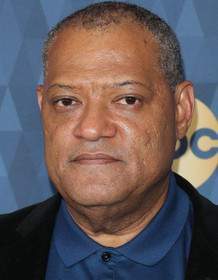
Hannibal 'Iowa' Lee, Jr. (Laurence Fishburne)
Played by Laurence Fishburne
A determined cadet whose ambition mirrors the larger fight for recognition. He earns respect through skill, endures setbacks, and becomes a capable leader among the group. In combat, he demonstrates courage and strategic thinking, contributing to the squad’s evolving reputation.
- 🛫 Pilot
- 💪 Determination
- 🧭 Leader
-
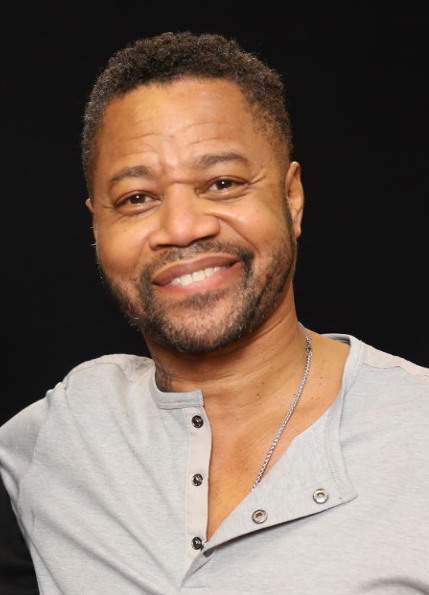
Billy Roberts (Cuba Gooding Jr.)
Played by Cuba Gooding Jr.
A top cadet with a commercial license who proves his nerves and skill under pressure. He and Lee sink a German destroyer and rescue a straggling B-17, showcasing the pilots’ effectiveness. Roberts is later shot down on a subsequent mission, marking the high personal risk of their frontline duties.
- 🛫 Aviator
- 💪 Valor
- WP
Walter Peoples III (Allen Payne)
Played by Allen Payne
A cadet with a commercial pilot license who faces brutal testing from Major Joy. He remains resolute despite intimidation, but the intense pressure contributes to a tragic moment as he makes a catastrophic choice to avoid disgrace. His arc illustrates the extreme strain placed on Black cadets in a prejudiced system.
- 🎖️ Courage
- ⚖️ Pressure
-

Lewis Johns (Mekhi Phifer)
Played by Mekhi Phifer
A cadet who confronts the brutal realities of the program, ultimately dying in a stall crash that shakes the group. His death serves as a stark reminder of the dangers faced during training. His memory fuels the remaining cadets to press forward.
- 💔 Loss
- 🛩️ Training
- LC
Leroy Cappy (Malcolm-Jamal Warner)
Played by Malcolm-Jamal Warner
A cadet who grapples with fear after a deadly crash but chooses to stay and persevere. He ultimately fights in combat, only to be killed in action, underscoring the high cost of proving themselves under wartime prejudice.
- 💪 Resolve
- ⚔️ Courage
- CN
Colonel Noel Rogers (Daniel Hugh Kelly)
Played by Daniel Hugh Kelly
The base commander who enforces strict retraining and discipline. He challenges the cadets with tough standards and questions about integrity, reflecting the rigid hierarchy that the Tuskegee Airmen must contend with. His actions help set the confrontational dynamic on the ground.
- ⚔️ Authority
- 🧭 Leadership
-

Major Sherman Joy (Christopher McDonald)
Played by Christopher McDonald
Director of training who employs aggressive tactics to break down cadets. He challenges the cadets’ resolve, provoking conflict over ethical limits in instruction. His approach sparks debate about whether the end justifies the means in training Black pilots.
- ⚔️ Authority
- 💥 Tactics
- BO
Benjamin O. Davis (Andre Braugher)
Played by Andre Braugher
The commanding officer who defends the cadets during congressional scrutiny and champions their potential. He advocates for broader recognition, helping to form the 332nd Fighter Group. His leadership frames the strategic and political fight for the airmen’s place in the war.
- 🧭 Leadership
- 🏛️ Military
- FL
First Lady Eleanor Roosevelt (Rosemary Murphy)
Played by Rosemary Murphy
A pivotal figure who inspects the base and flies with Lee, bringing public attention to the unit. Her involvement helps shift public perception and catalyze positive press coverage that influences deployment decisions.
- 🗽 Influence
- 📣 Advocacy
-

Senator Conyers (John Lithgow)
Played by John Lithgow
A member of the House Armed Services Committee who participates in hearings examining the Tuskegee experiment. His presence reflects the political scrutiny faced by the pilots and the broader questions about race and capability in the military.
- 🏛️ Politics
- ⚖️ Accountability
Where and When Is The Tuskegee Airmen Set?
The Tuskegee Airmen is set in Tuskegee, Alabama, North Africa, Ramitelli, Italy, Berlin, Germany (1940s). Here is why the time and place matter to the story.
When
1940s
Set during World War II, the film follows Black pilot cadets as they pursue wings amid wartime urgency. The era is marked by segregation and institutional prejudice within the U.S. military, as well as congressional scrutiny of the pilots’ abilities. The timeline spans from base training to overseas deployment and combat missions.
Where
Tuskegee, Alabama, North Africa, Ramitelli, Italy, Berlin, Germany
The story unfolds at the Tuskegee Army Air Field in Alabama where cadets begin their flight training, then moves to combat theaters in North Africa and Italy. It culminates in a Berlin-bound escort mission, highlighting the transition from training to frontline air combat. These locations emphasize both the segregated training environment and the broader theaters where the Tuskegee Airmen proved themselves.
- ⚔️ War setting
- 🧭 Historical
- ✈️ Aviation
What Are the Themes of The Tuskegee Airmen?
3 ideas the story keeps returning to, among them Perseverance, Prejudice and Flight & Freedom.
-
01
Perseverance
The cadets endure harsh training, retake flight exams, and confront dangerous tests with unwavering determination. Their resilience carries them from classroom briefs to solo flights and, ultimately, to combat. This perseverance culminates in graduation, commissions, and a harder-won deployment despite systemic obstacles.
-
02
Prejudice
Racial bias permeates the training environment and public discourse, with some arguing Black pilots cannot handle complex machinery. Congressional hearings and skeptical officials challenge the cadets’ legitimacy. Yet the characters steadily push back against these biases, demanding equality and recognition of their capabilities.
-
03
Flight & Freedom
The pilots learn to fly, solo, and engage in dogfights, proving their competence in the air. Their service reframes patriotism, challenging racism at home while defending democracy abroad. The successes in combat and escort missions broaden the role of Black aviators in the U.S. military.
What Kind of Film Is The Tuskegee Airmen?
Hopeful in tone, with steady pacing and a straightforward story, going by the plot summary.
- Tone
- Hopeful
- Pacing
- Steady
- Story
- Straightforward
- Intensity
- High
- Ending
- Bittersweet
A sobering yet hopeful war drama that balances the tense, gritty realism of combat and racial prejudice with the triumphant perseverance of men proving their worth against overwhelming odds.
- hopeful
- uphill battle
- gritty
- tense
- tragic
- perseverance
- racial prejudice
- overcoming adversity
- world war ii
- military training
Content notes: war violence, suicide, racism and discrimination, death of friends.
Quiz
How well do you remember The Tuskegee Airmen? Test yourself on the story.
Where to Watch The Tuskegee Airmen
Stream it on HBO Max and History Vault, or rent or buy it from Amazon Video and Apple TV Store. US availability and prices from JustWatch.
Stream 3
 HBO Max
  HBO Max Amazon Channel
  History Vault




Streaming availability in the US, powered by