What Is Flying Tigers About?
The premise of Flying Tigers in 347 words, with nothing given away. The full story follows below.
In the clouds above war‑torn China, a rag‑tag group of American volunteers has forged a reputation as the “Flying Tigers,” a daring squadron that darts through danger with the roar of Curtiss P‑40C fighters and the promise of bounties for every enemy aircraft they down. The film immerses the audience in a world where the line between adventure and survival is razor‑thin, and the sky itself feels like a contested battlefield long before the United States formally enters the war. Its tone balances gritty combat realism with the swagger of a bygone era, letting the roar of engines and the distant thunder of artillery shape a palpable sense of urgency.
At the heart of the unit is Jim Gordon, a seasoned commander whose steady hand keeps the squadron airborne amid chaos. He carries the weight of leadership, juggling the logistical realities of a makeshift airfield with the personal hopes and fears of each pilot. The men under his command are a mosaic of personalities—some lured by fame and fortune, others driven by a deeper, perhaps unspoken yearning to prove themselves in the sky. Their camaraderie is as much a survival mechanism as it is a source of friction, hinting at the delicate balance between individual ambition and collective duty.
The arrival of an old acquaintance, Woody Jason, stirs the fragile equilibrium. A charismatic yet headstrong aviator, his presence promises both excitement and unease, as his confidence clashes with the disciplined rhythm Gordon has established. Around them swirl other figures—a trusted right‑hand man, a daring wingman, and a nurse whose affection seems to linger in the background—each adding layers to the interpersonal dynamics that pulse beneath the aircraft’s metal hide.
As the war’s shadows lengthen, the Flying Tigers must confront not only the looming threat of a powerful adversary but also the internal challenges of loyalty, pride, and the inevitable sacrifices demanded by the sky. The story sets the stage for a tense dance between bravery and recklessness, leaving the audience to wonder how far these volunteers will soar when the world demands more than they ever imagined.
What Happens in Flying Tigers?
The complete story of Flying Tigers, from the first scene to the last, in 432 words (about 2 minutes). Spoilers throughout.
Spoilers ahead
Jim Gordon [John Wayne] leads the Flying Tigers, a squadron of volunteer American pilots who fly Curtiss P-40C fighters against Japanese aircraft in the skies over China during the Second Sino-Japanese War. The men are a mixed bag, driven by the lure of bounties for each aircraft downed and by the pure thrill of aerial combat.
One day, Jim’s old friend Woody Jason [John Carroll] shows up—an arrogant, hot-shot aviator who immediately stirs trouble. When the Japanese raid the Flying Tigers’ airbase, Woody darts into action, taking up a P-40 without permission and discovering too late that it has no ammunition. He is shot down, his plane a total wreck, but he survives. As time passes, Woody reveals little respect for teamwork, alienating and endangering the other pilots. He even abandons his wingman, Blackie Bales [Edmund MacDonald], to chase a Japanese aircraft. Blackie is attacked and forced to bail out of his burning P-40, and while suspended in his parachute, he is strafed and killed by the Japanese pilot.
Woody’s reckless streak extends to romance as well, as he pursues nurse Brooke Elliott [Anna Lee], whom many of the Tiger pilots regard as Jim’s girlfriend. On a night out together, Woody’s late return for a patrol prompts Jim to step back and let Hap Davis [Paul Kelly], Jim’s trusted right-hand man who has already been grounded for vision problems at night, take his place. The result is disastrous: Hap misjudges distances in the dogfight and dies in a collision with a Japanese aircraft he is pursuing.
The clash leaves Jim with a hard choice. He confronts Woody and fires him, delivering a blunt message about the discipline the unit must maintain: > It’s out of my hands now. None of these men will ever fly with you again. And they have to fly.
The day following the Pearl Harbor attack—Sunday, December 7, 1941—Jim learns that a vital bridge must be destroyed. The target is heavily defended, and the plan hinges on flying a single, unescorted bomber at very low altitude, a move that feels almost suicidal. Jim volunteers to fly the mission, but Woody insists on joining at the last moment, much to Jim’s irritation. They succeed in destroying the bridge, but too late to prevent a crucial enemy supply train from crossing.
Back in the air, the bomber is struck by flak and set ablaze. Jim bails out, aided by an unexpected push from Woody, who hopes to follow. Yet Woody reveals he has been wounded by flak and cannot escape. He crashes into the train, sacrificing himself to complete the mission.
Flying Tigers Timeline: Every Key Event in Order
12 key events in the order they happen, from “Jim Gordon leads the Flying Tigers” to “Woody's sacrifice and the mission's toll”. 12 events name a place, across 11 locations.
- 1
Jim Gordon leads the Flying Tigers
Jim Gordon commands a new squadron of American volunteers flying Curtiss P-40C fighters over China during the Second Sino-Japanese War. The Tigers are motivated by pay and the thrill of combat as they safeguard air routes and challenge Japanese air power. Gordon's leadership sets the tone for the dangerous, improvisational warfare they undertake.
When:early days of the Flying Tigers' operations in China Where:China (Flying Tigers airbase)
- 2
Woody Jason arrives and stirs trouble
Woody Jason, an arrogant, hot-headed aviator, arrives at the base and immediately clashes with Jim and the squad. He pushes boundaries, takes unnecessary risks, and shows little respect for teamwork. The other pilots view him with a mix of awe and concern as his reckless confidence threatens the unit.
When:shortly after Woody's arrival Where:Flying Tigers airbase, China
- 3
Airbase raid and Woody's unarmed solo flight
During a Japanese raid on the airbase, Woody seizes a P-40 without permission. He discovers it has no ammunition and is quickly shot down by Japanese aircraft, leaving the plane wrecked but Woody unharmed. The incident exposes Woody's impulsiveness and foreshadows the danger he poses to others.
When:during the raid Where:Flying Tigers airbase, China
- 4
Woody's disregard for teamwork costs Blackie Bales
Woody's self-centered tactics put the squad at risk. He abandons his wingman, Blackie Bales, in pursuit of a kill, leaving Blackie to be attacked and forced to bail out. Blackie is strafed by a Japanese pilot as he hangs in his parachute, a fate that mirrors real AVG pilot Bert Christman.
When:days after Woody's reckless act Where:Over China (airspace)
- 5
Woody begins courting nurse Brooke Elliott
Woody begins romancing nurse Brooke Elliott, drawing suspicion from the Tiger pilots who see Brooke as Jim's girlfriend. The growing tension over romance foreshadows loyalty conflicts within the squad. Brooke's presence complicates Jim's authority and the unit's morale.
When:in the weeks that follow Where:base hospital / Brooke's presence
- 6
Date night and Hap Davis substitutes
That night, Woody is late returning from a date with Brooke as a night patrol looms. Jim's trusted right-hand man, Hap Davis, secretly takes his place, despite having just been grounded for deteriorating night vision. In the ensuing dogfight, Hap misjudges distances and is killed when his aircraft collides with a Japanese plane.
When:Sunday, December 7, 1941 Where:Base, then over China
- 7
Jim fires Woody
Following Hap's death and the fallout from Woody's behavior, Jim confronts Woody and fires him, declaring that none of these men will ever fly with him again and that they must continue to fly. The decision marks a dramatic break in their volatile relationship. The squad's morale and cohesion are deeply affected by the firing.
When:immediately after Hap's death Where:Flying Tigers base
- 8
Pearl Harbor day dawns; a critical bridge mission is ordered
A day after the attack on Pearl Harbor, Jim is ordered to destroy a vital bridge to disrupt enemy supply lines. The mission is heavily defended, requiring a low, unescorted bomber run—a near-suicidal tactic. The timing ties the Tigers' actions to America's broader entry into World War II.
When:December 8, 1941 Where:near China, at the bridge target
- 9
Jim volunteers to fly the bomber
Jim volunteers to pilot the bomber himself, taking responsibility for leading the dangerous mission. He embodies leadership and a willingness to sacrifice for strategic gains. The plan hinges on precision and nerve under extreme risk.
When:December 8, 1941 Where:near target area
- 10
Woody tags along at the last moment
In a final bid to prove himself, Woody insists on joining the mission at the last second. Jim resents his presence but is forced to accept Woody aboard the bomber, increasing the mission's tension. The dynamic on the aircraft becomes a powder keg as they close in on the target.
When:December 8, 1941 Where:on the bomber
- 11
Bridge is hit; Jim bails; Woody wounded
The bomber breaches the defenses and cannot prevent the enemy train from crossing the bridge. Flak strikes the aircraft, forcing Jim to bail out, with Woody delivering an unexpected push to help him escape. Woody, however, has concealed a flak wound and stays aboard, crashing into the train and destroying it.
When:December 8, 1941 Where:Bridge target area
- 12
Woody's sacrifice and the mission's toll
Woody's life is sacrificed in the final moments of the mission, a mix of reckless bravado and selfless risk. Jim survives and returns to base with a heavy measure of loss and leadership lessons. The squad mourns both Woody and Blackie, understanding the high cost of war.
When:December 8, 1941 Where:Bridge target area / base
Who Are the Main Characters in Flying Tigers?
5 characters, among them Jim Gordon (John Wayne), Woody Jason (John Carroll) and Brooke Elliott (Anna Lee): who each one is and the part they play in the story. Every profile links to the actor’s page.
-
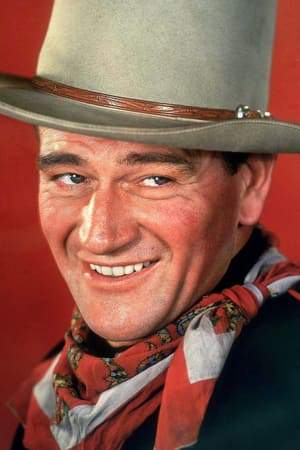
Jim Gordon (John Wayne)
Played by John Wayne
A disciplined and principled leader who commands the Flying Tigers with a focus on safety and teamwork. He keeps a cool head under pressure, makes hard calls like firing Woody, and volunteers for a near-suicidal mission to ensure mission success. His loyalty to his pilots and sense of duty drives the group forward even when the odds are grim.
- 🎖️ Leader
- 🧭 Strategist
- 🛡️ Protector
- WJ
Woody Jason (John Carroll)
Played by John Carroll
A hot-headed, cocky ace whose ego endangers the unit. He disobeys orders, steals a fighter, and pursues glory at the expense of his squad. His charisma masks a lack of teamwork, and his choices ultimately lead to his demise during the climactic mission.
- 🔥 Hothead
- 🏁 Rebel
- 🚨 Risk-taker
- BE
Brooke Elliott (Anna Lee)
Played by Anna Lee
A nurse at the base who becomes the object of Woody's affection, embodying the personal stakes that run alongside the war effort. She represents the human side of the pilots, offering emotional pull amid danger and duty. Her presence highlights the tension between personal desires and the responsibilities of combat.
- ❤️ Love Interest
- 👩⚕️ Nurse
- 🧡 Human cost
- HS
Hap Smith (Paul Kelly)
Played by Paul Kelly
Jim's capable right-hand man, trusted for his experience and reliability. He tries to contribute to missions even as his sight is failing, and his death during a dogfight underscores the fragility of even seasoned pilots. His loss reinforces the cost of aerial warfare on individuals and teams.
- 💪 Loyalist
- 🧭 Veteran
- 🕯️ Sacrifice
- BB
Blackie Bales (Edmund MacDonald)
Played by Edmund MacDonald
Jim's wingman and a steady presence in the squadron. He survives combat until he is killed after bailing out as the parachute is strafed by a Japanese pilot, a brutal reminder of war's indiscriminate danger. His fate helps galvanize the crew toward unity and caution.
- 🤝 Ally
- 🪖 Comrade
- 💥 Tragedy
Where and When Is Flying Tigers Set?
Flying Tigers is set in China (1941). Here is why the time and place matter to the story.
When
1941
Set in the early days of the United States' involvement in World War II, the action unfolds in late 1941 during the Second Sino-Japanese War theater. The narrative spans from pre-Pearl Harbor air campaigns to the immediate post-attack period, including December 7, 1941 and the following day’s mission. The events place the film in late 1941.
Where
China
The Flying Tigers operate in the skies over China during the Second Sino-Japanese War. Bases and airfields in China serve as the hub for tense aerial battles against Japanese fighters. The setting emphasizes the harsh, perilous conditions of early World War II air combat in Asia.
- 🌏 Asia
- ⚔️ War
- 🗺️ China Theater
What Are the Themes of Flying Tigers?
4 ideas the story keeps returning to, among them Duty, Conflict and Sacrifice.
-
01
Duty
The pilots' sense of duty binds a diverse squad, forcing them to endure dangerous missions for the greater good. Jim Gordon leads with discipline and concern for his men, prioritizing teamwork over individual glory. Woody's reckless ambition tests the unit's cohesion, and the film uses these tensions to show how duty demands self-control. The sacrifices of Hap and Blackie underscore the costs of answering the call.
-
02
Conflict
Personal rivalry and pride clash with the demands of a perilous war effort. Woody's arrogance places others at risk, while Jim's insistence on discipline keeps the group focused on missions. The tension between individual desire and collective safety drives key choices, including the fateful bridge mission where timing and trust matter most.
-
03
Sacrifice
The story centers on sacrifice in wartime. Hap dies in a midair collision during the pursuit of a Japanese aircraft, a stark reminder of the price paid by those who fly. Blackie is killed after bailing out when a Japanese pilot strafes his parachute, another grim casualty of war. Woody's final act, while born of bravado, results in the destruction of the enemy train and his own death.
-
04
Loyalty
Loyalty under pressure defines the crew's dynamics. The pilots rely on one another in dangerous operations, despite personal grievances and romantic entanglements. The final mission tests whether trust among teammates can overcome pride and fear. The narrative presents loyalty as the force that holds the squad together when confronted with impossible odds.
What Kind of Film Is Flying Tigers?
Tense in tone, with fast pacing and a straightforward story, going by the plot summary.
- Tone
- Tense
- Pacing
- Fast
- Story
- Straightforward
- Intensity
- High
- Ending
- Bittersweet
A tense and fast-paced wartime drama that delivers gritty aerial combat and explores the heavy emotional toll of leadership and personal sacrifice amidst the chaos of battle.
- tense
- gritty
- grim
- patriotic
- heroic
- tragic
- wartime heroism
- friendship between men
- personal sacrifice
- military discipline
Content notes: war violence, death of main characters, aerial combat fatalities.
Quiz
How well do you remember Flying Tigers? Test yourself on the story.
Where to Watch Flying Tigers
Stream it on Fawesome and History Vault, or rent or buy it from Amazon Video and Apple TV Store. US availability and prices from JustWatch.
Stream 2
 Fawesome
  History Vault




Streaming availability in the US, powered by