
The Story of Louis Pasteur 1936

Directed by

William Dieterle
Made by

Cosmopolitan Productions
Where to Watch The Story of Louis Pasteur
See current US streaming, rental, and purchase options for The Story of Louis Pasteur (1936) via JustWatch.

Streaming availability powered by 
The Story of Louis Pasteur Plot Summary
Read the complete plot summary and ending explained for The Story of Louis Pasteur (1936). From turning points to emotional moments, uncover what really happened and why it matters.
In 1860 Paris, a distraught man murders his wife’s doctor. [Paul Muni] Louis Pasteur has publicly championed the theory that microbes cause disease, urging doctors to wash their hands and sterilize their instruments in boiling water. The tragedy that follows—his wife dying of puerperal fever after childbirth—becomes a turning point, fueling his relentless pursuit of unseen causes and practical solutions in medicine.
France’s medical academy dismisses Pasteur as a crank, with the outspoken Dr. Charbonnet — portrayed by Fritz Leiber — treating his ideas as nothing more than witchcraft. Pasteur openly challenges Charbonnet’s non-sterile methods and warns that such recklessness could prove fatal. The scientist even predicts that a member of the Emperor Napoleon III’s circle who Charbonnet is tending will die of puerperal fever, a claim that fans the flames of controversy and puts Pasteur in direct opposition to the establishment. Walter Kingsford embodies the Emperor in the story, underscoring the political pressure that shadows scientific progress. Disillusioned by the hostility in Paris, Pasteur withdraws to Arbois, seeking a calmer ground on which to test his ideas.
The narrative shifts to the 1870s, as a new French government grapples with economic recovery after the Franco-Prussian War. They discover that sheep die of anthrax except near Arbois, a clue that points toward Pasteur’s work. The government buys land there and invites sheep farmers to test his approach, while Pasteur remains wary, insisting that the soil itself may be contaminated with anthrax spores. He proposes a bold experiment: vaccinate 25 of the newly arrived sheep and compare them to another 25 that receive blood from an infected sheep. The scene draws in key supporters, including Dr. Lister, a pioneer of antiseptic surgery in England, who attends and witnesses Pasteur’s method. On the personal front, Jean Martel, a young doctor who once assisted Charbonnet but now follows Pasteur, becomes engaged to Pasteur’s daughter, Annette. Donald Woods brings Martel to life, while Anita Louise plays Annette, welding professional ambition to intimate family ties.
Trouble erupts when a rabid dog runs through town and bites a man. A woman’s desperate attempt at cure by witchcraft underscores the stubborn limits of contemporary medicine, and Pasteur laments that doctors may have lost even their best chances of success. Returning to Paris, he makes rabies his next challenge. He experiments by exposing animals to the disease and attempting to shield others with vaccines, but he cannot yet detect any microbial agents—viruses had not been discovered—and the initial vaccine strategy with rabies falters. Dr. Charbonnet returns to gloat over Pasteur’s failures, injecting himself with rabies and seemingly escaping the disease. Pasteur is puzzled until his wife, Marie, suggests that the older sample may have weakened with age, prompting a crucial turn in his thinking. Josephine Hutchinson embodies Marie Pasteur, offering emotional balance to the scientist’s clinical fervor. This hiccup becomes a catalyst, as Pasteur embarks on a more nuanced path, administering progressively stronger injections to dogs and refining the approach.
A desperate mother arrives with her rabies-bitten child—her plea compels Pasteur to act, despite the looming risk of legal and professional jeopardy for practicing medicine without a license. The boy’s case becomes a defining moment, and Pasteur accepts the moral duty to try an untested treatment. At this juncture, Dr. Zaranoff arrives from Russia with a group of peasants exposed to rabies, volunteering for Pasteur’s protocol. Akim Tamiroff embodies Zaranoff, signaling an international dimension to Pasteur’s work. Meanwhile, Annette goes into labor with Martel’s child, and the scheduled birth places additional strain on an already fragile situation. When an available physician cannot attend, Pasteur seeks Charbonnet’s help once more, and Charbonnet agrees to a tense compromise: if Pasteur retracts his rabies work within a month, Charbonnet will concede and withdraw his opposition. The birth proceeds with success, but Pasteur suffers a mild stroke in the process.
Later, news arrives that Pasteur has permission to treat the Russians who remain alive after exposure. He attends them in hospital for the first injections, moving from a wheelchair to a cane as the days progress. The breakthrough vindicates his method, and even Charbonnet yields, tearing up his retraction and requesting the shots himself. In the aftermath, Pasteur learns that the renowned Dr. Lister may denounce him at the medical academy, but the anticipated confrontation dissolves into celebration: Lister praises the work, Dr. Zaranoff presents his Russian medal, and the medical community ultimately honors Pasteur for a visionary line of research that bridged theory and practice, transforming the future of medicine.
The Story of Louis Pasteur Timeline
Follow the complete movie timeline of The Story of Louis Pasteur (1936) with every major event in chronological order. Great for understanding complex plots and story progression.
Pasteur's public theory on microbes
In 1860 Paris, Louis Pasteur publicly argues that microbes cause disease and that doctors should wash their hands and sterilize their instruments. His warnings are met with hostility from the medical academy, who dismiss him as a crank. He even predicts that a member of Napoleon III's royal family will die from puerperal fever, which heightens the controversy surrounding his ideas.
Backlash and relocation to Arbois
Pasteur faces continued opposition from the academy and Charbonnet, who brand his ideas as witchcraft. The backlash convinces him that he must leave Paris to pursue his work more freely. He relocates to Arbois to continue his research away from the capital's scrutiny.
Arbois becomes the hub for anthrax work
In the 1870s, as France seeks to rebuild after war, the government learns that sheep near Arbois remain free of anthrax while others die. Pasteur forms a small, loyal team and begins laying the groundwork for an anthrax vaccine. The project anchors itself in Arbois, far from Paris’s critics.
Anthrax vaccine trial demonstrates success
Pasteur vaccinates 25 newly arrived sheep and leaves another 25 as controls, using blood from an infected sheep for the challenge. The vaccinated sheep stay healthy while the controls die, showcasing the vaccine's promise. Joseph Lister attends the demonstration, signaling international interest.
Martel and Annette's engagement
Jean Martel, once Charbonnet's assistant but now aligned with Pasteur, becomes engaged to Pasteur's daughter Annette. The personal side of Pasteur's life strengthens as science and family ties intertwine. The engagement occurs amid the ongoing research in Arbois.
Rabid dog bites a man; superstition flares
A rabid dog runs through the town, biting a man and sparking fear. A woman attempts to cure him with witchcraft, illustrating the town's desperation and superstition. Pasteur laments that doctors lack reliable remedies for rabies at this early stage of his work.
Pasteur returns to Paris to pursue rabies
Moving back to Paris, Pasteur pivots to rabies as his next frontier. He conducts experiments to understand transmission, attempting to pass the disease from one animal to another, though microbes had not yet been identified. The work marks a high-stakes leap in his career.
Charbonnet's self-inoculation setback
Charbonnet visits the lab and injects himself with rabies, believing himself immune due to an old sample. Pasteur is puzzled by the apparent success and the contradiction it poses for his theory, spurring him to refine the experimental approach. The moment underscores the intense rivalry between the two men.
Desperate plea to treat a rabies bite
A frantic mother begs Pasteur to try his untested treatment on her rabies-bitten son. Despite fears of practicing without a license, Pasteur decides to proceed, driven by a sense of responsibility to save the child. The decision marks a pivotal turn in experimental therapy for rabies.
Zaranoff arrives with Russian volunteers
Dr. Zaranoff arrives from Russia with a group of peasants exposed to rabies who volunteer to receive Pasteur's treatment. The Russian cohort expands the scope of Pasteur's work beyond a single patient and adds international momentum to the effort. The collaboration symbolizes a turning point in the acceptance of his methods.
Annette goes into labor; Charbonnet's terms
As trials continue, Annette goes into labor but a doctor is unavailable. Pasteur begs Charbonnet to wash his hands and sterilize, and Charbonnet agrees only if Pasteur retracts and denounces his rabies work after a month. The birth proceeds under tense conditions, highlighting the personal costs of scientific risk.
Pasteur suffers a mild stroke
The stressful period takes its toll when Pasteur experiences a mild stroke during the ongoing experiments. Despite the setback, he shows resilience and continues the work with the Russians. The episode underscores the human cost of scientific progress.
First injections in the Russian program succeed
Pasteur proceeds with the Russian patients in a hospital setting, using a wheelchair and later a cane as he administers the early injections. The initial results are positive, validating his approach and boosting confidence among the medical community. The success marks a meaningful milestone in the rabies campaign.
Charbonnet retracts and seeks the shots
Charbonnet tears up his earlier retraction and requests to be vaccinated himself in a dramatic turn of events. The reversal signals a broader acceptance of Pasteur's methods among even his fiercest critics. The moment cements Pasteur's vindication in the eyes of some skeptics.
Lister's praise and formal honors arrive
Lister publicly praises Pasteur, countering earlier opposition from the academy. Zaranoff presents a Russian medal, and doctors begin to honor Pasteur for his pioneering work. The film closes on a note of recognition and international regard for Pasteur's contributions.
The Story of Louis Pasteur Characters
Explore all characters from The Story of Louis Pasteur (1936). Get detailed profiles with their roles, arcs, and key relationships explained.
Louis Pasteur (Paul Muni)
A pioneering chemist who popularizes germ theory and champions sterilization and hand-washing to prevent disease. He endures dismissal by France's medical academy and is labeled a crank, facing opposition led by Charbonnet. He correctly predicts that a member of Napoleon III's royal family will die of puerperal fever, fueling controversy and sending him to Arbois. In the 1870s, he leads the development of vaccines against anthrax and pursues rabies research, earning grudging respect from some previously skeptical doctors.
Marie Pasteur (Josephine Hutchinson)
Pasteur's wife provides steady support through the storms of controversy. She suggests that a sample may have weakened with age, an insight that influences the interpretation of competing results. She remains a supportive partner as he moves from Paris to Arbois and faces public skepticism.
Annette Pasteur (Anita Louise)
Pasteur's daughter who shares in the family's scientific hopes. She becomes engaged to Dr. Martel, linking personal stakes with scientific progress. Her presence underscores the human cost and emotional dimension of the pursuit of cures.
Joseph Meister (Dickie Moore)
The young boy bitten by a rabid dog who becomes central to Pasteur's rabies work. His condition drives the urgency of Pasteur's experimental treatment, despite the risk of illegal practice. His survival becomes a turning point that validates Pasteur's approach.
Dr. Charbonnet (Fritz Leiber)
Pasteur's main antagonist, a skeptical physician who dismisses new ideas as witchcraft. He opposes sterilization and clings to established methods, posing a constant challenge to Pasteur's work. He eventually concedes after Pasteur's successes, symbolizing a shift in medical opinion.
Dr. Lister (Halliwell Hobbes)
Pioneer of antiseptic surgery who attends Pasteur's experiments and recognizes their value. He publicly praises Pasteur and honors his work, helping to bridge the gap between Pasteur and a skeptical medical community.
Dr. Jean Martel (Donald Woods)
A young doctor who shifts from Charbonnet's camp to Pasteur's side. He becomes engaged to Annette, illustrating how personal and professional loyalties intertwine as science advances.
Dr. Zaranoff (Akim Tamiroff)
A Russian physician arriving with groups exposed to rabies, who volunteers to receive Pasteur's treatment. His participation broadens the scope of Pasteur's experiments and strengthens the case for vaccination.
Napoleon III (Walter Kingsford)
The Emperor who initially opposes Pasteur, reflecting the political risks faced by scientific reformers in state circles.
Empress Eugénie (Iphigenie Castiglioni)
A symbol of the imperial era, present in the circle of power as Pasteur's work challenges traditional trust in established medicine.
Louis Adolphe Thiers (Herbert Corthell)
A political figure of the era who interacts with the medical debates around Pasteur's reforms and discoveries.
Dr. Rossignol (Porter Hall)
A doctor who embodies the medical establishment's cautious stance and skepticism toward Pasteur's methods.
Dr. Emile Roux (Henry O'Neill)
A colleague of Pasteur who collaborates in his research, reflecting the collaborative nature of scientific progress.
Dr. Pfeiffer (Frank Reicher)
A physician in the cast who represents the broader medical community's involvement in Pasteur's era.
Dr. Radisse (Raymond Brown)
Another physician involved in the era's debates and experiments surrounding Pasteur's discoveries.
Mrs. Meister (Ruth Robinson)
Mother of Joseph Meister, whose concern and hope intersect with the ethical stakes of experimental rabies treatment.
The Story of Louis Pasteur Settings
Learn where and when The Story of Louis Pasteur (1936) takes place. Explore the film’s settings, era, and how they shape the narrative.
Time period
1860s–1870s
Set in mid-to-late 19th century France, the narrative begins with Pasteur's public battles in Paris and moves into the 1870s, when anthrax and rabies work take center stage. It portrays the era's rapid scientific advances amid political change after the Franco‑Prussian War, shaping the acceptance of new medical ideas.
Location
Paris, Arbois
The story unfolds in 1860s Paris, where Pasteur's germ-theory ideas meet institutional resistance. It later shifts to Arbois in the 1870s, where his vaccines and experiments gain traction away from the capital's politics. The settings reflect a clash between bustling urban science and rural testing grounds, central to Pasteur's breakthroughs.
The Story of Louis Pasteur Themes
Discover the main themes in The Story of Louis Pasteur (1936). Analyze the deeper meanings, emotional layers, and social commentary behind the film.
🧪
Science vs Skepticism
Pasteur's germ-theory breakthroughs confront entrenched medical authorities and Charbonnet. The film tracks the push-pull between empirical evidence and inherited beliefs. It shows how persistence and proof can overcome rigid institutional barriers. Public recognition comes only after the data speaks for itself.
⚖️
Ethics and Risk
Pasteur conducts dangerous experiments with animals and humans under the pressure of urgent need. He faces legal and professional peril for practicing medicine outside formal licensing. The story weighs the moral costs of pursuing cures against the duty to protect patients. Ultimately, ethical safeguards and scientific integrity guide tough decisions.
💉
Public Health and Vaccination
The anthrax vaccine in cattle and the rabies work illustrate vaccination's life-saving potential. Government involvement and institutional support help translate lab success into real-world health outcomes. The film frames public health as a collaborative effort among scientists, doctors, and the state. These efforts change how society fights infectious disease.

Coming soon on iOS and Android
The Plot Explained Mobile App
From blockbusters to hidden gems — dive into movie stories anytime, anywhere. Save your favorites, discover plots faster, and never miss a twist again.
Sign up to be the first to know when we launch. Your email stays private — always.
Explore the mobile appThe Story of Louis Pasteur Spoiler-Free Summary
Discover the spoiler-free summary of The Story of Louis Pasteur (1936). Get a concise overview without any spoilers.
In the bustling streets of 19th‑century Paris, the world of medicine stands on a fragile precipice, torn between centuries‑old habits and a dawning understanding of invisible enemies. Against this backdrop, Louis Pasteur emerges as a relentless thinker, driven by a conviction that unseen microbes dictate the fate of patients. The film paints the city and its rural retreats with a painterly realism, letting the clatter of carriage wheels and the hush of laboratory glass convey a tension that is both intellectual and deeply human.
Marie Pasteur, his steadfast partner, provides the emotional anchor that grounds his scientific obsession, while the skeptical Dr. Charbonnet embodies the entrenched orthodoxy that resists change. Their clashes are less about personal animosity and more about a clash of eras—sterile instruments versus time‑worn practices, hand‑washing rituals against the comfort of tradition. The presence of the imperial court, hinted at through the figure of the Emperor, adds a subtle layer of political pressure, reminding viewers that breakthroughs are never pursued in a vacuum.
Beyond the halls of Parisian academies, the story widens to include allies such as the pioneering English surgeon Dr. Lister, whose own crusade against infection mirrors Pasteur’s quest, and the eager young physician Jean Martel, who looks to the future with hope and admiration. Meanwhile, Annette Pasteur, their daughter, weaves personal devotion into the tapestry of scientific ambition, hinting at the delicate balance between family and discovery.
The tone is one of measured urgency, a historical drama that blends meticulous period detail with the restless curiosity of a mind unwilling to accept the status quo. As the narrative unfolds, viewers are drawn into a world where the pursuit of knowledge could reshape societies, even as the characters wrestle with the very real costs of daring to see what others refuse to acknowledge.
Movies with Similar Twists and Themes
Uncover films that echo the narrative beats, emotional arcs, or dramatic twists of the one you're exploring. These recommendations are handpicked based on story depth, thematic resonance, and spoiler-worthy moments — perfect for fans who crave more of the same intrigue.
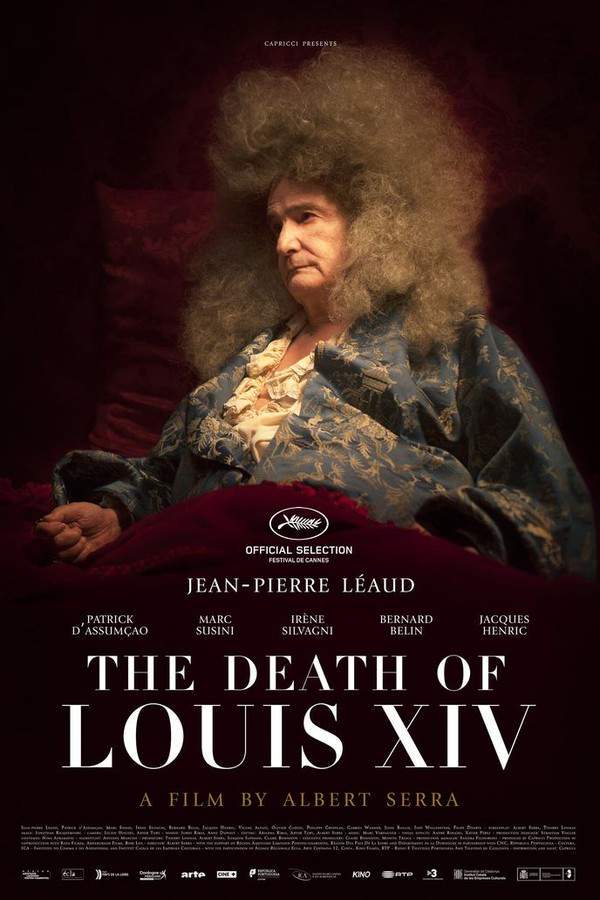
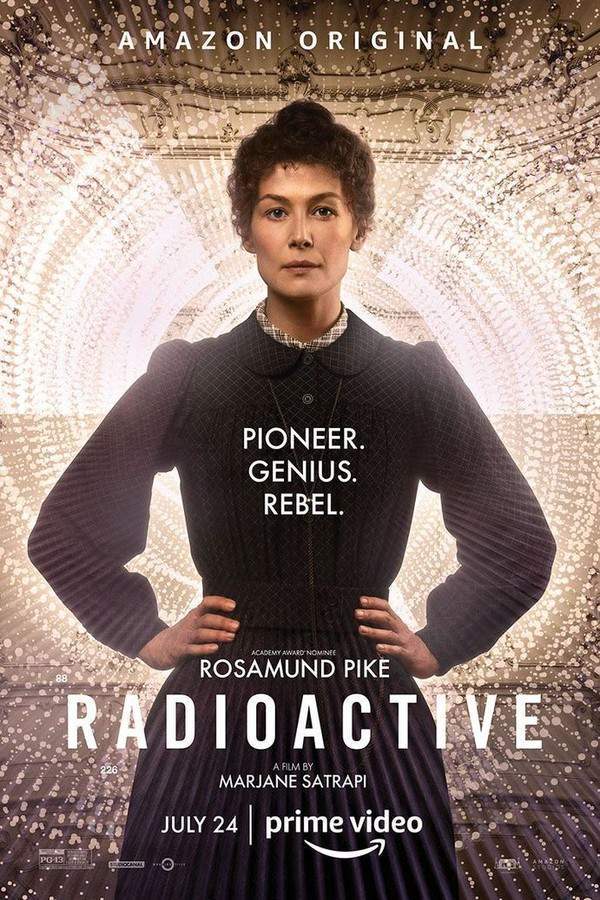


Featured on this page

What's After the Movie?
Not sure whether to stay after the credits? Find out!
Check out our other apps:

SAT Sphere
Build confidence for the Digital SAT.

Mori Atlas
Discover wild places worth protecting.

Luntero
Search smarter for a home in Amsterdam.

Plot Explained
Unravel movie endings and hidden clues.

Pokechamp
Dive into Pokémon data and battle logic.

Driving Theory
Get ready for your European theory test.

Movie Dust
Plan your next cinema trip with ease.

Musemap
Find art and culture as you travel.

Selkobase
Compare credentials before committing.

Local Manual
Turn an unfamiliar country into practical next steps.

Lernavi
Compare school systems before your next move.

GymRoam
Find a workout stop wherever your plans take you.
Explore Our Movie Platform
New Movie Releases (2026)
Famous Movie Actors
Top Film Production Studios
Movie Plot Summaries & Endings
Major Movie Awards & Winners
Best Concert Films & Music Documentaries
Movie Collections and Curated Lists
© 2026 What's After the Movie. All rights reserved.
Privacy Policy