The Story of Louis Pasteur 1936


A true story of Louis Pasteur, the pioneering scientist whose discoveries showed that microbes cause many diseases, emphasized the importance of sanitation, and led to the development of life‑saving vaccines. His work laid the groundwork for germ theory and introduced pasteurization, saving countless lives.


Does The Story of Louis Pasteur have end credit scenes?
No!
The Story of Louis Pasteur does not have end credit scenes. You can leave when the credits roll.
Where to Watch The Story of Louis Pasteur
See current US streaming, rental, and purchase options for The Story of Louis Pasteur (1936) via JustWatch.

Streaming availability powered by 
Meet the Full Cast and Actors of The Story of Louis Pasteur
Explore the complete cast of The Story of Louis Pasteur, including both lead and supporting actors. Learn who plays each character, discover their past roles and achievements, and find out what makes this ensemble cast stand out in the world of film and television.
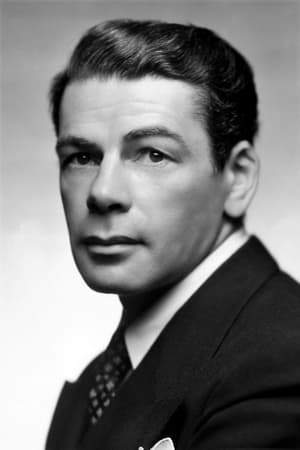
Paul Muni
Louis Pasteur
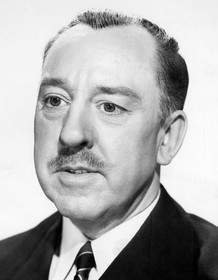
Porter Hall
Dr. Rossignol
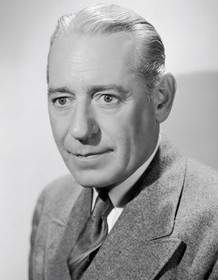
Henry O'Neill
Dr. Emile Roux
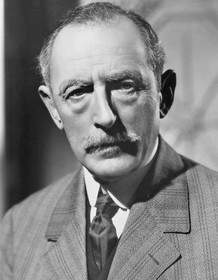
Frank Reicher
Dr. Pfeiffer

Dickie Moore
Joseph Meister
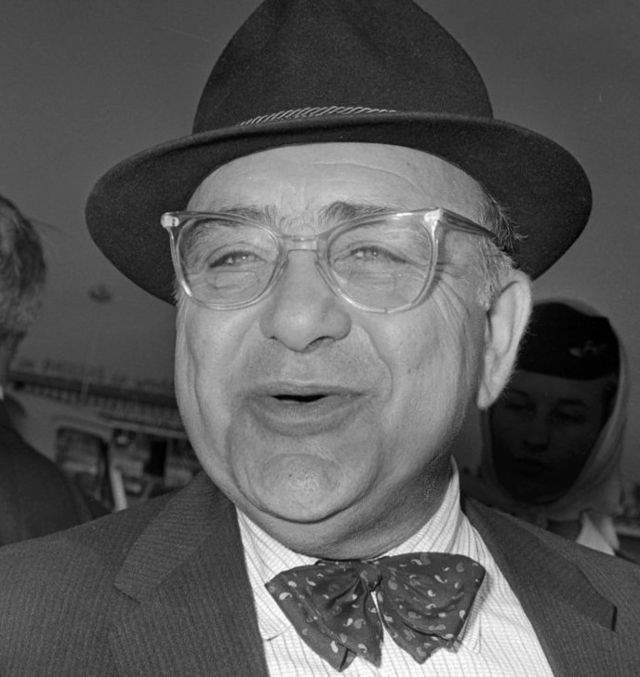
Akim Tamiroff
Dr. Zaranoff

Donald Woods
Dr. Jean Martel
Josephine Hutchinson
Marie Pasteur
Fritz Leiber
Dr. Charbonnet
Walter Kingsford
Napoleon III
Anita Louise
Annette Pasteur
Ruth Robinson
Mrs. Meister
Raymond Brown
Dr. Radisse
Halliwell Hobbes
Dr. Lister
Iphigenie Castiglioni
Empress Eugénie
Herbert Corthell
Louis Adolphe Thiers, 1st President, Republic of France
External Links and Streaming Options
Discover where to watch The Story of Louis Pasteur online, including streaming platforms, rental options, and official sources. Compare reviews, ratings, and in-depth movie information across sites like IMDb, TMDb, Wikipedia or Letterboxd.




Take the Ultimate The Story of Louis Pasteur Movie Quiz
Challenge your knowledge of The Story of Louis Pasteur with this fun and interactive movie quiz. Test yourself on key plot points, iconic characters, hidden details, and memorable moments to see how well you really know the film.
The Story of Louis Pasteur Quiz: Test your knowledge of the 1936 film "The Story of Louis Pasteur" with these ten questions ranging from easy to difficult.
Which actor portrayed Louis Pasteur in the film?
Full Plot Summary and Ending Explained for The Story of Louis Pasteur
Read the complete plot summary of The Story of Louis Pasteur, including all major events, twists, and the full ending explained in detail. Explore key characters, themes, hidden meanings, and everything you need to understand the story from beginning to end.
In 1860 Paris, a distraught man murders his wife’s doctor. [Paul Muni] Louis Pasteur has publicly championed the theory that microbes cause disease, urging doctors to wash their hands and sterilize their instruments in boiling water. The tragedy that follows—his wife dying of puerperal fever after childbirth—becomes a turning point, fueling his relentless pursuit of unseen causes and practical solutions in medicine.
France’s medical academy dismisses Pasteur as a crank, with the outspoken Dr. Charbonnet — portrayed by Fritz Leiber — treating his ideas as nothing more than witchcraft. Pasteur openly challenges Charbonnet’s non-sterile methods and warns that such recklessness could prove fatal. The scientist even predicts that a member of the Emperor Napoleon III’s circle who Charbonnet is tending will die of puerperal fever, a claim that fans the flames of controversy and puts Pasteur in direct opposition to the establishment. Walter Kingsford embodies the Emperor in the story, underscoring the political pressure that shadows scientific progress. Disillusioned by the hostility in Paris, Pasteur withdraws to Arbois, seeking a calmer ground on which to test his ideas.
The narrative shifts to the 1870s, as a new French government grapples with economic recovery after the Franco-Prussian War. They discover that sheep die of anthrax except near Arbois, a clue that points toward Pasteur’s work. The government buys land there and invites sheep farmers to test his approach, while Pasteur remains wary, insisting that the soil itself may be contaminated with anthrax spores. He proposes a bold experiment: vaccinate 25 of the newly arrived sheep and compare them to another 25 that receive blood from an infected sheep. The scene draws in key supporters, including Dr. Lister, a pioneer of antiseptic surgery in England, who attends and witnesses Pasteur’s method. On the personal front, Jean Martel, a young doctor who once assisted Charbonnet but now follows Pasteur, becomes engaged to Pasteur’s daughter, Annette. Donald Woods brings Martel to life, while Anita Louise plays Annette, welding professional ambition to intimate family ties.
Trouble erupts when a rabid dog runs through town and bites a man. A woman’s desperate attempt at cure by witchcraft underscores the stubborn limits of contemporary medicine, and Pasteur laments that doctors may have lost even their best chances of success. Returning to Paris, he makes rabies his next challenge. He experiments by exposing animals to the disease and attempting to shield others with vaccines, but he cannot yet detect any microbial agents—viruses had not been discovered—and the initial vaccine strategy with rabies falters. Dr. Charbonnet returns to gloat over Pasteur’s failures, injecting himself with rabies and seemingly escaping the disease. Pasteur is puzzled until his wife, Marie, suggests that the older sample may have weakened with age, prompting a crucial turn in his thinking. Josephine Hutchinson embodies Marie Pasteur, offering emotional balance to the scientist’s clinical fervor. This hiccup becomes a catalyst, as Pasteur embarks on a more nuanced path, administering progressively stronger injections to dogs and refining the approach.
A desperate mother arrives with her rabies-bitten child—her plea compels Pasteur to act, despite the looming risk of legal and professional jeopardy for practicing medicine without a license. The boy’s case becomes a defining moment, and Pasteur accepts the moral duty to try an untested treatment. At this juncture, Dr. Zaranoff arrives from Russia with a group of peasants exposed to rabies, volunteering for Pasteur’s protocol. Akim Tamiroff embodies Zaranoff, signaling an international dimension to Pasteur’s work. Meanwhile, Annette goes into labor with Martel’s child, and the scheduled birth places additional strain on an already fragile situation. When an available physician cannot attend, Pasteur seeks Charbonnet’s help once more, and Charbonnet agrees to a tense compromise: if Pasteur retracts his rabies work within a month, Charbonnet will concede and withdraw his opposition. The birth proceeds with success, but Pasteur suffers a mild stroke in the process.
Later, news arrives that Pasteur has permission to treat the Russians who remain alive after exposure. He attends them in hospital for the first injections, moving from a wheelchair to a cane as the days progress. The breakthrough vindicates his method, and even Charbonnet yields, tearing up his retraction and requesting the shots himself. In the aftermath, Pasteur learns that the renowned Dr. Lister may denounce him at the medical academy, but the anticipated confrontation dissolves into celebration: Lister praises the work, Dr. Zaranoff presents his Russian medal, and the medical community ultimately honors Pasteur for a visionary line of research that bridged theory and practice, transforming the future of medicine.

Coming soon on iOS and Android
The Plot Explained Mobile App
From blockbusters to hidden gems — dive into movie stories anytime, anywhere. Save your favorites, discover plots faster, and never miss a twist again.
Sign up to be the first to know when we launch. Your email stays private — always.
Explore the mobile appDiscover Film Music Concerts Near You – Live Orchestras Performing Iconic Movie Soundtracks
Immerse yourself in the magic of cinema with live orchestral performances of your favorite film scores. From sweeping Hollywood blockbusters and animated classics to epic fantasy soundtracks, our curated listings connect you to upcoming film music events worldwide.
Explore concert film screenings paired with full orchestra concerts, read detailed event information, and secure your tickets for unforgettable evenings celebrating legendary composers like John Williams, Hans Zimmer, and more.


The Story of Louis Pasteur Themes and Keywords
Discover the central themes, ideas, and keywords that define the movie’s story, tone, and message. Analyze the film’s deeper meanings, genre influences, and recurring concepts.

Unlock the World of Movies with Our Comprehensive Wiki
Dive into our Movie Wiki for in-depth film encyclopedia entries, including cast biographies, production trivia, plot synopses, behind-the-scenes facts, and thematic analyses. Whether you’re researching iconic directors, exploring genre histories, or discovering hidden easter eggs, our expertly curated movie database has everything you need to fuel your cinematic passion.
Similar Movies To The Story of Louis Pasteur You Should Know About
Browse a curated list of movies similar in genre, tone, characters, or story structure. Discover new titles like the one you're watching, perfect for fans of related plots, vibes, or cinematic styles.




Quick Links: Summary, Cast, Ratings, More

What's After the Movie?
Not sure whether to stay after the credits? Find out!
Check out our other apps:

SAT Sphere
Build confidence for the Digital SAT.

Mori Atlas
Discover wild places worth protecting.

Luntero
Search smarter for a home in Amsterdam.

Plot Explained
Unravel movie endings and hidden clues.

Pokechamp
Dive into Pokémon data and battle logic.

Driving Theory
Get ready for your European theory test.

Movie Dust
Plan your next cinema trip with ease.

Musemap
Find art and culture as you travel.

Selkobase
Compare credentials before committing.

Local Manual
Turn an unfamiliar country into practical next steps.

Lernavi
Compare school systems before your next move.

GymRoam
Find a workout stop wherever your plans take you.
Explore Our Movie Platform
New Movie Releases (2026)
Famous Movie Actors
Top Film Production Studios
Movie Plot Summaries & Endings
Major Movie Awards & Winners
Best Concert Films & Music Documentaries
Movie Collections and Curated Lists
© 2026 What's After the Movie. All rights reserved.
Privacy Policy