Les Misérables 1978



A classic tale of a man’s search for freedom and another’s quest for revenge. In 19th‑century France, ex‑convict Jean Valjean, imprisoned for stealing a loaf of bread, is pursued relentlessly by Inspector Javert. Their cat‑and‑mouse chase consumes both lives, eventually drawing Valjean into the upheaval of the student revolutions that erupt across France.


Does Les Misérables have end credit scenes?
No!
Les Misérables does not have end credit scenes. You can leave when the credits roll.
Where to Watch Les Misérables
See current US streaming, rental, and purchase options for Les Misérables (1978) via JustWatch.

Amazon Prime Video
HD
Amazon Prime Video with Ads
HD
Broadway HD Amazon Channel
HD
BroadwayHD
HD
fuboTV
HD
Shout! Factory Amazon Channel
HD
Amazon Prime Video Free with Ads
HD
Plex
HD
Plex Channel
HD
Shout! Factory TV
HD
The Roku Channel
HD
Tubi TV
SD
YouTube Free
HD
Amazon Video
SD
Apple TV Store
HD
Fandango At Home
SD
YouTube
SD Streaming availability powered by 
Meet the Full Cast and Actors of Les Misérables
Explore the complete cast of Les Misérables, including both lead and supporting actors. Learn who plays each character, discover their past roles and achievements, and find out what makes this ensemble cast stand out in the world of film and television.

John Gielgud
Gillenormand
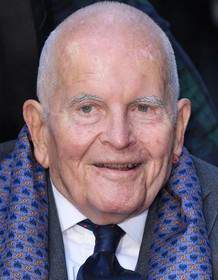
Ian Holm
Thénardier

Richard Jordan
Jean Valjean

Celia Johnson
Sister Simplice

Anthony Perkins
Javert

Flora Robson
the Prioress

Cyril Cusack
Fauchlevent

Kenneth Colley
Police Prefect

Claude Dauphin
Bishop Myriel
Donald Sumpter
Agent
Joyce Redman
Magliore
William Squire
Magistrate
Dave Hill
Chenildieu
Caroline Blakiston
Mme Thénardier
Michael Sheard
Commissary
Struan Rodger
Javert's Aide
Angela Pleasence
Fantine
Caroline Langrishe
Cosette
Rupert Frazer
Gendarme
Geoffrey Russell
Court President
Timothy Morand
Enjolras
Roy Evans
Brevet
Christian Rodska
Antoine
Delena Kidd
Valjean's Sister
Brian McDermott
Lebec
Christopher Guard
Marius
Christopher Burgess
Police Inspector
John Moreno
Cochopaille
Eileen Way
Lodger
Anthony May
Gendarme
Donald Bisset
Gillenormand's Servant
Joanna Price
Cosette as child
Michael Barrell
Spectator
External Links and Streaming Options
Discover where to watch Les Misérables online, including streaming platforms, rental options, and official sources. Compare reviews, ratings, and in-depth movie information across sites like IMDb, TMDb, Wikipedia or Letterboxd.




Take the Ultimate Les Misérables Movie Quiz
Challenge your knowledge of Les Misérables with this fun and interactive movie quiz. Test yourself on key plot points, iconic characters, hidden details, and memorable moments to see how well you really know the film.
Les Misérables (1978) Quiz: Test your knowledge of the 1978 film adaptation of Les Misérables with these ten questions ranging from easy to challenging.
Which actor portrays the central character Jean Valjean?
Full Plot Summary and Ending Explained for Les Misérables
Read the complete plot summary of Les Misérables, including all major events, twists, and the full ending explained in detail. Explore key characters, themes, hidden meanings, and everything you need to understand the story from beginning to end.
Jean Valjean Richard Jordan is introduced through a harsh, unforgiving start in Toulon Prison, where his strength under pressure—demonstrated when he helps free a man crushed under a boulder—sparks the attention of Javert Anthony Perkins. The escape that follows comes after Valjean saves another convict from danger, and the film keeps a tight, linear pace as it traces the arc of a man shaped by cruelty and survival. A pivotal encounter with a kindly Bishop Myriel Claude Dauphin changes everything: the bishop provides shelter and forgiveness after Valjean steals silver, and his subsequent kindness convinces Valjean to choose a different path. The moment is framed as a moral turning point, with the bishop’s quiet declaration about redemption echoing as a instruction and a vow.
Valjean’s transformation unfolds quickly into a new identity. He becomes a successful businessman, leveraging the Toulon-bead manufacturing technique to build a fortune and later assuming the name Madeleine to serve as the town’s mayor. Javert rises to lead the local police and remains fixated on the possibility that Madeleine is the escaped convict Valjean, even as Madeleine’s public success seems to contradict his past. The story’s empathetic thread deepens when Fantine [Angela Pleasence] is brought into relief; Valjean intervenes to shield her from punishment, and Javert witnesses another remarkable act of strength as Valjean saves a man trapped beneath a cart. The tension between mercy and the insistence on justice drives the conflict, culminating in Javert’s bitter denunciation, and then a dramatic misidentification that temporarily sends another man to prison in Valjean’s stead. Valjean must reveal himself in Arras to secure the release of the innocent, an act that redefines his obligation and his fate.
Upon returning home, Valjean faces the consequences of his dual life. He strives to comfort Fantine as she dies, while learning that the Thénardiers have been exploiting Cosette. Javert presses for his arrest, and Valjean escapes once again, though the price of mercy weighs heavily. He secures Cosette’s freedom by ransoming her from the Thénardiers, offering not only money but a sense of safety and a doll that becomes a symbol of care. The pair flee to Paris, where the gardener—an ally Valjean rescued earlier—arranges a discreet life for them in a convent, and Cosette begins a life of schooling and growth under the care of the community.
As Cosette grows into a young woman, a new romance emerges that will shape the film’s second act: she and Marius fall in love at first sight. Marius [Christopher Guard] enters quietly, drawn to Cosette through a shared moment in a public garden, and their connection is confirmed by the aftermath of encounter as the couple’s future becomes a focal point for both their families and the broader political tensions of the era. Marius seeks support from his grandfather Gillenormand [John Gielgud], who proves wary of radical ideas and the relationship that could bind Cosette to Marius. The radicals’ banner rises in Paris, and a barricade is erected, pitting the insurgents against the established authorities. Gavroche [Dexter Fletcher], the streetwise urchin, becomes a crucial courier, and the hidden role of Javert is exposed by Enjolras, who orders Javert to be arrested if the barricade holds against the government’s assault.
Valjean’s choice to intervene at the barricade marks a turning point of mercy over vengeance. He pleads with Marius to abandon the militants, while Gavroche, faithful to the cause, carries messages and ultimately falls to gunfire. Enjolras grants Valjean permission to kill Javert, but the mayor chooses mercy instead, echoing the bishop’s creed about the purchase of a soul for God. The rescue effort continues as Marius is wounded, and Valjean carries him through the sewers to escape the pursuing soldiers. Javert, confronted with Valjean’s act of mercy, faces a crisis of conscience and, unable to reconcile the day’s events, ends his life by leaping into the Seine.
The film closes on a quieter note than the barricades would suggest: Cosette and Marius marry, and the wedding is held with a small circle present—Valjean and Gillenormand among the few who attend. The story’s emotional heart is Valjean’s unwavering fidelity to Cosette and his ongoing commitment to living a life of mercy, even as the world around him trembles with revolution and upheaval. The cast—led by the enduring performances of John Gielgud as Gillenormand, Ian Holm as the Thénardier, and Claude Dauphin as the Bishop—provides a streamlined, character-driven incarnation of a vast, complex saga. The result is a narrative that remains faithful to its core themes—redemption, love, sacrifice, and the moral cost of a life lived for others—while presenting them through a concise, chronological lens that emphasizes human resilience and compassion.

Coming soon on iOS and Android
The Plot Explained Mobile App
From blockbusters to hidden gems — dive into movie stories anytime, anywhere. Save your favorites, discover plots faster, and never miss a twist again.
Sign up to be the first to know when we launch. Your email stays private — always.
Explore the mobile appDiscover Film Music Concerts Near You – Live Orchestras Performing Iconic Movie Soundtracks
Immerse yourself in the magic of cinema with live orchestral performances of your favorite film scores. From sweeping Hollywood blockbusters and animated classics to epic fantasy soundtracks, our curated listings connect you to upcoming film music events worldwide.
Explore concert film screenings paired with full orchestra concerts, read detailed event information, and secure your tickets for unforgettable evenings celebrating legendary composers like John Williams, Hans Zimmer, and more.


Les Misérables Themes and Keywords
Discover the central themes, ideas, and keywords that define the movie’s story, tone, and message. Analyze the film’s deeper meanings, genre influences, and recurring concepts.
Les Misérables Other Names and Titles
Explore the various alternative titles, translations, and other names used for Les Misérables across different regions and languages. Understand how the film is marketed and recognized worldwide.
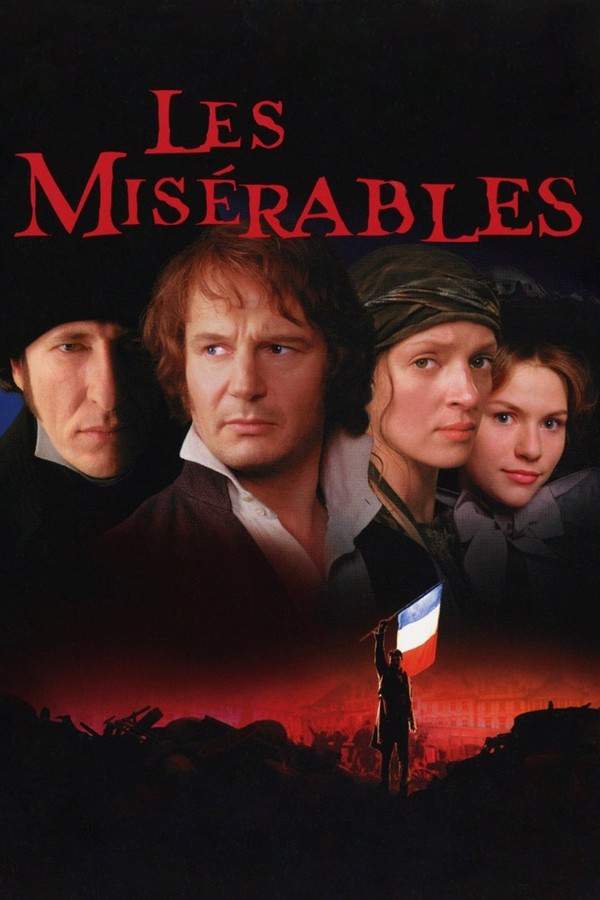
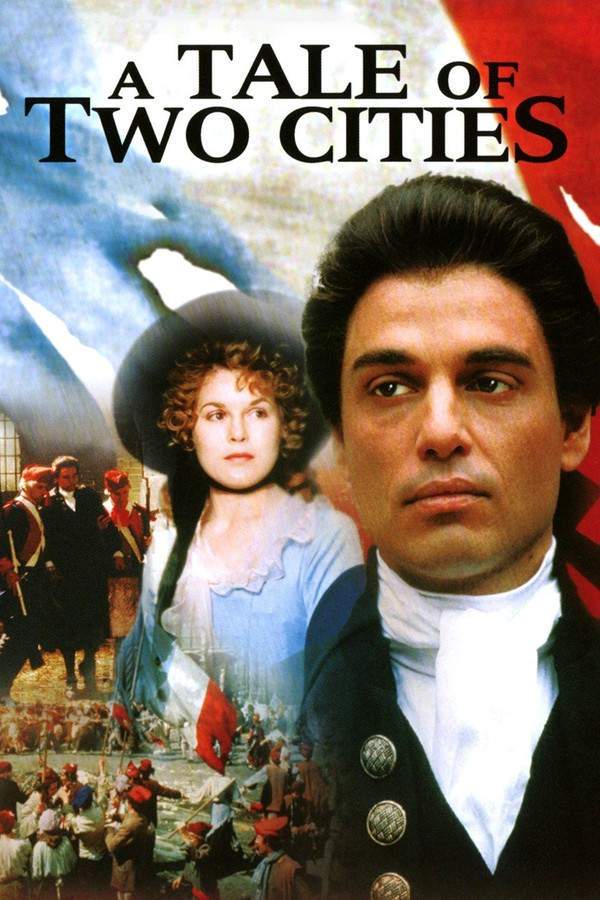
Similar Movies To Les Misérables You Should Know About
Browse a curated list of movies similar in genre, tone, characters, or story structure. Discover new titles like the one you're watching, perfect for fans of related plots, vibes, or cinematic styles.



Quick Links: Summary, Cast, Ratings, More

What's After the Movie?
Not sure whether to stay after the credits? Find out!
Check out our other apps:

SAT Sphere
Build confidence for the Digital SAT.

Mori Atlas
Discover wild places worth protecting.

Luntero
Search smarter for a home in Amsterdam.

Plot Explained
Unravel movie endings and hidden clues.

Pokechamp
Dive into Pokémon data and battle logic.

Driving Theory
Get ready for your European theory test.

Movie Dust
Plan your next cinema trip with ease.

Musemap
Find art and culture as you travel.

Selkobase
Compare credentials before committing.

Local Manual
Turn an unfamiliar country into practical next steps.

Lernavi
Compare school systems before your next move.

GymRoam
Find a workout stop wherever your plans take you.
Explore Our Movie Platform
New Movie Releases (2026)
Famous Movie Actors
Top Film Production Studios
Movie Plot Summaries & Endings
Major Movie Awards & Winners
Best Concert Films & Music Documentaries
Movie Collections and Curated Lists
© 2026 What's After the Movie. All rights reserved.
Privacy Policy