
The Stendhal Syndrome 1996


Directed by
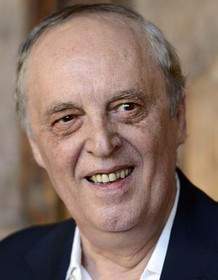
Dario Argento
Made by

Cine 2000
Where to Watch The Stendhal Syndrome
See current US streaming, rental, and purchase options for The Stendhal Syndrome (1996) via JustWatch.

Amazon Prime Video
HD
Amazon Prime Video with Ads
HD
Eternal Family
HD
Midnight Pulp Amazon Channel
HD
Night Flight Plus
HD
Philo
HD
Screambox Amazon Channel
HD
Fawesome
HD
Hoopla
SD
Kanopy
HD
Fandango at Home Free
HD
Plex
HD
Plex Channel
HD
Tubi TV
SD
Amazon Video
SD
Apple TV Store
HD Fandango At Home
HD
Google Play Movies
SD
YouTube
SD Streaming availability powered by 
The Stendhal Syndrome Plot Summary
Read the complete plot summary and ending explained for The Stendhal Syndrome (1996). From turning points to emotional moments, uncover what really happened and why it matters.
In Florence, Det. Anna Manni Asia Argento pursues Alfredo Grossi Thomas Kretschmann, a serial rapist and murderer who has left a trail of fear across the city. The investigation follows clues that lead through museums, galleries, and quiet streets, as Anna tries to stay one step ahead of the suspect who always seems to be one move ahead.
During a museum visit, Anna is overwhelmed by Stendhal syndrome, a condition that can flood the senses when confronted with art so powerful it can feel almost overwhelming. Alfredo, realizing Anna’s vulnerability, uses this moment to disable her and abduct her, subjecting her to a brutal and sadistic assault. Although she manages to escape, the trauma runs deep; Alfredo resumes his pursuit, eventually recapturing her. In a brutal confrontation, Anna turns the tables, breaks free, wounds him badly, and casts him into a river.
As the river is combed by police who believe Alfredo is dead, Anna meets Marie Julien Lambroschini, a young French art student, and the two soon fall in love. Anna begins sessions with Dr. Cavanna Paolo Bonacelli, a psychologist, in a bid to confront the deep-seated emotional wounds left by the ordeal. Yet the past returns in the form of threatening phone calls from the supposed-dead Alfredo, heightening Anna’s sense of danger and confusion. Then Marie is found murdered, a blow that rocks Anna to her core and triggers fresh turmoil in her struggle to distinguish memory from reality.
Concerned for Anna’s mental state, Dr. Cavanna visits her, and soon Marco Longhi Marco Leonardi calls to inform that Alfredo’s body has in fact been recovered. The psychologist confronts Anna with the shocking truth: that she may be Marie’s killer. In a tense moment at her apartment, Marco arrives to take possession of Anna’s gun, only to discover that she has killed the psychologist as well. Anna finally confesses that Alfredo is now inside her, ordering her to do terrible things, and she murders Marco. The police arrive, and Anna wanders the streets, ultimately being arrested.
The Stendhal Syndrome Timeline
Follow the complete movie timeline of The Stendhal Syndrome (1996) with every major event in chronological order. Great for understanding complex plots and story progression.
Anna arrives in Florence to pursue Alfredo Grossi
Detective Anna Manni travels to Florence to hunt the serial rapist and killer Alfredo Grossi. She follows leads through the city, coordinating with local officers and immersing herself in the case's atmosphere. The search begins in earnest as she narrows down where Alfredo might strike next.
Stendhal syndrome strikes at the museum
In a Florence museum, Anna stands before great works of art and is overwhelmed by Stendhal syndrome. The intense experience leaves her disoriented and emotionally vulnerable. This moment reveals Alfredo's ability to exploit her fragility.
Alfredo exploits the condition and abducts Anna
Alfredo learns of Anna's syndrome and uses it to disable her during a confrontation. He abducts her and subjects her to a brutal and sadistic sexual attack, showing the extent of his predation. The attack leaves Anna traumatized and physically and emotionally violated.
Anna escapes, but Alfredo recaptures her
Anna manages to escape the first captivity, breaking free from Alfredo's grip. Alfredo relentlessly tracks her movements and manages to recapture her later, resuming his control. The threat to Anna continues to loom as she tries to stay ahead.
Anna defeats Alfredo in the river
In a brutal confrontation, Anna breaks free from Alfredo's grasp, wounds him severely, and hurls him into a river. Believing him dead, the police search the water for his body and declare the case closed. The dramatic river scene marks a temporary triumph for Anna but leaves lasting psychological scars.
Anna meets Marie and falls in love
While the police search for Alfredo, Anna meets Marie, a young French art student, and she falls in love. The relationship provides a beacon of happiness amid her trauma, complicating her sense of safety. Anna's emotional life begins to heal through this new bond.
Therapy begins as Anna confronts trauma
Anna begins therapy with a psychologist to process her deep-seated trauma. The sessions explore the violence of her experiences and the grip of fear that still haunts her. The therapy becomes a central thread in her attempt to rebuild her life.
Calls from the presumed-dead Alfredo intensify the terror
Anna starts receiving phone calls from the supposedly-dead Alfredo, shattering any sense of safety. The calls blur the lines between reality and manipulation, driving her deeper into distress. The reality of Alfredo's presence seems closer than ever.
Marie is murdered
Marie is found murdered, a brutal blow to Anna's already fragile psyche. The loss compounds her guilt and confusion as she questions what is real and who is responsible for the violence around her. The tragedy escalates the crisis that has been unfolding.
The psychologist confronts Anna with the truth
Anna's psychologist visits her at home as Marco calls to report that Alfredo's body has been found. The revelation leads the psychologist to realize the truth: Anna herself is Marie's murderer. He confronts Anna with this grim possibility, forcing her to confront what she has done.
Marco arrives and finds the psychologist dead
Marco arrives at Anna's apartment to confront her and discovers that Anna has killed her psychologist as well. The mounting danger around Anna becomes personal and immediate.
Anna murders Marco during a confrontation
Anna, in a final act of desperation, confesses that Alfredo is now inside her, ordering her to do terrible things. When Marco tries to take the gun, she murders him in cold blood.
Police arrest Anna in the streets
The police arrive on the streets and arrest Anna, ending her violent spree. She wanders the streets at the moment of arrest, a broken figure overwhelmed by the night's trauma.
The Stendhal Syndrome Characters
Explore all characters from The Stendhal Syndrome (1996). Get detailed profiles with their roles, arcs, and key relationships explained.
Det. Anna Manni (Asia Argento)
A seasoned detective who travels to Florence to track a serial rapist and murderer. She endures Stendhal syndrome upon viewing art, which becomes the catalyst for trauma, disorientation, and vulnerability. Her escape from captivity and later encounters test her resilience, while the killer's influence complicates her grasp on reality. The climax cycles between pursuit, self-doubt, and devastating acts that culminate in police intervention.
Alfredo Grossi (Thomas Kretschmann)
A sadistic criminal who uses Anna's condition to disable and abduct her, demonstrating a chilling mastery of manipulation. His acts of violence drive the plot, and his apparent death frees Anna from immediate danger, even as his influence persists. His return in Anna's mind adds a chilling psychological game that culminates in a deadly confrontation.
Marie (Julien Lambroschini)
A young French art student whom Anna grows to love after the river-search and presumed killer's death. Marie's murder becomes a pivotal emotional blow that triggers further trauma and confusion for Anna. Her presence in Anna's life represents beauty and partnership that are violently interrupted.
Marco Longhi (Marco Leonardi)
Anna's colleague who tries to alert her to Alfredo's supposed death and later arrives during the climactic confrontation. He becomes a casualty in the unraveling of Anna's psyche as she attempts to defend herself and others. His role illustrates the tension between professional duty and personal danger.
Dr. Cavanna (Paolo Bonacelli)
Anna's psychologist, who questions her mental state and confronts her with the unsettling truth about Marie's murder. He embodies the medical perspective on trauma and memory, yet becomes another casualty of Anna's fractured psyche. His involvement highlights the film's interest in psychological manipulation and truth-telling.
The Stendhal Syndrome Settings
Learn where and when The Stendhal Syndrome (1996) takes place. Explore the film’s settings, era, and how they shape the narrative.
Time period
1990s
Set in the modern era, the story unfolds against the backdrop of contemporary Florence. Police procedures, therapy sessions, and urban pursuit reflect the attitudes and technologies of the 1990s. The events occur over a relatively short span, amplifying the sense of immediacy and trauma.
Location
Florence, Italy
Florence serves as the film's setting, a city famed for Renaissance masterpieces and sunlit plazas. Scenes unfold in museums, galleries, and along the Arno, using the city’s art world to heighten tension. The beauty of Florence contrasts with the story's brutal events, underscoring the link between art and danger.
The Stendhal Syndrome Themes
Discover the main themes in The Stendhal Syndrome (1996). Analyze the deeper meanings, emotional layers, and social commentary behind the film.
🧠
Trauma & Recovery
A detective is psychologically overwhelmed by violence, triggering Stendhal syndrome and deep emotional scars. The film follows her sessions with a therapist and her struggle to regain control of her life. The plot hinges on how trauma reshapes memory, perception, and action.
🎨
Art & Overload
Viewing art becomes a literal trigger for Anna’s breakdown, linking beauty with danger. The museum and artistic works intensify the emotional stakes, pushing characters to the edge. The allure of art doubles as a perilous force shaping behavior.
🔍
Obsession & Identity
Alfredo's obsession with Anna drives a deadly chase and manipulation. Anna's identity fractures under his influence, blurring lines between victim and perpetrator. The twist reveals a troubling internalization where another's will seems to steer her actions.

Coming soon on iOS and Android
The Plot Explained Mobile App
From blockbusters to hidden gems — dive into movie stories anytime, anywhere. Save your favorites, discover plots faster, and never miss a twist again.
Sign up to be the first to know when we launch. Your email stays private — always.
Explore the mobile appThe Stendhal Syndrome Spoiler-Free Summary
Discover the spoiler-free summary of The Stendhal Syndrome (1996). Get a concise overview without any spoilers.
In the sun‑drenched streets and hushed galleries of Italy, violence takes on the elegance of a brushstroke, turning each crime scene into a twisted work of art. The film bathes the viewer in the juxtaposition of timeless masterpieces and a modern darkness that lingers in museum corridors, historic piazzas, and the shadowed alleys that connect them. A muted, almost oppressive beauty pervades the landscape, suggesting that the very culture that celebrates creation can also mask a chilling obsession.
Anna Manni arrives as a fresh‑blood detective, driven by an unyielding sense of duty and a personal thirst for justice. Her dedication to the case feels as much a part of her identity as the badge she wears, and the investigation quickly becomes a mirror reflecting her own vulnerabilities. As she navigates the labyrinthine world of Italian law enforcement, her resolve is tested by the relentless pressure of a hunt that refuses to stay ordinary.
The chase winds through the iconic art institutions and hidden corners of the country, where the seductive lure of beauty can overwhelm the senses. Here, the phenomenon of Stendhal syndrome—an intense, almost hallucinatory response to great art—looms as both a metaphor and a tangible threat, hinting that the line between admiration and terror is dangerously thin. Every step forward for the young officer deepens her entanglement with a mystery that seems to anticipate her moves, turning the city itself into an echo chamber of whispers and half‑seen threats.
As the pursuit intensifies, the predator’s fixation begins to infiltrate Anna’s thoughts, eroding the boundaries between hunter and hunted. The atmosphere tightens, a pulse of dread that hums beneath the marble and frescoes, suggesting that the deeper she delves into the case, the more she risks becoming part of the very canvas she strives to protect.
Movies with Similar Twists and Themes
Uncover films that echo the narrative beats, emotional arcs, or dramatic twists of the one you're exploring. These recommendations are handpicked based on story depth, thematic resonance, and spoiler-worthy moments — perfect for fans who crave more of the same intrigue.

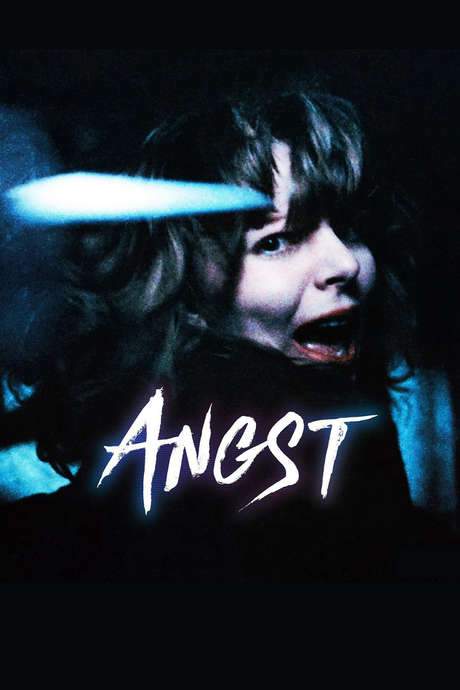


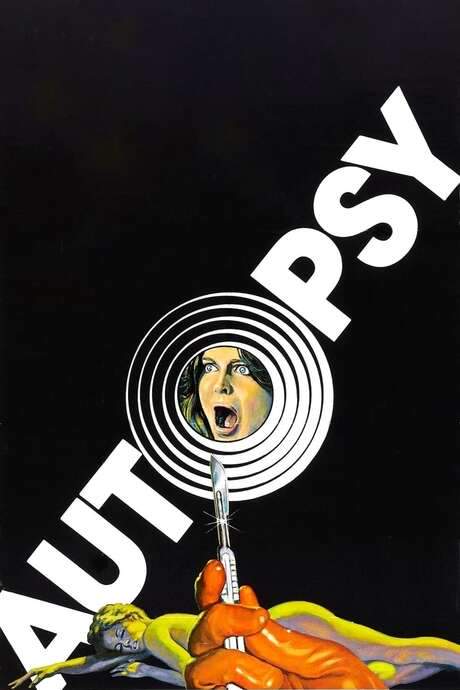


Featured on this page

What's After the Movie?
Not sure whether to stay after the credits? Find out!
Check out our other apps:

SAT Sphere
Build confidence for the Digital SAT.

Mori Atlas
Discover wild places worth protecting.

Luntero
Search smarter for a home in Amsterdam.

Plot Explained
Unravel movie endings and hidden clues.

Pokechamp
Dive into Pokémon data and battle logic.

Driving Theory
Get ready for your European theory test.

Movie Dust
Plan your next cinema trip with ease.

Musemap
Find art and culture as you travel.

Selkobase
Compare credentials before committing.

Local Manual
Turn an unfamiliar country into practical next steps.

Lernavi
Compare school systems before your next move.

GymRoam
Find a workout stop wherever your plans take you.
Explore Our Movie Platform
New Movie Releases (2026)
Famous Movie Actors
Top Film Production Studios
Movie Plot Summaries & Endings
Major Movie Awards & Winners
Best Concert Films & Music Documentaries
Movie Collections and Curated Lists
© 2026 What's After the Movie. All rights reserved.
Privacy Policy