
What Have They Done to Your Daughters? 1974

Directed by

Massimo Dallamano
Made by

Primex Italiana
Where to Watch What Have They Done to Your Daughters?
See current US streaming, rental, and purchase options for What Have They Done to Your Daughters? (1974) via JustWatch.











What Have They Done to Your Daughters? Plot Summary
Read the complete plot summary and ending explained for What Have They Done to Your Daughters? (1974). From turning points to emotional moments, uncover what really happened and why it matters.
Following an anonymous tip-off, the police break into an attic apartment in a small town in the province of Brescia and discover the naked body of a schoolgirl hanging from the rafters in an apparent suicide. The autopsy reveals that the victim, 15-year-old Silvia Polvesi Sherry Buchanan, was approximately two months pregnant. While reviewing footage of a student demonstration, Assistant District Attorney Vittoria Stori Giovanna Ralli and Inspector Valentini Mario Adorf see Silvia enter a different building around the time of her death, leading them to suspect that Silvia was murdered and that the killer moved her body to the attic.
Valentini hands the case to Homicide Inspector Silvestri Claudio Cassinelli. During an inspection of the crime scene, a middle-aged man is arrested for taking photographs from a nearby building. The man, Bruno Paglia Franco Fabrizi, had been photographing Silvia with a young man in the attic. Inspector Silvestri tracks down and questions the young man in the photos, Marcello Tosti Paolo Turco, who has an alibi. The police discover the apartment where Silvia was murdered. Inside, they find a tape recorder, and the bathroom walls are smeared with blood, signaling a second victim.
The police release Paglia for lack of evidence. Silvia’s mother, Mrs. Polvesi Marina Berti, tells Vittoria that she found birth control pills in her daughter’s coat pocket and had hired a private detective, Ruggero Talenti, who later dropped the case. The investigators uncover Talenti’s dismembered remains wrapped in plastic bags inside the trunk of his own car. Talenti’s secretary and mistress, Rosa Micaela Pignatelli, is in hospital recovering from a car accident, too distressed to answer questions.
That night, Rosa calls Silvestri and asks for help, saying she now wants to cooperate. A cleaver-wielding serial killer wearing black leather and a motorcycle helmet sneaks into the hospital and threatens Rosa, demanding to know where she “hid the stuff.” Silvestri and his colleague Napoli arrive just in time to save her; the killer slashes Napoli’s hand and flees on a motorcycle through a nearby train tunnel.
Back at the hospital, Rosa reveals tape recordings hidden in a vent. The recordings expose an underage prostitution ring run by powerful men. Vittoria plays one recording for Mrs. Polvesi, who confirms Silvia’s voice can be heard. The police learn of a butcher who recently bought a motorcycle, and Sergeant Giardina [Ferdinando Murolo] obtains a photograph of the suspect from his father, who says his son left home three months earlier.
One night the killer attacks Vittoria in her apartment building’s parking garage, but she narrowly survives. The hunt for the butcher named ** Roberto Meichiorri** continues, and a photograph is shown on television. Valentini’s teenage daughter, Patrizia Roberta Paladini, reveals that she learned about the prostitution ring from Giuliana Bigi Adriana Falcão, a classmate. Giuliana tells the police that Paglia recruited her into the ring. Meanwhile, the killer murders Paglia at his home. To bait the culprits, Silvestri tells the press that Paglia survived the attack and has confessed to the police.
When the local newspaper publishes the false confession, Silvia’s psychiatrist, Professor Beltrame Steffen Zacharias, is found dead in his bathtub, apparently a suicide. One of Beltrame’s former patients, Laura Renata Moar, tells Vittoria that the professor used to drug and sexually abuse her. The police unearth incriminating files in Beltrame’s office listing the names of men involved in the prostitution ring, including prominent political figures.
Two young girls call the police claiming they spotted Roberto near a piazza. The police close in, surrounding the area. When Roberto emerges from a building on his motorcycle, attempting to shoot his way out, the officers shoot him dead. In the end, Silvestri’s superiors discourage any prosecution of the ring’s organizers, arguing that it would take months to bring evidence to court, and with the killer already dead, a conviction seems unlikely.
What Have They Done to Your Daughters? Timeline
Follow the complete movie timeline of What Have They Done to Your Daughters? (1974) with every major event in chronological order. Great for understanding complex plots and story progression.
Discovery of Silvia Polvesi's body
An anonymous tip leads police to an attic apartment in Brescia where the naked body of 15-year-old Silvia Polvesi is found hanging from the rafters. The autopsy reveals she was approximately two months pregnant, making a suicide unlikely. The scene suggests foul play and triggers a homicide investigation.
Footage suggests murder, not suicide
Investigators review footage from a student demonstration and notice Silvia walking into a different building around the time of her death. This observation causes Assistant District Attorney Vittoria Stori to suspect Silvia was murdered and that the killer moved her body. The new angle shifts the case away from suicide toward deliberate killing.
Case handed to Silvestri; Paglia arrested
Valentini hands the case to Homicide Inspector Silvestri. During an inspection of the crime scene, a middle-aged man named Paglia is arrested for taking photographs from a nearby building, revealing potential voyeuristic or criminal ties to the case. The arrest signals Paglia as a possible lead or suspect.
Discovery of a second victim
Silvestri searches the murder apartment and finds a tape recorder inside. The bathroom walls are smeared with blood, indicating a second victim and deepening the mystery. The tapes point to other people potentially involved in Silvia's death.
Paglia released; new clues emerge
Paglia is released for lack of evidence. Silvia's mother, Mrs. Polvesi, reveals she found birth control pills on her daughter's coat and had hired a private detective, Ruggero Talenti, who later disappeared. The discovery foreshadows a wider network behind Silvia's death.
Talenti's murder and Rosa questioned
Police locate Ruggero Talenti's dismembered remains wrapped in plastic bags inside the trunk of his own car. Silvestri questions Talenti's secretary and mistress, Rosa, who is hospitalized and too upset to answer. The case expands to a prostitution ring connected to Talenti and others.
Hospital confrontation with the killer
That night, a killer wearing black leather and a motorcycle helmet sneaks into the hospital and threatens Rosa, demanding to know where she hid 'the stuff.' Silvestri and Napoli arrive in time to save her, but the killer injures Napoli's hand before fleeing on a motorcycle. The chase ends with the killer escaping through a train tunnel.
Tape recordings reveal underage prostitution ring
Back at the hospital, Rosa presents police with tape recordings hidden in a vent. The recordings reveal an underage prostitution ring run by older men, implicating powerful figures in the community. Vittoria uses one recording to confront Silvia's mother with her daughter's voice.
Butcher linked to the killer; motorcycle clue
The police learn of a butcher who recently purchased a motorcycle, with tire tracks matching those of the killer. They obtain a photograph of the butcher from his father, who notes the son left home three months earlier. The butcher becomes a leading suspect in the chain of crimes.
Vittoria attacked; pursuit continues
One night the killer attacks Vittoria in the parking garage of her apartment building, but she narrowly survives. The attack raises the stakes and accelerates the hunt for the motorcycle-riding killer and his associates. The police press on with the investigation.
Paglia is murdered; false confession used to trap suspects
Paglia is murdered at his home. Silvestri tricks the press by claiming Paglia survived the attack and confessed to the police, a false confession meant to draw the real culprits out. The tactic aims to flush out the ring's members.
Beltrame's death and incriminating files
After a newspaper prints the Paglia confession, Silvia's psychiatrist Beltrame is found dead in his bathtub in an apparent suicide. A former patient, Laura, reveals Beltrame drugged and abused her. Police discover incriminating files in Beltrame's office listing the prostitution ring's participants, including prominent political figures.
Roberto Meichiorri is cornered; final shootout
Two young girls report spotting Roberto near a piazza. Police corner the area and, as he emerges on his motorcycle attempting to shoot his way out, they shoot him dead. The capture dissolves another thread of the network.
Closing: prosecution stopped due to killer's death
Silvestri's superior discourages prosecuting the prostitution ring members, arguing it would take months and that the killer is already dead. The case effectively ends with many suspects exposed but not formally charged.
What Have They Done to Your Daughters? Characters
Explore all characters from What Have They Done to Your Daughters? (1974). Get detailed profiles with their roles, arcs, and key relationships explained.
Bruno Paglia (Franco Fabrizi)
A middle-aged man who is photographed with Silvia in the attic and later becomes a murder victim. He is initially arrested for taking provocative photographs but is released due to insufficient evidence, before the killer murders him at his home. His involvement hints at deeper connections between voyeurism, prostitution, and power.
Patrizia Valentini (Roberta Paladini)
The teenage daughter of Inspector Valentini who becomes a conduit of information. She learns about the prostitution network through classmates and aides Silvestri with information, showing the younger generation’s role as informants in a dangerous investigation.
Insp. Silvestri (Claudio Cassinelli)
A vigilant homicide inspector who leads the pursuit of the killer and the network behind Silvia’s murder. He chases leads through dangerous zones, escapes a deadly confrontation, and uses strategic deception to draw out the criminals.
Vittoria Stori (Giovanna Ralli)
Assistant District Attorney who analyzes the crime scene and audio tapes to prove Silvia’s murder. She collaborates with Silvestri and pushes the case forward, challenging bureaucratic caution and seeking justice for the victims.
Rosa (Micaela Pignatelli)
Talenti’s secretary and former lover, recovering in hospital after a car accident. She acts as a crucial link by sharing the tape recordings that reveal the prostitution ring, helping the investigation uncover the truth.
Marcello Tosti (Paolo Turco)
A young man connected to Silvia’s case who has an alibi but is nonetheless questioned by police. His involvement demonstrates how the investigation follows multiple threads before focusing on the killer.
Mrs. Polvesi (Marina Berti)
Silvia’s mother who suspects foul play after finding birth control pills in her daughter’s coat. She hires a private detective whose later murder deepens the case’s complexity.
Silvia Polvesi (Sherry Buchanan)
A 15-year-old girl whose death is initially deemed a suicide, but the autopsy and audio evidence point to murder tied to an underage prostitution ring. Her voice appears on recordings that implicate the perpetrators.
Prof. Beltrame (Steffen Zacharias)
A psychiatrist whose past patients and incriminating files reveal his complicity in drugging and sexually abusing victims. His death by apparent suicide triggers a broader inquiry into abuse within the medical profession.
What Have They Done to Your Daughters? Settings
Learn where and when What Have They Done to Your Daughters? (1974) takes place. Explore the film’s settings, era, and how they shape the narrative.
Location
Brescia Province, Italy, Small town
The anchor of the story is a quiet town in the Brescia Province of Italy, whose provincial streets and attic apartments become the scene of a brutal crime. Key locations include the murder site in a provincial attic, a local hospital, police stations, and a central piazza that links the investigation to the town’s everyday life. The town’s closeness and familiarity heighten the shock of a cover-up touching powerful figures.
What Have They Done to Your Daughters? Themes
Discover the main themes in What Have They Done to Your Daughters? (1974). Analyze the deeper meanings, emotional layers, and social commentary behind the film.
🕵️
Investigation & Truth
A determined prosecutor and a diligent inspector pursue Silvia Polvesi’s murder, uncovering a web of deception that forces the truth into the light. The investigation uncovers recordings and testimonies that contradict official narratives, showing how motive and opportunity drive the case forward. The film centers on how evidence is gathered, interpreted, and sometimes manipulated to shape public perception.
⚖️
Power & Corruption
The plot reveals a prostitution ring run by older men and links between those individuals and prominent figures, suggesting systemic corruption. Officials resist prosecuting all culprits, illustrating the pressure to shield powerful interests. The tension between justice and cover-up drives much of the drama and stakes.
💔
Violence & Exploitation
The story exposes the exploitation of underage girls and the brutal violence they endure, highlighted by Silvia’s pregnancy and the killer’s predatory actions. The narrative confronts the dangers faced by victims and the painful truth behind seemingly respectable communities. The detective work gradually reveals how abuse is concealed through intimidation and complicity.

Coming soon on iOS and Android
The Plot Explained Mobile App
From blockbusters to hidden gems — dive into movie stories anytime, anywhere. Save your favorites, discover plots faster, and never miss a twist again.
Sign up to be the first to know when we launch. Your email stays private — always.
Explore the mobile appWhat Have They Done to Your Daughters? Spoiler-Free Summary
Discover the spoiler-free summary of What Have They Done to Your Daughters? (1974). Get a concise overview without any spoilers.
In a quiet town on the outskirts of Brescia, an anonymous phone call shatters the calm of everyday life. The tip leads police to a cramped bathroom where the tragic scene of a teenage girl, Silvia Polvesi, is discovered, challenging the initial belief that her death was a simple suicide. The stark setting—a modest attic flat turned crime scene—immediately suggests that beneath the town’s ordinary façade lies a web of secrets waiting to be unraveled.
Enter Inspector Silvestri, a seasoned homicide detective whose methodical approach collides with the fervent idealism of Vittoria Stori, an ambitious assistant district attorney. Their partnership is forged in the tension between procedure and conviction, each bringing a distinct perspective to an investigation that quickly proves far more complex than any single case file. As they sift through evidence and interview reluctant witnesses, the two professionals must navigate bureaucratic obstacles, local politics, and the ever‑present pressure of public scrutiny.
The atmosphere is thick with a noir‑esque mood, where dimly lit streets and cramped interiors echo the characters’ growing unease. Early clues point to an unsettling undercurrent—a discreet network involving adults and younger members of the community—that hints at exploitation and moral decay. The presence of a voyeuristic figure, captured in grainy photographs, adds a layer of invasive curiosity, while the ambiguous involvement of a former school dropout fuels speculation about hidden alliances.
Throughout the unfolding inquiry, the film maintains a relentless sense of intrigue, balancing gritty realism with moments of stark, emotional intensity. The townspeople’s guarded facades gradually give way to whispered confessions, and the relentless pursuit by Silvestri and Stori suggests that confronting the darkness lurking beneath familiar streets will demand both courage and a willingness to question everything that appears safe and ordinary.
Movies with Similar Twists and Themes
Uncover films that echo the narrative beats, emotional arcs, or dramatic twists of the one you're exploring. These recommendations are handpicked based on story depth, thematic resonance, and spoiler-worthy moments — perfect for fans who crave more of the same intrigue.
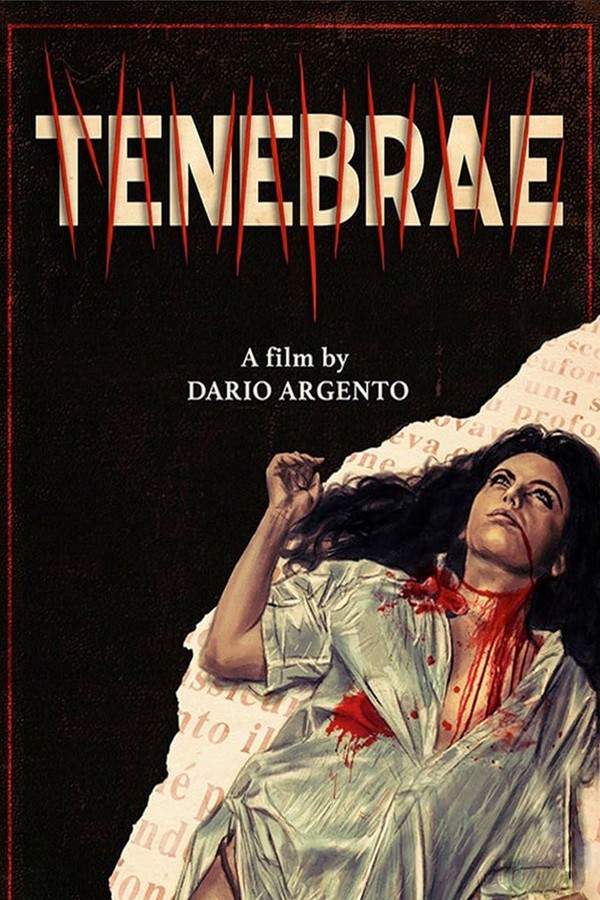

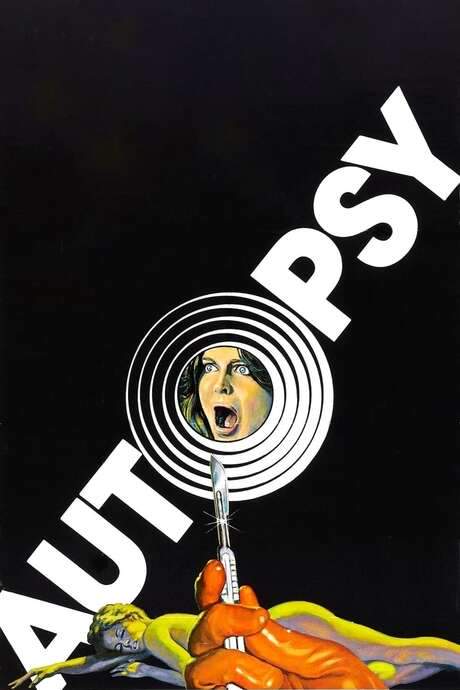

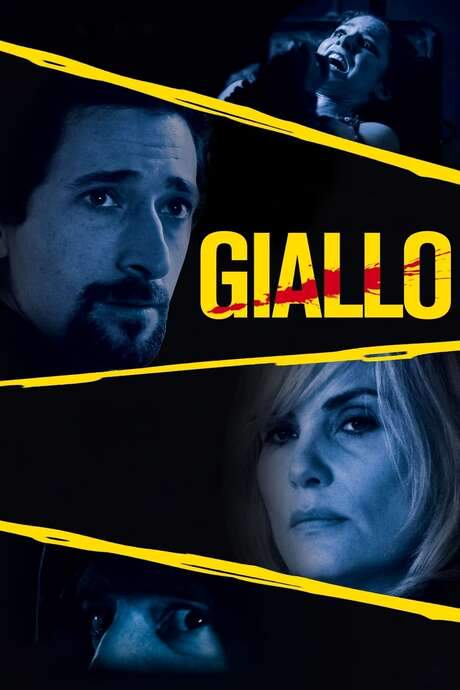


Featured on this page

What's After the Movie?
Not sure whether to stay after the credits? Find out!
Check out our other apps:

SAT Sphere
Build confidence for the Digital SAT.

Mori Atlas
Discover wild places worth protecting.

Luntero
Search smarter for a home in Amsterdam.

Plot Explained
Unravel movie endings and hidden clues.

Pokechamp
Dive into Pokémon data and battle logic.

Driving Theory
Get ready for your European theory test.

Movie Dust
Plan your next cinema trip with ease.

Musemap
Find art and culture as you travel.

Selkobase
Compare credentials before committing.

Local Manual
Turn an unfamiliar country into practical next steps.

Lernavi
Compare school systems before your next move.

GymRoam
Find a workout stop wherever your plans take you.
Explore Our Movie Platform
New Movie Releases (2026)
Famous Movie Actors
Top Film Production Studios
Movie Plot Summaries & Endings
Major Movie Awards & Winners
Best Concert Films & Music Documentaries
Movie Collections and Curated Lists
© 2026 What's After the Movie. All rights reserved.
Privacy Policy