

What Is The Sleeping Tiger About?
The premise of The Sleeping Tiger in 322 words, with nothing given away. The full story follows below.
In a fog‑laden London night, a modest flat on a quiet street becomes the unlikely stage for a collision of worlds. A petty thief slips through the shadows and finds himself inside the polished foyer of an affluent psychiatrist’s home, his presence turning an evening of routine into something far more unsettling. The house, with its soft lamplight and orderly décor, feels both a sanctuary and a cage, hinting at the delicate balance between control and chaos that will soon be tested.
Frank Clemmons is a street‑wise drifter whose charm masks a restless need for something beyond his small‑time crimes. He carries the wear of a life spent on the margins, yet there is a restless curiosity in his eyes that suggests he might be more than a simple perpetrator. Across the hall, Dr. Clive Esmond embodies the polished veneer of a respectable professional, a man whose clinical confidence hides a fascination with the inner mechanics of a criminal mind. His home doubles as a laboratory of sorts, where the boundaries of therapy and experimentation blur, and his calm demeanor hints at deeper motives that extend beyond ordinary psychiatry.
Glenda Esmond, the doctor’s poised and cultured wife, moves through the rooms with a measured grace that belies an inner turbulence. Initially distant, she becomes an unexpected focal point for the tension that swirls between the two men, her composed exterior offering a tantalizing hint of desire and unease. The subtle dynamics among the trio suggest a fragile equilibrium, where personal histories and unspoken longings simmer beneath the surface of polite conversation.
The film unfolds with a measured, almost literary pace, weaving together the sleek sophistication of upper‑class London with the gritty undercurrents of the city’s darker alleys. Its tone balances sleek noir atmosphere with psychological intrigue, inviting the audience to watch a delicate dance of power, attraction, and hidden motives—each character poised on the edge of revelation, yet still cloaked in mystery.
What Happens in The Sleeping Tiger?
The complete story of The Sleeping Tiger, from the first scene to the last, in 594 words (about 3 minutes). Spoilers throughout.
Spoilers ahead
Two criminals stalk the streets of London one dark night. Frank Clemmons, [Dirk Bogarde], uses a gun to hold up psychiatrist Dr. Clive Esmond, [Alexander Knox], outside Esmond’s affluent home, but the doctor overpowers Clemmons. Arriving home from Paris, Esmond’s wife Glenda Esmond, [Alexis Smith], is taken aback to discover Clemmons staying in their home as a household guest. To avoid being turned over to the police, Clemmons has agreed to stay, acting as a human guinea-pig subject to Esmond’s psychoanalysis, which aims to release him from his criminal recidivism. Glenda has reservations about Clemmons and behaves in a cold, aloof manner towards him.
Clemmons undergoes regular analysis with Esmond, who is determined to get to the root of his criminality. In between these sessions, he goes riding with Glenda. Although at first indifferent to him, she soon finds herself growing attracted to him. With a fellow criminal in town, Clemmons leaves the house one night and steals some jewellery. A police inspector, [Hugh Griffith], later interviews him about the crime, but he denies having committed it. After a while, Clemmons takes Glenda to the Metro, a hipster nightclub in Soho, where her conflicted attraction to him deepens. The next day, Glenda admonishes Clemmons for his violent behaviour towards a house-maid, Sally Foster, [Patricia McCarron], but their argument ends with a passionate clinch which indicates the beginning of an affair between them.
Initially oblivious, Esmond eventually finds his wife in a compromising position with Clemmons. Glenda’s ambivalent feelings plague her. Back at the Metro club with Clemmons, he tosses a careless remark Glenda’s way and this overwhelms her. As they begin their journey home, she is driving recklessly and out of control. A police car pursues them, but they manage to escape it.
Sally Foster’s fiancé visits Esmond to complain about the abuse she has endured from Clemmons and threatens to tell the police. No charges are pressed and Clemmons learns that this is due to Esmond buying the man off with £100. He reacts by carrying out another robbery. When questioned by the police, Esmond ends up lying on behalf of Clemmons. A cunning ploy, this results in Clemmons pouring out a dramatic account of his tyrannical father, whom he deeply despised. As a boy, Clemmons stole and his father consequently turned him in to the authorities. Frank vowed revenge on his father when he was released, but was then given a beating. His father died shortly thereafter, and his mother blamed him. Esmond concludes that since his father’s death, Clemmons has had to provide his own punishment for the rest of his life.
Esmond soon begins acting like a father figure towards Clemmons. The two enjoy carefree activities together; Glenda grows intensely jealous. She asks Clemmons to elope with her. However, with Esmond’s psychiatric experiment over and his patterns of behaviour understood, Clemmons decides to turn himself in to the police. Glenda hysterically rushes to Esmond, claiming that Clemmons has assaulted her. Esmond goes upstairs with a gun. A shot is heard and Esmond returns claiming that he has killed Clemmons. Glenda is heartbroken and ends up declaring her love for Clemmons. She then finds out that although there was a gunshot, Clemmons had not been in the room, he had already left. She goes after him in her car and comes upon him walking. She tells him to get into the car. He does and she subsequently drives off high speed. Highly distressed, Glenda swerves to avoid a lorry, but crashes the car. Clemmons survives, but Glenda dies in the wreckage.
The Sleeping Tiger Timeline: Every Key Event in Order
15 key events in the order they happen, from “Hold-up thwarted outside Esmond's home” to “Gun confrontation and tragedy”. 15 events name a place, across 12 locations.
- 1
Hold-up thwarted outside Esmond's home
In the streets of London at night, Frank Clemmons pulls a gun to hold up Dr. Clive Esmond outside his affluent home. The doctor overpowers Clemmons, ending the robbery. The encounter foreshadows the unusual and controlling dynamic that will follow.
When:night Where:London, outside Esmond's home
- 2
Clemmons becomes a houseguest
Arriving home from Paris, Esmond's wife Glenda discovers Clemmons staying in their house as a household guest. Clemmons agrees to stay to avoid police attention and acts as a human guinea-pig for Esmond's psychoanalysis. The arrangement sets the stage for a dangerous psychological experiment.
When:soon after Where:Esmond's home
- 3
Psychoanalysis begins
Esmond conducts regular analysis sessions with Clemmons, aiming to uncover the root causes of his criminal behaviour. The sessions probe Clemmons' past and motivations, testing his willingness to change. Clemmons submits to the process, though trust remains fragile.
When:early Where:Esmond's consulting room
- 4
Rides with Glenda
Between sessions, Clemmons goes riding with Glenda, who is initially aloof toward him. The rides become a space where tension and attraction begin to blur the boundaries between patient and wife. The growing closeness complicates the doctor-patient dynamic.
When:between sessions Where:Around London and the Esmond residence
- 5
Jewellery theft by Clemmons
One night Clemmons leaves the house with a fellow criminal to steal jewellery. A police inspector later interviews him about the crime, but Clemmons denies involvement. The incident marks Clemmons's first act of criminal activity outside the psychoanalytic setting.
When:night Where:London streets
- 6
Police interview; denial
The police interview Clemmons about the jewellery theft, and he steadfastly denies committing it. The denial reinforces the clinic-like distance he maintains from the consequences of his actions. The exchange deepens the tension between truth and performance in the relationship.
When:the following day Where:Police interview room
- 7
Metro nightclub and dangerous attraction
Clemmons takes Glenda to the Metro, a hip nightclub in Soho, where her conflicted attraction to him deepens. The environment sparks a more intimate tension between them. Their dynamic hints at an affair that will threaten the household’s balance.
When:shortly after the theft Where:The Metro, Soho
- 8
Confrontation and kiss
The next day Glenda admonishes Clemmons for his violent behavior toward Sally, but their argument ends with a passionate clinch. The moment signals the beginning of an illicit bond between them. The line between husband and substitute father blurs further.
When:the next day Where:Esmond's home
- 9
Esmond discovers the affair
Initially oblivious, Esmond eventually finds Glenda in a compromising position with Clemmons. The revelation shatters the doctor’s sense of order and deepens his sense of complicity. Glenda's guilt and desire create a volatile triangle.
When:later Where:Esmond's home
- 10
Dangerous drive home
Back at the Metro or on the way home, Clemmons makes a careless remark that pushes Glenda toward a breaking point. They drive recklessly as a police car pursues them, but they manage to escape. The escape underscores their fragile control over the situation.
When:the same night Where:From Metro to home
Show the other 5 events of The Sleeping Tiger Hide the last 5 events
- 11
Sally's fiancé confrontation and the second robbery
Sally's fiancé visits to complain about the abuse she has suffered from Clemmons and threatens to tell the police. Esmond buys him off with £100, causing Clemmons to realize the scheme. Enraged, Clemmons carries out another robbery.
When:soon after Where:Esmond's home and the streets
- 12
Interrogation and Clemmons's past
During questioning, Esmond lies on behalf of Clemmons to protect him. Clemmons recounts his tyrannical father and the punishment he endured, explaining why he has felt condemned. Esmond concludes that Clemmons has been inflicting punishment on himself since his father's death.
When:after the inquiry Where:police interview and living room
- 13
Esmond becomes a paternal figure
Esmond increasingly acts like a father figure toward Clemmons, and Glenda grows intensely jealous of their bond. Clemmons is urged to consider eloping with Glenda, but he chooses a different path. The tension foreshadows the ultimate surrender to law.
When:some days later Where:Esmond's home
- 14
Clemmons decides to turn himself in
With the psychoanalytic experiment completed and patterns understood, Clemmons decides to turn himself in to the police. He makes a quiet, final choice to accept accountability for his crimes. Esmond’s professional distance now collides with his personal concern.
When:end of the experiment Where:Police station
- 15
Gun confrontation and tragedy
Glenda rushes to Esmond claiming Clemmons has assaulted her. Esmond goes upstairs with a gun, a shot is heard, and he returns claiming that Clemmons has been killed. Glenda discovers Clemmons had already left the room and drives off in a high-speed chase that ends in a crash; Clemmons survives while Glenda dies.
When:night Where:Esmond's home; road outside
Who Are the Main Characters in The Sleeping Tiger?
5 characters, among them Dr. Clive Esmond (Alexander Knox), Frank Clemmons (Dirk Bogarde) and Glenda Esmond (Alexis Smith): who each one is and the part they play in the story. Every profile links to the actor’s page.
-
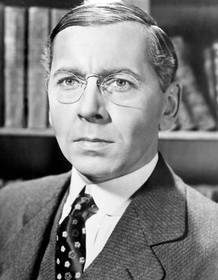
Dr. Clive Esmond (Alexander Knox)
Played by Alexander Knox
A sophisticated psychiatrist who uses Clemmons as a live subject for psychoanalysis in a bid to root out his criminal tendencies. He is both compelling and morally ambivalent, acting as a father figure while quietly seeking control over the situation and the people around him.
- 🧠 Psychology
- 👨⚕️ Doctor
- 🕵️♂️ Authority
- FC
Frank Clemmons (Dirk Bogarde)
Played by Dirk Bogarde
A cocky, intelligent young criminal who becomes the focal point of Esmond's analysis. He uses charm to manipulate others, yet carries a deep-seated resentment toward his father, which fuels his self-punishment and tendency toward reckless acts.
- 🧩 Crime
- 🕵️♂️ Criminal
- 💔 Passion
- GE
Glenda Esmond (Alexis Smith)
Played by Alexis Smith
Esmond's wife, initially aloof and reserved, who grows attracted to Clemmons. She experiences conflicted emotions and jealousy, becoming entangled in a dangerous love triangle that destabilizes her marriage.
- 💞 Romance
- 🕊️ Jealousy
- 🎭 Drama
- SF
Sally Foster (Patricia McCarron)
Played by Patricia McCarron
A house-maid who endures abuse from Clemmons. Her engagement to Sally's fiancé and the ensuing tension highlight the vulnerabilities of those caught in Clemmons' actions.
- ⚠️ Violence
- 🧍♀️ Power dynamics
- 💔 Abuse
-
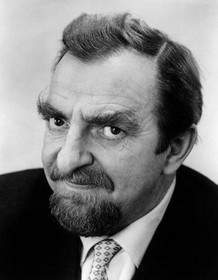
Inspector Simmons (Hugh Griffith)
Played by Hugh Griffith
A police inspector who investigates Clemmons' crimes and becomes a witness to the psychological drama unfolding in the Esmond household. He represents law, order, and the boundary where truth is pressured by others.
- 🕵️♂️ Police
- 🗺️ Investigation
- ⚖️ Law
Where and When Is The Sleeping Tiger Set?
The Sleeping Tiger is set in London, Soho and Metro nightclub. Here is why the place matters to the story.
Where
London, Soho, Metro nightclub
The action unfolds across late-night streets of London and inside an upscale home, signaling a cosmopolitan, upper-middle-class setting. Dr. Esmond's residence anchors the story as a hub of psychological experiment and domestic tension. The Metro nightclub in Soho provides a contemporary urban backdrop for Clemmons' and Glenda's illicit liaisons, contrasting respectability with danger.
- 🏙️ London
- 🏢 Affluent setting
- 🎶 Nightlife
What Are the Themes of The Sleeping Tiger?
3 ideas the story keeps returning to, among them Psychology, Obsession and Morality.
-
01
Psychology
A psychiatrist subjects a criminal to psychoanalytic sessions to uncover the roots of his behavior. The film delves into control, manipulation, and the boundaries of science when used to 'cure' criminal recidivism. Esmond's paternal approach blurs professional ethics with personal attachment, revealing how therapy can become a mirror for the therapist as much as the patient.
-
02
Obsession
Love and desire entangle Clemmons and Glenda, testing loyalty, jealousy, and restraint. The attraction destabilizes the couple's lives and drives risky, impulsive actions. The story explores how passion can override reason and safety, pulling characters into a dangerous spiral.
-
03
Morality
The narrative threads crime, punishment, and responsibility as Clemmons seeks punishment for his own past under a physician's experiment. The boundaries between right and wrong blur as Esmond's methods complicate justice. The ending pivots on guilt, deception, and the costs of emotional entanglement.
What Kind of Film Is The Sleeping Tiger?
Dark in tone, with steady pacing and a moderate story, going by the plot summary.
- Tone
- Dark
- Pacing
- Steady
- Story
- Moderate
- Intensity
- High
- Ending
- Bleak
A tense and claustrophobic British noir that explores psychological manipulation and forbidden desire within a dysfunctional marriage, culminating in a tragic and destructive ending.
- tense
- claustrophobic
- psychological
- suspenseful
- melancholic
- oppressive
- psychological manipulation
- dysfunctional marriage
- criminal psychology
- infidelity
Content notes: psychological manipulation, domestic tension, emotional abuse, reckless driving resulting in death.
Quiz
How well do you remember The Sleeping Tiger? Test yourself on the story.
Where to Watch The Sleeping Tiger
Stream it on FlixFling, or rent or buy it from Amazon Video and FlixFling. US availability and prices from JustWatch.
Stream 1
 FlixFling
Streaming availability in the US, powered by 


