What Is Save the Tiger About?
The premise of Save the Tiger in 299 words, with nothing given away. The full story follows below.
In the sun‑drenched world of 1960s Los Angeles, Harry Stoner lives in a sprawling Beverly Hills mansion, surrounded by the trappings of wealth and the lingering shadows of a haunted World‑War II past. His mind drifts back to the roar of pre‑war Brooklyn Dodgers games, a nostalgic rhythm that surfaces in restless dreams and sudden, vivid flashbacks. The mansion’s polished interior masks a fragile psyche, one that balances the comforts of luxury against the echo of a life once scarred by conflict.
Harry’s professional arena is the cut‑throat fashion house Capri Casuals, a Los Angeles apparel firm he co‑runs with his longtime partner Phil Greene. Together they chase the promise of a new seasonal line, navigating a maze of high‑stakes buyers, demanding financiers, and the ever‑present pressure of a looming audit. The atmosphere buzzes with the glamorous tension of runway shows, sleek designer fabrics, and the glittering allure of an industry that can turn fortunes on a single moment of applause.
At home, Janet Stoner presses for help, urging her husband toward any remedy that might quiet his night‑time torments. Their marriage weaves together devotion, impatience, and the strain of trying to sustain a privileged lifestyle while the business teeters on the edge of collapse. Around them swirl a cast of acquaintances whose loyalties and motives blur the line between legitimate enterprise and the shadowy shortcuts that promise quick salvation.
The film settles into a mood that is simultaneously opulent and unsettling, a portrait of a man whose ambition drives him toward ever‑riskier horizons. As the glitter of the fashion world collides with the lingering ghosts of his past, Harry finds himself caught in a delicate dance between survival and surrender, leaving the audience to wonder just how far one will go when the season hangs in the balance.
What Happens in Save the Tiger?
The complete story of Save the Tiger, from the first scene to the last, in 694 words (about 3 minutes). Spoilers throughout. Names in the text link to 6 cast member pages.
Spoilers ahead
Jack Lemmon as Harry Stoner lives in a Beverly Hills mansion with a Spanish-speaking maid, a life of luxury that masks a haunted mind scarred by WWII and crushed by mounting business pressures. He is obsessed with his baseball-loving youth, a fixation that flares up as he wakes screaming for the second time that week and acts out pre-war Brooklyn Dodgers games in the bedroom—a wild pitching windup he nostalgically recalls.
His wife, Janet Stoner, Patricia Smith urges him to seek help from a hypnotist, while he explains that every morning he wakes up costs him about $200—money tied to the mortgage, his daughter’s Swiss school, the pool cleaner, the tree surgeon, and a looming need to finance a new fashion line at Capri Casuals. Together with his partner, Jack Gilford as Phil Greene, they run Capri Casuals, a Los Angeles apparel firm struggling to stay afloat, juggling fraudulent bookkeeping and the threat of a potential audit.
Today is the day of a big show for out-of-town buyers, and the tension between Stoner and Greene thickens as they argue about how to cover the remaining gap in funds. The bank offers only 50% on sales, leaving them to find another surge of cash within sixty days. Desperate, Stoner rejects every clean, legal option and even tests the limits of his morality, hinting at torching their Long Beach factory to collect an insurance payout. Their clandestine circle tightens when they meet the arsonist, Charlie Robbins, Thayer David, who has been hired to burn a different business on the ground floor and funnel the flames into their space above. The plan is laid out in a backstage exchange: a $2,500 retainer, a set of keys, and a rendezvous to carry out the fire. Stoner agrees to proceed, instructing Robbins to forget him if everything goes wrong.
Backstage at the fashion show, a different kind of pressure arrives in the form of a wealthy client from Ohio who expects discreet service by a local prostitute, Margo Duka, Lara Parker. The client and his French-speaking assistant are whisked away after a medical emergency—a sudden arterial occlusion—while the rest of the show presses forward. The event itself is a delicate blend of glamour and unease, with the emcee keeping the crowd engaged even as the room weighs the fragility of Stoner’s world. The show is a tentative success, but the undercurrent of risk lingers, and Sid Fivush, a mob-connected financier, Ned Glass arrives backstage with a stark proposal: emergency financing at 200%.
The duo’s desperation intensifies as Stoner and Greene secretly meet Robbins in a blue movie theater, where they pass him the cash and the address for the factory. Robbins delivers a critical caveat: the warehouse is out of compliance with fire safety regulations, and the insurance would not pay out if a fire occurred there. The only option would be to ignite a neighboring business on the ground floor and direct the flames into their own space. Stoner agrees to the plan, but under the condition that he and Robbins maintain some distance from Greene, and that if things go wrong, Greene must disappear from the equation.
As the day winds down, Stoner has a moment of quiet clarity on a baseball field. He comes upon boys playing in the outfield; the ball is hit to his left field fence, and he steps onto the grass to throw a pitch, turning the moment into a poignant reflection rather than a retreat from reality. When the ball sails over the backstop, a child looks up and asks, “You can’t play with us, Mister!” Stoner answers with a soft, lingering smile, a small gesture that hints at the enduring pull of his past and the uncertain fate of his present.
So you could see it one time.
In the end, the film drifts between glittering success and moral peril, painting a portrait of a man who is both a shrewd survivor and a man corrupted by fear—and the people around him, from his devoted wife to his loyal partner and the shadowy financiers, are forced to reckon with how far they’re willing to go to keep the dream alive.
Save the Tiger Timeline: Every Key Event in Order
13 key events in the order they happen, from “Opening morning scream and war memories” to “Baseball field final moment”. 13 events name a place, across 13 locations.
- 1
Opening morning scream and war memories
Harry Stoner wakes with a scream, haunted by memories of combat in World War II. He reenacts pre war Brooklyn Dodgers baseball games in his bedroom, signaling a chasm between past glory and present anxiety. His wife Janet urges him to seek help, while he explains that each morning costs money due to mortgage and expenses.
When:morning Where:Beverly Hills mansion
- 2
Financial crisis at Capri Casuals
Stoner and his partner Phil Greene run Capri Casuals on the edge of collapse, aided only by fraudulent accounting. They quarrel over how to fund the new fashion line while a looming audit threatens exposure. The bank offers only half of what they need, forcing desperate calculations.
When:afternoon Where:Capri Casuals, Los Angeles
- 3
Sunset Strip hitchhiker and the commute
Driving to the office in a Lincoln Continental, Stoner picks up a free spirit hitchhiker named Myra on Sunset Strip. She flirts and asks to party, but he declines because he is late for work. The encounter highlights his craving for escape from mounting responsibilities.
When:daytime Where:Sunset Strip, Los Angeles
- 4
Showtime pressure and funding debate
Back at Capri Casuals, the impending fashion show for out of town buyers looms large. Stoner and Greene argue about financing and the need to present a viable line. With the bank offering only 50 percent, they fear financial ruin within the next two months.
When:afternoon Where:Capri Casuals offices, Los Angeles
- 5
Desperate arson idea surfaces
Rejecting all legal avenues, Stoner proposes torching their Long Beach factory for an insurance payout. He questions whether Greene wants to be left out on the street and to search for a new job at his age. The suggestion marks a turning point toward naively dangerous schemes.
When:afternoon Where:Capri Casuals offices / Long Beach factory
- 6
VIP client arrival and a risky past arrangement
An important client arrives by train from Ohio, expecting the familiar arrangement with the local prostitute Margo. The past arrangements haunt the present as the client cavorts with Margo and a French speaking assistant, and then suffers an arterial occlusion. He is rushed by ambulance for emergency heart care.
When:evening Where:Capri fashion show venue
- 7
Premiere night and war flashbacks
Stoner takes the stage for Capri Casuals' premiere while still unsettled by war memories. He imagines injured soldiers in the audience, which unsettles both him and the crowd. The performance still manages to captivate the buyers despite his fragile demeanor.
When:evening Where:Premiere stage, Los Angeles
- 8
Backstage lifeline and investor tension
The line's reception is strong but tempered by concern over Stoner's condition. Sid Fivush offers emergency financing backstage at a steep rate, giving Capri a temporary lifeline but underscoring the corrupting pressure of money.
When:after show Where:Backstage at the venue
- 9
Secret arson meeting in the theater balcony
Stoner and Greene secretly meet arsonist Charlie Robbins in the balcony of a blue movie theater. They provide a $2,500 retainer and give him the factory address and keys, planning to burn the target that night and funnel the flames into the upstairs space.
When:night Where:Blue Movie Theater balcony
- 10
Public gesture amid private scheming
On leaving the theater, Stoner signs a petition to save the world's tigers, offering a public show of conscience that contrasts with the criminal plot taking shape behind the scenes. The juxtaposition highlights his tangled moral compass.
When:night Where:Theater foyer
Show the other 3 events of Save the Tiger Hide the last 3 events
- 11
Night with Myra and a fragile edge
Stoner spends the night with Myra as she housesits, but he refuses sex and erupts in an incoherent rant that unsettles her. The encounter deepens his isolation and signals his unraveling control over his impulses.
When:night Where:Myra's house-sitting location
- 12
Next day: the warehouse plan exposed
The next day Robbins informs them that their warehouse is too far from compliance on fire safety and would not trigger an insurance payout. He suggests starting a fire in another business on the ground floor to funnel flames into their space, and Stoner agrees to proceed without Greene, asking Robbins to forget him if things go wrong.
When:the next day, daytime Where:Robbins' office
- 13
Baseball field final moment
Stoner encounters boys playing baseball in a field and walks onto the left field fence. He winds up and pitches a powerful throw, then tells the kids that he did it to let them see it once. A boy challenges him by saying that he cannot play with them, and Stoner smiles, lingering on the field as the moment ends.
When:late afternoon Where:Baseball field
Who Are the Main Characters in Save the Tiger?
7 characters, among them Harry Stoner (Jack Lemmon), Phil Greene (Jack Gilford) and Myra (Laurie Heineman): who each one is and the part they play in the story. Every profile links to the actor’s page.
-

Harry Stoner (Jack Lemmon)
Played by Jack Lemmon
A high-society Los Angeles apparel company owner and WWII veteran whose nostalgia for youth masks a growing appetite for risky, morally dubious decisions. As pressure mounts, he oscillates between charm and volatility, increasingly prioritizing survival over ethics.
- 💼 Wealth
- 🧭 Nostalgia
- 🧠 Compromise
-
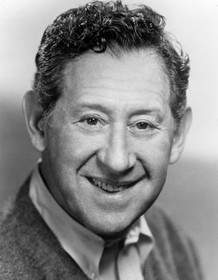
Phil Greene (Jack Gilford)
Played by Jack Gilford
Stoner’s business partner and co-owner of Capri Casuals, whose resignation to difficult choices is tempered by fear of the consequences. He recognizes the dire finances and the looming crisis, yet struggles to stop the destructive plan.
- 💼 Partnership
- 🧭 Fear
- 🧠 Compromise
- M(
Myra (Laurie Heineman)
Played by Laurie Heineman
A free-spirited flower-power hitchhiker who embodies counterculture energy. She serves as a foil to Stoner’s world of luxury, exposing him to risk and unguarded behavior.
- 🌼 Counterculture
- 🧭 Naivete
- 🗝️ Temptation
-
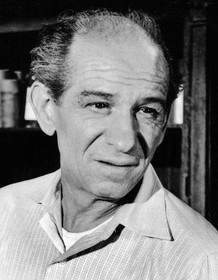
Sid Fivush (Ned Glass)
Played by Ned Glass
A financier with mob connections who offers emergency financing for Capri Casuals, illustrating how organized crime is woven into the film’s financial desperation.
- 💵 Financing
- 🧿 Crime
- 🗝️ Influence
- CR
Charlie Robbins (Thayer David)
Played by Thayer David
An arsonist hired to burn the factory, whose involvement reveals how far the protagonists are willing to go to salvage their business.
- 🧯 Arson
- 🕵️♂️ Risk
- 🗝️ Coercion
- MD
Margo Duka (Lara Parker)
Played by Lara Parker
A prostitute connected to Stoner’s world, involved in the complicated web of clients and schemes that swirl around Capri Casuals.
- 💋 Seduction
- 🎭 Drama
- JS
Janet Stoner (Patricia Smith)
Played by Patricia Smith
Harry’s wife, who anchors the domestic side of the story and presses for stability, including seeking professional help for her husband’s breakdown.
- 💑 Family
- 🤝 Intervention
- 🔒 Loyalty
Where and When Is Save the Tiger Set?
Save the Tiger is set in Beverly Hills, Los Angeles, Sunset Strip and Long Beach (early 1970s). Here is why the time and place matter to the story.
When
early 1970s
The events take place in the early 1970s Los Angeles scene, a period of bold fashion, counterculture, and shifting economic pressures. The fashion show backdrop and the proposal of risky financing reflect the era’s precarious business climate. War memories from the protagonist’s past color present decisions, rooting the story in a specific historical moment.
Where
Beverly Hills, Los Angeles, Sunset Strip, Long Beach
The story unfolds across an upscale Beverly Hills mansion and the bustling Los Angeles fashion scene along the Sunset Strip, with key action centered at a Long Beach factory. These locations juxtapose glamorous, privileged living with the darker realities of a faltering clothing business. The settings anchor the tension between wealth, showmanship, and risk.
- 🏙️ Beverly Hills
- 🌴 Los Angeles
- 🗽 Sunset Strip
- 🏖️ Long Beach
What Are the Themes of Save the Tiger?
3 ideas the story keeps returning to, among them Greed, Trauma and Midlife.
-
01
Greed
Desperate financial pressure pushes Stoner and Greene toward unethical shortcuts, including fraudulent accounting and an arson-for-insurance scheme. The fear of an impending audit and bankruptcy intensifies their willingness to cross moral boundaries. The lure of quick money threatens to erode trust, friendship, and professional ethics.
-
02
Trauma
Harry Stoner’s WWII memories intrude on the present, shaping impulsive behavior and a disconnect from reality. Nightmares and nostalgia color his decisions, including the choice to risk others for personal safety and security. The past continuously bleeds into his business life, trapping him in a cycle of memory and action.
-
03
Midlife
Stoner faces aging out of power and the fear of losing status in a cutthroat industry. The pressure to maintain a glamorous lifestyle reveals a hollowness at the heart of wealth. His willingness to gamble with others’ lives marks a desperation to preserve his place in a world that is passing him by.
What Kind of Film Is Save the Tiger?
Dark in tone, with steady pacing and a straightforward story, going by the plot summary.
- Tone
- Dark
- Pacing
- Steady
- Story
- Straightforward
- Intensity
- Medium
- Ending
- Bittersweet
A tense and melancholic character study steeped in desperation, following a haunted businessman over two pressure-filled days as his moral compromises clash with nostalgic yearning.
- anxious
- desperate
- nostalgic
- melancholic
- cynical
- haunted
- moral decay
- business pressure
- ptsd
- midlife crisis
Content notes: arson, insurance fraud, post traumatic stress disorder, prostitution.
Quiz
How well do you remember Save the Tiger? Test yourself on the story.
Where to Watch Save the Tiger
Stream it on Hoopla and Kanopy, or rent or buy it from Amazon Video and Apple TV Store. US availability and prices from JustWatch.
Stream 2
 Hoopla
  Kanopy




Streaming availability in the US, powered by