
Save the Tiger 1973


Harry Stoner manipulates the books, sets fire to a factory and supplies women to his clients, all in a desperate bid to secure another season. Over the span of two days his cut‑throat business tactics begin to clash with his personal life, exposing the cost of his ambition.


Does Save the Tiger have end credit scenes?
No!
Save the Tiger does not have end credit scenes. You can leave when the credits roll.
Meet the Full Cast and Actors of Save the Tiger
Explore the complete cast of Save the Tiger, including both lead and supporting actors. Learn who plays each character, discover their past roles and achievements, and find out what makes this ensemble cast stand out in the world of film and television.

Jack Gilford
Phil Greene

Jack Lemmon
Harry Stoner
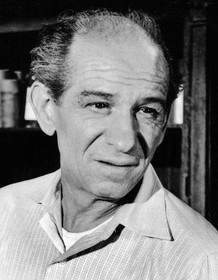
Ned Glass
Sid Fivush

Laurie Heineman
Myra
Thayer David
Charlie Robbins
Harvey Jason
Rico
Norman Burton
Fred Mirrell
Lara Parker
Margo Duka
William Hansen
Meyer
Liv Lindeland
Ula
Patricia Smith
Janet Stoner
Leoda Richards
Woman at Buyers' Show
Biff Elliot
Tiger Petitioner
Pearl Shear
Cashier
Madeline Lee
Receptionist
Eloise Hardt
Jackie
Ben Freedman
Taxi Driver
Janina
Dusty
External Links and Streaming Options
Discover where to watch Save the Tiger online, including streaming platforms, rental options, and official sources. Compare reviews, ratings, and in-depth movie information across sites like IMDb, TMDb, Wikipedia or JustWatch.





Take the Ultimate Save the Tiger Movie Quiz
Challenge your knowledge of Save the Tiger with this fun and interactive movie quiz. Test yourself on key plot points, iconic characters, hidden details, and memorable moments to see how well you really know the film.
Save the Tiger (1973) Quiz: Test your knowledge of the 1973 drama "Save the Tiger" with a mix of easy, medium, and challenging questions about its characters, plot twists, and key details.
Who portrays the protagonist Harry Stoner?
Full Plot Summary and Ending Explained for Save the Tiger
Read the complete plot summary of Save the Tiger, including all major events, twists, and the full ending explained in detail. Explore key characters, themes, hidden meanings, and everything you need to understand the story from beginning to end.
Jack Lemmon as Harry Stoner lives in a Beverly Hills mansion with a Spanish-speaking maid, a life of luxury that masks a haunted mind scarred by WWII and crushed by mounting business pressures. He is obsessed with his baseball-loving youth, a fixation that flares up as he wakes screaming for the second time that week and acts out pre-war Brooklyn Dodgers games in the bedroom—a wild pitching windup he nostalgically recalls.
His wife, Janet Stoner, Patricia Smith urges him to seek help from a hypnotist, while he explains that every morning he wakes up costs him about $200—money tied to the mortgage, his daughter’s Swiss school, the pool cleaner, the tree surgeon, and a looming need to finance a new fashion line at Capri Casuals. Together with his partner, Jack Gilford as Phil Greene, they run Capri Casuals, a Los Angeles apparel firm struggling to stay afloat, juggling fraudulent bookkeeping and the threat of a potential audit.
Today is the day of a big show for out-of-town buyers, and the tension between Stoner and Greene thickens as they argue about how to cover the remaining gap in funds. The bank offers only 50% on sales, leaving them to find another surge of cash within sixty days. Desperate, Stoner rejects every clean, legal option and even tests the limits of his morality, hinting at torching their Long Beach factory to collect an insurance payout. Their clandestine circle tightens when they meet the arsonist, Charlie Robbins, Thayer David, who has been hired to burn a different business on the ground floor and funnel the flames into their space above. The plan is laid out in a backstage exchange: a $2,500 retainer, a set of keys, and a rendezvous to carry out the fire. Stoner agrees to proceed, instructing Robbins to forget him if everything goes wrong.
Backstage at the fashion show, a different kind of pressure arrives in the form of a wealthy client from Ohio who expects discreet service by a local prostitute, Margo Duka, Lara Parker. The client and his French-speaking assistant are whisked away after a medical emergency—a sudden arterial occlusion—while the rest of the show presses forward. The event itself is a delicate blend of glamour and unease, with the emcee keeping the crowd engaged even as the room weighs the fragility of Stoner’s world. The show is a tentative success, but the undercurrent of risk lingers, and Sid Fivush, a mob-connected financier, Ned Glass arrives backstage with a stark proposal: emergency financing at 200%.
The duo’s desperation intensifies as Stoner and Greene secretly meet Robbins in a blue movie theater, where they pass him the cash and the address for the factory. Robbins delivers a critical caveat: the warehouse is out of compliance with fire safety regulations, and the insurance would not pay out if a fire occurred there. The only option would be to ignite a neighboring business on the ground floor and direct the flames into their own space. Stoner agrees to the plan, but under the condition that he and Robbins maintain some distance from Greene, and that if things go wrong, Greene must disappear from the equation.
As the day winds down, Stoner has a moment of quiet clarity on a baseball field. He comes upon boys playing in the outfield; the ball is hit to his left field fence, and he steps onto the grass to throw a pitch, turning the moment into a poignant reflection rather than a retreat from reality. When the ball sails over the backstop, a child looks up and asks, “You can’t play with us, Mister!” Stoner answers with a soft, lingering smile, a small gesture that hints at the enduring pull of his past and the uncertain fate of his present.
So you could see it one time.
In the end, the film drifts between glittering success and moral peril, painting a portrait of a man who is both a shrewd survivor and a man corrupted by fear—and the people around him, from his devoted wife to his loyal partner and the shadowy financiers, are forced to reckon with how far they’re willing to go to keep the dream alive.

Discover Film Music Concerts Near You – Live Orchestras Performing Iconic Movie Soundtracks
Immerse yourself in the magic of cinema with live orchestral performances of your favorite film scores. From sweeping Hollywood blockbusters and animated classics to epic fantasy soundtracks, our curated listings connect you to upcoming film music events worldwide.
Explore concert film screenings paired with full orchestra concerts, read detailed event information, and secure your tickets for unforgettable evenings celebrating legendary composers like John Williams, Hans Zimmer, and more.


Save the Tiger Themes and Keywords
Discover the central themes, ideas, and keywords that define the movie’s story, tone, and message. Analyze the film’s deeper meanings, genre influences, and recurring concepts.
Save the Tiger Other Names and Titles
Explore the various alternative titles, translations, and other names used for Save the Tiger across different regions and languages. Understand how the film is marketed and recognized worldwide.
Similar Movies To Save the Tiger You Should Know About
Browse a curated list of movies similar in genre, tone, characters, or story structure. Discover new titles like the one you're watching, perfect for fans of related plots, vibes, or cinematic styles.



Quick Links: Summary, Cast, Ratings, More

What's After the Movie?
Not sure whether to stay after the credits? Find out!




Explore Our Movie Platform
New Movie Releases (2025)
Famous Movie Actors
Top Film Production Studios
Movie Plot Summaries & Endings
Major Movie Awards & Winners
Best Concert Films & Music Documentaries
Movie Collections and Curated Lists
© 2025 What's After the Movie. All rights reserved.