
The Passion of Anna 1969

Directed by
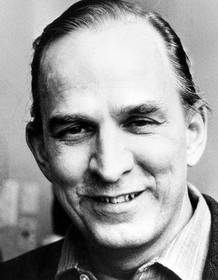
Ingmar Bergman
Made by

SF Studios
The Passion of Anna Plot Summary
Read the complete plot summary and ending explained for The Passion of Anna (1969). From turning points to emotional moments, uncover what really happened and why it matters.
Andreas Winkelman is a man who lives alone, carrying the weight of a recent marriage breakdown and a sense of emotional emptiness. His quiet existence begins to shift when a neighbor, Anna Fromm, arrives at his doorstep asking to use his phone. She moves with a cane, and in the moment she leaves, he discovers her handbag and a letter from her husband that reveals unhappiness in their marriage and a fear of possible psychological and physical violence. This chance encounter sets off a chain of uneasy connections, as Andreas feels drawn into Anna’s world even while he remains emotionally distant.
The film’s narrative is intermittently interrupted by short, framed segments in which the four principal actors discuss their characters in conversations guided by an unseen interviewer, a device that adds a reflective layer to the drama. These inserts sit alongside the central story, which follows Andreas as he brings Anna’s bag to a nearby home where the couple Eva and Elis Vergerus live. Elis, a renowned architect and amateur photographer, maintains a large archive of portraits organized by emotional states, and he offers to photograph Andreas. The gesture signals a new potential for connection and perhaps a way to secure a loan Andreas needs to stabilize his finances.
One evening, Eva, who is married to Elis, visits Andreas out of boredom and loneliness. They share wine and music, and Eva, feeling tired and vulnerable, ends up sleeping on the sofa. Once she awakens, the two become intimate, though the scene remains discreet. Eva shares a painful memory from her past: during a prior pregnancy she was treated with an overdose at a hospital, resulting in the death of the child in her womb. She and Elis both cried then, a moment she says she has never forgotten. The couple’s vulnerability is palpable, and Elis later arranges to help with the bank loan, while Eva warns Andreas to be careful with Anna, hinting at hidden tensions in their circle.
As Andreas and Anna begin living together, her devotion to faith and pursuit of truth grows more intense. Yet her origin of delusions begins to surface, feeding a dreamlike monologue in which she envisions an island and the horrors of war, a vision that seems tied to the broader traumas echoing through the film. For his part, Andreas remains overwhelmed by anxiety and disconnection, making it difficult for the couple to sustain a stable relationship.
A parallel thread concerns acts of animal cruelty on an unnamed island: a dog is left hanging in a tree, and sheep are killed violently. A loner neighbor— someone many suspect of these crimes— commits suicide, and a police-delivered letter describes how he was beaten and humiliated by others, leaving him with no will to continue living. The intertwining of these events underscores the community’s unease and the sense that misjudgments and fear can lead to devastating consequences.
A turning moment occurs when Anna provokes a confrontation while Andreas chops wood. In a moment of danger, he swings the axe and drives it into the wooden wall near her head, though it’s unclear whether he intended to harm her. He does not hesitate to lash out with a slap after the incident. Soon after, two fire engines race past the house, and Andreas learns that the perpetrator has struck again—this time setting a horse ablaze in a locked stable. The disturbing detail reveals that Andreas’ earlier suspicions about his friend’s guilt were unfounded, and the truth suggests the neighbor’s misjudged persecution.
Anna reappears at the fire scene, and, without speaking, she drives them away in her car. Andreas insists that they tell the truth to one another, and he confesses that he has read the letter from Anna’s husband, confirming the lie about their happiness. He asks whether she might be planning to kill him as she killed her husband and son, and she speeds off the road. He manages to reach over and help steady the car, but Anna remains silent. He tells her that she is out of her mind and that they should part ways. When he asks why she picked him up at the fire, she answers, “I came to ask for forgiveness.” He steps out of the car, and she drives away. In a long shot, Andreas walks and then falls to his knees, the image gradually turning to white as the narration reaches its final line.
This time he was named Andreas Winkelman.
The Passion of Anna Timeline
Follow the complete movie timeline of The Passion of Anna (1969) with every major event in chronological order. Great for understanding complex plots and story progression.
Anna arrives and asks to use the phone
Andreas Winkelman is living alone and emotionally adrift after his marriage breaks down. A neighbour named Anna arrives and asks to use his phone, moving with a cane and clearly troubled. The chance encounter hints at a beginning of a fraught connection between them.
Andreas overhears Anna's conversation
While Anna uses the phone, Andreas cannot help listening in on her conversation. He picks up fragments of her troubles, and Anna departs in tears, leaving an impression of shared pain. The moment plants seeds of curiosity and unease about their bond.
Handbag and hidden letter
Anna leaves her handbag behind at Andreas' place. Curious, he looks through it and finds a letter from her husband revealing unhappiness in their marriage and fear of possible psychological and physical violence. The discovery deepens the tension between the two households and signals deeper secrets.
Handbag delivered to Anna's home; first encounters with Eva and Elis
Andreas takes the handbag to Anna's home and is greeted by Eva and Elis, a married couple in psychological turmoil. Elis, an architect and amateur photographer, offers to take pictures of Andreas and hints at using his influence to help with finances. The meeting expands the social web around Andreas and introduces the couple who will become central to the story.
Elis photographs and helps with a loan
Elis photographs Andreas and agrees to organise the validation of a bank loan, giving him a typing task to demonstrate his ability to repay. This moment shows Andreas striving for money to secure his future. Eva observes the dynamics and cautions Andreas to tread carefully with Anna.
Eva's visit, intimacy, and a shared past
One night Eva visits while Elis is away; they listen to music and drink wine, and Eva falls asleep on the sofa. They become intimate, and Eva recounts a traumatic past pregnancy loss caused by a mistaken insulin treatment, the only time Elis is seen to weep.
Andreas and Anna move in together; delusions emerge
Andreas and Anna begin living together at his house. Anna becomes zealous in her faith and relentless in her search for truth, while delusions surface, including a troubling dream of being stranded on an island amid war. Andreas cannot shake his anxiety and disconnection, worsening their fragile relationship.
Island cruelty and social paranoia
Across the island, acts of animal cruelty—dogs hanged in trees and sheep killed—unfold. A loner neighbour is suspected and later commits suicide; a police letter to Andreas describes how the man was beaten by a group of men, pushing him to end his life. The grim events amplify the sense of threat surrounding the couple.
Axe confrontation and escalation
During a wood-chopping quarrel, Anna provokes Andreas as he wields an axe and nearly drives it into the wall near her head. He stops short but then slaps her, marking a brutal escalation in their already unstable relationship. The moment foreshadows the violence that colors their life together.
Fire at the farm and its aftermath
Two fire engines rush past to a distant farm where the perpetrator has struck again, dousing a horse in petrol and locking it in before setting the stable on fire. The horse dies in the blaze, underscoring the brutality spreading across the island. It becomes clear that Andreas' friend was innocent and unjustly persecuted.
Car confrontation on the way to the fire
Anna arrives at the fire in her car and Andreas joins her as they confront the unfolding events. He reveals that he has read the letter from Anna's husband, realizing she has lied about their happiness. The confrontation deepens the rift and intensifies their crisis.
Forgiveness claimed and parting
In the car, Anna refuses to answer whether she intends to kill him and finally says, 'I came to ask for forgiveness.' Andreas tells her they should part ways, and she drives off in silence. The moment seals their breakup and pushes toward the film's final tragedy.
Final image and naming
The last shot lingers on Andreas as he kneels in a grainy close-up, and a voice-over proclaims, 'This time he was named Andreas Winkelman.' The line caps a portrait of a man defined by the names others assign and the violence surrounding him.
The Passion of Anna Characters
Explore all characters from The Passion of Anna (1969). Get detailed profiles with their roles, arcs, and key relationships explained.
Andreas Winkelman (Max von Sydow)
A man living with emotional desolation after the recent breakdown of his marriage. He is anxious and disconnected, oscillating between vulnerability and anger. His relationship with Anna becomes a catalyst for a crisis that exposes latent resentments and the fragility of trust.
Anna Fromm (Liv Ullmann)
Anna is zealous in her faith and in search of truth, but her sanity increasingly falters under pressure. She is intense, unstable, and capable of projecting fear and guilt onto others, driving the couple toward a dangerous brink.
Eva Vergerus (Bibi Andersson)
Eva is the emotionally restless wife of Elis. She seeks companionship and validation, oscillating between desire and caution. Her actions reveal the complexity of infidelity within a fragile social circle and the pain it causes.
Elis Vergerus (Erland Josephson)
An architect and amateur photographer with a cultivated archive of portraits mapped to emotions. He is composed and perceptive, yet emotionally distant, functioning as a foil to the volatile dynamics between Andreas and Anna.
The Passion of Anna Settings
Learn where and when The Passion of Anna (1969) takes place. Explore the film’s settings, era, and how they shape the narrative.
Location
Andreas's house, Anna's home, island, farm
The story largely unfolds in a domestic setting built around Andreas's house, where his fraying relationship with Anna unfolds. Anna's home becomes a space of intimacy and danger as their bond deepens. Intermittent scenes shift to an isolated island and a livestock farm, highlighting the characters' emotional isolation and the violence erupting from their turmoil.
The Passion of Anna Themes
Discover the main themes in The Passion of Anna (1969). Analyze the deeper meanings, emotional layers, and social commentary behind the film.
💔
Love, Turmoil
A fragile marriage and the unreliable pursuit of closeness drive the narrative. Both Anna and Andreas oscillate between tenderness and volatility, revealing how emotional distress can corrode trust. The film probes how desire and fear intertwine, leaving characters stranded in mutual misperception.
🧠
Truth, Lies
The plot hinges on hidden letters, misread signals, and the confrontation of true feelings. Anna's insistence on truth clashes with her delusions, while Andreas’ discovery of the letter exposes a web of deception. The tension mounts as characters confront what is real and what they pretend to be.
🩸
Violence, Guilt
The tension culminates in a near-violent outburst as Andreas strikes, and the surrounding violence imposed on animals mirrors the inner turmoil. The narrative links personal violence to communal scrutiny and guilt, culminating in a somber reckoning on forgiveness. The film uses these acts to question moral responsibility within intimate relationships.

Coming soon on iOS and Android
The Plot Explained Mobile App
From blockbusters to hidden gems — dive into movie stories anytime, anywhere. Save your favorites, discover plots faster, and never miss a twist again.
Sign up to be the first to know when we launch. Your email stays private — always.
Explore the mobile appThe Passion of Anna Spoiler-Free Summary
Discover the spoiler-free summary of The Passion of Anna (1969). Get a concise overview without any spoilers.
In a stark, windswept archipelago where isolation feels almost palpable, a recently divorced man lives a solitary routine, haunted by the echo of a lost partnership. Andreas moves through his days with a quiet, unsettled rhythm, his home a modest refuge that offers little distraction from the emptiness he carries. The island itself, far from a tourist haven, becomes a muted backdrop for a story that lingers between yearning and restraint.
When a neighbor in need knocks on his door, a fragile connection is forged with a grieving widow whose presence is as enigmatic as the sea that surrounds them. Anna arrives clutching a cane and a sealed letter that hints at hidden sorrow, drawing Andreas into a world where devotion and despair intersect. Their path soon crosses a married couple—an architect‑photographer and his wife—who welcome the stranger into their modest home, adding a layer of domestic intimacy that feels both comforting and uncertain.
The film unfolds with a deliberate, almost painterly visual style; carefully composed frames echo the characters’ inner states, and brief, meta‑conversational interludes let the actors step outside their roles, offering contemplative glances at the lives they inhabit. Light and shadow play across weathered walls, while the surrounding landscape—a mixture of rugged cliffs and quiet bays—mirrors the emotional terrain the protagonists navigate. This reflective texture gives the narrative a tone that is simultaneously intimate and unsettling.
As relationships deepen, the island’s quiet routine begins to pulse with an undercurrent of tension. Between the fragile bonds forming among Andreas, Anna, and the couple, there are unspoken doubts and a lingering sense that the peace of the isolated community may be only a veneer. The story invites viewers to linger in the spaces between words, feeling the weight of yearning, faith, and the subtle unease that hangs over every encounter.
Movies with Similar Twists and Themes
Uncover films that echo the narrative beats, emotional arcs, or dramatic twists of the one you're exploring. These recommendations are handpicked based on story depth, thematic resonance, and spoiler-worthy moments — perfect for fans who crave more of the same intrigue.


Featured on this page

What's After the Movie?
Not sure whether to stay after the credits? Find out!
Check out our other apps:

SAT Sphere
Build confidence for the Digital SAT.

Mori Atlas
Discover wild places worth protecting.

Luntero
Search smarter for a home in Amsterdam.

Plot Explained
Unravel movie endings and hidden clues.

Pokechamp
Dive into Pokémon data and battle logic.

Driving Theory
Get ready for your European theory test.

Movie Dust
Plan your next cinema trip with ease.

Musemap
Find art and culture as you travel.

Selkobase
Compare credentials before committing.

Local Manual
Turn an unfamiliar country into practical next steps.

Lernavi
Compare school systems before your next move.

GymRoam
Find a workout stop wherever your plans take you.
Explore Our Movie Platform
New Movie Releases (2026)
Famous Movie Actors
Top Film Production Studios
Movie Plot Summaries & Endings
Major Movie Awards & Winners
Best Concert Films & Music Documentaries
Movie Collections and Curated Lists
© 2026 What's After the Movie. All rights reserved.
Privacy Policy