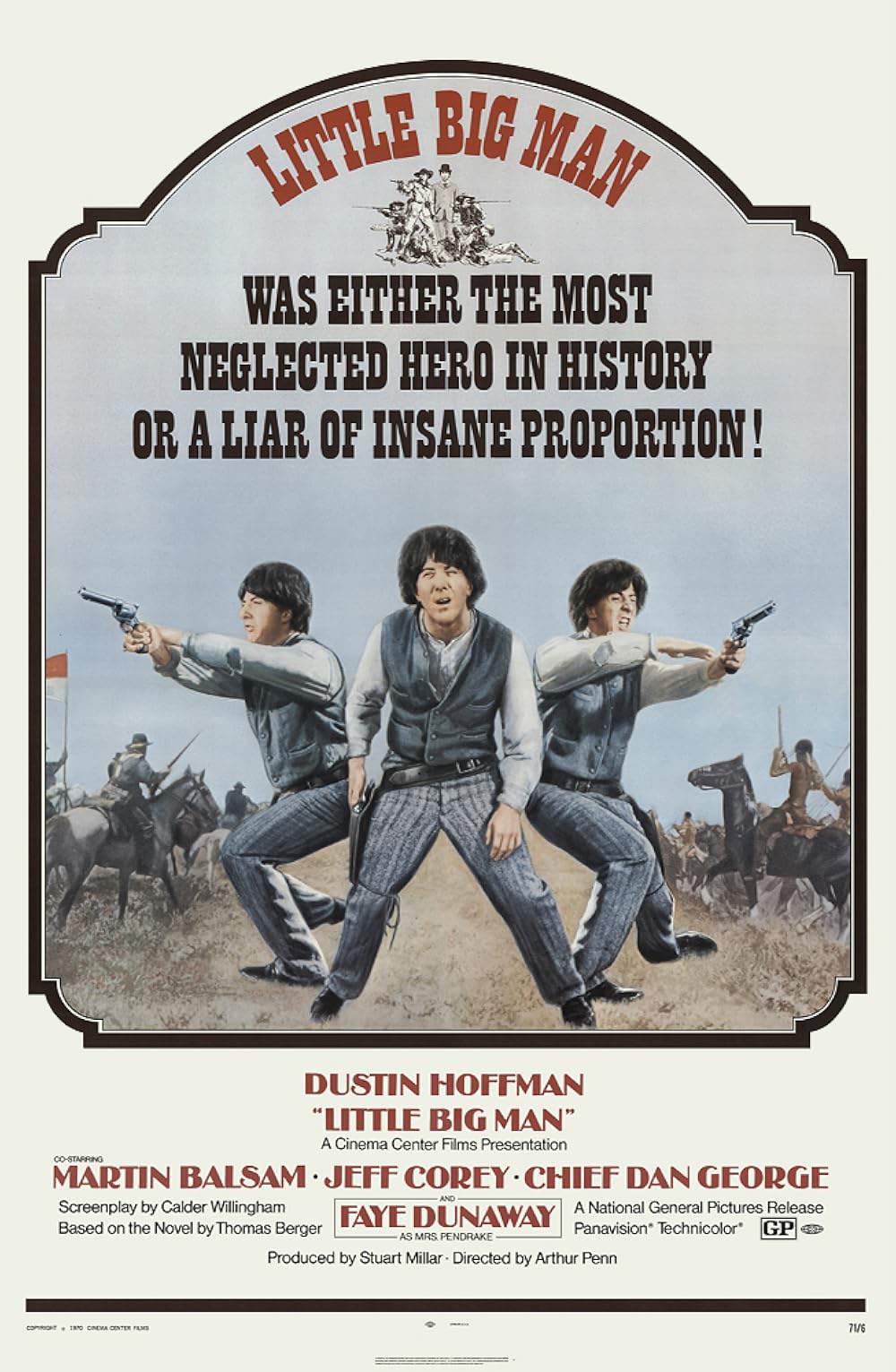
What Is The New Land About?
The premise of The New Land in 328 words, with nothing given away. The full story follows below.
In the summer of 1850 a weary ship drops off a group of Swedish hopefuls on the wild shores of what will become Minnesota’s Chisago Lakes. The landscape is a stretch of pine‑dotting forest and frozen lakes, a place where the promise of land clashes with the brutal realities of frontier life. Against a backdrop of a young nation’s expansion, the film paints a stark yet lyrical portrait of immigrants carving a future from untamed wilderness, their hopes shimmering like the northern lights over a still‑dark horizon.
At the heart of the story stands Karl Oskar Nilsson, a stoic patriarch whose quiet determination drives the family’s quest for stability. Beside him, Kristina balances fierce love for her children with a lingering ache for the home left behind. Their three young sons and a growing brood embody the restless energy of a new generation, while the presence of Robert, Karl Oskar’s younger brother, and his close friend Arvid adds a restless spirit eager for adventure beyond the pine woods. The settled community of fellow Swedes, including the genial Ulrika and her uncle Danjel, forms a patchwork of shared customs and whispered doubts about belonging in this strange land.
The tone oscillates between quiet reverence for the natural world and an undercurrent of uncertainty, reflecting the immigrant’s inner conflict between tradition and adaptation. Religious differences surface subtly when Ulrika marries Pastor Jackson, prompting the small congregation to weigh tolerance against old‑world expectations. Throughout, the film’s visual language leans on muted palettes and sweeping vistas, inviting viewers to feel the weight of cold winters, the optimism of spring planting, and the constant hum of a language slowly fading into the American soundscape.
As the settlers labor to build homes, cultivate fields, and stitch together a community, the story rests on the delicate balance of perseverance and yearning. Each character carries their own fragment of the old country while reaching toward an uncertain, yet hopeful, future on the edge of the continent.
What Happens in The New Land?
The complete story of The New Land, from the first scene to the last, in 678 words (about 3 minutes). Spoilers throughout. Names in the text link to 7 cast member pages.
Spoilers ahead
In 1850, Karl Oskar Nilsson, Max von Sydow and his wife Liv Ullmann Kristina, along with their three children and Karl Oskar’s younger brother Robert Eddie Axberg and Robert’s friend Arvid Pierre Lindstedt, arrive in the land now known as the Chisago Lakes area of Minnesota after a grueling voyage from Sweden.
The family settles in a rough shanty while Karl Oskar works to build a permanent home. He begins clearing the pine-dotted land, and with the help of Robert and Arvid, as well as their Swedish neighbors, they manage to construct a small farmhouse before the harsh winter sets in. At the housewarming, a circle of fellow settlers, including Kristina’s uncle Danjel Allan Edwall and Ulrika Monica Zetterlund, gathers to talk about whether they truly belong in this new country. Kristina, overwhelmed with homesickness, breaks into tears, feeling the weight of leaving everything familiar behind.
A moment of joy brightens their life when Ulrika helps Kristina welcome a son, whom she names Danjel, after her uncle. Ulrika soon marries Pastor Jackson Tom C. Fouts, and the community of Lutheran neighbors debates whether Kristina and Karl Oskar should shun Ulrika for her different faith. The couple chooses acceptance over division, standing by Ulrika and welcoming the new family member with quiet warmth.
Robert and Arvid decide to seek their fortunes westward, drawn toward the California Gold Rush. After several years apart, Robert returns with a strange gift: a stack of banknotes. He tells Karl Oskar that the real wealth he found is larger than money, but it’s clear to Karl Oskar that Robert believed he’d deserved more and that their earlier dynamic has shifted.
Flashbacks reveal the hardships that followed Robert and Arvid on their trek: losing Arvid to poisoned water in the desert, Robert being rescued by a Hispanic guide who later dies of fever, and the guide entrusting Robert with a sack of coins. When Robert exchanges the coins for lighter banknotes in a distant town, he discovers to his horror that the banknotes are worthless. Grief-stricken and stubborn, he refuses medical help for a lingering cough and dies not long after.
As the years pass, Karl Oskar becomes an American citizen and attempts to volunteer for the Civil War. His limp, however, renders him ineligible, sealing his fate as a non-combatant. Kristina, still deeply tied to Sweden in her heart, endures the ache of exile and the strain of motherhood, giving birth to more children — Ulrika and Frank — though doctors warn that another pregnancy could be fatal after so many children. She faces a sequence of miscarriages and falls ill when the Dakota War of 1862 erupts, a brutal conflict that uproots settlers from their lands.
The conflict drives the Dakota people from their territories, and they rise in hunger and rage, attacking settlers and leaving a path of devastation. Among the dead are Uncle Danjel, his eldest son, and his pregnant daughter-in-law, a brutal toll that weighs heavily on Karl Oskar as he sits vigil by Kristina’s bedside. The U.S. Army quells the uprising, and President Abraham Lincoln approves the mass execution of 38 Sioux warriors in what becomes a defining moment in Minnesota’s history.
Overwhelmed by grief, Karl Oskar withdraws into solitude as his children grow and begin their own families. He frequently visits Kristina’s grave, a quiet lake-side place where the memory of their shared homeland lingers. In time, he can hear the steady hammering of new Swedish settlers moving into the region, signaling a wave of language and culture that will reshape the community.
Karl Oskar dies on 7 December 1890, leaving behind a family that has gradually become more American and farther from the Swedish language that once bound them. A neighbor, Axel J. Andersson, writes to Karl Oskar’s sister Lydia in Sweden to tell her of his death. The letter arrives with a family photograph showing Karl Oskar surrounded by his many children and grandchildren, a poignantly tangible reminder of emigration, endurance, and the ever-evolving story of a people who built a new life far from home.
The New Land Timeline: Every Key Event in Order
15 key events in the order they happen, from “Arrival in the Chisago Lakes area” to “Karl Oskar's death and lasting memory”. 15 events name a place, across 10 locations.
- 1
Arrival in the Chisago Lakes area
Karl Oskar Nilsson, his wife Kristina, and their three children arrive in the Chisago Lakes area after an arduous sea and overland journey from Sweden. They shelter in a rough shanty while Karl Oskar begins planning a permanent house for his family. The harsh climate and rough terrain set the tone for their early struggles in a new land.
When:1850 Where:Chisago Lakes area, Minnesota
- 2
Building a homestead
With the help of his younger brother Robert, Arvid, and Swedish neighbors, Karl Oskar clears pine trees and erects a small farmhouse. The work is grueling, but they manage to complete the structure before winter. The family begins to settle into a hard-won life on the frontier.
When:early 1850s Where:Farmstead, Chisago Lakes area
- 3
Housewarming and homesickness
At the housewarming, the assembled Swedish settlers discuss their hopes and regrets about emigrating. Kristina, homesick and lonely, bursts into tears as she confronts the distance from Sweden. The moment marks a mix of joy and longing that threads through their new life.
When:early 1850s Where:Farmstead, Chisago Lakes area
- 4
Birth of Danjel
Kristina, aided by Ulrika, gives birth to a son named Danjel, strengthening family bonds in a distant land. The event anchors their sense of continuity and hope for the future. The name Danjel also honors Kristina’s uncle, connecting past and present.
When:early 1850s Where:Farmhouse
- 5
Ulrika's marriage
Ulrika later marries Pastor Jackson, a friendly Baptist minister from a nearby town. The marriage draws mixed reactions from pious Lutheran neighbors who fear religious differences. Karl Oskar and Kristina support Ulrika, choosing family unity over narrow judgments.
When:mid-1850s Where:Nearby town
- 6
Departure for the California Gold Rush
Robert and Arvid head West to seek their fortune in the California Gold Rush. They leave Minnesota with mixed optimism and resolve, hoping the journey will change their fortunes. The departure signals the widening of their world beyond the settlement.
When:mid-1850s Where:Minnesota to California
- 7
Robert returns with banknotes
After several years, Robert returns to Karl Oskar's farm carrying a stack of banknotes, claiming a share of the gold he found. He tells Karl Oskar that the money represents only a small portion of his true wealth. The moment hints at unresolved tensions between brothers.
When:late 1850s to early 1860s Where:Minnesota
- 8
Flashbacks of the Westward ordeal
Flashbacks reveal the trials of Robert and Arvid: they become lost in the desert, Arvid dies after drinking poisoned water, and Robert is rescued by a Hispanic guide who later dies of yellow fever. The guide leaves Robert a sack of coins, a symbol of fortune that will haunt him later.
When:late 1850s–early 1860s Where:Desert, Sierra Nevada
- 9
Coins and the counterfeit crisis
Back home, Robert exchanges his coins for lighter banknotes in a bid to cash in his wealth. Karl Oskar discovers the banknotes are worthless counterfeit pieces. The revelation shatters Robert’s pride and strains family ties.
When:early 1860s Where:Minnesota
- 10
Robert's death
Overcome by illness and despair after the financial disappointment, Robert refuses medical help for a persistent cough and dies soon after. His death compounds the family’s sense of loss and misfortune. The Gold Rush dream that fueled his journey ends in tragedy.
When:early 1860s Where:Karl Oskar farm, Minnesota
Show the other 5 events of The New Land Hide the last 5 events
- 11
Citizen and Civil War effort
In the years that follow, Karl Oskar becomes an American citizen and wishes to volunteer for the Civil War, but his limp makes him ineligible. He remains on the farm, tending to his family as the nation confronts its upheavals. The moment underscores the personal limits imposed by injury in a time of national crisis.
When:1860s Where:Minnesota
- 12
Births and risks: Ulrika and Frank
Kristina continues to endure the emotional toll of emigration, giving birth to two more children, Ulrika and Frank. A doctor warns that after so many births, another pregnancy could be fatal. Kristina accepts her fate with quiet faith while seeking to protect her growing family.
When:circa 1860s Where:Farmhouse
- 13
Dakota War erupts; Danjel killed; Kristina falls ill
The Dakota War of 1862 erupts, driving settlers from their lands. Uncle Danjel is killed during the upheaval, and Kristina falls gravely ill, with Karl at her bedside as the danger intensifies. The family endures yet another blow while the frontier tears itself apart.
When:1862 Where:Minnesota frontier
- 14
Mankato executions and aftermath
As the uprising is quelled, President Lincoln approves the mass execution of 38 Dakota warriors at Mankato. The event casts a long shadow over the community and deepens the sorrow already weighing on Karl Oskar. The tragedy marks a grim chapter in the settlers' struggle for belonging in a new land.
When:1862 Where:Mankato, Minnesota
- 15
Karl Oskar's death and lasting memory
Grief-stricken, Karl Oskar withdraws, and the area around him fills with a new wave of Swedish settlers while his children grow more Americanized. He dies on 7 December 1890, leaving behind a family that is more integrated into American life. A neighbor, Axel J. Andersson, writes to Karl Oskar’s sister Lydia in Sweden, and a family photograph of Karl with his descendants becomes the enduring memory of his life.
When:7 December 1890 Where:Minnesota
Who Are the Main Characters in The New Land?
5 characters, among them Karl Oskar Nilsson (Max von Sydow), Kristina Nilsson (Liv Ullmann) and Danjel (Allan Edwall): who each one is and the part they play in the story. Every profile links to the actor’s page.
-
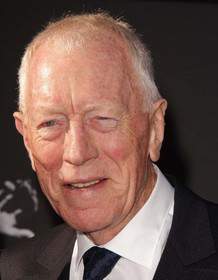
Karl Oskar Nilsson (Max von Sydow)
Played by Max von Sydow
A stoic, hardworking farmer who leads his family westward and builds a new home. His resilience is tempered by hardship and grief, including his wife Kristina’s death, becoming an American citizen, and his failed attempt to serve in the Civil War due to a limp.
- 👨🌾 Farmer
- 🧭 Immigrant
- 💪 Determined
-
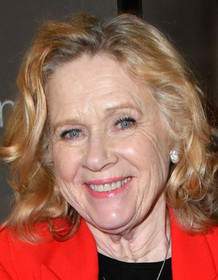
Kristina Nilsson (Liv Ullmann)
Played by Liv Ullmann
Karl Oskar’s wife, homesick for Sweden but devoted to her family. She endures pregnancy losses and illness with quiet faith, offering emotional depth and strength in the face of hardship and changing times.
- 👩🍼 Wife
- 👩👧👦 Mother
- 🕊️ Faithful
- D(
Danjel (Allan Edwall)
Played by Allan Edwall
Kristina’s uncle who joins the family, providing warmth and kinship. His presence underscores the importance of extended family and community among Swedish settlers as they navigate an unfamiliar landscape.
- 🧓 Uncle
- 🧭 Community Anchor
- R(
Robert (Eddie Axberg)
Played by Eddie Axberg
Karl Oskar’s younger brother and a restless traveler who seeks fortune in the West. His journey reflects the lure and risks of the frontier, culminating in financial loss and tragedy.
- 👨💼 Brother
- 🧭 Adventurer
- A(
Arvid (Pierre Lindstedt)
Played by Pierre Lindstedt
Robert’s friend and companion on the migration westward. He shares in the camaraderie and peril of starting anew, embodying the uncertain fate of many settlers.
- 👥 Friend
- 🏜️ Frontier Traveler
Where and When Is The New Land Set?
The New Land is set in Chisago Lakes area, Minnesota and USA (1850s–1890s). Here is why the time and place matter to the story.
When
1850s–1890s
The film spans the mid-to-late 19th century, starting with a 1850 arrival and continuing through decades of pioneer life. It traces the settlers’ adaptation, the growth of families, and the emergence of a new American identity. Key events include the Dakota War of 1862, the rise of a multi-generational household, and the eventual fading of Swedish linguistic ties as descendants integrate into American society.
Where
Chisago Lakes area, Minnesota, USA
The story unfolds around the Chisago Lakes region in Minnesota, where Swedish settlers establish a new homestead. It follows their arrival by sea and overland, the construction of a farm, and the forging of a tight-knit immigrant community amid harsh winters and vast pine forests. The landscape anchors memories of homeland while serving as a practical backdrop for toil, faith, and neighborly bonds.
- 🏞️ Minnesota Frontier
- 🧭 Emigration
- 🏚️ Settlement Life
What Are the Themes of The New Land?
4 ideas the story keeps returning to, among them Emigration, Family & Home and Cultural Conflict.
-
01
Emigration
Emigration drives the narrative, with families leaving Sweden in search of land and opportunity in Minnesota. The arduous journey tests loyalty, courage, and the will to sustain kinship across oceans and cultures. Settling into a new country reshapes identities while preserving memories of homeland.
-
02
Family & Home
Family bonds ground the plot: Kristina’s devotion, Karl Oskar’s leadership, and the children’s growth anchor the story. The farm becomes a symbol of perseverance, yet loss, illness, and the weight of history intrude, shaping a lineage that must navigate grief and resilience. Home is also a space of cultural negotiation with neighbors and church life.
-
03
Cultural Conflict
Differences in faith and customs surface when Ulrika marries a Baptist minister, challenging Lutheran norms. The settlers negotiate identity and belonging in a new land, balancing shared labor with religious and cultural tensions. The community learns to coexist while preserving distinct traditions.
-
04
Tragedy & War
The Dakota War of 1862 brings violence and upheaval, with significant losses to the settler families. The film also marks a grim historical moment with the mass execution of Sioux prisoners, highlighting the brutal costs of frontier expansion. Grief and memory haunt Karl Oskar as the frontier era shifts toward a more integrated but troubled society.
What Kind of Film Is The New Land?
Melancholic in tone, with slow pacing and a moderate story, going by the plot summary.
- Tone
- Melancholic
- Pacing
- Slow
- Story
- Moderate
- Intensity
- Medium
- Ending
- Bittersweet
A slow, melancholic epic that immerses the viewer in the harsh realities of immigrant life, marked by profound grief, quiet perseverance, and a persistent ache for a lost homeland.
- melancholic
- homesick
- somber
- reflective
- gritty
- wistful
- immigration
- frontier life
- grief and loss
- survival
Content notes: war violence, death of children, miscarriage, fatal illness, mass execution.
Quiz
How well do you remember The New Land? Test yourself on the story.