
The World Changes 1933

Directed by
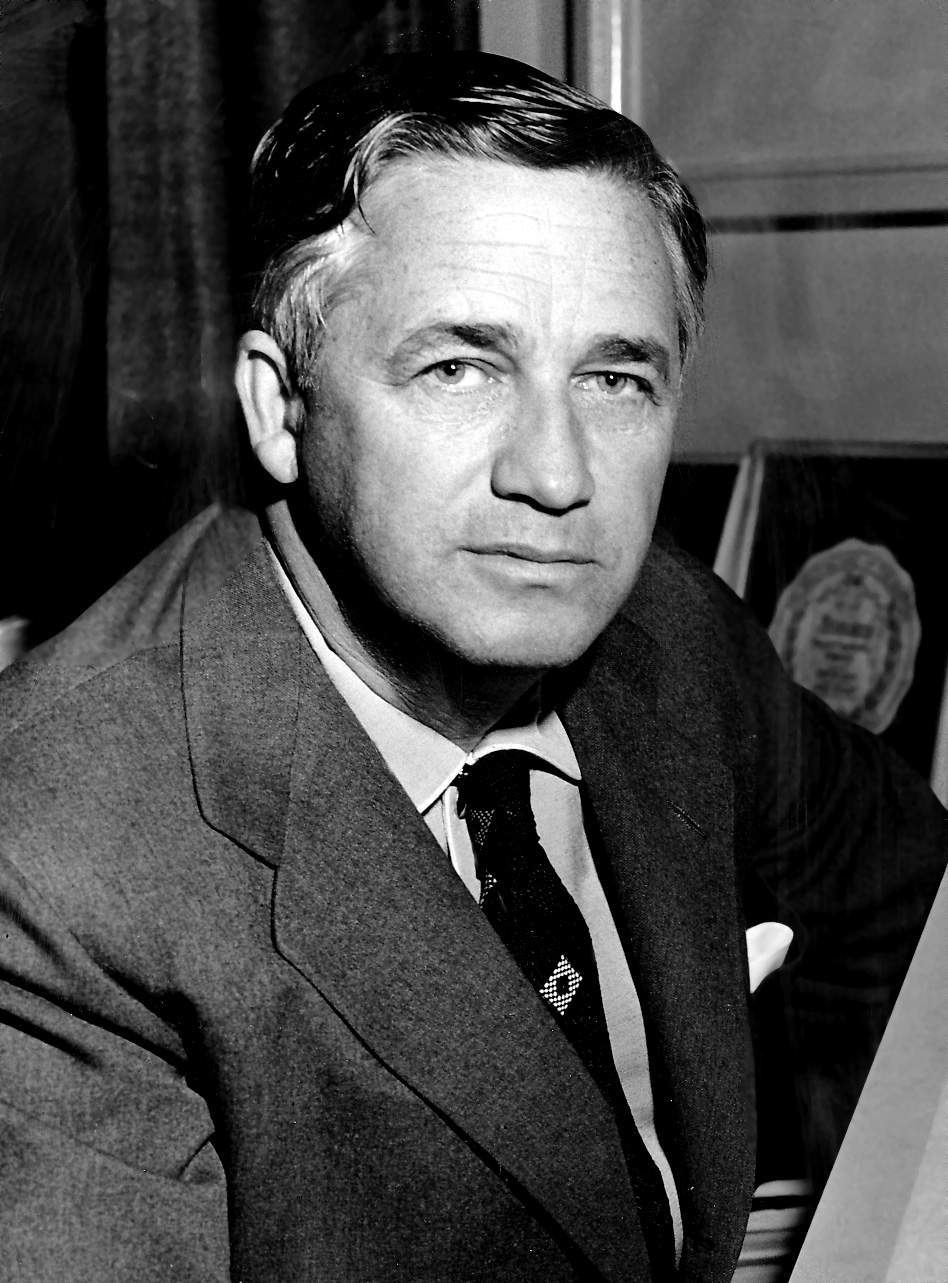
Mervyn LeRoy
Made by

First National Pictures
The World Changes Plot Summary
Read the complete plot summary and ending explained for The World Changes (1933). From turning points to emotional moments, uncover what really happened and why it matters.
In the Dakota Territory in 1856, a pregnant Anna Nordholm and her husband Orin Nordholm Sr. settle into a tiny cabin, choosing a quiet, self-sufficient life. He tills the fields and she chops wood, starting a family that includes their infant son, Orin Nordholm Jr.. The couple watches another family head west to California to scratch out a living, and they welcome them as neighbors, imagining a future where their own land will stretch on forever. A shared dream grows: a town, a thriving community, a place called Orinville, built on grit and perseverance. As the years pass, the bond between generations tightens, and the idea of a permanent, self-reliant life becomes the bedrock of the Nordholm clan.
Nearly a decade later, at a wedding, Orin Nordholm Sr. muses aloud that his son should marry his childhood friend, Selma. The seeds of ambition and family loyalty fuse with the Westward spirit, and the stage is set for choices that will ripple through decades. Orin Nordholm Jr. grows restless and restless ambitions push him toward money and chance. In 1877, he courts risk—shadowed by a gambler’s talk of driving steers north from Texas—while his parents urge caution. He slips away in the night, leaving a note that hints he will drive the cattle and that Selma will understand. The cattle drive becomes a trek through storms, rivers, and bandit fear, a test of nerve that takes him first to Omaha, then to a deal with James Claffin, a hard-nosed businessman who urges him to push the cattle toward Chicago. He returns to his family and the woman he loves to share the plan, but Orin Sr. questions whether the westward dream can sustain them all. Selma, loyal and steadfast, refuses to abandon the life she knows.
In 1879, the daughter of Claffin, Ginny, arrives in Orinville and she and Orin Nordholm Jr. wed in a union that seems to seal the family’s fate. When James Claffin dies two years later, the men of the stockyards press their case against Orin, accusing him of being too ruthless to be trusted with their money. The bank resists renewing his loan, and Orin responds with a bold pivot toward innovation—investing in meat-freezing equipment that promises to reshape the business. A wry line from a loyal secretary captures the turning point: “If only we could put ice boxes on wheels.” The idea takes root and hints at a future where cold storage and mobility could transform meatpacking into a more modern enterprise.
By 1893, Orin and Ginny live in a grand estate with their sons, Richard Nordholm and John Nordholm. The family enjoys prestige, but tensions simmer. Anna Nordholm’s absence weighs on Orin, and disagreements about how the boys should spend time away from the stockyards strain the marriage. Ginny’s temperament frays under the weight of expectations, and she locks herself in their bedroom during a family crisis, signaling cracks beneath the surface of a prosperous facade.
The turn of the century brings new pressures. In 1904, the Clintons from New York arrive for a social visit, and Orin suspects they want to seize control of the business. Ginny pushes for Richard to marry Jennifer Clinton Nordholm, a union that would blend old money with new. At a party marking Orin’s retirement and his plan to open an art gallery, the stock crashes once again, sending shockwaves through the family. Orin roars about Wall Street’s treachery, refusing to abandon his company, but Ginny’s health declines under the strain. When a run on the stock finally erupts, she collapses and dies, leaving a rift that pummels the surviving generations. Richard and John blame Orin for her death, and he resolves to sell the business.
The 1920s bring a new era of ascent and anxiety. Orin Nordholm Jr. reads in a club that his granddaughter will marry a European nobleman, Philip Ivor. He and his grandson, Orin Nordholm III, feel the weight of the past bearing down on the present. Jennifer Clinton Nordholm and her circle loom large as the younger generation tries to navigate intermarried alliances and the family’s fragile grip on wealth. Jennifer’s sister or relative, Natalie Clifton Nordholm, also appears as the family grows older, and the granddaughter’s future is tied to an arranged alliance with the English aristocrat.
Then comes the fateful crash of 1929. The stock market collapse shatters what remains of the Nordholms’ fortunes, leaving Richard and his son Paul facing possible prison. Orin Nordholm Jr. refuses to bail them out, preferring the prospect of a fresh start for his young kin. He is relieved to see Orin Nordholm III and Selma return with Anna Nordholm to Orinville to begin anew in South Dakota. The narrative tightens as Paul Nordholm attempts to flee prison; a reckless misstep follows, and Richard’s misdeeds—exposed by an affair with Jennifer Clinton Nordholm’s lover [Ogden]—lead to a desperate act: Richard kills himself in front of Jennifer. The devastation reverberates through the family, and Orin Nordholm Jr. discovers Richard’s body, the memory of Ginny flashing before him, and, in a final, tragic turn, falls down the stairs and dies himself. In the end, Orin Nordholm III and the young Selma return to Orinville with Anna Nordholm to begin a new life, carrying forward a legacy built on grit, endurance, and the stubborn hope of a better tomorrow.
The World Changes Timeline
Follow the complete movie timeline of The World Changes (1933) with every major event in chronological order. Great for understanding complex plots and story progression.
Founding a simple farm life
In 1856, Anna Nordholm and Orin build a cabin in the Dakota Territory to live a simple farm life. Orin plows the fields while Anna chops wood and their infant son Orin Jr. is part of the growing family. They glimpse a neighboring family moving west and begin to dream of founding Orinville.
Dream of Orinville becomes a promise
Eleven years later, at a wedding, Orin speaks of his hope that Orin Jr. will marry his childhood friend Selma. He imagines Orinville as a town with hundreds of families, a dream that keeps their family tied to the land. The idea of a community forming in the West becomes an enduring promise.
Orin Jr. seeks a cattle future
In 1877, Orin Jr. discusses a plan to drive steers north from Texas with a gambler; his parents disapprove of the plan, preferring the security of Orinville. He secretly leaves a letter explaining his decision to head west. The family begins to see a widening gulf between their aspirations and his choices.
The cattle drive meets the western road to Chicago
During the drive, Orin Jr. battles a river, storms, and bandits that scare the herd. He travels to Omaha, where James Clafflin convinces him to drive the cattle to Chicago. The journey marks a pivotal shift from western settlement to an influence-driven eastern market.
Family diverges: westward vs. home
Orin Sr. and Anna wonder why their son cannot stay in Orinville, but they recognize that the same pull toward the West that brought them here drives his son toward Chicago. The family begins to diverge along different destinies as the cattle venture unfolds.
Selma refused — romance faces distance
Orin asks Selma to run away with him, but she refuses, choosing to stay behind. The couple remains separated as Orin's cattle venture continues toward Chicago. Their bond survives, but the path forward is filled with difficult choices.
Ginny enters the family and they marry
James Clafflin's daughter Ginny visits and meets Orin; they marry in 1879. The union links Orin to the Clafflin family and the expanding influence of the stockyards in their business world.
James Clafflin dies and funeral reveals stockyard ties
James dies in 1881, and Ginny is distraught that the funeral crowd is dominated by stockyard people. The event underscores how the family’s fortunes are tied to the volatile cattle industry. Ginny begins to bear the weight of public perception on their enterprise.
Bank pressure and a pivot to innovation
Cattlemen accuse Orin of ruthlessness, and the bank refuses to renew his loan. He pivots from expansion to innovation, pushing to develop meat-freezing equipment and imagining ice boxes on wheels. This strategic shift plants the seed for a modernized future.
1893: wealth, strain, and Ginny's distress
In 1893, Orin and Ginny live on a palatial estate with their sons Richard and John. Orin is upset that Anna will not visit, and tensions rise as Ginny and Orin quarrel about the boys’ visits to the stockyards. Ginny suffers a breakdown and locks herself in their bedroom.
1904: Clintons visit, party, and Ginny's illness
The Clintons visit from New York, and Orin suspects a takeover of his company. Ginny wants Richard to marry Jennifer Clinton, while Orin announces retirement to open an art gallery, causing stock to fall. Ginny’s health worsens as a run on the stock begins, and she collapses and dies.
1920s: family tensions and Phillip Ivor
In the 1920s, Orin contemplates his legacy as his granddaughter is set to marry English nobleman Philip Ivor. Jennifer Clinton notes the younger Orin resembles his grandfather, while Richard—now a Wall Street banker funded by Orin—faces pressure over Natalie’s engagement. The family’s ambitions and loyalties strain across generations.
1929: Anna's visit and the market crash
In late 1929, Anna, now nearly ninety, plans a visit to New York. The stock market crashes in October, sending Richard and Paul toward prison and triggering a cascade of betrayals as Ogden steals money and Jennifer has an affair. Orin Jr. watches Richard’s body and dies after a flashback to Ginny, marking the end of an era as Orin III and Selma return home.
Orin III's new start in Orinville
Orin III and the young Selma return to Orinville with Anna to start a new life in South Dakota. The saga closes with a fresh generation stepping away from the shadows of their predecessors, seeking a new beginning.
The World Changes Characters
Explore all characters from The World Changes (1933). Get detailed profiles with their roles, arcs, and key relationships explained.
Anna Nordholm (Aline MacMahon)
Anna arrives with Orin in the Dakota Territory and helps establish a frontier home in 1856. She embodies practical resilience and hopes for a lasting, simple life in Orinville. Throughout the decades, she anchors the family with steady presence and a sense of belonging to the land.
Orin Nordholm Sr. (Henry O'Neill)
Orin Sr. dreams of a thriving frontier town and a lasting legacy for his family. He pushes westward expansion, envisioning Orinville as a symbol of progress. His ambitions set the patriarchal tone that guides the early generations of the Nordholm clan.
Orin Nordholm Jr. (Paul Muni)
Orin Jr. chases a bigger future beyond Orinville, leaving home to drive cattle to Chicago and later pursuing meat-industry innovation. He marries Ginny in 1879 and becomes a central bridge between old frontier life and urban enterprise. His restless drive clashes with family expectations, and his choices ripple through generations.
James Claffin (Guy Kibbee)
James Claffin is a prominent stockyard businessman and Ginny's father. His influence helps shape the early economic world around Orinville. His death in 1881 underscores the volatility of frontier wealth and the community that revolves around the stockyards.
Virginia Claffin Nordholm (Ginny) (Mary Astor)
Ginny, James Claffin's daughter, marries Orin Jr. and becomes a key figure in the family’s ascent into wealth. She experiences strain from constant social and financial pressures, culminating in a psychotic breakdown in 1904 and her eventual decline. Her life illustrates the cost of balancing duty, love, and power.
Richard Nordholm (Donald Cook)
Richard is a Wall Street banker who lines up with Orin's financial world. He navigates the pressures of a family enterprise, but in 1929 he faces mounting trouble and discovers Jennifer's affair, which drives him to suicide in a climactic tragedy. His arc embodies the perilous lure and ultimate collapse of big-money finance.
John Nordholm (Gordon Westcott)
John is Orin Jr.'s brother and a member of the Nordholm clan, growing up amid the stockyards and family ambition. He shares in the family’s fame and flaws, serving as a counterpoint to his brother’s restless drive. His role reflects the second-generation tension between tradition and modernization.
Natalie Clifton Nordholm (Patricia Ellis)
Natalie is the daughter connected to the Clinton family by marriage and social alliance. She participates in the East Coast social circuit and the Nordholm’s business world, symbolizing the blend of Eastern influence with Western enterprise. Her presence marks the merging of old money with new ambitions.
Jennifer Nordholm (Margaret Lindsay)
Jennifer, Orin Jr.'s wife, becomes entangled in an extramarital affair with Ogden, which destabilizes the family’s reputation and finances. Her actions contribute to the moral and financial unraveling that culminates in tragedy during the 1929 crash. She represents the human cost of wealth and power.
Selma Peterson Nordholm (Jean Muir)
Selma is introduced as Orin Sr.'s childhood friend and the hope that Orin Jr. might marry, establishing a long-standing connection within the family. She becomes a symbol of enduring loyalty and the potential for a different path within the Nordholm line. Her presence threads through multiple generations as a touchstone of kinship.
Orin Nordholm III (William Janney)
Orin III is the grandson whose life represents the next generation’s possibility after the stock-market upheaval. He longs for a new start and, with Anna, returns to Orinville to begin anew in South Dakota. His arrival marks a hinge point between old wealth and a fresh, uncertain future.
Paul Nordholm (Theodore Newton)
Paul is a member of the later Nordholm generation who makes a desperate choice to flee prison, illustrating the consequences of inherited predicaments and the pressure of family expectations. His arc ties the late-1920s financial crisis to a personal struggle for redemption or escape.
Sir Philip Ivor (Alan Mowbray)
Philip Ivor appears as the English nobleman linked to Orin’s granddaughter’s arranged future. He embodies the transatlantic connections of wealth and status that define late-era Nordholm concerns. His presence foreshadows how international ties influence family destiny.
The World Changes Settings
Learn where and when The World Changes (1933) takes place. Explore the film’s settings, era, and how they shape the narrative.
Time period
1856–1929
The narrative spans across multiple eras, beginning with mid-19th century frontier settlement and progressing through the industrial expansion of the late 19th century. It follows the rise of meatpacking, refrigeration, and the stock market-driven economy into the 1920s. The tale culminates with the 1929 crash, bringing the family saga to a tense, fatal close and forcing a new generation to start over in South Dakota.
Location
Dakota Territory, Orinville, Omaha, Chicago, New York, South Dakota
The story unfolds in the Dakota Territory beginning in 1856 as Anna Nordholm and Orin build a simple frontier life in Orinville. It follows the family from rough homesteads to the bustling Chicago stockyards and eventually to the urban centers of Omaha and New York, reflecting a nation expanding westward and then consolidating wealth in the East. By the late 1920s, the family estate and the town of Orinville are tested by financial upheaval and a veteran lineage seeking a new life in South Dakota.
The World Changes Themes
Discover the main themes in The World Changes (1933). Analyze the deeper meanings, emotional layers, and social commentary behind the film.
🐎
Frontier
The frontier is portrayed as the cradle of ambition, where the Nordholm family dreams of Orinville and a lasting homestead. Westward expansion shapes values, work ethic, and the drive to build something enduring. Generations pursue growth in a rapidly changing landscape, often at the expense of personal relationships.
💼
Wealth & Power
Wealth is pursued as a measure of success and social standing, driving bold investments and technological innovations. The family moves from homesteads to stockyards, banks, and large-scale enterprises that redefine their identity. The narrative shows how financial ambition can destabilize families and invite moral risk, culminating in a catastrophic economic collapse.
👪
Legacy
Legacy threads through multiple generations, from Orin Sr.’s dream of a town to Orin Jr.’s heirs and Orin III’s inheritance. The film scrutinizes what a family leaves behind—assets, reputations, and memories—and how abrupt changes test loyalties. In the end, the next generation must decide how to live with or apart from a long, troubled history.
🧊
Innovation
Innovation is a steady undercurrent, from practical frontier tools to meat-freezing technology and ice-box on wheels. The characters continuously adapt to new methods and markets, illustrating how invention reshapes livelihoods and power dynamics. Yet progress also brings volatility, exposing weaknesses in long-standing family structures.

Coming soon on iOS and Android
The Plot Explained Mobile App
From blockbusters to hidden gems — dive into movie stories anytime, anywhere. Save your favorites, discover plots faster, and never miss a twist again.
Sign up to be the first to know when we launch. Your email stays private — always.
Explore the mobile appThe World Changes Spoiler-Free Summary
Discover the spoiler-free summary of The World Changes (1933). Get a concise overview without any spoilers.
In the sweeping plains of the Dakota Territory, a modest cabin becomes the seed of a sprawling family legend. Anna Nordholm arrives pregnant, her resolve as sturdy as the timber she hauls, while Orin Nordholm Sr. tills the stubborn earth, dreaming of a permanent settlement that might one day bloom into a bustling town. The early years are marked by quiet perseverance, a shared hope that the land will stretch forever and that their children will inherit a self‑reliant legacy.
From this foundation emerges the restless spirit of Orin Nordholm Jr.—a charismatic businessman whose ambition constantly pulls him between the comfort of home and the lure of the wider, ever‑changing world. Guided by the memory of his childhood friend Selma, whose steadiness mirrors the frontier’s own resolve, he navigates the tension between familial duty and personal aspiration. As the 19th century rolls on, the family’s fortunes intertwine with the burgeoning markets of the Midwest, prompting bold experiments in technology and commerce that hint at a future far beyond their humble beginnings.
The household expands through marriage and partnership, introducing figures such as the determined Ginny and the shrewd entrepreneur James Claffin. Their presence adds layers of intention and expectation, shaping the Nordholm clan’s collective journey as it grapples with innovation, societal pressure, and the inevitable shifts of a nation on the move. The tone remains intimate yet expansive, balancing tender snapshots of daily life with the grandeur of a world in transition.
Through decades of triumphs and trials, the story invites viewers to feel the pulse of a family whose grit and hope echo the broader American experience. It is a generational saga that captures the quiet strength of the Midwest, the restless curiosity of its protagonists, and the enduring belief that each new sunrise holds the promise of another chapter yet to be written.
Movies with Similar Twists and Themes
Uncover films that echo the narrative beats, emotional arcs, or dramatic twists of the one you're exploring. These recommendations are handpicked based on story depth, thematic resonance, and spoiler-worthy moments — perfect for fans who crave more of the same intrigue.


Featured on this page

What's After the Movie?
Not sure whether to stay after the credits? Find out!
Check out our other apps:

SAT Sphere
Build confidence for the Digital SAT.

Mori Atlas
Discover wild places worth protecting.

Luntero
Search smarter for a home in Amsterdam.

Plot Explained
Unravel movie endings and hidden clues.

Pokechamp
Dive into Pokémon data and battle logic.

Driving Theory
Get ready for your European theory test.

Movie Dust
Plan your next cinema trip with ease.

Musemap
Find art and culture as you travel.

Selkobase
Compare credentials before committing.

Local Manual
Turn an unfamiliar country into practical next steps.

Lernavi
Compare school systems before your next move.

GymRoam
Find a workout stop wherever your plans take you.
Explore Our Movie Platform
New Movie Releases (2026)
Famous Movie Actors
Top Film Production Studios
Movie Plot Summaries & Endings
Major Movie Awards & Winners
Best Concert Films & Music Documentaries
Movie Collections and Curated Lists
© 2026 What's After the Movie. All rights reserved.
Privacy Policy