What Is The New Centurions About?
The premise of The New Centurions in 324 words, with nothing given away. The full story follows below.
In the relentless sprawl of Los Angeles, a trio of fresh‑out policemen steps onto the thin blue line, each chasing a different promise of stability. Roy Fehler is a married father whose dream of studying law drives him to wear the badge as a means to an end, while Gus Plebesly juggles the demands of three young children and a resolve to protect them. Sergio Duran hails from the very neighborhoods he now patrols, hoping to rewrite the story of his East L.A. roots through honest service. Their rookie eyes meet a city that hums with danger, bureaucracy, and the quiet desperation of its inhabitants, setting a tone that feels both gritty and deeply human.
Guiding them are two starkly different veterans. Andy Kilvinski, a hardened officer with a quarter‑century of street‑level experience, embodies a no‑nonsense, sometimes ruthless approach that tests the limits of what the rookies consider acceptable. In contrast, Whitey Duncan offers a more laid‑back, wry perspective, teaching his partner that survival sometimes means bending the rules without breaking the spirit of the job. The clash of these mentorship styles creates a constant tension that forces the newcomers to question their own values and the price of belonging.
Beyond the sirens, the film dwells on the pull between duty and personal life. Roy’s marriage to Dorothy begins to fray under the weight of long shifts and unfulfilled ambitions, hinting at the sacrifices that come with a badge. Gus wrestles with the guilt of risking his children’s future, and Sergio balances pride in his community with the fear of losing his own moral compass. The narrative paints a portrait of men who are as much defined by their inner conflicts as by the streets they roam.
The overall mood is a sober, immersive look at law enforcement—less an action‑driven thriller than a character study that lets the audience feel the pulse of a city and the quiet, often unseen, cost of its guardians.
What Happens in The New Centurions?
The complete story of The New Centurions, from the first scene to the last, in 1,199 words (about 5 minutes). Spoilers throughout.
Spoilers ahead
Three rookie cops, Roy Fehler, [Stacy Keach], Gus Plebesly, [Scott Wilson], and Sergio Duran, [Erik Estrada], report for duty with the Los Angeles Police Department. Each man brings a different background to the badge: Roy Fehler is a family man who is married with a daughter named Rebecca and harbors dreams of one day becoming a law student; Gus Plebesly is a busy father of three who wants to do right by his kids; and Sergio Duran is a native of East L.A. who never expected to spend his days patrolling the very streets of his homeland. From the start, the trio faces the realities of a city that demands more than courage—it asks for endurance, adaptability, and a willingness to accept that danger can come from anywhere, at any moment. Roy Fehler, [Stacy Keach], Gus Plebesly, [Scott Wilson], and Sergio Duran, [Erik Estrada], are about to learn that the job will test their limits in ways they could not have anticipated.
Each rookie is matched with a veteran partner who embodies a different philosophy of policing. Roy Fehler pairs with the hard-edged Andy Kilvinski, [George C. Scott], a man who has spent nearly a quarter of a century on the force and has his own stark, unvarnished approach to the job. Kilvinski’s methods are controversial; he even keeps company with a disturbing habit of keeping street disturbances off the streets by confining strippers—Alice, Gloria, Wilma, and others he has supplied with liquor—inside a paddy wagon for hours, a tactic meant to curb trouble but one that raises questions about boundaries and ethics. Gus Plebesly, meanwhile, rides with Whitey Duncan, [Clifton James], whose more laid-back, sly manner contrasts sharply with the intensity of his rookie partner. Sergio Duran finds himself navigating the same streets with Kilvinski’s abrasive style in certain calls, testing his own resolve as a officer who wants to do right without compromising his own sense of humanity.
The department’s realities collide with the men’s personal lives in quick, jolting moments. A burglary call at a market becomes a grim lesson when Gus shoots at an armed figure in a dark alley and discovers, to his horror, that the person he shot is the owner of the store who was pursuing the robber. The shock of a life taken under his watch weighs heavily on him and becomes a turning point in how he perceives the risks of the job. Roy Feuer’s days take a different shape. He begins to frustrate his wife, Dorothy Fehler, [Jane Alexander], by growing more obsessed with police work, neglecting his family, and dropping out of law school. He loves the street life in a certain sense, but the absence of balance starts to wear on him, and the strain of missed family life becomes a thread that will pull at him as events unfold. He experiences a turning moment during a routine convenience-store holdup when he tells a couple in a parked car to move. Unbeknownst to him, the couple is the get-away crew for the robbers, and a bullet from a sawed-off shotgun rips through him, leaving him gravely wounded on the sidewalk.
Meanwhile, Sergio and Gus confront their own fears about the danger that accompanies their work. Sergio worries about the possibility of being shot, and the two share a tense moment as they handle a call involving a slumlord, a situation that reveals both anger and moral outrage when Andy Kilvinski explodes at a landlord who exploits the residents living in deplorable conditions. The scene underscores the moral ambiguities of policing: what passes for justice can look harsh when you’re the one holding the line. Roy’s recovery is slow but real, and he re-enters the world of patrols with a renewed, if tempered, sense of purpose. He faces a shootout again, and his resolve remains steady; he won’t flinch, even as the weight of fear and pain lingers.
As the rookies mark a full year on the force, Andy Kilvinski reaches his 25th anniversary and contemplates retirement, reflecting on the toll the job takes not just on the body but on personal life. His thoughts highlight a common thread in policing stories: the struggle to maintain a sense of self beyond the badge. Roy’s path takes another turn when he is assigned to the vice squad, where the work is hardly glamorous. The punishments and disappointments mount as he arrests people for behaviors deemed transgressive by some, and Dorothy, weary of the strain, decides to leave for San Francisco with their daughter Becky, seeking a different life away from the pressures that pulled her husband away from home.
Time passes, and Roy grapples with the consequences of both his professional and personal choices. Andy makes a rare return to city life, an attempt to reconnect with the force he loves, but the nostalgia is tempered by regret. The veteran’s decision to end his life—placing his service revolver in his mouth after a late-night phone call with Roy—casts a long shadow over the younger cops who had leaned on him for guidance. The losses echo through the ranks, seeping into Roy’s psyche and deepening his sense of loneliness and despair.
Depression begins to erode Roy’s stability, and he drinks during shifts as the pressure tightens around him. He answers a burglary call and encounters Lorrie Hunt, a nurse who helped him after he was shot; their brief connection becomes a lifeline as Roy starts to see his life beyond the badge again. Yet the line between personal and professional blurs; a later incident with a prostitute nicknamed “Silverpants” nearly sends him into danger before Lorrie helps stabilize him, and he faces a three-week suspension for intoxication on duty. The arc of his recovery is messy but indicates a path toward a healthier balance—one that invites him to re-evaluate the roots of his grief and to examine the choices that can lead a good man into the shadows.
The finale brings the department’s danger into sharp focus. Roy, Gus, and Sergio respond to a broad, sprawling disturbance, a sequence that becomes a high-stakes car and foot chase through crowded streets. After a long series of bookings and close calls, a woman seeking protection from an abusive husband sends them into a quieter, more intimate danger. Roy ascends the back stairs of a building, the tension mounting as gunfire erupts. The assailant fires a single shot, and Roy Fehler dies in Gus Plebesly’s arms, with Sergio Duran by their side. In that moment, the trio’s bond—their shared risk, their hopes for a better future, and the line between duty and humanity—stands as the memory of a life spent upholding a city and the cost of paying that price.
In the end, the film presents a stark portrait of three men forged by their experiences on the streets of Los Angeles. It is a story about ambition, obligation, and the price of courage, told through the quiet moments of daily patrols as much as through the loud, explosive ones. It is a meditation on how the best intentions can collide with hard truths, and how, sometimes, the ultimate act of bravery is simply choosing to keep going after losing someone you love.
The New Centurions Timeline: Every Key Event in Order
13 key events in the order they happen, from “Rookie officers assigned and mentored” to “Final street brawl and Roy's death”. 13 events name a place, across 10 locations.
- 1
Rookie officers assigned and mentored
Three rookie cops, Roy Fehler, Gus Plebesly, and Sergio Duran, report for duty at the LAPD and are assigned veteran partners: Roy with Andy Kilvinski and Gus with Whitey Duncan. Sergio also gets a seasoned partner to guide him as they begin their patrols. They start to learn the daily pressures and dangers of policing in Los Angeles.
When:Start of their careers Where:LAPD Station, Los Angeles
- 2
Gus and Whitey respond to burglary; fatal misfire
During an early patrol, Gus and Whitey take a burglary call at a market. In a dark alley, Gus fires at an armed suspect and, to everyone's horror, kills the market owner who was pursuing the robber. The tragedy reveals how quickly a routine call can turn deadly and haunt officers afterward.
When:Early in their patrols Where:Market district, Los Angeles
- 3
Roy's obsession strains his family life
Roy becomes obsessed with police work, often neglecting his wife Dorothy and delaying his law studies. He prefers the adrenaline of the street to quiet home life, creating tension at home and driving a wedge between him and his family.
When:Early in his career Where:Roy's home, Los Angeles
- 4
Convenience store holdup; Roy is shot
During a routine call at a convenience store holdup, Roy inadvertently exposes the getaway crew by instructing a couple in a parked car to move. The robbers shoot Roy with a sawed-off shotgun, leaving him gravely wounded on the sidewalk as their getaway crew escapes.
When:During the first major incident Where:Street near a convenience store, Los Angeles
- 5
Roy recovers; Dorothy leaves with Becky
Roy slowly recovers from his injuries, but his personal life continues to crumble as Dorothy leaves for San Francisco, taking their daughter Becky with her. The separation marks a turning point in Roy's pursuit of balance between duty and family.
When:Post-injury, within the first year Where:Roy's home, Los Angeles
- 6
Andy and Sergio confront a slumlord; tension erupts
Sergio temporarily partners with Andy on a call involving a slumlord exploiting tenants. Andy's anger over the harsh treatment of residents surfaces, revealing the moral complexities and biases that can burn within veteran officers during tough calls.
When:During the first year Where:Slum housing area, Los Angeles
- 7
Roy returns to the street; faces danger again
Roy, on the comeback trail, returns to car patrol and encounters another shootout. He remains focused and unflinching under fire, earning respect from his partners as he proves he can endure the dangers of the street.
When:Later in the first year Where:City streets, Los Angeles
- 8
One year on the job; Andy's anniversary and retirement
As the rookies reach a full year on the force, Andy celebrates his 25th anniversary and mandatory retirement. He reflects on the long, difficult road of policing and shares the hardships of the job with the younger officers.
When:One year after start Where:LAPD Station, Los Angeles
- 9
Roy shifts to the vice squad; Dorothy leaves
Roy is reassigned to the vice squad, a far from glamorous assignment that mostly targets public homosexual activity in parks. At the same time, Dorothy declares she no longer cares about him and leaves for San Francisco, taking Becky with her.
When:After transfer Where:LAPD Vice Unit; Dorothy's departure
- 10
Andy visits the station; longs for police work
Sometime later, Andy, now retired in Florida, makes an unexpected visit to the LAPD and confesses that he misses the force. He laments not spending more time with his family and his personal life while he was still on the job.
When:Sometime after retirement (Florida) Where:LAPD Station
Show the other 3 events of The New Centurions Hide the last 3 events
- 11
Andy's suicide
After the phone call with Roy, Andy places his service revolver in his mouth and commits suicide. The act is driven by a lifetime of regrets and the sense that personal life was sacrificed for the badge.
When:Sometime after the station visit Where:Florida (retirement home)
- 12
Roy's downward spiral; meeting Lorrie Hunt
Depression takes hold and Roy begins drinking on the job. On a burglary call he meets Lorrie Hunt, a nurse who once helped him after his injury, and later he starts seeing her socially. He also earns a three-week suspension for drunken conduct but finds support in Lorrie's presence.
When:After Andy's death Where:Patrol scenes; hospital
- 13
Final street brawl and Roy's death
Roy, Gus, and Sergio respond to a large street brawl and chase suspects through car and foot pursuits. In the climactic moment, a threatening husband shoots Roy, and he dies in Gus's arms with Sergio at their side.
When:End of the film Where:City streets, Los Angeles
Who Are the Main Characters in The New Centurions?
6 characters, among them Roy Fehler (Stacy Keach), Gus Plebesly (Scott Wilson) and Sergio Duran (Erik Estrada): who each one is and the part they play in the story. Every profile links to the actor’s page.
-

Roy Fehler (Stacy Keach)
Played by Stacy Keach
A rookie patrolman who becomes consumed by street policing, sacrificing his family life and law-school plans. He evolves from enthusiastic new cop to a troubled, exhausted officer who must confront the personal costs of his vocation.
- 👮 Police
- 💔 Family
- 🎯 Duty
-

Gus Plebesly (Scott Wilson)
Played by Scott Wilson
A veteran partner who grapples with the brutality of the streets and the strain it places on his family. He brings hard-won realism to the team, while facing the constant threat of violence and the emotional weight of the cases.
- 💥 Violence
- 👨👦 Family
- 🏙️ City
- SD
Sergio Duran (Erik Estrada)
Played by Erik Estrada
A native of East LA who never imagined patrolling his own community. He combines pragmatism with loyalty to his partners, navigating danger and the complexities of urban life while seeking belonging.
- 🌆 East LA Roots
- 🧭 Pressure
- 🤝 Teamwork
-

Dorothy Fehler (Jane Alexander)
Played by Jane Alexander
Roy's wife, whose patience with the policing life erodes as the job consumes him. Her decision to leave with their daughter marks the personal cost of the officers' lifelong dedication to duty.
- 💔 Family
- 🏠 Home Life
- 🚶♀️ Departure
-
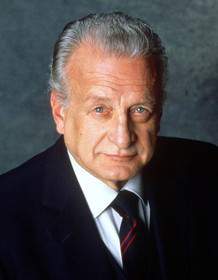
Andy Kilvinski (George C. Scott)
Played by George C. Scott
Roy's veteran partner who reaches retirement after 25 years but is haunted by his experiences. His eventual suicide underscores the ultimate price of a lifetime spent on the force and the fragility of even the most seasoned officers.
- 🧭 Mentor
- 💔 Loss
- 🕯️ Suicide
- LH
Lorrie Hunt (Rosalind Cash)
Played by Rosalind Cash
A nurse who helps Roy after he is wounded and later becomes a social touchstone that helps him re-evaluate his life and relationships.
- 💊 Healing
- 🩸 Trauma
- 🤝 Support
Where and When Is The New Centurions Set?
The New Centurions is set in Los Angeles and East Los Angeles (early 1970s). Here is why the time and place matter to the story.
When
early 1970s
The story takes place in the early 1970s Los Angeles, a period marked by intense urban policing and social tensions. It follows three rookies through a year of patrols, incidents, and personal upheaval that range from ambition to tragedy.
Where
Los Angeles, East Los Angeles
The action unfolds in Los Angeles, focusing on its urban core and East Los Angeles where working-class communities live. The city’s markets, tenement blocks, and crowded streets provide the backdrop for police work and the daily dangers officers face. This setting highlights the social and economic contrasts the rookies encounter on patrol.
- 🚔 LAPD
- 🏙️ Urban LA
- 🧭 Multicultural neighborhoods
What Are the Themes of The New Centurions?
3 ideas the story keeps returning to, among them Duty vs. Self, Mental Strain & Loss and Urban Violence & Exploitation.
-
01
Duty vs. Self
Roy Fehler embodies the pull between the badge and his personal life. The job consumes his time and thoughts, straining his marriage and his law-school plans. The film analyzes how professional duty can eclipse family ties and personal happiness, leading to mounting stress and choices with lifelong consequences.
-
02
Mental Strain & Loss
The narrative documents the psychological toll of police work, including depression and alcohol use. Andy Kilvinski's retirement and subsequent suicide highlight the hidden costs of decades on the force. Roy's downward spiral after trauma underscores how violence on the streets can fracture a person’s sense of self and stability.
-
03
Urban Violence & Exploitation
The film portrays the gritty realities of city policing, from midnight calls to dangerous chases. It confronts exploitation in East LA, including the oppression faced by residents in dilapidated housing. The tension between order, violence, and social inequalities shapes the officers' world and their choices.
What Kind of Film Is The New Centurions?
Bleak in tone, with steady pacing and a moderate story, going by the plot summary.
- Tone
- Bleak
- Pacing
- Steady
- Story
- Moderate
- Intensity
- High
- Ending
- Sad
A bleak and emotionally heavy drama that charts the grim descent of rookie cops into the corrosive world of police work, marked by constant danger, personal ruin, and the ultimate price of duty.
- grim
- melancholic
- anxious
- cynical
- oppressive
- gritty
- police corruption
- moral decay
- rookie cop
- veteran burnout
Content notes: police brutality, suicide, domestic violence, fatal shooting, alcoholism.
Quiz
How well do you remember The New Centurions? Test yourself on the story.