The New Centurions 1972


Written by a former LAPD officer, this nationwide bestseller follows an idealistic rookie who joins the force to fund his law‑school studies. Under the guidance of a hardened veteran, he becomes increasingly absorbed by the job, watching his ambitions and family life fade as policing consumes him.

Does The New Centurions have end credit scenes?
No!
The New Centurions does not have end credit scenes. You can leave when the credits roll.
Meet the Full Cast and Actors of The New Centurions
Explore the complete cast of The New Centurions, including both lead and supporting actors. Learn who plays each character, discover their past roles and achievements, and find out what makes this ensemble cast stand out in the world of film and television.

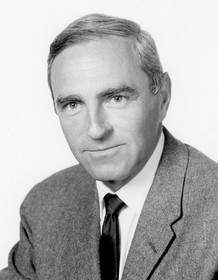
Stacy Keach
Roy Fehle
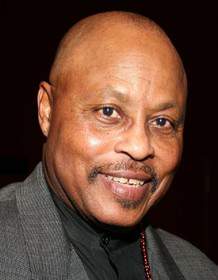
Roger E. Mosley
Truck Driver
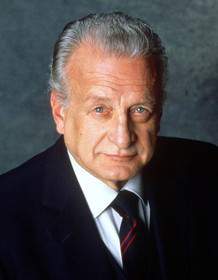
George C. Scott
Kilvinski
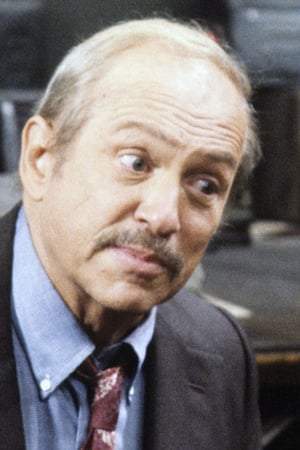
Stefan Gierasch
Landlord
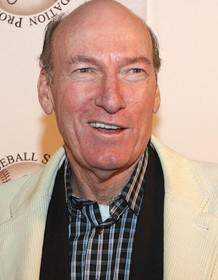
Ed Lauter
Galloway

Jane Alexander
Dorothy Fehler
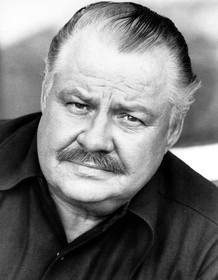
Clifton James
Whitey

Scott Wilson
Gus
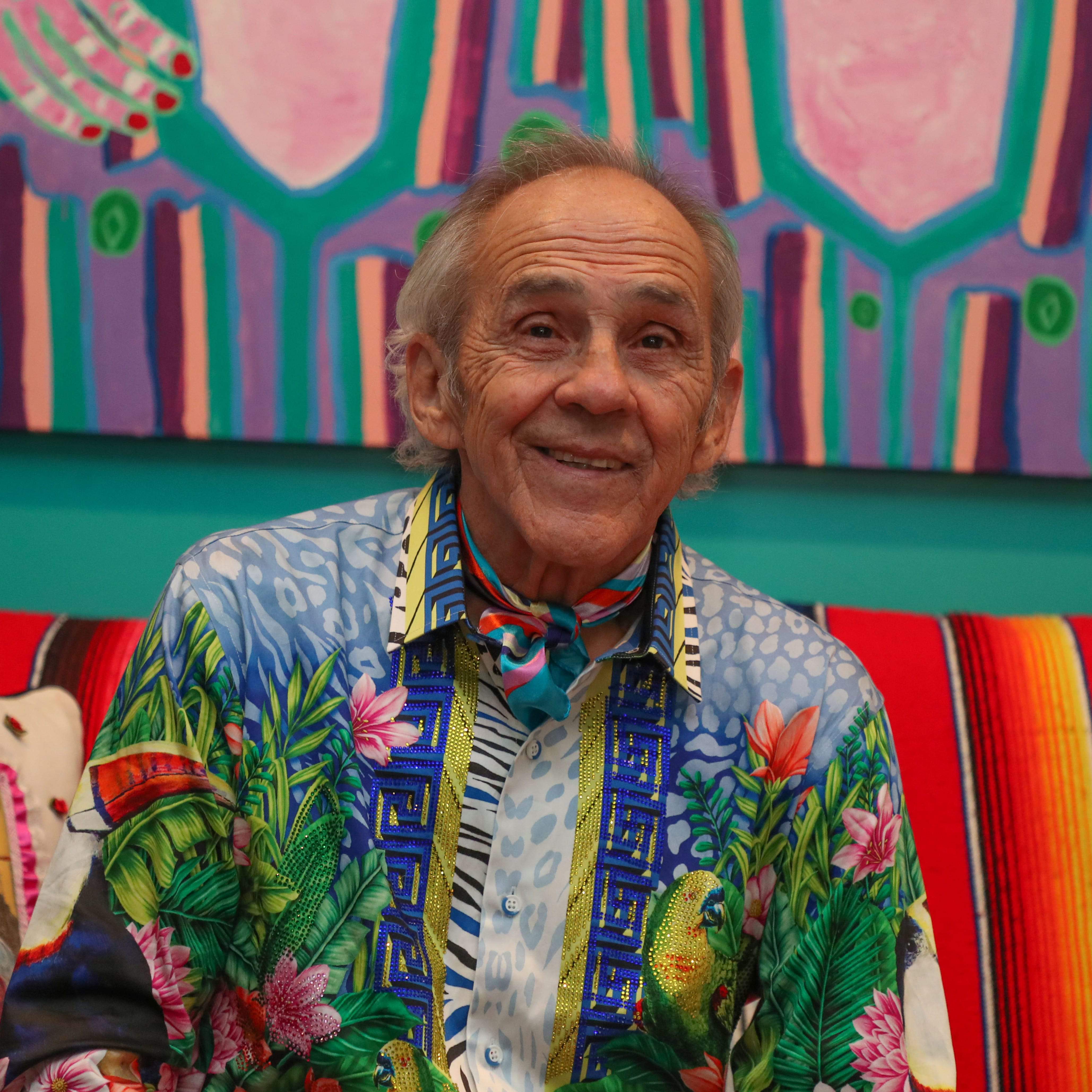
Pepe Serna
Young Mexican Man

William Atherton
Johnson

Rosalind Cash
Lorrie
Burke Byrnes
Phillips
Anne Ramsey
Crazy Man's Wife (uncredited)
Dolph Sweet
Sergeant Runyon
Carol Speed
Martha
Isabel Sanford
Wilma
Kitten Natividad
Go-Go Dancer (uncredited)
Erik Estrada
Sergio
James B. Sikking
Sergeant Anders
DeWayne Jessie
Mugging Suspect (uncredited)
Read Morgan
Woodrow Gandy
Lieux Dressler
Orville's Wife (uncredited)
Richard E. Kalk
Milton
External Links and Streaming Options
Discover where to watch The New Centurions online, including streaming platforms, rental options, and official sources. Compare reviews, ratings, and in-depth movie information across sites like IMDb, TMDb, Wikipedia or Letterboxd.





Take the Ultimate The New Centurions Movie Quiz
Challenge your knowledge of The New Centurions with this fun and interactive movie quiz. Test yourself on key plot points, iconic characters, hidden details, and memorable moments to see how well you really know the film.
The New Centurions Quiz: Test your knowledge of the 1972 film *The New Centurions* with these ten varied‑difficulty questions covering characters, plot points, and behind‑the‑scenes details.
Which actor portrays rookie officer Roy Fehler?
Full Plot Summary and Ending Explained for The New Centurions
Read the complete plot summary of The New Centurions, including all major events, twists, and the full ending explained in detail. Explore key characters, themes, hidden meanings, and everything you need to understand the story from beginning to end.
Three rookie cops, Roy Fehler, [Stacy Keach], Gus Plebesly, [Scott Wilson], and Sergio Duran, [Erik Estrada], report for duty with the Los Angeles Police Department. Each man brings a different background to the badge: Roy Fehler is a family man who is married with a daughter named Rebecca and harbors dreams of one day becoming a law student; Gus Plebesly is a busy father of three who wants to do right by his kids; and Sergio Duran is a native of East L.A. who never expected to spend his days patrolling the very streets of his homeland. From the start, the trio faces the realities of a city that demands more than courage—it asks for endurance, adaptability, and a willingness to accept that danger can come from anywhere, at any moment. Roy Fehler, [Stacy Keach], Gus Plebesly, [Scott Wilson], and Sergio Duran, [Erik Estrada], are about to learn that the job will test their limits in ways they could not have anticipated.
Each rookie is matched with a veteran partner who embodies a different philosophy of policing. Roy Fehler pairs with the hard-edged Andy Kilvinski, [George C. Scott], a man who has spent nearly a quarter of a century on the force and has his own stark, unvarnished approach to the job. Kilvinski’s methods are controversial; he even keeps company with a disturbing habit of keeping street disturbances off the streets by confining strippers—Alice, Gloria, Wilma, and others he has supplied with liquor—inside a paddy wagon for hours, a tactic meant to curb trouble but one that raises questions about boundaries and ethics. Gus Plebesly, meanwhile, rides with Whitey Duncan, [Clifton James], whose more laid-back, sly manner contrasts sharply with the intensity of his rookie partner. Sergio Duran finds himself navigating the same streets with Kilvinski’s abrasive style in certain calls, testing his own resolve as a officer who wants to do right without compromising his own sense of humanity.
The department’s realities collide with the men’s personal lives in quick, jolting moments. A burglary call at a market becomes a grim lesson when Gus shoots at an armed figure in a dark alley and discovers, to his horror, that the person he shot is the owner of the store who was pursuing the robber. The shock of a life taken under his watch weighs heavily on him and becomes a turning point in how he perceives the risks of the job. Roy Feuer’s days take a different shape. He begins to frustrate his wife, Dorothy Fehler, [Jane Alexander], by growing more obsessed with police work, neglecting his family, and dropping out of law school. He loves the street life in a certain sense, but the absence of balance starts to wear on him, and the strain of missed family life becomes a thread that will pull at him as events unfold. He experiences a turning moment during a routine convenience-store holdup when he tells a couple in a parked car to move. Unbeknownst to him, the couple is the get-away crew for the robbers, and a bullet from a sawed-off shotgun rips through him, leaving him gravely wounded on the sidewalk.
Meanwhile, Sergio and Gus confront their own fears about the danger that accompanies their work. Sergio worries about the possibility of being shot, and the two share a tense moment as they handle a call involving a slumlord, a situation that reveals both anger and moral outrage when Andy Kilvinski explodes at a landlord who exploits the residents living in deplorable conditions. The scene underscores the moral ambiguities of policing: what passes for justice can look harsh when you’re the one holding the line. Roy’s recovery is slow but real, and he re-enters the world of patrols with a renewed, if tempered, sense of purpose. He faces a shootout again, and his resolve remains steady; he won’t flinch, even as the weight of fear and pain lingers.
As the rookies mark a full year on the force, Andy Kilvinski reaches his 25th anniversary and contemplates retirement, reflecting on the toll the job takes not just on the body but on personal life. His thoughts highlight a common thread in policing stories: the struggle to maintain a sense of self beyond the badge. Roy’s path takes another turn when he is assigned to the vice squad, where the work is hardly glamorous. The punishments and disappointments mount as he arrests people for behaviors deemed transgressive by some, and Dorothy, weary of the strain, decides to leave for San Francisco with their daughter Becky, seeking a different life away from the pressures that pulled her husband away from home.
Time passes, and Roy grapples with the consequences of both his professional and personal choices. Andy makes a rare return to city life, an attempt to reconnect with the force he loves, but the nostalgia is tempered by regret. The veteran’s decision to end his life—placing his service revolver in his mouth after a late-night phone call with Roy—casts a long shadow over the younger cops who had leaned on him for guidance. The losses echo through the ranks, seeping into Roy’s psyche and deepening his sense of loneliness and despair.
Depression begins to erode Roy’s stability, and he drinks during shifts as the pressure tightens around him. He answers a burglary call and encounters Lorrie Hunt, a nurse who helped him after he was shot; their brief connection becomes a lifeline as Roy starts to see his life beyond the badge again. Yet the line between personal and professional blurs; a later incident with a prostitute nicknamed “Silverpants” nearly sends him into danger before Lorrie helps stabilize him, and he faces a three-week suspension for intoxication on duty. The arc of his recovery is messy but indicates a path toward a healthier balance—one that invites him to re-evaluate the roots of his grief and to examine the choices that can lead a good man into the shadows.
The finale brings the department’s danger into sharp focus. Roy, Gus, and Sergio respond to a broad, sprawling disturbance, a sequence that becomes a high-stakes car and foot chase through crowded streets. After a long series of bookings and close calls, a woman seeking protection from an abusive husband sends them into a quieter, more intimate danger. Roy ascends the back stairs of a building, the tension mounting as gunfire erupts. The assailant fires a single shot, and Roy Fehler dies in Gus Plebesly’s arms, with Sergio Duran by their side. In that moment, the trio’s bond—their shared risk, their hopes for a better future, and the line between duty and humanity—stands as the memory of a life spent upholding a city and the cost of paying that price.
In the end, the film presents a stark portrait of three men forged by their experiences on the streets of Los Angeles. It is a story about ambition, obligation, and the price of courage, told through the quiet moments of daily patrols as much as through the loud, explosive ones. It is a meditation on how the best intentions can collide with hard truths, and how, sometimes, the ultimate act of bravery is simply choosing to keep going after losing someone you love.

Coming soon on iOS and Android
The Plot Explained Mobile App
From blockbusters to hidden gems — dive into movie stories anytime, anywhere. Save your favorites, discover plots faster, and never miss a twist again.
Sign up to be the first to know when we launch. Your email stays private — always.
Explore the mobile appWatch Trailers, Clips & Behind-the-Scenes for The New Centurions
Watch official trailers, exclusive clips, cast interviews, and behind-the-scenes footage from The New Centurions. Dive deeper into the making of the film, its standout moments, and key production insights.
Cars Featured in The New Centurions
Explore all cars featured in The New Centurions, including their makes, models, scenes they appear in, and their significance to the plot. A must-read for car enthusiasts and movie buffs alike.
The New Centurions Themes and Keywords
Discover the central themes, ideas, and keywords that define the movie’s story, tone, and message. Analyze the film’s deeper meanings, genre influences, and recurring concepts.
The New Centurions Other Names and Titles
Explore the various alternative titles, translations, and other names used for The New Centurions across different regions and languages. Understand how the film is marketed and recognized worldwide.
Similar Movies To The New Centurions You Should Know About
Browse a curated list of movies similar in genre, tone, characters, or story structure. Discover new titles like the one you're watching, perfect for fans of related plots, vibes, or cinematic styles.



Quick Links: Summary, Cast, Ratings, More

What's After the Movie?
Not sure whether to stay after the credits? Find out!
Check out our other apps:

SAT Sphere
Build confidence for the Digital SAT.

Mori Atlas
Discover wild places worth protecting.

Luntero
Search smarter for a home in Amsterdam.

Plot Explained
Unravel movie endings and hidden clues.

Pokechamp
Dive into Pokémon data and battle logic.

Driving Theory
Get ready for your European theory test.

Movie Dust
Plan your next cinema trip with ease.

Musemap
Find art and culture as you travel.

Selkobase
Compare credentials before committing.

Local Manual
Turn an unfamiliar country into practical next steps.

Lernavi
Compare school systems before your next move.

GymRoam
Find a workout stop wherever your plans take you.
Explore Our Movie Platform
New Movie Releases (2026)
Famous Movie Actors
Top Film Production Studios
Movie Plot Summaries & Endings
Major Movie Awards & Winners
Best Concert Films & Music Documentaries
Movie Collections and Curated Lists
© 2026 What's After the Movie. All rights reserved.
Privacy Policy