

What Is The Mouse That Roared About?
The premise of The Mouse That Roared in 318 words, with nothing given away. The full story follows below.
In a world where a diminutive European duchy teeters on the brink of bankruptcy, the very survival of Grand Fenwick depends on an audaciously simple plan: proclaim war on the United States, lose spectacularly, and hope the inevitable post‑war aid will rescue the nation’s singular export—its treasured Pinot Grand Fenwick. The film rides this outlandish premise with a razor‑sharp satirical edge, turning the mechanics of international aid and Cold‑War posturing into a playground for dry wit and farce. The tone is buoyant yet pointed, using absurdity to expose the quirks of geopolitics while never losing its comic heartbeat.
The story’s visual comedy blooms when Fenwick’s medieval‑styled army—clad in chain mail, armed with bows, and marching under a rust‑streaked merchant flag—steps onto the streets of New York during a routine nuclear drill. The city’s emptied avenues and the bewildered civil‑defense crews create a stage where centuries‑old pageantry collides with modern bureaucracy, prompting a cascade of slapstick misunderstandings. This clash of eras amplifies the film’s playful critique of perception versus reality, letting the tiny contingent’s earnestness ripple through a metropolis that momentarily forgets its own grandeur.
At the heart of the chaos are a handful of eccentrically charming figures. Grand Duchess Gloriana XII presides with a blend of regal poise and practical humor, steering her realm through the absurdity with calm authority. Count Rupert Mountjoy, the shrewd prime minister, architects the war‑declaration scheme with a mischievous grin, while Tully Bascombe, a mild‑mannered game warden turned field marshal, embodies reluctant leadership. Beside him, Will Buckley, a steady sergeant, provides a grounded counterpoint to the far‑cooked venture. The intellectual thread is woven by Dr. Alfred Kokintz, a brilliant yet timid scientist, and his daughter Helen Kokintz, whose curiosity and wit add warmth to the political satire. Together, their interactions fuse earnest ambition with gentle parody, promising a delightfully unpredictable journey through a world where the smallest nation can stir the mightiest powers.
What Happens in The Mouse That Roared?
The complete story of The Mouse That Roared, from the first scene to the last, in 1,031 words (about 4 minutes). Spoilers throughout.
Spoilers ahead
The tiny, cash-strapped Duchy of Grand Fenwick faces a harsh new reality when an American company releases a cheaper imitation of its single export, the revered Pinot Grand Fenwick wine. In response, the wily Prime Minister Count Rupert Mountjoy plots a mischievous and remarkably simple scheme: declare war on the United States, then surrender and rely on the generous postwar aid that often follows a victory. The Duchess Gloriana XII, a patient but practical monarch, tilts toward the plan, while the mild-mannered game warden Tully Bascombe becomes the unlikely Field Marshal who will lead a twenty-man unit into the world’s most powerful theater. The unit’s commander is the unassuming Will Buckley, a sergeant who brings steady nerves to a mission that sounds more like a prank than a march.
The expedition arrives by sea, a feudal troupe in medieval chain mail riding a small merchant ship across the Atlantic. They reach New York Harbor just as the city is under a routine air-raid drill, a spectacle that leaves the streets deserted and easy for misinterpretation. The Grand Fenwick band is spotted by a civil defense team and soon mistaken for an invasion of Martians. The blowback starts almost immediately when their bow-and-arrow march on a blundering General Snippet leads to a hostage situation: Snippet and four officers are captured as the Fenwick delegation hunts for a place to surrender. The moment is chaotic, comic, and oddly effective, a testament to how misperception can become leverage.
In the chaos, Tully Bascombe and Sergeant Buckley stumble upon Dr. Alfred Kokintz, a brilliant but diffident scientist whose invention could alter the balance of power: the Q Bomb, a device capable of destroying an entire continent in a heartbeat. Kokintz has built a football-sized prototype, and in a mix of audacity and necessity, Tully takes possession of it. With Kokintz and his daughter, Helen Kokintz, as additional hostages, Tully announces victory and returns to Grand Fenwick, their pockets full of uncertainty and ambition.
Back home, the duchess is drawn into the swirl of events, and the political winds begin to shift. Mountjoy resigns in disgust at what he sees as a flagrant lapse in judgment, leaving the mantle—and the responsibility—on the shoulders of the unassuming Tully Bascombe. The U.S. government, wary of the dishonor that could follow if it attacked such a tiny, seemingly undefended nation, decides to negotiate from a distance. They dispatch the United States Secretary of Defense to confer, and suddenly Grand Fenwick becomes a pivot point in a tense game of global chess: offers of defensive aid from major powers compete with the possibility of a hard-won ransom for the bomb.
Along the way, a romance softens the edges of political satire. Tully finds himself drawn to Helen Kokintz, who initially views his capture with a blend of scorn and skepticism, then yields to his straightforward charm. The two develop a quiet rapport that adds warmth to the political intrigue, a reminder that human connection can bloom even in the most improbable circumstances.
Yet the plot thickens as Snippet, working with Mountjoy, schemes to reclaim the device and the hostages, hoping to force a more advantageous settlement. Tully gives chase and manages to retrieve the Q Bomb before the situation can spiral further out of control. In terms of terms negotiated with the Defense Secretary, several conditions are laid out: the counterfeit wine will be pulled from the shelves, Grand Fenwick will receive financial aid, and Helen and her father will remain in the duchy. Most curiously, the bomb itself will stay in Fenwickian hands, retained as a last-resort safeguard by the “little countries of the world” should the superpowers fail to disarm.
What follows is a delicate dance of diplomacy and deception. The device is put under guard and inspected for damage, only to reveal a surprising truth: it is a dud, a fact kept secret as a matter of national pride and strategic face-saving. The trio—Tully, Helen, and Kokintz—conspire to keep the bomb inert, a deception that suits their short-term aims but leaves the door ajar for future trouble. In a final twist, a mouse emerges from the bomb’s hollow, suggesting that even the tamest of tools might still be primed for action if disturbed. The ending blends relief with irony, hinting that the smallest powers may still harbor the last word in a world where strength isn’t the only currency.
- Grand Duchess Gloriana XII [Peter Sellers] is portrayed with a mix of charm and shrewd practicality, a figure who navigates the political minefield with a steady gaze and a sense of humor.
- The resourceful [David Kossoff] as Professor Alfred Kokintz and [Jean Seberg] as Helen Kokintz anchor the scientific and familial threads of the story, their presence tipping the balance between risk and reward.
- The stoic leadership of [William Hartnell] as Will Buckley and the brisk, sometimes blunt leadership style of [MacDonald Parke] as General Snippet anchor the military farce within a larger geopolitical satire.
- The wry, offbeat presence of [Leo McKern] as Benter adds another layer of comic tension, while [Monte Lande] as Cobbley and others round out the quirky cast that makes Grand Fenwick feel both tiny and impishly triumphant.
- The film’s satirical bite lands most sharply in the negotiations with the U.S. power structure, where diplomacy, bluff, and a pinch of luck collide in a way that only a nation the size of a postage stamp could pull off.
- The result is a comedy that reads as a sly parable about power, dependency, and the stubborn vitality of a tiny country that refuses to be dismissed, even when its plans teeter on the edge of farce.
In the end, the story remains a deft blend of whimsy and wit, where the smallest country can tilt the scales of global politics with a good idea, a dash of courage, and a bit of improbable luck. The film uses its brisk pace and its cast’s impeccable timing to explore clever themes about leverage, perception, and the absurdities of power, leaving audiences with a lingering smile and a reminder that sometimes, the most significant battles are fought with ideas rather than armies.
The Mouse That Roared Timeline: Every Key Event in Order
13 key events in the order they happen, from “Plan to wage war for aid” to “A mouse hints at looming danger”. 13 events name a place, across 8 locations.
- 1
Plan to wage war for aid
The minuscule Duchy of Grand Fenwick is bankrupted when a cheaper imitation of its wine devastates exports. Prime Minister Count Mountjoy devises a bold strategy: declare war on the United States and surrender to receive American aid to rebuild the economy. Duchess Gloriana reluctantly agrees, setting the plan in motion with Tully Bascomb appointed as field marshal.
When:Pre-departure (planning stage) Where:Grand Fenwick
- 2
Mountjoy resigns; Tully becomes acting PM
The duchess supports the audacious plan while Mountjoy resigns in disgust, leaving Tully as acting prime minister. The unassuming game warden's ascent to power thrusts him into a leadership role far beyond his experience. The political stage is set for an international misadventure.
When:Shortly after plan approval Where:Grand Fenwick
- 3
Fenwick troops sail to the U.S.
Twenty soldiers, clad in medieval chain mail, depart Grand Fenwick aboard a small merchant ship bound for New York. The voyage underscores the absurdity of their mission and their underdog status. They steel themselves to surrender and secure aid upon arrival.
When:During transatlantic crossing Where:Atlantic Ocean
- 4
Arrival during an air-raid drill
The Fenwick party lands in New York Harbor amid an air-raid drill, finding the city deserted and undefended. A civil defense unit misidentifies them as invading Martians, prompting an ineffectual investigation by General Snippet. The encounter marks the dawn of a farcical escalation.
When:During drill Where:New York Harbor
- 5
Hostage incident in the city
Puncturing the tyres of General Snippet's jeep with bows and arrows, the Fenwick troops seize the general and four police officers as hostages. This bold move gives them leverage in their quest to surrender and seek mercy from the U.S. government. The misadventure deepens as tensions rise.
When:Shortly after arrival Where:New York
- 6
Kokintz and the Q Bomb surface
While seeking a place to surrender, Tully and Will encounter Dr. Alfred Kokintz, inventor of the Q Bomb. Kokintz has built a football-sized prototype of the device, which Tully immediately takes possession of, along with Kokintz and his daughter Helen as hostages. A dangerous new weapon now sits in Fenwick hands.
When:Following hostage capture Where:New York / Kokintz laboratory
- 7
Return to Grand Fenwick with hostages
Tully declares victory and returns to Grand Fenwick with Kokintz, Helen, and the bomb. The duchess indulges the victory while Mountjoy resigns in disgust, leaving Tully as acting prime minister to guide the nation. The plan now has real political weight on the world stage.
When:After arrival back home Where:Grand Fenwick
- 8
U.S. opts for negotiation over force
The American government refuses to retake the weapon by force, fearing the dishonor of attacking a small and seemingly defenceless country. Instead, they dispatch the Secretary of Defense to negotiate terms and secure the weapon's fate. Grand Fenwick also begins receiving competing offers of defensive aid from major powers.
When:During negotiations Where:Washington, D.C.
- 9
Tully and Helen's budding romance
Tully grows fond of Helen, who initially resents being taken hostage but warms to his simple charm. Their developing affection adds a personal stake to the geopolitical maneuvering, complicating the political calculus of the negotiation. The human moment provides warmth amid brinkmanship.
When:During diplomacy Where:Grand Fenwick / United States
- 10
Snippets’ plot to steal the bomb
General Snippet and Mountjoy conspire to steal the bomb and return it to America, taking Helen as a bargaining chip. Tully pursues the conspirators, engages in a chase, and ultimately retrieves the weapon. The caper tightens the screws of the fragile peace negotiations.
When:During the ongoing intrigue Where:Grand Fenwick
Show the other 3 events of The Mouse That Roared Hide the last 3 events
- 11
Terms agreed: wine, aid, and sovereignty
The Secretary of Defense and Tully hammer out terms: the counterfeit wine is removed from the market, Fenwick will receive monetary aid, Helen and her father stay in Grand Fenwick, and the bomb remains in Fenwick hands as a last-resort weapon for small nations. The agreement reshapes the balance of power between a micro-nation and superpowers. Diplomacy, not force, prevails—for now.
When:During final negotiations Where:Grand Fenwick
- 12
The bomb proves to be a dud
Back home, the bomb is checked for damage and found to be a dud all along. The conspirators decide to keep its impotence secret, allowing the ruse to continue under the radar. The apparent victory seems assured, even as comic doubt lingers.
When:After inspection Where:Grand Fenwick dungeon
- 13
A mouse hints at looming danger
After the inspection, a mouse emerges from the bomb and appears ready to rearm, suggesting the weapon could still explode if disturbed. The ending leaves a cheeky reminder that power can be precarious and easily unsettled by the slightest... incident. The world remains watchful of Grand Fenwick's tiny-but-troubling influence.
When:Post-inspection Where:Grand Fenwick dungeon
Who Are the Main Characters in The Mouse That Roared?
4 characters, among them Grand Duchess Gloriana XII / Prime Minister Count Rupert Mountjoy / Tully Bascombe, Dr. Alfred Kokintz (David Kossoff) and Helen Kokintz (Jean Seberg): who each one is and the part they play in the story. Every profile links to the actor’s page.
-
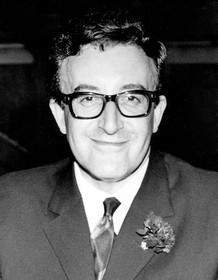
Grand Duchess Gloriana XII / Prime Minister Count Rupert Mountjoy / Tully Bascombe
Played by Peter Sellers
Peter Sellers plays three roles: Grand Duchess Gloriana XII, Prime Minister Count Rupert Mountjoy, and the mild-mannered Field Marshal Tully Bascombe. Gloriana is cautious and indulgent, while Mountjoy is calculating and eager to bend events to Fenwick’s advantage. Bascombe is an unassuming game warden who steps into leadership and, with his plain-spoken charm, helps the plan advance.
- 👑 Leadership
- 🎭 Multi-Role
- 🗺️ Microstate
- DA
Dr. Alfred Kokintz (David Kossoff)
Played by David Kossoff
An inventor whose Q Bomb prototype drives the plot and triggers the crisis. He is protective of his daughter Helen and pragmatic about how dangerous weapons can be in the hands of others. Kokintz’s scientific brilliance collides with political opportunism as the duchy leverages his invention.
- 🧪 Science
- 🧭 Ethics
- 🧠 Inventor
-

Helen Kokintz (Jean Seberg)
Played by Jean Seberg
Daughter of Dr. Kokintz, she starts off wary of the Grand Fenwick mission but warms to Tully’s simple charm. Helen’s intelligence and resourcefulness make her a key captive who becomes a potential ally rather than a pawn. Her arc blends caution with unexpected romantic tension.
- 💃 Intelligence
- 💖 Romance
- 🗼 Hostage
- GS
General Snippet
Played by MacDonald Parke
A blustering American general who tries to retake the weapon by force but is easily outmaneuvered. His overconfidence and bumbling arrogance highlight the absurdities of large‑scale geopolitics in the film's satire. He serves as a foil to Fenwick’s scheme and the humor of the situation.
- 🕴️ Military
- 😂 Comedy
- 🗺️ Satire
Where and When Is The Mouse That Roared Set?
The Mouse That Roared is set in Grand Fenwick and New York City (Late 1950s (Cold War era)). Here is why the time and place matter to the story.
When
Late 1950s (Cold War era)
Set against the Cold War backdrop of the late 1950s, the film uses contemporary fears of weapons of mass destruction as fodder for farce. A mock air-raid drill in New York and the looming threat of a continent-destroying bomb frame the story. The narrative unfolds in a world where small nations can influence great powers through unlikely schemes.
Where
Grand Fenwick, New York City
Grand Fenwick is a minuscule European duchy best known for its Pinot Grand Fenwick wine. The story shifts to New York Harbor, where an air-raid drill leaves the city deserted as the Grand Fenwick troops land. The film juxtaposes a tiny, wine-loving nation with a sprawling American metropolis to lampoon international power plays.
- 🗺️ Microstate
- 🏙️ Urban Setting
- 🧭 Cold War Era
What Are the Themes of The Mouse That Roared?
3 ideas the story keeps returning to, among them Power & Diplomacy, Satire and Small Nations, Big Powers.
-
01
Power & Diplomacy
A tiny duchy negotiates parity with the United States by exploiting a bold gambit: declare war, then surrender, to coax aid. The plan exposes how diplomacy can be manipulated by charisma and cleverness rather than military might. The discovery that the weapon is a dud adds a twist on how power is perceived and wielded.
-
02
Satire
The film uses broad humor to lampoon Cold War paranoia and bureaucratic bluster. Generals, politicians, and scientists become figures in a theater of the absurd, where grand ambitions meet ridiculous obstacles. The comedy reveals the silliness behind arms races and the seriousness of international threats.
-
03
Small Nations, Big Powers
Grand Fenwick relies on wit and audacity to level the playing field with giants like the United States. The plot treats the tiny duchy as a clever underdog that can influence policy without conventional force. The ending implies that moral leverage and global attention can be more powerful than armies.
What Kind of Film Is The Mouse That Roared?
Whimsical in tone, with steady pacing and a straightforward story, going by the plot summary.
- Tone
- Whimsical
- Pacing
- Steady
- Story
- Straightforward
- Intensity
- Medium
- Ending
- Happy
A whimsical and witty political satire that feels like an amusing, lighthearted farce, where a tiny nation's absurd scheme leads to a series of charming mishaps and a surprisingly hopeful outcome.
- satirical
- whimsical
- amusing
- quirky
- witty
- lighthearted
- political satire
- cold war parody
- fictitious country
- economic crisis
Quiz
How well do you remember The Mouse That Roared? Test yourself on the story.
Where to Watch The Mouse That Roared
Stream it on YouTube Free, or rent or buy it from Amazon Video and Apple TV Store. US availability and prices from JustWatch.
Stream 1
 YouTube Free




Streaming availability in the US, powered by 

