The Mouse That Roared 1959


A satirical comedy where the tiny European duchy of Grand Fenwick, facing economic collapse, hatches a scheme to declare war on the United States, deliberately lose, and then receive foreign aid. Its medieval‑styled army in chain mail and bows lands in New York during a nuclear drill, finds the streets cleared, and sparks a series of slapstick mishaps.


Does The Mouse That Roared have end credit scenes?
No!
The Mouse That Roared does not have end credit scenes. You can leave when the credits roll.
Where to Watch The Mouse That Roared
See current US streaming, rental, and purchase options for The Mouse That Roared (1959) via JustWatch.







Meet the Full Cast and Actors of The Mouse That Roared
Explore the complete cast of The Mouse That Roared, including both lead and supporting actors. Learn who plays each character, discover their past roles and achievements, and find out what makes this ensemble cast stand out in the world of film and television.
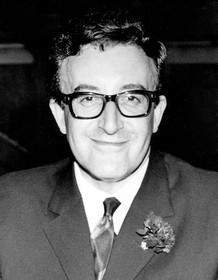
Peter Sellers
Grand Duchess Gloriana XII / Prime Minister Count Rupert Mountjoy / Tully Bascombe
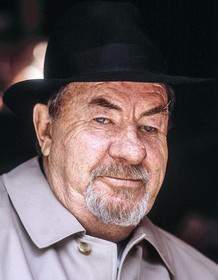
Leo McKern
Benter
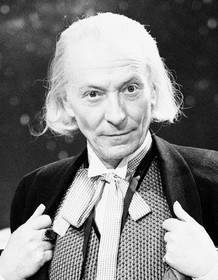
William Hartnell
Will Buckley

Jean Seberg
Helen Kokintz

Harold Kasket
Pedro
Mavis Villiers
Telephone Operator (uncredited)
Colin Gordon
BBC Announcer
Alan Gifford
Air Raid Warden
Timothy Bateson
Roger
Pat Ryan
American General (uncredited)
Austin Willis
United States Secretary of Defense
Bill Edwards
Army Captain (uncredited)
Stuart Saunders
Sergeant (uncredited)
Monte Landis
Cobbley
Fred Haggerty
Fenwickian (uncredited)
Juba Kennerley
Maybury (uncredited)
Fred Wood
Bird Seller (uncredited)
Guy Deghy
Soviet Ambassador (uncredited)
Bill Nagy
U.S. Policeman (uncredited)
George Margo
O'Hara (uncredited)
David Kossoff
Professor Alfred Kokintz
MacDonald Parke
General Snippet
Eve Eden
Spectator (uncredited)
Robert O'Neil
Reporter (uncredited)
Fred Stroud
Fenwickian (uncredited)
John Tatum
American Admiral (uncredited)
Mabel Etherington
Ada - Lady in Waiting (uncredited)
Lionel Murton
American General at the Pentagon (uncredited)
Muriel Greenslade
Lady in Waiting (uncredited)
External Links and Streaming Options
Discover where to watch The Mouse That Roared online, including streaming platforms, rental options, and official sources. Compare reviews, ratings, and in-depth movie information across sites like IMDb, TMDb, Wikipedia or JustWatch.






Take the Ultimate The Mouse That Roared Movie Quiz
Challenge your knowledge of The Mouse That Roared with this fun and interactive movie quiz. Test yourself on key plot points, iconic characters, hidden details, and memorable moments to see how well you really know the film.
The Mouse That Roared Quiz: Test your knowledge of the 1959 satire *The Mouse That Roared* with these ten mixed‑difficulty questions.
Who is the Prime Minister who devises the scheme to declare war on the United States?
Full Plot Summary and Ending Explained for The Mouse That Roared
Read the complete plot summary of The Mouse That Roared, including all major events, twists, and the full ending explained in detail. Explore key characters, themes, hidden meanings, and everything you need to understand the story from beginning to end.
The tiny, cash-strapped Duchy of Grand Fenwick faces a harsh new reality when an American company releases a cheaper imitation of its single export, the revered Pinot Grand Fenwick wine. In response, the wily Prime Minister Count Rupert Mountjoy plots a mischievous and remarkably simple scheme: declare war on the United States, then surrender and rely on the generous postwar aid that often follows a victory. The Duchess Gloriana XII, a patient but practical monarch, tilts toward the plan, while the mild-mannered game warden Tully Bascombe becomes the unlikely Field Marshal who will lead a twenty-man unit into the world’s most powerful theater. The unit’s commander is the unassuming Will Buckley, a sergeant who brings steady nerves to a mission that sounds more like a prank than a march.
The expedition arrives by sea, a feudal troupe in medieval chain mail riding a small merchant ship across the Atlantic. They reach New York Harbor just as the city is under a routine air-raid drill, a spectacle that leaves the streets deserted and easy for misinterpretation. The Grand Fenwick band is spotted by a civil defense team and soon mistaken for an invasion of Martians. The blowback starts almost immediately when their bow-and-arrow march on a blundering General Snippet leads to a hostage situation: Snippet and four officers are captured as the Fenwick delegation hunts for a place to surrender. The moment is chaotic, comic, and oddly effective, a testament to how misperception can become leverage.
In the chaos, Tully Bascombe and Sergeant Buckley stumble upon Dr. Alfred Kokintz, a brilliant but diffident scientist whose invention could alter the balance of power: the Q Bomb, a device capable of destroying an entire continent in a heartbeat. Kokintz has built a football-sized prototype, and in a mix of audacity and necessity, Tully takes possession of it. With Kokintz and his daughter, Helen Kokintz, as additional hostages, Tully announces victory and returns to Grand Fenwick, their pockets full of uncertainty and ambition.
Back home, the duchess is drawn into the swirl of events, and the political winds begin to shift. Mountjoy resigns in disgust at what he sees as a flagrant lapse in judgment, leaving the mantle—and the responsibility—on the shoulders of the unassuming Tully Bascombe. The U.S. government, wary of the dishonor that could follow if it attacked such a tiny, seemingly undefended nation, decides to negotiate from a distance. They dispatch the United States Secretary of Defense to confer, and suddenly Grand Fenwick becomes a pivot point in a tense game of global chess: offers of defensive aid from major powers compete with the possibility of a hard-won ransom for the bomb.
Along the way, a romance softens the edges of political satire. Tully finds himself drawn to Helen Kokintz, who initially views his capture with a blend of scorn and skepticism, then yields to his straightforward charm. The two develop a quiet rapport that adds warmth to the political intrigue, a reminder that human connection can bloom even in the most improbable circumstances.
Yet the plot thickens as Snippet, working with Mountjoy, schemes to reclaim the device and the hostages, hoping to force a more advantageous settlement. Tully gives chase and manages to retrieve the Q Bomb before the situation can spiral further out of control. In terms of terms negotiated with the Defense Secretary, several conditions are laid out: the counterfeit wine will be pulled from the shelves, Grand Fenwick will receive financial aid, and Helen and her father will remain in the duchy. Most curiously, the bomb itself will stay in Fenwickian hands, retained as a last-resort safeguard by the “little countries of the world” should the superpowers fail to disarm.
What follows is a delicate dance of diplomacy and deception. The device is put under guard and inspected for damage, only to reveal a surprising truth: it is a dud, a fact kept secret as a matter of national pride and strategic face-saving. The trio—Tully, Helen, and Kokintz—conspire to keep the bomb inert, a deception that suits their short-term aims but leaves the door ajar for future trouble. In a final twist, a mouse emerges from the bomb’s hollow, suggesting that even the tamest of tools might still be primed for action if disturbed. The ending blends relief with irony, hinting that the smallest powers may still harbor the last word in a world where strength isn’t the only currency.
- Grand Duchess Gloriana XII [Peter Sellers] is portrayed with a mix of charm and shrewd practicality, a figure who navigates the political minefield with a steady gaze and a sense of humor.
- The resourceful [David Kossoff] as Professor Alfred Kokintz and [Jean Seberg] as Helen Kokintz anchor the scientific and familial threads of the story, their presence tipping the balance between risk and reward.
- The stoic leadership of [William Hartnell] as Will Buckley and the brisk, sometimes blunt leadership style of [MacDonald Parke] as General Snippet anchor the military farce within a larger geopolitical satire.
- The wry, offbeat presence of [Leo McKern] as Benter adds another layer of comic tension, while [Monte Lande] as Cobbley and others round out the quirky cast that makes Grand Fenwick feel both tiny and impishly triumphant.
- The film’s satirical bite lands most sharply in the negotiations with the U.S. power structure, where diplomacy, bluff, and a pinch of luck collide in a way that only a nation the size of a postage stamp could pull off.
- The result is a comedy that reads as a sly parable about power, dependency, and the stubborn vitality of a tiny country that refuses to be dismissed, even when its plans teeter on the edge of farce.
In the end, the story remains a deft blend of whimsy and wit, where the smallest country can tilt the scales of global politics with a good idea, a dash of courage, and a bit of improbable luck. The film uses its brisk pace and its cast’s impeccable timing to explore clever themes about leverage, perception, and the absurdities of power, leaving audiences with a lingering smile and a reminder that sometimes, the most significant battles are fought with ideas rather than armies.

Coming soon on iOS and Android
The Plot Explained Mobile App
From blockbusters to hidden gems — dive into movie stories anytime, anywhere. Save your favorites, discover plots faster, and never miss a twist again.
Sign up to be the first to know when we launch. Your email stays private — always.
Explore the mobile appWatch Trailers, Clips & Behind-the-Scenes for The Mouse That Roared
Watch official trailers, exclusive clips, cast interviews, and behind-the-scenes footage from The Mouse That Roared. Dive deeper into the making of the film, its standout moments, and key production insights.
Cars Featured in The Mouse That Roared
Explore all cars featured in The Mouse That Roared, including their makes, models, scenes they appear in, and their significance to the plot. A must-read for car enthusiasts and movie buffs alike.
The Mouse That Roared Themes and Keywords
Discover the central themes, ideas, and keywords that define the movie’s story, tone, and message. Analyze the film’s deeper meanings, genre influences, and recurring concepts.

Unlock the World of Movies with Our Comprehensive Wiki
Dive into our Movie Wiki for in-depth film encyclopedia entries, including cast biographies, production trivia, plot synopses, behind-the-scenes facts, and thematic analyses. Whether you’re researching iconic directors, exploring genre histories, or discovering hidden easter eggs, our expertly curated movie database has everything you need to fuel your cinematic passion.

Similar Movies To The Mouse That Roared You Should Know About
Browse a curated list of movies similar in genre, tone, characters, or story structure. Discover new titles like the one you're watching, perfect for fans of related plots, vibes, or cinematic styles.




Quick Links: Summary, Cast, Ratings, More

What's After the Movie?
Not sure whether to stay after the credits? Find out!
Check out our other apps:

SAT Sphere
Build confidence for the Digital SAT.

Mori Atlas
Discover wild places worth protecting.

Luntero
Search smarter for a home in Amsterdam.

Plot Explained
Unravel movie endings and hidden clues.

Pokechamp
Dive into Pokémon data and battle logic.

Driving Theory
Get ready for your European theory test.

Movie Dust
Plan your next cinema trip with ease.

Musemap
Find art and culture as you travel.

Selkobase
Compare credentials before committing.

Local Manual
Turn an unfamiliar country into practical next steps.

Lernavi
Compare school systems before your next move.

GymRoam
Find a workout stop wherever your plans take you.
Explore Our Movie Platform
New Movie Releases (2026)
Famous Movie Actors
Top Film Production Studios
Movie Plot Summaries & Endings
Major Movie Awards & Winners
Best Concert Films & Music Documentaries
Movie Collections and Curated Lists
© 2026 What's After the Movie. All rights reserved.
Privacy Policy