
The Merchant of Four Seasons 1972

Directed by
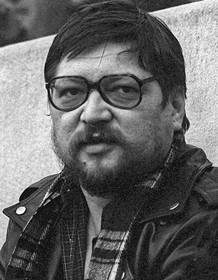
Rainer Werner Fassbinder
Made by

Tango Film
The Merchant of Four Seasons Plot Summary
Read the complete plot summary and ending explained for The Merchant of Four Seasons (1972). From turning points to emotional moments, uncover what really happened and why it matters.
Munich in the 1950s introduces Hans Epp, Hans Hirschmüller, an ordinary but likable man who has just come home after years in the French Foreign Legion. His return is met with a bitter echo from his mother, who says, “The good die young, and people like you come back,” a line that sets the tone for a life lived under judgment and quiet disappointment. Hans works as a fruit peddler, calling out his wares as he makes the rounds through crowded residential streets, a routine that reflects his stubborn, unglamorous devotion to steady work and a dream of better days.
At home, Hans is married to Irmgard Epp, Irm Hermann, a practical partner who helps with the day-to-day business. They have a young daughter, Renate, and together they navigate the small disappointments and daily negotiations of family life. On one ordinary day, Hans delivers pears to an attractive married woman in an apartment building. She invites him in and asks him to deliver the fruit personally, but he declines, saying “some other time.” That encounter awakens in him a memory he rarely speaks aloud: the great love of his life, a married woman who was the subject of his youth, played by Ingrid Caven. The tension between longing and duty tethers Hans to a life he both cherishes and cannot fully inhabit.
Inside the bar, the weight of his unfulfilled ambitions grows heavier. A flashback reveals a youthful misstep: Hans once brought a prostitute to the police station to take a statement, only to be lured into a sexual moment. When his superior learns of it, Hans is fired, a blow that echoes through every other choice he makes afterward. Back in the present, Irmgard questions the delay in his return, and the couple’s quarrel spills over into a violent scene; Hans, deeply intoxicated, assaults Irmgard in front of their daughter. The next morning, Irmgard disappears, and Hans is left desolate and desperate.
Irmgard seeks shelter with Hans’s family, where a fragile balance of judgment, obligation, and nostalgia plays out. His bourgeois mother, who has long favored her obedient daughter Heidi and tolerated her outspoken sister Anna, remains condescending toward Hans. Heidi, Heide Simon, agrees with the mother that Hans has never deserved a proper chance, while Anna, portrayed by Hanna Schygulla, offers a rare note of sympathy, insisting that the family never gave Hans a fair shake. When Hans arrives, he tries to reconcile with Irmgard, but she retreats to a corner in fear as the men clash; a lawyer is sought, and the fight hints at an imminent divorce.
That night, Hans sings to calm the moment: “Buona, buona notte, you can’t have everything you want.” Then a heart attack abruptly interrupts the turmoil. While Hans rests in a hospital bed, Irmgard explores new intimacy with a street lover, and their daughter witnesses the affair, bringing fresh pain into the room. At the hospital, Hans and Irmgard briefly reconcile; she promises to stay, and when he returns home, she explains a small, telling detail about their dynamics: she once found him funny because he is shorter, and his humor drew her to him in the first place.
After his heart attack, Hans is unable to work or drink, and Irmgard steps more fully into the family business. He hires a diligent assistant, Anzell, Karl Scheydt, though Anzell is the same man with whom Irmgard had the hospital-time affair. Fearing exposure, Irmgard manipulates Anzell into overpricing the produce and then sharing the extra with her; Anzell agrees, but Hans’s suspicions grow as he observes the scheme. Anzell is eventually fired in disgrace, and Hans knows the truth of Irmgard’s infidelity.
A reunion with an old friend, Harry, Klaus Löwitsch, injects a new energy into Hans’s life. Harry takes over the cart routes and brings efficiency and profit to the business, but this success comes at the cost of Hans’s relevance and autonomy. The more capable Harry becomes, the more Hans feels alienated from his own life, a creeping isolation that deepens his sense of failure.
Seeking solace, Hans revisits the memory of the great love in his youth, a moment when he brought roses to the person who would not marry a fruit peddler, a memory that haunts him as he grows older. Anna, his sister, is busy with her studies and cannot offer him much comfort, leaving him with the sense that his family’s support has always been conditional. The doctor cautions that prolonged alcohol use would be fatal for Hans’s weak heart, and the possibility of death colors every choice he makes.
In a final, solitary turn, Hans returns to the bar where Morocco and a moment of captivity in the Foreign Legion flicker before his eyes. He was captured and tortured by an Arab, a memory that mirrors his own sense of entrapment and pain; he is saved by his comrades, but his desire to live wanes. At a grand dinner with Irmgard, Harry, and friends, Hans drinks dozens of shots and dies on the spot. The funeral brings a quiet ending to a life marked by longing, missteps, and a stubborn effort to belong. In the wake, Harry commits to staying with Irmgard and takes up the life that Hans had once imagined for himself, closing a circle of friendship and loss.
Buona, buona notte, you can’t have everything you want.
The Merchant of Four Seasons Timeline
Follow the complete movie timeline of The Merchant of Four Seasons (1972) with every major event in chronological order. Great for understanding complex plots and story progression.
Hans returns home after the Foreign Legion
In Munich in the 1950s, Hans Epp returns from years in the French Foreign Legion to a life that feels hollow. His mother greets him with a biting line about the good dying young and people like him coming back. The moment establishes the social pressure and personal longing that will haunt him.
Hans works as a fruit peddler; marriage and the forbidden love
Hans earns his living as a fruit peddler, calling out his wares as he travels through residential streets. He is married to Irmgard and has a young daughter, Renate, anchoring his life. A married woman in an apartment building asks him to deliver the pears in person; Hans declines, keeping his distance from temptation and from the life he once dreamed of.
Bar scene and a flashback to police days
Seeking escape, Hans spends an evening at a bar where the ordinary texture of his life feels unbearable. A flashback reveals the moment he brought a prostitute to the police station, where she seduced him and he was subsequently fired. The memory explains his fragile pride and his reliance on drink as an escape.
Irmgard confronts him; violence at home; disappearance
Irmgard comes to the bar to fetch him, but Hans, drunk, asserts he will go home on his own terms. He lashes out, throwing a chair, and returns to their apartment reeling from anger. By morning, Irmgard has disappeared, and Hans is left desperate and broken.
Irmgard seeks support from Hans' family
Irmgard flees with Renate and finds shelter with Hans' family. His bourgeois mother disdains Hans and favors his better-behaved sister Heidi, while Anna shows a rare moment of sympathy. Irmgard brings her troubles to the in-laws, sowing doubt about Hans but also highlighting the family’s longstanding prejudice.
Family conflict and a plan for divorce
Hans returns and tries to reconcile, but Irmgard pulls away while the men clash at length. The in-laws side with the mother, and Irmgard phones a lawyer to pursue a divorce. When she ends the call, Hans bursts into song, and the tension culminates in a searing, almost fatal moment.
Hans suffers a heart attack
The emotional turmoil triggers a heart attack that leaves him weak and vulnerable. He must confront the possibility that his dreams and his health are slipping away. The crisis becomes a turning point for his future choices.
Infidelity during the hospital stay
While Hans recuperates, Irmgard begins an affair with a man she brings home. Their little daughter finds them in the act, and Irmgard is left sobbing afterward, torn between care and guilt. The betrayal complicates Hans' already fragile sense of security.
Hospital reconciliation
Back in the hospital, Hans and Irmgard reconcile, and she promises to stay by his side. The fragile truce hints at a renewed if unstable partnership and the dependence they have on each other amid hardship. The moment is quiet but loaded with unspoken questions.
Return home and a painful honesty
After leaving the hospital, they return home and prepare to resume their life together. Irmgard explains that she finds him funny because he is short, and that her interest in him began for that reason. The revelation reframes their relationship and underscores how humor has shaped their bond.
Anzell the new helper; manipulation and exposure
With Hans unable to work, Irmgard takes charge of the business and brings in Anzell, the honest assistant who happened to be the man involved during Hans' hospitalization. She manipulates Anzell into overpricing produce and sharing the extra earnings with her. Hans grows suspicious, and Anzell is fired in disgrace, exposing Irmgard’s infidelity to him.
Harry from the Foreign Legion joins the business
Hans reconnects with Harry, a close friend from his Foreign Legion days who now works as a waiter. He moves in and takes over the cart, running it with efficiency and earning more than Hans ever did. The new arrangement brings profit but also a deeper sense of obsolescence for Hans.
The great love of his youth revisited
In a wave of depression, Hans returns to the memory of the great love from his youth. She is now married to someone else, yet she reveals herself and even undresses for a moment; he leaves rather than surrender his dignity. The moment underscores the fragility of longing and the boundaries of his current life.
Anna’s limited time and Hans’ loneliness
Hans visits his sister Anna, hoping for support or company, but she is too absorbed with her studies to spare him much attention. The exchange emphasizes how little the family has to offer him and how isolated he has become. His search for connection continues without success.
Final dinner, death, and the aftermath
At a grand dinner with his wife, Harry, and friends, Hans drinks dozens of shots of liquor. The binge proves fatal, and he dies on the spot, leaving his friends to mourn his passing. After the funeral, Harry agrees to stay with Irmgard and take up the life Hans had relinquished, a grim coda to a life spent chasing belonging.
The Merchant of Four Seasons Characters
Explore all characters from The Merchant of Four Seasons (1972). Get detailed profiles with their roles, arcs, and key relationships explained.
Hans Epp
A likable but flawed fruit peddler whose life in 1950s Munich is defined by routine, alcohol, and unrealized dreams. He is emotionally volatile, often clashing with his wife and family as he longs for past status as a policeman.
Irmgard Epp
Hans's wife, who endures his brutality and the strain of domestic life. She seeks stability but conspires with others to secure her position, ultimately exposing vulnerability through her affair and manipulation.
Renate Epp
Hans and Irmgard's daughter, a witness to the couple's turmoil. Her presence highlights the impact of marital conflict on children and the fragility of family life.
Anna Epp
Hans's sympathetic sister, a relative who understands his struggles and positions in the family. She sees the long-standing neglect of Hans and offers quiet support.
Heidi
Hans's married sister who sides with their mother and embodies the conventional expectations of the era. She represents the social pressure that stifles individual choice.
Harry
A former Foreign Legion comrade who becomes Hans's new, diligent business partner. He brings efficiency and financial success but also fuels Hans's sense of redundancy in his own life.
Anzell
Hans's honest assistant who becomes entangled in Irmgard's schemes. His presence catalyzes consequences that expose the fragility of Hans's world.
Zucker
A minor character encountered at a meeting; portrayed by Fassbinder, his role underscores the film's social circle and its opportunistic figures.
Mother Epp
Hans's stern matriarch who disdains him and upholds rigid class expectations within the family structure.
The Merchant of Four Seasons Settings
Learn where and when The Merchant of Four Seasons (1972) takes place. Explore the film’s settings, era, and how they shape the narrative.
Time period
1950s
Post-war Munich in the 1950s is a time of rebuilding and traditional social norms. Men are expected to provide, women manage the home, and the city gradually recovers economically. The era exposes class pressures and the unfulfilled dreams of ordinary people like Hans.
Location
Munich, Germany
Munich in the 1950s serves as the backdrop for Hans Epp's modest fruit-peddling life. The city is shown through crowded streets, bar rooms, and family apartments that reflect post-war economic adjustment. The urban environment highlights the constraints of working-class life and the social expectations of the time.
The Merchant of Four Seasons Themes
Discover the main themes in The Merchant of Four Seasons (1972). Analyze the deeper meanings, emotional layers, and social commentary behind the film.
🪦
Despair & Obsolescence
Hans's life unravels as his past ambitions fail to translate into a stable present. His bar visits, drinking, and memories of a failed police career reveal a man defined by what he once had. The contrast between his fantasies and the mundane reality deepens his isolation.
👪
Family & Social Pressure
The Epp family dynamic shows how familial expectations and pride shape behavior. Hans's wife Irmgard acts within and against the family system, while siblings navigate favoritism and judgment. The film uses domestic scenes to critique the social climate of the time.
💰
Economy & Class
Economic survival drives the plot: Hans's decline, Irmgard's maneuvering, and Harry's efficiency all reflect how money and status determine worth. The entry of a capable worker threatens Hans's role, intensifying his sense of redundancy. The bar-and-market setting underscores the precariousness of working-class life.
🕰️
Memory & Regret
The film dwells on recollections of youth, missed chances, and personal betrayal. Hans clings to memories of his youth as a policeman and lover, which contrast with his failing present. Regret accelerates his descent into alcoholism and despair.

Coming soon on iOS and Android
The Plot Explained Mobile App
From blockbusters to hidden gems — dive into movie stories anytime, anywhere. Save your favorites, discover plots faster, and never miss a twist again.
Sign up to be the first to know when we launch. Your email stays private — always.
Explore the mobile appThe Merchant of Four Seasons Spoiler-Free Summary
Discover the spoiler-free summary of The Merchant of Four Seasons (1972). Get a concise overview without any spoilers.
In post‑war Munich, the streets echo with the clatter of market stalls and the low hum of rebuilding lives. Against this backdrop walks Hans, a modest fruit peddler whose quiet routine masks a restless yearning for respect. Having returned from the French Foreign Legion, he carries the weight of a past that feels both distant and defining, and his daily calls—“fresh pears! fresh apples!”—become a mantra of perseverance in a city still learning how to celebrate ordinary effort.
At home, Irmgard balances the practicalities of family life with the unspoken tensions that rise around Hans’s modest ambitions. Their daughter Renate watches her parents navigate the small, stubborn negotiations of everyday survival, while Hans’s mother, steeped in bourgeois expectations, pits his older sister Heidi against him, offering sympathy through Anna only when the family’s façade begins to crack. The household is a quiet stage where love, obligation, and judgment intersect, each conversation hinting at deeper rifts without ever fully exposing them.
The film’s tone is a blend of gritty realism and melancholic lyricism, painting Hans’s world in muted colors that occasionally burst into bright, almost theatrical moments. His attempts to carve out a respectable place for himself are frequently undermined by bouts of drinking and the lingering shadows of past failures. A severe heart attack forces a pause, reshaping his relationship to work and family and prompting an unexpected turn in his stall’s fortunes—steady customers begin to appear, suggesting a late‑blooming legitimacy that he has long craved.
Amidst this fragile equilibrium, friendships surface as both anchors and mirrors. An old companion, Harry, re‑enters his life, offering a glimpse of camaraderie that could either lift Hans out of his self‑imposed isolation or deepen the ache of a man who feels perpetually out of step with the world he inhabits. The story lingers on the tension between aspiration and acceptance, inviting the audience to wonder whether Hans will ever find the belonging he silently pursues.
Movies with Similar Twists and Themes
Uncover films that echo the narrative beats, emotional arcs, or dramatic twists of the one you're exploring. These recommendations are handpicked based on story depth, thematic resonance, and spoiler-worthy moments — perfect for fans who crave more of the same intrigue.


Featured on this page

What's After the Movie?
Not sure whether to stay after the credits? Find out!
Check out our other apps:

SAT Sphere
Build confidence for the Digital SAT.

Mori Atlas
Discover wild places worth protecting.

Luntero
Search smarter for a home in Amsterdam.

Plot Explained
Unravel movie endings and hidden clues.

Pokechamp
Dive into Pokémon data and battle logic.

Driving Theory
Get ready for your European theory test.

Movie Dust
Plan your next cinema trip with ease.

Musemap
Find art and culture as you travel.

Selkobase
Compare credentials before committing.

Local Manual
Turn an unfamiliar country into practical next steps.

Lernavi
Compare school systems before your next move.

GymRoam
Find a workout stop wherever your plans take you.
Explore Our Movie Platform
New Movie Releases (2026)
Famous Movie Actors
Top Film Production Studios
Movie Plot Summaries & Endings
Major Movie Awards & Winners
Best Concert Films & Music Documentaries
Movie Collections and Curated Lists
© 2026 What's After the Movie. All rights reserved.
Privacy Policy