The Merchant of Four Seasons 1972


Hans, a street fruit peddler labeled a born loser, sparks his bourgeois family's disapproval, driving him into drinking and violence. After surviving a severe, debilitating heart attack, his stall finally gains success; the once‑hopeless venture blossoms with regular customers. Yet as he proves himself to his relatives, his depression deepens.

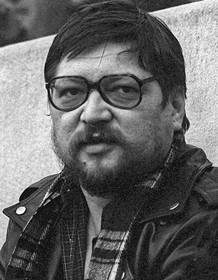
Does The Merchant of Four Seasons have end credit scenes?
No!
The Merchant of Four Seasons does not have end credit scenes. You can leave when the credits roll.
Meet the Full Cast and Actors of The Merchant of Four Seasons
Explore the complete cast of The Merchant of Four Seasons, including both lead and supporting actors. Learn who plays each character, discover their past roles and achievements, and find out what makes this ensemble cast stand out in the world of film and television.
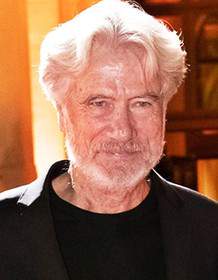
Jürgen Prochnow
Man at the Meeting Table
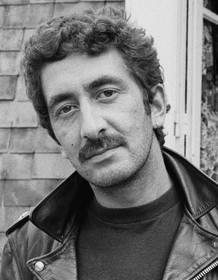
Daniel Schmid
1st Candidate

Hans Hirschmüller
Hans Epp

Hanna Schygulla
Anna Epp, Hans's sister

Irm Hermann
Irmgard Epp
Klaus Löwitsch
Harry
Ingrid Caven
Hans's great love
Hark Bohm
Polizei-Vorgesetzter
Heide Simon
Heide, Hans's married sister
El Hedi ben Salem
Araber
Karl Scheydt
Anzell
Kurt Raab
Kurt, Hans's brother-in-law
Andrea Schober
Renate Epp, Hans's daughter
Lilo Pempeit
Kundin
Peter Chatel
Dr. Harlach
Walter Sedlmayr
Karren-Verkäufer
Elga Sorbas
Marile
Gusti Kreissl
Mother Epp
External Links and Streaming Options
Discover where to watch The Merchant of Four Seasons online, including streaming platforms, rental options, and official sources. Compare reviews, ratings, and in-depth movie information across sites like IMDb, TMDb, Wikipedia or Box Office Mojo.





Take the Ultimate The Merchant of Four Seasons Movie Quiz
Challenge your knowledge of The Merchant of Four Seasons with this fun and interactive movie quiz. Test yourself on key plot points, iconic characters, hidden details, and memorable moments to see how well you really know the film.
The Merchant of Four Seasons Quiz: Test your knowledge of the 1972 film *The Merchant of Four Seasons* with these ten mixed‑difficulty questions.
What is Hans Epp’s profession?
Full Plot Summary and Ending Explained for The Merchant of Four Seasons
Read the complete plot summary of The Merchant of Four Seasons, including all major events, twists, and the full ending explained in detail. Explore key characters, themes, hidden meanings, and everything you need to understand the story from beginning to end.
Munich in the 1950s introduces Hans Epp, Hans Hirschmüller, an ordinary but likable man who has just come home after years in the French Foreign Legion. His return is met with a bitter echo from his mother, who says, “The good die young, and people like you come back,” a line that sets the tone for a life lived under judgment and quiet disappointment. Hans works as a fruit peddler, calling out his wares as he makes the rounds through crowded residential streets, a routine that reflects his stubborn, unglamorous devotion to steady work and a dream of better days.
At home, Hans is married to Irmgard Epp, Irm Hermann, a practical partner who helps with the day-to-day business. They have a young daughter, Renate, and together they navigate the small disappointments and daily negotiations of family life. On one ordinary day, Hans delivers pears to an attractive married woman in an apartment building. She invites him in and asks him to deliver the fruit personally, but he declines, saying “some other time.” That encounter awakens in him a memory he rarely speaks aloud: the great love of his life, a married woman who was the subject of his youth, played by Ingrid Caven. The tension between longing and duty tethers Hans to a life he both cherishes and cannot fully inhabit.
Inside the bar, the weight of his unfulfilled ambitions grows heavier. A flashback reveals a youthful misstep: Hans once brought a prostitute to the police station to take a statement, only to be lured into a sexual moment. When his superior learns of it, Hans is fired, a blow that echoes through every other choice he makes afterward. Back in the present, Irmgard questions the delay in his return, and the couple’s quarrel spills over into a violent scene; Hans, deeply intoxicated, assaults Irmgard in front of their daughter. The next morning, Irmgard disappears, and Hans is left desolate and desperate.
Irmgard seeks shelter with Hans’s family, where a fragile balance of judgment, obligation, and nostalgia plays out. His bourgeois mother, who has long favored her obedient daughter Heidi and tolerated her outspoken sister Anna, remains condescending toward Hans. Heidi, Heide Simon, agrees with the mother that Hans has never deserved a proper chance, while Anna, portrayed by Hanna Schygulla, offers a rare note of sympathy, insisting that the family never gave Hans a fair shake. When Hans arrives, he tries to reconcile with Irmgard, but she retreats to a corner in fear as the men clash; a lawyer is sought, and the fight hints at an imminent divorce.
That night, Hans sings to calm the moment: “Buona, buona notte, you can’t have everything you want.” Then a heart attack abruptly interrupts the turmoil. While Hans rests in a hospital bed, Irmgard explores new intimacy with a street lover, and their daughter witnesses the affair, bringing fresh pain into the room. At the hospital, Hans and Irmgard briefly reconcile; she promises to stay, and when he returns home, she explains a small, telling detail about their dynamics: she once found him funny because he is shorter, and his humor drew her to him in the first place.
After his heart attack, Hans is unable to work or drink, and Irmgard steps more fully into the family business. He hires a diligent assistant, Anzell, Karl Scheydt, though Anzell is the same man with whom Irmgard had the hospital-time affair. Fearing exposure, Irmgard manipulates Anzell into overpricing the produce and then sharing the extra with her; Anzell agrees, but Hans’s suspicions grow as he observes the scheme. Anzell is eventually fired in disgrace, and Hans knows the truth of Irmgard’s infidelity.
A reunion with an old friend, Harry, Klaus Löwitsch, injects a new energy into Hans’s life. Harry takes over the cart routes and brings efficiency and profit to the business, but this success comes at the cost of Hans’s relevance and autonomy. The more capable Harry becomes, the more Hans feels alienated from his own life, a creeping isolation that deepens his sense of failure.
Seeking solace, Hans revisits the memory of the great love in his youth, a moment when he brought roses to the person who would not marry a fruit peddler, a memory that haunts him as he grows older. Anna, his sister, is busy with her studies and cannot offer him much comfort, leaving him with the sense that his family’s support has always been conditional. The doctor cautions that prolonged alcohol use would be fatal for Hans’s weak heart, and the possibility of death colors every choice he makes.
In a final, solitary turn, Hans returns to the bar where Morocco and a moment of captivity in the Foreign Legion flicker before his eyes. He was captured and tortured by an Arab, a memory that mirrors his own sense of entrapment and pain; he is saved by his comrades, but his desire to live wanes. At a grand dinner with Irmgard, Harry, and friends, Hans drinks dozens of shots and dies on the spot. The funeral brings a quiet ending to a life marked by longing, missteps, and a stubborn effort to belong. In the wake, Harry commits to staying with Irmgard and takes up the life that Hans had once imagined for himself, closing a circle of friendship and loss.
Buona, buona notte, you can’t have everything you want.

Coming soon on iOS and Android
The Plot Explained Mobile App
From blockbusters to hidden gems — dive into movie stories anytime, anywhere. Save your favorites, discover plots faster, and never miss a twist again.
Sign up to be the first to know when we launch. Your email stays private — always.
Explore the mobile appWatch Trailers, Clips & Behind-the-Scenes for The Merchant of Four Seasons
Watch official trailers, exclusive clips, cast interviews, and behind-the-scenes footage from The Merchant of Four Seasons. Dive deeper into the making of the film, its standout moments, and key production insights.
The Merchant of Four Seasons Themes and Keywords
Discover the central themes, ideas, and keywords that define the movie’s story, tone, and message. Analyze the film’s deeper meanings, genre influences, and recurring concepts.

Unlock the World of Movies with Our Comprehensive Wiki
Dive into our Movie Wiki for in-depth film encyclopedia entries, including cast biographies, production trivia, plot synopses, behind-the-scenes facts, and thematic analyses. Whether you’re researching iconic directors, exploring genre histories, or discovering hidden easter eggs, our expertly curated movie database has everything you need to fuel your cinematic passion.

Similar Movies To The Merchant of Four Seasons You Should Know About
Browse a curated list of movies similar in genre, tone, characters, or story structure. Discover new titles like the one you're watching, perfect for fans of related plots, vibes, or cinematic styles.


Quick Links: Summary, Cast, Ratings, More

What's After the Movie?
Not sure whether to stay after the credits? Find out!
Check out our other apps:

SAT Sphere
Build confidence for the Digital SAT.

Mori Atlas
Discover wild places worth protecting.

Luntero
Search smarter for a home in Amsterdam.

Plot Explained
Unravel movie endings and hidden clues.

Pokechamp
Dive into Pokémon data and battle logic.

Driving Theory
Get ready for your European theory test.

Movie Dust
Plan your next cinema trip with ease.

Musemap
Find art and culture as you travel.

Selkobase
Compare credentials before committing.

Local Manual
Turn an unfamiliar country into practical next steps.

Lernavi
Compare school systems before your next move.

GymRoam
Find a workout stop wherever your plans take you.
Explore Our Movie Platform
New Movie Releases (2026)
Famous Movie Actors
Top Film Production Studios
Movie Plot Summaries & Endings
Major Movie Awards & Winners
Best Concert Films & Music Documentaries
Movie Collections and Curated Lists
© 2026 What's After the Movie. All rights reserved.
Privacy Policy