What Is The Long Night About?
The premise of The Long Night in 279 words, with nothing given away. The full story follows below.
In the heart of a restless city, a police cordon seals off an aging apartment building, turning a single floor into a pressure cooker of breath‑shortened anticipation. Inside, a desperate figure refuses to yield, igniting a high‑octane standoff that crackles with the sound of angry shouts, the glint of rifles, and the relentless pulse of sirens. The cramped corridors and flickering lights amplify a claustrophobic tension, making every breath feel like a countdown.
The central figure, Joe Adams, is a man whose stubborn resolve masks a tangled web of memory and longing. Though his present purpose is clear—he will not surrender—his eyes hint at a past that lingers like a faint echo, suggesting that the present confrontation is as much about inner reckonings as it is about external pressure. Around him, the police force, led by seasoned officials, embodies a rigid sense of duty, their methodical coordination contrasting sharply with his unpredictable defiance.
Beyond the locked doors, a handful of other lives brush up against the crisis. Jo Ann drifts in as a poignant reminder of shared histories, while the flamboyant presence of Maximilian the Great looms like a theatrical apparition, his charisma stirring both admiration and unease. Charlene, another silent observer, adds a subtle layer of intrigue, hinting at connections that run deeper than the immediate danger. Together these figures create a tableau of tension, memory, and unresolved longing, casting the standoff in a noir‑tinged light where every glance carries the weight of untold stories. The film’s tone balances breathless suspense with a reflective melancholy, inviting the audience to feel the pulse of a city holding its breath as personal histories collide within a single, tightly sealed room.
What Happens in The Long Night?
The complete story of The Long Night, from the first scene to the last, in 793 words (about 3 minutes). Spoilers throughout. Names in the text link to 8 cast member pages.
Spoilers ahead
A tense, noir-tinged standoff opens with a dead man tumbling down a flight of stairs and Henry Fonda as Joe Adams firing at officers through a hotel-room door after the top-floor apartment is reached by the sheriff and his team. Reinforcements swarm, snipers line nearby rooftops, and the situation quickly widens from a tense domestic scuffle into a layered memory play as Joe begins a long recollection of how he arrived at this moment. What unfolds is clear in the framing: a man wrestling with the past as the present braces for a dramatic reckoning.
In Joe’s recollection, the story traces back to a greenhouse where he first encounters Barbara Bel Geddes as Jo Ann, a meeting that we learn is tangled by a shared history—both were raised in the same orphanage. The film then folds into a series of flashbacks, some even nested within others, as Joe pieces together Jo Ann’s tale and what she told him about her life before they met. The memories are not linear; they loop and refract, building a mosaic of motives, deceptions, and desires that blur the line between truth and perception.
The journey back leads to a nightclub where a famous stage act, led by Vincent Price as Maximilian the Great, pulls Jo Ann into a powerfully magnetic orbit. At the bar, Joe crosses paths with Ann Dvorak as Charlene, Max’s former assistant, who has her own reason to be wary of Max’s charm and reach. Maximilian’s charisma is more than a show—he hints at a fatherly claim over Jo Ann, insisting that he is her long-lost father and that his past connection to her is wrapped in guilt and, paradoxically, a protective hunger. Jo Ann vehemently denies any blood tie, recounting how Max pulled her from the audience, turning a night’s spotlight into a dangerous pursuit as he pressed for a relationship she never welcomed. Charlene, a foil and confidante, offers a different read on Max’s affections, hinting that Max’s gifts—especially the brooches with their shared symbolism—are less about sentiment than control.
The plot thickens around the mysterious brooches that Jo Ann and Charlene both claim to have received from Max. Jo Ann insists her brooch is a rare antique once linked to Montezuma’s daughter, a claim that Charlene challenges with a practical counter—an entire display marked at 85 cents each. The exchange underscores the broader question in the film: who can be trusted when affection, inheritance, and artifice all float in the same circle? Joe moves through these revelations with mounting unease, trying to discern who is truly looking out for him and who is using him to reach Max.
A pivotal confrontation arrives at Joe’s shabby boarding house, when Maximilian unexpectedly appears and demands that Joe stay away from Jo Ann. A heated struggle ensues; Joe drives Max partly out of a window, but the act stops short of killing. Max’s taunts cut through the moment, hinting at a relationship between Jo Ann and himself that Joe finds almost too sordid to believe, and he learns that Max sees himself as above him, a line that drives Joe to a breaking point. [> it is not so easy to kill a man] is the cruel wit he confronts, a line that seals Max’s fate in a brutal, fateful moment.
When the police plan to flood the room with tear gas, Jo Ann appears and pleads for Joe to surrender, offering a painful promise—she’ll wait for him if he’s sent away. The crowd that gathers on the street behind the barricade is not a faceless chorus; it includes Joe’s own coworker and neighbor, David Clarke as Bill Pulanski, and the blind neighbor, Elisha Cook Jr. as Frank Dunlap, along with others who have come to see him not as a killer but as someone entangled in a shared, fragile humanity. The atmosphere remains charged with suspense, memory, and moral doubt, even as the film makes clear that the people in the room—Jo Ann, Charlene, and the others who stand with Joe—could choose to see him anew if the moment allows.
In the end, the narrative holds to its core, balancing the immediacy of a standoff with the reverberations of past choices. The surrounding authorities, including the Chief of Police Moroni Olsen and Sheriff Ned Meade Howard Freeman, frame the crisis as both a legal and emotional crucible. The story remains intimate despite its public climax: a man who thought he was friendless finds an unexpected chorus of witnesses and a community that believes in him enough to let him walk away or stay to face the consequences. The film’s structure—flashback within flashback, memory within memory—cements its mood: a reflective, morally nuanced drama about love, manipulation, fear, and the stubborn stubbornness of human memory.
The Long Night Timeline: Every Key Event in Order
12 key events in the order they happen, from “First greenhouse encounter and shared past” to “Present standoff ends with a fatal turn”. 9 events name a place, across 4 locations.
- 1
First greenhouse encounter and shared past
Joe meets Jo Ann at her greenhouse and they sense a curious connection. They soon learn they were raised in the same orphanage, hinting at a common, complicated history. The seeds of trust and doubt are planted as their past begins to pull them together.
When:Past Where:Greenhouse
- 2
Flashbacks reveal their orphanage upbringing
The story uses flashbacks to reveal that Jo Ann and Joe were raised in the same orphanage. These memories establish the emotional stakes and foreshadow the trouble their bond will invite. The past gradually drives the present conflict.
When:Past
- 3
Joe follows Jo Ann to a nightclub
Suspicious of Jo Ann's behavior, Joe tracks her to a nightclub where Maximilian the Great performs a magic act. The venue becomes the focal point for new allies and hidden motives. Joe also meets Charlene, Max's former assistant, at the bar.
When:Night Where:Nightclub
- 4
Max claims Jo Ann is his daughter
Max reveals to Joe that he is Jo Ann's long-lost father, claiming guilt and a possessive attachment. He implies he would not want to lose her to Joe, heightening Joe's conflict and jealousy. The claim casts doubt on Jo Ann's past and loyalties.
When:Night Where:Nightclub
- 5
Jo Ann denies relation and recounts her past
Jo Ann fiercely denies any relationship with Max and explains how she was picked from the audience and brought on stage. She recounts Max's pursuit and her need to fend off his advances. The tale deepens the danger posed by Max's obsession.
When:Night Where:Nightclub
- 6
Brooch gifts fuel rivalry
Jo Ann and Charlene realize they both received the same brooch from Max. Jo Ann treats hers as a rare antique, while Charlene notes that similar pieces are sold cheaply. The gift becomes a symbol of trust, rivalry, and manipulation.
When:Night
- 7
Max confronts Joe at the boarding house
Max arrives at Joe's shabby boarding house and orders him to stay away from Jo Ann. The confrontation shifts from verbal sparring to a tangible threat, heightening the stakes for everyone involved. Tension tightens the space around the two men.
When:Evening Where:Boarding House
- 8
A push, a pistol, and taunts
During the heated exchange, Joe pushes Max halfway out the window but cannot kill him. Max taunts Joe and reveals a pistol, signaling a dangerous escalation. The moment crystallizes the peril and Joe's growing desperation.
When:Evening Where:Boarding House
- 9
Joe shoots Max
Overwhelmed by anger and Max's insinuations, Joe fires the shot that ends Max's threat. The act transforms Joe's internal conflict into a concrete crime with serious consequences. The neighborhood reacts as the aftermath begins to unfold.
When:Evening Where:Boarding House
- 10
Surrender agreed with Jo Ann's plea
Police close in with tear gas ready to smoke him out, but Jo Ann arrives and talks Joe into giving himself up. She promises to wait for him if he is sent away to prison. Their pact hinges on mutual trust amid a web of manipulation and love.
When:Evening Where:Boarding House
- 11
Crowd support shifts the mood
Though Joe had felt friendless, the assembled crowd—including Charlene, Bill Pulanski, and Frank Dunlap—rallies behind him. Their support reframes the conflict as a community affair rather than a lone struggle. The public mood softens but the outcome remains uncertain.
When:Evening
- 12
Present standoff ends with a fatal turn
A dead man tumbles down a flight of stairs as police arrive at Joe Adams's top-floor apartment. Joe shoots at them through the door, and the sheriff calls in reinforcements while snipers are placed on nearby rooftops. The final moment hinges on who will survive the standoff and how the truth of the past will be weighed.
When:Present Where:Top-floor apartment
Who Are the Main Characters in The Long Night?
8 characters, among them Joe Adams (Henry Fonda), Jo Ann (Barbara Bel Geddes) and Maximilian the Great (Vincent Price): who each one is and the part they play in the story. Every profile links to the actor’s page.
-
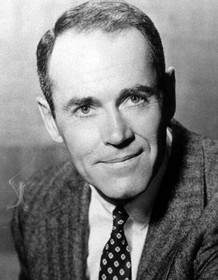
Joe Adams (Henry Fonda)
Played by Henry Fonda
A troubled, reactions-driven man entangled in a night of accusation and memory. He is impulsive but fundamentally human, torn between loyalty to Jo Ann and a growing sense of isolation. His choice to shoot Max and later surrender reveals a complex moral compass and a desire for connection. His arc centers on grappling with trust, love, and consequence.
- 💬 Emotional
- 🧭 Loyal
- ⚔️ Impulsive
-
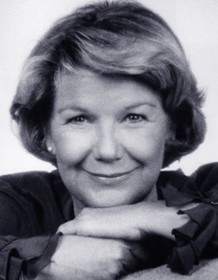
Jo Ann (Barbara Bel Geddes)
Played by Barbara Bel Geddes
Raised in an orphanage and connected to Jo Ann’s life through her work in the greenhouse, she remains enigmatic and guarded. She is torn between Max’s controlling presence and Joe’s earnest affection. Her assertions about Max’s influence create doubt and fuel the night’s tension. Her loyalties appear split, adding to the film’s moral ambiguity.
- 🌸 Complex
- 💔 Guarded
- 🤝 Loyal
-
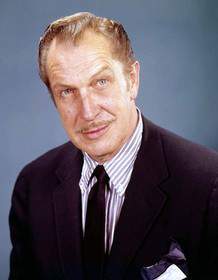
Maximilian the Great (Vincent Price)
Played by Vincent Price
A prestidigitator with a pompous, snobbish air who masks possessiveness with charisma. He claims to be Jo Ann’s long-lost father and uses gifts and manipulation to bind others to his will. His taunts and insinuations push Joe toward rage and set off the fatal confrontation. He embodies the dangerous blend of charm and control that drives the plot.
- 🎭 Charismatic
- 👑 Manipulative
- ⚡ Aggressive
-
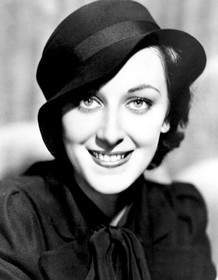
Charlene (Ann Dvorak)
Played by Ann Dvorak
Max’s former assistant who harbors her own feelings toward Joe. She provides contrast to Jo Ann, illustrating competing affections and the commodification of affection through gifts like the identical brooches. Her perspective adds another layer to the web of loyalty and desire in the narrative.
- 🎯 Ambitious
- 🗣️ Persuasive
- 💎 Observant
-
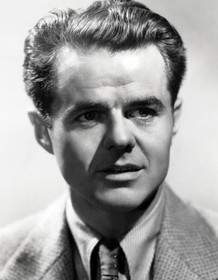
Frank Dunlap (Elisha Cook Jr)
Played by Elisha Cook Jr.
A blind neighborhood resident who represents the community’s quieter, compassionate voice. He observes the night’s events and serves as a steady, humane presence amid the chaos. His character underscores themes of perception and trust when literal sight is compromised.
- 👁️🗨️ Perceptive
- 🕊️ Kind
- 🗨️ Witness
- BP
Bill Pulanski (David Clarke)
Played by David Clarke
Joe’s coworker and neighbor who offers practical support and stands with the crowd surrounding Joe. He provides a grounded civilian angle to the unfolding drama and underscores themes of community solidarity during crisis.
- 🤝 Loyal
- 🧑🤝🧑 Community
- 🗺️ Local
- SN
Sheriff Ned Meade (Howard Freeman)
Played by Howard Freeman
The authority figure coordinating the siege and responding to the escalating crisis. He embodies the official response to a volatile night, balancing pressure from the crowd with duty to uphold the law. His presence anchors the film’s tension between law enforcement and public opinion.
- ⚖️ Authority
- 🧭 Duty
- 🧱 Pressure
- M-
Mac - Bartender (Murray Alper)
Played by Murray Alper
A minor but colorful witness in the neighborhood who helps populate the night’s social landscape. He adds texture to the setting, reflecting the everyday lives intersecting with the central drama.
- 🍹 Social
- 🗣️ Supportive
- 🧩 Minor
Where and When Is The Long Night Set?
The Long Night is set in Top-floor apartment, greenhouse, nightclub, shabby boarding house and city… (1940s). Here is why the time and place matter to the story.
When
1940s
The story unfolds in a mid-20th-century American city, carrying noir sensibilities of postwar uncertainty. The era’s style is reflected in the urban nightlife, the police siege, and the morally gray choices characters face. Flashbacks drive the narrative, layering memory over reality as events unravel.
Where
Top-floor apartment, greenhouse, nightclub, shabby boarding house, city rooftops
The action unfolds across a gritty urban setting. A cramped top-floor apartment houses Joe Adams as he recalls the night’s events. A greenhouse scene reveals Jo Ann at work, while a nightclub hosts Maximilian the Great’s stage act; the shabby boarding house and the city rooftops set the stage for the siege atmosphere.
- 🏙️ Urban
- 🌃 Nightlife
- 🗺️ Diverse settings
What Are the Themes of The Long Night?
3 ideas the story keeps returning to, among them Obsession, Deception and Justice.
-
01
Obsession
Maximilian the Great exerts a possessive fixation on Jo Ann, steering events through charm and coercion. His need to control who Jo Ann loves becomes a catalyst for violence. Joe’s jealousy intensifies as Max insinuates a past relationship, pushing toward a deadly confrontation. The theme explores how desire can corrupt judgment and drive people to extreme actions.
-
02
Deception
The narrative relies on memory and fragmented revelations, with flashbacks within flashbacks that blur truth and motive. Jo Ann and Charlene’s interactions, along with Max’s gifts, cast doubt on loyalties and origins. Joe struggles to parse fact from fiction as the night’s events unfold. The plot emphasizes noir’s unreliable narration and shifting identities.
-
03
Justice
Outside, the sheriff and reinforcements prepare a siege, testing the balance between law and order and public sentiment. Joe’s decision to surrender reflects a commitment to due process and to Jo Ann, even as a crowd’s support complicates the moral landscape. The film juxtaposes official authority with mob impulse, highlighting ethical ambiguity in crisis.
What Kind of Film Is The Long Night?
Tense in tone, with variable pacing and a complex story, going by the plot summary.
- Tone
- Tense
- Pacing
- Variable
- Story
- Complex
- Intensity
- High
- Ending
- Ambiguous
A claustrophobic and suspenseful noir drama that uses layered flashbacks to explore the morally gray past of a trapped man, creating a tense and melancholic atmosphere of memory and reckoning.
- tense
- claustrophobic
- melancholic
- suspenseful
- reflective
- morally nuanced
- murder
- flashback
- memory
- manipulation
Content notes: murder, gun violence, psychological manipulation.
Quiz
How well do you remember The Long Night? Test yourself on the story.
Where to Watch The Long Night
Stream it on Amazon Prime Video and Fawesome, or rent or buy it from Amazon Video. US availability and prices from JustWatch.
Stream 9
 Amazon Prime Video
  Amazon Prime Video with Ads
  Fawesome
  Hoopla
  Plex
Plex  Plex Channel
  Pluto TV
  TCM
TCM  Tubi TV
 Rent or buy 1

Streaming availability in the US, powered by