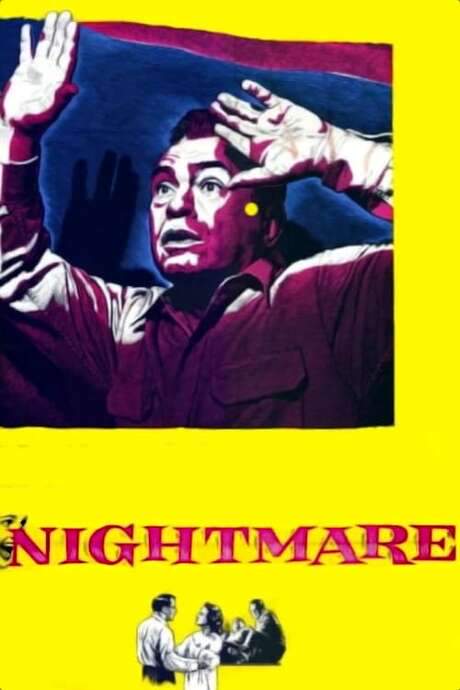
What Is Nightmare About?
The premise of Nightmare in 347 words, with nothing given away. The full story follows below.
In the sultry, jazz-infused streets of New Orleans, Stan Grayson lives a life defined by melody and rhythm as a dedicated clarinetist. However, the harmony of his existence is shattered when he is thrust into a waking nightmare that defies all logic. A haunting vision of a mirrored room and a violent act leaves him gasping for air, only to find that the horror did not stay in his dreams. The boundaries of his reality fracture, leaving him to question the very nature of his consciousness and the safety of his surroundings.
The physical evidence of his terror is undeniable and terrifyingly real. Stan awakens not only with the lingering dread of his nightmare but with tangible proof: fresh blood on his hands and a mysterious key clutched in his palm that matches the one from his vision. Bruises ring his neck, marking him with signs of a struggle he has no memory of participating in while awake. Convinced that a terrible crime has occurred and that he may be inexplicably responsible, he is consumed by a paranoia that blurs the lines between guilt and victimization.
Seeking a lifeline, Stan confides in his brother-in-law, Rene Bressard, a police detective grounded firmly in the tangible world of facts and evidence. While Stan is desperate for help, Bressard views the story with skepticism, dismissing it as the result of frayed nerves and stress. This creates a palpable tension between the two men, as Stan’s fear of his own potential actions clashes with Bressard’s rigid adherence to rationality. The detective’s dismissal only isolates Stan further, forcing him to confront the possibility that he is losing his mind.
Loosely anchored by a hypnotist’s cryptic warning that echoes in his mind, Stan must navigate a maze of psychological dread. The atmosphere thickens with dread as he struggles to prove his innocence in a situation where the only witness is his own fractured psyche. As the shadow of the dream looms larger, the question remains whether he is a pawn in a larger game or a man on the brink of a breakdown.
What Happens in Nightmare?
The complete story of Nightmare, from the first scene to the last, in 292 words (about 1 minute). Spoilers throughout. Names in the text link to 4 cast member pages.
Spoilers ahead
Stan Grayson, a New Orleans big-band clarinetist, endures a haunting nightmare: a mirrored room where he seems to kill a man, underscored by a dirge-like soundtrack that lingers even as he wakes. He finds blood on his skin, bruises circling his neck, and a mysterious key from the dream still clenched in his hand. The image is hard to shake, casting a pall over his days and nights and coloring his sense of reality with doubt.
He confides in his brother-in-law, Rene Bressard, a police detective, only to be dismissed as overwhelmed by nerves. The tension between dream and contagion of guilt widens when the two men later head out for a country picnic with Grayson’s girlfriend, Gina, and his sister, Madge Novick. Grayson leads them to the empty house from his vision, and dark rain begins to fall as they explore. They locate a record player and begin to dance; a nudge from Gina sends the phonograph into an altered speed, the tempo slowing until it matches the very melody from Grayson’s nightmare. The house reveals a mirrored room, precisely as in his dream, and they confront the undeniable fact that a murder did occur there. Disturbingly, Bressard’s suspicions turn toward Grayson himself.
Grayson, increasingly tense and on the brink of despair, protests his innocence even as the circumstances tighten around him. This forceful stance pushes Bressard to dig deeper, driven by a need to separate truth from fear. The trail leads to a hypnotist living in Grayson’s building, a figure who may have unlocked a dangerous control over him. With this possibility, Bressard faces a pivotal challenge: to prove that the murder was committed by Grayson not of his own free will, but under an influence that overpowered his agency.
Nightmare Timeline: Every Key Event in Order
12 key events in the order they happen, from “Nightmare in the mirrored room” to “Goal: prove lack of free will”. 12 events name a place, across 12 locations.
- 1
Nightmare in the mirrored room
Stan Grayson experiences a haunting dream where he kills a man inside a mirrored room accompanied by a dirge-like score. He wakes to find blood on his hands, bruises on his neck, and a key from the dream clutched in his fingers. The vision unsettles him, hinting at guilt that may follow him into waking life.
When:Night Where:Grayson's bedroom (dream sequence)
- 2
Aftermath of the dream
Grayson awakens with physical signs that his nightmare might be more than a dream. He inventories the blood, bruises, and the mysterious key, unsure what actually happened. The unsettling revelation pushes him to seek explanation, even if only in his own mind.
When:Early morning Where:Grayson's apartment
- 3
Confession to Bressard
Grayson confides the dream and its troubling implications to his brother-in-law, detective Rene Bressard. Bressard dismisses the vision as likely stress or fantasy and urges caution about taking it seriously. The lack of immediate support deepens Grayson's isolation.
When:Morning Where:Grayson's home
- 4
Picnic in the country
Later, Grayson and Bressard take a picnic in the countryside with Grayson's girlfriend and sister. The day turns eerie as Grayson leads them toward the empty house from his dream. Dark clouds roll in and rain begins to fall.
When:Afternoon Where:The countryside
- 5
Discovery of the dream house
At the dream house, they discover an empty residence that matches Grayson's vision. The atmosphere grows tense as the group explores the place. The setting foreshadows the connection between memory and reality.
When:Afternoon Where:Dream house (empty house)
- 6
Record player and the dream's song
While they explore, a record player begins to play as they dance, and the speed of the phonograph unexpectedly shifts when bumped. The tempo slows to resemble the lullaby from Grayson's nightmare. The eerie musical echo unsettles everyone present.
When:Afternoon Where:Dream house
- 7
Mirrored room revealed
The group uncovers a mirrored room within the house that mirrors Grayson's dream. The discovery blurs the boundary between his vision and the real location. Grayson's grip tightens as fear and confusion mount.
When:Afternoon Where:Dream house, mirrored room
- 8
A murder connected to the house
They learn that a murder occurred, tying the house to a real crime and raising suspicion on Grayson. He protests his innocence, but Bressard becomes convinced that something darker may be at play. The mystery deepens as clues point toward external influence.
When:Evening Where:Dream house / vicinity
- 9
Grayson's mounting distress
Grayson is physically and emotionally strained by the possibility that he committed the murder unknowingly. His agitation and suicidal thoughts compel Bressard to pursue the case with renewed determination. The personal stakes intensify the investigation.
When:Evening Where:Grayson's residence
- 10
Hypnotist in the building
Bressard discovers a hypnotist living in Grayson's building who could have manipulated his actions. The case shifts from memory to manipulation, suggesting an external force behind the crime. Grayson becomes a potential conduit for external control.
Where:Grayson's building
- 11
Investigative pivot toward control
With the hypnosis lead, Bressard focuses on whether Grayson acted under another's influence when the murder happened. He gathers evidence and questions that could separate voluntary action from involuntary compulsion. The investigation tightens around the idea of free will vs. manipulation.
When:Night Where:Police / investigation scene
- 12
Goal: prove lack of free will
The detective's objective is to prove that Grayson killed under external control rather than by his own free will. The film centers on whether a dream, a hypnotist, or both could render a man responsible for acts he did not choose. The conclusion hinges on whether true agency can be restored or denied.
When:Final act Where:Police station / court
Who Are the Main Characters in Nightmare?
9 characters, among them Stan Grayson (Kevin McCarthy), Rene Bressard (Edward G. Robinson) and Sue Bressard (Virginia Christine): who each one is and the part they play in the story. Every profile links to the actor’s page.
-
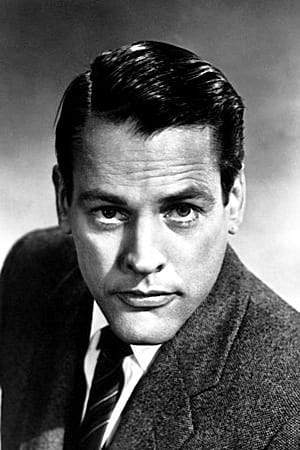
Stan Grayson (Kevin McCarthy)
Played by Kevin McCarthy
A talented New Orleans big-band clarinetist who is plagued by a nightmare that mirrors a real murder. His psyche frays under the weight of fear, guilt, and confusing signs that push him toward danger. As the investigation unfolds, the line between his autonomy and coercion becomes the central mystery.
- 🎷 Jazz musician
- 🧠 Tormented
- 🗝️ Suspect under suspicion
-
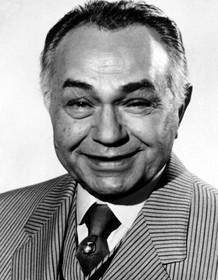
Rene Bressard (Edward G. Robinson)
Played by Edward G. Robinson
A police detective and Stan’s ally who is determined to uncover the truth. He investigates the murder and the dream-linked evidence with a cool, methodical approach, challenging Stan’s insistence on his own innocence. His pursuit drives the film’s investigative noir arc.
- 🕵️ Detective
- 🧭 Logical
- 🧩 Investigative
-

Sue Bressard (Virginia Christine)
Played by Virginia Christine
A member of the Bressard circle who interacts with Stan during a tense period of suspicion. Her presence contributes to the film’s entangled relationships and emotional stakes, intensifying the mystery.
- 💃 Social presence
- 👀 Tense
- 💔 Romantic tension
- G(
Gina (Connie Russell)
Played by Connie Russell
A nightclub performer who embodies the noir atmosphere and social orbit around Stan’s world. Her appearances weave into the clue trail and heighten the sense of danger in the club scene.
- 🎤 Nightlife
- 🕶️ Allure
- 🗺️ Suspected connections
- MN
Madge Novick (Marian Carr)
Played by Marian Carr
A social acquaintance tied to the city’s nightlife circle who adds to the film’s web of acquaintances and potential motives. She helps flesh out the social backdrop against which the crime unfolds.
- 🕊️ Socialite
- 🕯️ Atmosphere
- 🧩 Motives
- CW
Captain Warner (Barry Atwater)
Played by Barry Atwater
A police captain representing official authority and the procedural side of the case. He interacts with Rene’s investigative work and the hunt for the truth.
- 🏛️ Authority
- 🧭 Investigation
- 🗝️ Official
- B/
Belknap / Harry Britten (Gage Clarke)
Played by Gage Clarke
A dual-named figure whose role ties into the mystery’s suspects and misdirections. He represents the shadowy side of the narrative’s crime web.
- 🕶️ Suspect
- 🗝️ Dual identity
- 🧭 Ambiguity
- BC
Bob Clune (Sol Gorss)
Played by Sol Gorss
An uncredited supporting character who participates in the noir-filled nightclub and crime scene world. He adds to the texture of the film’s social milieu.
- 🎭 Supporting role
- 🕯️ Atmosphere
- 🗂️ Clue carrier
- M(
Meade (Meade 'Lux' Lewis)
Played by Meade 'Lux' Lewis
A musical presence within the story who connects to the same jazz world as Stan. His presence underlines the era’s big-band culture.
- 🎹 Jazz
- 🎶 Musician
- 🧭 Cultural touchstone
Where and When Is Nightmare Set?
Nightmare is set in New Orleans and Countryside house near New Orleans (1940s). Here is why the time and place matter to the story.
When
1940s
Set in the post-war era, the story rides the wave of film noir aesthetics and the big-band era. The period’s nightlife, fashion, and mood amplify the sense of paranoia as suspicions mount about whether the protagonist acted of his own accord. The era’s reliance on psychological thrillers mirrors the era’s anxieties.
Where
New Orleans, Countryside house near New Orleans
The film unfolds against the backdrop of New Orleans’ vibrant jazz scene and a moody countryside setting. It contrasts the city’s neon clubs and street life with a rain-soaked, claustrophobic country house where a mirrored room reveals the crime. The city’s atmosphere and music culture help drive the noir tension.
- 🎷 Jazz City
- 🌧️ Rainy noir
- 🏙️ Nightlife
What Are the Themes of Nightmare?
3 ideas the story keeps returning to, among them Dream vs Reality, Guilt & Free Will and Manipulation & Control.
-
01
Dream vs Reality
A nightmare sequence foreshadows real events, and the lines between dream and waking life blur. The mirrored room motif recurs as truth becomes increasingly elusive. The protagonist’s fear and guilt propel the plot as clues surface that the crime may not be his doing.
-
02
Guilt & Free Will
The narrative probes whether Stan’s actions were his own or the result of external manipulation. Investigators wrestle with the possibility that he was compelled to commit murder. The theme underpins the moral dilemma at the heart of the mystery.
-
03
Manipulation & Control
A hypnotist’s influence exposes how external forces can steer a person toward crime. The plot thickens as friends and authorities try to separate coercion from culpability. The tension rests on whether free will can be proven in a case built on suggestion and deception.
What Kind of Film Is Nightmare?
Tense in tone, with steady pacing and a moderate story, going by the plot summary.
- Tone
- Tense
- Pacing
- Steady
- Story
- Moderate
- Intensity
- High
- Ending
- Mixed
A tense and unsettling psychological thriller that follows a man's descent into paranoia as he questions his own sanity after a nightmare seems to predict a real murder.
- anxious
- unsettling
- paranoid
- dreamlike
- claustrophobic
- suspenseful
- wrongful accusation
- crime investigation
- psychological manipulation
- dysfunctional marriage
Content notes: murder, psychological manipulation, suicidal thoughts.
Quiz
How well do you remember Nightmare? Test yourself on the story.