The Long Night 1947


A high‑octane standoff erupts when city police cordon off a building to apprehend a suspected murderer. Trapped inside, the desperate suspect realizes there is no route to freedom yet stubbornly refuses to surrender, igniting a tense, dramatic confrontation. The claustrophobic atmosphere and the unwavering resolve of both sides heighten the suspense.


Does The Long Night have end credit scenes?
No!
The Long Night does not have end credit scenes. You can leave when the credits roll.
Meet the Full Cast and Actors of The Long Night
Explore the complete cast of The Long Night, including both lead and supporting actors. Learn who plays each character, discover their past roles and achievements, and find out what makes this ensemble cast stand out in the world of film and television.
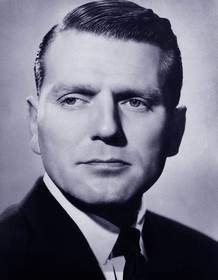
Charles McGraw
Policeman Stevens
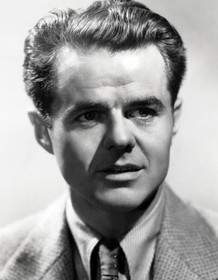
Elisha Cook Jr.
Frank Dunlap
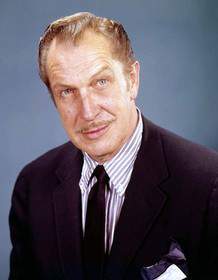
Vincent Price
Maximilian the Great
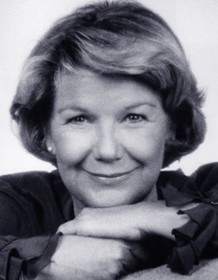
Barbara Bel Geddes
Jo Ann
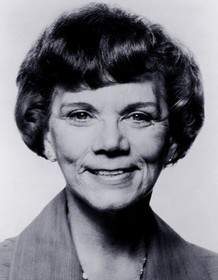
Ellen Corby
Observer in Crowd (uncredited)
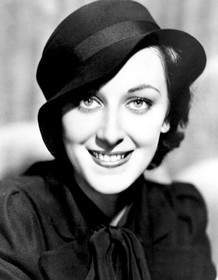
Ann Dvorak
Charlene
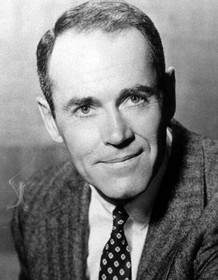
Henry Fonda
Joe Adams
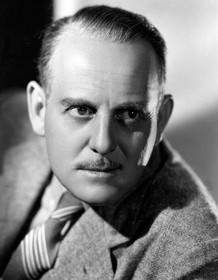
Moroni Olsen
Chief of Police Bob McManus

Will Wright
Mr. Tully - the Janitor (uncredited)
Davis Roberts
Freddie
Murray Alper
Mac - Bartender (uncredited)
Ray Teal
Mr. Hudson (uncredited)
Mary Gordon
Old Woman in Crowd (uncredited)
Howard Freeman
Sheriff Ned Meade
Queenie Smith
Mrs. Tully
David Clarke
Bill Pulanski
Byron Foulger
Man with Bike (uncredited)
Melinda Byron
Peggy
External Links and Streaming Options
Discover where to watch The Long Night online, including streaming platforms, rental options, and official sources. Compare reviews, ratings, and in-depth movie information across sites like IMDb, TMDb, Wikipedia or Letterboxd.





Take the Ultimate The Long Night Movie Quiz
Challenge your knowledge of The Long Night with this fun and interactive movie quiz. Test yourself on key plot points, iconic characters, hidden details, and memorable moments to see how well you really know the film.
The Long Night (1947) Quiz: Test your knowledge of the 1947 film *The Long Night*, covering characters, plot points, and cinematic techniques.
Which actor portrays the protagonist Joe Adams?
Full Plot Summary and Ending Explained for The Long Night
Read the complete plot summary of The Long Night, including all major events, twists, and the full ending explained in detail. Explore key characters, themes, hidden meanings, and everything you need to understand the story from beginning to end.
A tense, noir-tinged standoff opens with a dead man tumbling down a flight of stairs and Henry Fonda as Joe Adams firing at officers through a hotel-room door after the top-floor apartment is reached by the sheriff and his team. Reinforcements swarm, snipers line nearby rooftops, and the situation quickly widens from a tense domestic scuffle into a layered memory play as Joe begins a long recollection of how he arrived at this moment. What unfolds is clear in the framing: a man wrestling with the past as the present braces for a dramatic reckoning.
In Joe’s recollection, the story traces back to a greenhouse where he first encounters Barbara Bel Geddes as Jo Ann, a meeting that we learn is tangled by a shared history—both were raised in the same orphanage. The film then folds into a series of flashbacks, some even nested within others, as Joe pieces together Jo Ann’s tale and what she told him about her life before they met. The memories are not linear; they loop and refract, building a mosaic of motives, deceptions, and desires that blur the line between truth and perception.
The journey back leads to a nightclub where a famous stage act, led by Vincent Price as Maximilian the Great, pulls Jo Ann into a powerfully magnetic orbit. At the bar, Joe crosses paths with Ann Dvorak as Charlene, Max’s former assistant, who has her own reason to be wary of Max’s charm and reach. Maximilian’s charisma is more than a show—he hints at a fatherly claim over Jo Ann, insisting that he is her long-lost father and that his past connection to her is wrapped in guilt and, paradoxically, a protective hunger. Jo Ann vehemently denies any blood tie, recounting how Max pulled her from the audience, turning a night’s spotlight into a dangerous pursuit as he pressed for a relationship she never welcomed. Charlene, a foil and confidante, offers a different read on Max’s affections, hinting that Max’s gifts—especially the brooches with their shared symbolism—are less about sentiment than control.
The plot thickens around the mysterious brooches that Jo Ann and Charlene both claim to have received from Max. Jo Ann insists her brooch is a rare antique once linked to Montezuma’s daughter, a claim that Charlene challenges with a practical counter—an entire display marked at 85 cents each. The exchange underscores the broader question in the film: who can be trusted when affection, inheritance, and artifice all float in the same circle? Joe moves through these revelations with mounting unease, trying to discern who is truly looking out for him and who is using him to reach Max.
A pivotal confrontation arrives at Joe’s shabby boarding house, when Maximilian unexpectedly appears and demands that Joe stay away from Jo Ann. A heated struggle ensues; Joe drives Max partly out of a window, but the act stops short of killing. Max’s taunts cut through the moment, hinting at a relationship between Jo Ann and himself that Joe finds almost too sordid to believe, and he learns that Max sees himself as above him, a line that drives Joe to a breaking point. [> it is not so easy to kill a man] is the cruel wit he confronts, a line that seals Max’s fate in a brutal, fateful moment.
When the police plan to flood the room with tear gas, Jo Ann appears and pleads for Joe to surrender, offering a painful promise—she’ll wait for him if he’s sent away. The crowd that gathers on the street behind the barricade is not a faceless chorus; it includes Joe’s own coworker and neighbor, David Clarke as Bill Pulanski, and the blind neighbor, Elisha Cook Jr. as Frank Dunlap, along with others who have come to see him not as a killer but as someone entangled in a shared, fragile humanity. The atmosphere remains charged with suspense, memory, and moral doubt, even as the film makes clear that the people in the room—Jo Ann, Charlene, and the others who stand with Joe—could choose to see him anew if the moment allows.
In the end, the narrative holds to its core, balancing the immediacy of a standoff with the reverberations of past choices. The surrounding authorities, including the Chief of Police Moroni Olsen and Sheriff Ned Meade Howard Freeman, frame the crisis as both a legal and emotional crucible. The story remains intimate despite its public climax: a man who thought he was friendless finds an unexpected chorus of witnesses and a community that believes in him enough to let him walk away or stay to face the consequences. The film’s structure—flashback within flashback, memory within memory—cements its mood: a reflective, morally nuanced drama about love, manipulation, fear, and the stubborn stubbornness of human memory.

Coming soon on iOS and Android
The Plot Explained Mobile App
From blockbusters to hidden gems — dive into movie stories anytime, anywhere. Save your favorites, discover plots faster, and never miss a twist again.
Sign up to be the first to know when we launch. Your email stays private — always.
Explore the mobile appDiscover Film Music Concerts Near You – Live Orchestras Performing Iconic Movie Soundtracks
Immerse yourself in the magic of cinema with live orchestral performances of your favorite film scores. From sweeping Hollywood blockbusters and animated classics to epic fantasy soundtracks, our curated listings connect you to upcoming film music events worldwide.
Explore concert film screenings paired with full orchestra concerts, read detailed event information, and secure your tickets for unforgettable evenings celebrating legendary composers like John Williams, Hans Zimmer, and more.


Cars Featured in The Long Night
Explore all cars featured in The Long Night, including their makes, models, scenes they appear in, and their significance to the plot. A must-read for car enthusiasts and movie buffs alike.
The Long Night Themes and Keywords
Discover the central themes, ideas, and keywords that define the movie’s story, tone, and message. Analyze the film’s deeper meanings, genre influences, and recurring concepts.
The Long Night Other Names and Titles
Explore the various alternative titles, translations, and other names used for The Long Night across different regions and languages. Understand how the film is marketed and recognized worldwide.
Similar Movies To The Long Night You Should Know About
Browse a curated list of movies similar in genre, tone, characters, or story structure. Discover new titles like the one you're watching, perfect for fans of related plots, vibes, or cinematic styles.




Quick Links: Summary, Cast, Ratings, More

What's After the Movie?
Not sure whether to stay after the credits? Find out!
Check out our other apps:

SAT Sphere
Build confidence for the Digital SAT.

Mori Atlas
Discover wild places worth protecting.

Luntero
Search smarter for a home in Amsterdam.

Plot Explained
Unravel movie endings and hidden clues.

Pokechamp
Dive into Pokémon data and battle logic.

Driving Theory
Get ready for your European theory test.

Movie Dust
Plan your next cinema trip with ease.

Musemap
Find art and culture as you travel.

Selkobase
Compare credentials before committing.

Local Manual
Turn an unfamiliar country into practical next steps.

Lernavi
Compare school systems before your next move.

GymRoam
Find a workout stop wherever your plans take you.
Explore Our Movie Platform
New Movie Releases (2026)
Famous Movie Actors
Top Film Production Studios
Movie Plot Summaries & Endings
Major Movie Awards & Winners
Best Concert Films & Music Documentaries
Movie Collections and Curated Lists
© 2026 What's After the Movie. All rights reserved.
Privacy Policy