
The Late George Apley 1947

Directed by
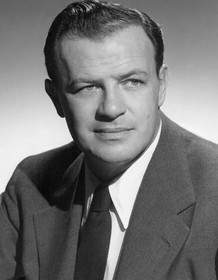
Joseph L. Mankiewicz
Made by

20th Century Fox
The Late George Apley Plot Summary
Read the complete plot summary and ending explained for The Late George Apley (1947). From turning points to emotional moments, uncover what really happened and why it matters.
It is 1912, and George Apley is a stuffy, self-satisfied pillar of Boston’s upper crust, utterly convinced of the superiority of his hometown, his family, and the social rituals that bind them. He words his worldview with a practiced cadence, often slipping in Emerson quotes as if they were proof of his moral authority. For eighteen years he has hosted the town’s Thanksgiving gatherings, a serene ritual that anchors his life. But the film opens with a Thanksgiving dinner that shatters that calm: he discovers that both his son and his daughter have fallen for partners who aren’t part of the Boston circle his family has approved. John Apley has fallen for Myrtle, the daughter of a Worcester manufacturer, while Eleanor ‘Ellie’ Apley loves Howard Boulder, a Harvard lecturer whose career will be imperiled by George’s meddling. Boulder’s offenses aren’t just geographic or institutional—he also challenges George’s reverence for Emerson by presenting a radical view of the writer’s era, a stance George only comes to accept later in the story. The moment of social reckoning comes when George is denied the presidency of the local bird-watching club, a rejection that stems from his refusal to bury an undesirable relative in the family plot and from his attempts to steer the young lovers into what he deems proper matches.
Mrs. Apley divulges a key detail from the past: George had once fallen for a lively local Irish girl, a memory that hints at the emotional costs of his lifelong insistence on propriety and custom. The revelation touches a nerve in him as his brother-in-law and longtime friend Roger Newcombe reminds him of the ache he once felt when separation from that love shaped his future. In a bid to salvage order, George invites Myrtle’s father to discuss a careful, staged introduction of the families to Boston society in advance of the engagement announcement. Yet Myrtle’s father sees through the veneer: he knows his daughter and he knows John, and he doubts that either could be happy living a life defined by the other’s world. The plan collapses, and he suggests sending Myrtle away to California for a time to forget.
As time passes, Eleanor returns from her long journey abroad and steps back into the social calendar as a bridesmaid for the wedding of John and Agnes Willing. Eleanor fears that Howard has forgotten her, not realizing that George has halted their correspondence. Agnes, who has grown aware of Myrtle’s hold on John, shares her insecurities with Eleanor while they fit Agnes in the bridal dress—a gown heavy with lace that seems to trap the past as much as it frames the future. Eleanor’s encouragement is blunt and urgent: > fight. In a bid to prove she can shape her own life, Agnes presses George to let her buy stylish, modern clothes in New York, aiming to present a confident, updated image to Boston society. The day appears triumphant until a reunion with Howard and his circle unsettles the mood, exposing the social traps that still bind them.
At the church on the wedding day, John’s nerves flare as he awaits Agnes, and George leads Eleanor to the street outside where Howard waits. George hands over steamship tickets—their plan for John and Agnes’ honeymoon—and tells them that a captain will perform the marriage. Eleanor embraces him, and the couple drives away toward a future that might finally unify two families. Inside the church, Agnes descends the aisle in a gown that seems to fuse elegance with modern hope, and John beams as his parents step forward, linking arms to share in their son’s happiness.
In the end, the film diverges from the book and play: the title character, George Apley, does not die. He remains a figure who has confronted and absorbed the possibility that his world might not be the only rightful one, and that happiness for his children may require letting go of rigid codes in favor of genuine connection. Catherine Apley plays a quiet but pivotal role in this transformation, a reminder that love and acceptance can emerge from within a carefully curated life.
The Late George Apley Timeline
Follow the complete movie timeline of The Late George Apley (1947) with every major event in chronological order. Great for understanding complex plots and story progression.
Opening Thanksgiving shakes the Apley world
It is 1912 and George Apley presides over his 18th consecutive Thanksgiving dinner, a ritual that highlights his rigid Boston-centric worldview. He constantly quotes Emerson and defends his social code, signaling that his comfortable life may be about to be challenged.
Lovers threaten the plan: John and Eleanor's matches
John loves Myrtle of Worcester and Eleanor loves Howard Boulder, a Harvard lecturer. Their choices defy the matches arranged by Boston society, setting up a clash between personal happiness and social expectation. George's disdain for outsiders intensifies the conflict.
Bird-watching club rejection marks a turning point
George is passed over for president of the local bird-watching club, a blow that exposes his rigid refusal to bend for the sake of family and lovers. The club cites his reluctance to bury an undesirable relative and his interference in the couples' plans. This rejection signals the erosion of his social standing.
Apley past romance revealed
Mrs. Apley reveals that George once loved an Irish girl and was sent abroad to win back his freedom. He and the girl married when he returned, finding happiness beyond social rules. The confession hints at a more complex man beneath his Boston mask.
Old feelings resurface
Roger Newcombe reminds George of his old feelings for the Irish girl, stirring memories and moral doubt. This recollection nudges George toward reconsidering his attitude toward love and happiness outside his social circle. It plants the seed for potential change.
Plans to introduce the families to Boston society
George invites Myrtle's father to the club to discuss a careful, phased introduction of the two families. The proposal reveals how fragile social integration is and the pressure to protect reputation. It marks the first practical step toward reconciling their worlds.
Myrtle's father proposes separation
Myrtle's father admits that neither Myrtle nor John would be happy in the other's world and plans to send Myrtle to California to forget for a year or two. The move underscores the social clash and the stubbornness of the old order. It threatens to derail the engagement entirely.
Eleanor returns; bridesmaid duties
Time passes and Eleanor returns from a long trip abroad just in time to be a bridesmaid at John and Agnes's wedding. She fears Howard has forgotten her, unaware that George has been suppressing their letters. The personal sacrifices mirror the broader social compromises at stake.
Agnes seeks confidence and modern attire
Agnes confesses her lack of confidence about marrying John, and Eleanor urges her to fight for love. George relents and allows her to shop for modern clothes in New York, boosting her self-assurance. The fashion change signals how appearances influence acceptance.
A street confrontation with Boulder
In New York, Howard Boulder and his friends confront George with biting sarcasm about Emerson and social class. The encounter sharpens the divide between the two worlds and tests George's willingness to adapt. It foreshadows the crucial wedding-day decisions ahead.
George moves to secure the lovers' future
On the wedding day, George gives John and Agnes steamship tickets for their honeymoon and tells them the captain will marry them when they sail. The gesture is an unusual blending of practicality and romance, signaling a shift from social obstruction to personal happiness. The moment signals George's pivot toward supporting their marriage.
The wedding and a hopeful ending
Agnes descends the aisle in a lovely gown and John beams with happiness as George and Catherine share a proud smile. The ceremony proceeds and the couple begins their life together, with George's social world somewhat reconciled to the union. The film closes on a note of harmonious acceptance, not death as the title might imply.
The Late George Apley Characters
Explore all characters from The Late George Apley (1947). Get detailed profiles with their roles, arcs, and key relationships explained.
George Apley (Ronald Colman)
A stuffy, self-satisfied patriarch of Boston's upper class who prizes tradition and reputation. His rigidity cracks as he is forced to confront the consequences of his social exclusivity on his children's happiness. By the end, he begins to reassess his biases, especially after being sidelined from the bird-watching club due to his inflexible behavior.
Catherine Apley (Edna Best)
George's wife and a stabilizing presence within the family. She reveals past loves and acts as a confidante who articulates the tensions between Old Boston decorum and personal happiness. Her observations help bridge the gap between the couple's differing perspectives as the family unravels and reforms.
John Apley (Richard Ney)
George and Catherine's son, who falls in love with Myrtle, a non-Bostonian, challenging his father's plans. His engagement to Agnes later in the film shows a compromise between romance and social expectations, revealing his struggle to align love with family approval.
Eleanor 'Ellie' Apley (Peggy Cummins)
George and Catherine's daughter, who pursues Howard Boulder, embodying a more modern, less conventional approach to romance. Her boldness and willingness to push for change catalyzes the push-pull between personal desire and social propriety. She often acts as a catalyst for action within the family dynamics.
Agnes Willing (Vanessa Brown)
A poised, capable woman who becomes central to the wedding arrangements and embodies a bridge between old-world expectations and modern self-determination. She confronts doubt about her own position, yet proves resilient by influencing decisions and supporting a happier outcome for the couple.
Howard Boulder (Charles Russell)
A Harvard lecturer who challenges conventional thinking and Emerson's radical interpretations, he stands as the intellectual foil to George's conventionalism. His presence and eventual career setback highlight cultural tensions between new ideas and established social order.
The Late George Apley Settings
Learn where and when The Late George Apley (1947) takes place. Explore the film’s settings, era, and how they shape the narrative.
Time period
1912
Set in the early 1910s, the film situates its drama in a pre-World War I American elite world where social approval governs romance and marriage. The era is marked by rigid class boundaries and traditional values, which are repeatedly tested as characters challenge arranged pairings. Emersonian rhetoric and club life underscore a culture that prizes refinement and lineage above personal happiness.
Location
Boston, Massachusetts, Worcester, Massachusetts, New York City, New York
The story is anchored in Boston's elite social sphere, with its clubs, families, and reputation as the center of the Apley clan. Scenes shift to Worcester for the manufacturing backdrop and to New York City for fashion and social intrigue, illustrating the broader social world beyond Boston proper. The film also nods to California as a distant option the families consider to separate lovers, highlighting the scale of social mobility and separation available to those with status.
The Late George Apley Themes
Discover the main themes in The Late George Apley (1947). Analyze the deeper meanings, emotional layers, and social commentary behind the film.
🎩
Class & Tradition
The film scrutinizes the obligations of old Boston money and its social rituals. Family pride and status dictate who may marry whom, creating friction when love crosses social lines. Through George's resistance and eventual self-reflection, the story asks whether tradition can accommodate genuine happiness.
💞
Love & Freedom
Romantic choices collide with social expectations as John loves Myrtle and Eleanor seeks Howard, rather than following the arranged paths. The narrative explores what love asks people to sacrifice—whether personal fulfillment is worth betraying family norms. The film ultimately champions authentic affection over rigid conformity.
🪞
Change & Self-Reflection
George's arc moves from self-satisfaction to a clearer understanding of himself through others' perspectives. His interactions with his children and wife trigger introspection about pride, prejudice, and the cost of social gatekeeping. The mirror becomes a motif for recognizing personal flaws and choosing a more compassionate path.

Coming soon on iOS and Android
The Plot Explained Mobile App
From blockbusters to hidden gems — dive into movie stories anytime, anywhere. Save your favorites, discover plots faster, and never miss a twist again.
Sign up to be the first to know when we launch. Your email stays private — always.
Explore the mobile appThe Late George Apley Spoiler-Free Summary
Discover the spoiler-free summary of The Late George Apley (1947). Get a concise overview without any spoilers.
In the genteel streets of 1912 Boston, a world of polished parlors, steady rituals, and unspoken codes governs daily life. The city’s elite circle clings to generations of custom, their gatherings a quiet chorus of deference to heritage and to one another. Beneath the calm façades, however, the prospect of change flickers like a distant lantern, hinting at the subtle unease that can ripple through even the most orderly households.
George Apley stands at the heart of this society, a self‑assured patriarch whose very speech carries the cadence of Emersonian maxims. He has spent nearly two decades hosting the town’s Thanksgiving dinners, each ceremony a testament to his belief that Boston’s way of life must remain untouched. Beside him, Catherine Apley provides a steady, observant presence, embodying the quiet strength that often goes unnoticed in a world that prizes outward propriety above inner feeling.
Their children bring the first tremors of that hidden unease. Eleanor finds herself drawn to a charismatic New Yorker named Howard, whose ideas and background sit outside the familiar Boston circle. At the same time, John becomes entangled with Myrtle, a young woman from Worcester whose world differs from the narrow expectations that have been mapped out for him, including a forthcoming union with his cousin Agnes. These budding attachments suggest a clash between the family’s long‑held traditions and the allure of broader horizons.
The film balances warm, witty observation with a gentle, satirical edge, inviting viewers to watch a family grapple with the pull of nostalgia and the inevitable push of progress. Its tone remains tender yet incisive, portraying a portrait of a bygone era where love and ambition quietly test the limits of social convention without ever losing the affection that binds the Apleys together.
Movies with Similar Twists and Themes
Uncover films that echo the narrative beats, emotional arcs, or dramatic twists of the one you're exploring. These recommendations are handpicked based on story depth, thematic resonance, and spoiler-worthy moments — perfect for fans who crave more of the same intrigue.


Featured on this page

What's After the Movie?
Not sure whether to stay after the credits? Find out!
Check out our other apps:

SAT Sphere
Build confidence for the Digital SAT.

Mori Atlas
Discover wild places worth protecting.

Luntero
Search smarter for a home in Amsterdam.

Plot Explained
Unravel movie endings and hidden clues.

Pokechamp
Dive into Pokémon data and battle logic.

Driving Theory
Get ready for your European theory test.

Movie Dust
Plan your next cinema trip with ease.

Musemap
Find art and culture as you travel.

Selkobase
Compare credentials before committing.

Local Manual
Turn an unfamiliar country into practical next steps.

Lernavi
Compare school systems before your next move.

GymRoam
Find a workout stop wherever your plans take you.
Explore Our Movie Platform
New Movie Releases (2026)
Famous Movie Actors
Top Film Production Studios
Movie Plot Summaries & Endings
Major Movie Awards & Winners
Best Concert Films & Music Documentaries
Movie Collections and Curated Lists
© 2026 What's After the Movie. All rights reserved.
Privacy Policy