The Late George Apley 1947


George and Catherine Apley of Boston preserve a respectable life in their traditional Beacon Street social circle, a legacy passed down for generations. World is unsettled when daughter Eleanor falls for Howard, a New Yorker, and son John becomes involved with Myrtle of Worcester, threatening John’s intended marriage to his cousin Agnes.

Does The Late George Apley have end credit scenes?
No!
The Late George Apley does not have end credit scenes. You can leave when the credits roll.
Meet the Full Cast and Actors of The Late George Apley
Explore the complete cast of The Late George Apley, including both lead and supporting actors. Learn who plays each character, discover their past roles and achievements, and find out what makes this ensemble cast stand out in the world of film and television.
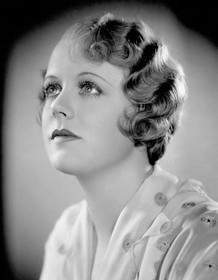
Edna Best
Catherine Apley
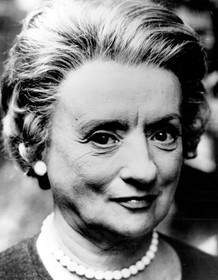
Mildred Natwick
Amelia Newcombe
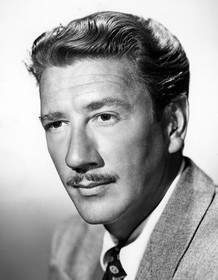
Richard Haydn
Horatio Willing

Percy Waram
Roger Newcombe
Peggy Cummins
Eleanor 'Ellie' Apley
Paul Harvey
Julian H. Dole
Richard Ney
John Apley
Francis Pierlot
Wilson
Ronald Colman
George Apley
Vanessa Brown
Agnes Willing
Kathleen Howard
Margaret
Nydia Westman
Jane Willing
Charles Russell
Howard Boulder
External Links and Streaming Options
Discover where to watch The Late George Apley online, including streaming platforms, rental options, and official sources. Compare reviews, ratings, and in-depth movie information across sites like IMDb, TMDb, Wikipedia or Letterboxd.




Take the Ultimate The Late George Apley Movie Quiz
Challenge your knowledge of The Late George Apley with this fun and interactive movie quiz. Test yourself on key plot points, iconic characters, hidden details, and memorable moments to see how well you really know the film.
The Late George Apley Quiz: Test your knowledge of the 1947 film The Late George Apley with these ten mixed‑difficulty questions.
Which actor portrayed the title character, George Apley?
Full Plot Summary and Ending Explained for The Late George Apley
Read the complete plot summary of The Late George Apley, including all major events, twists, and the full ending explained in detail. Explore key characters, themes, hidden meanings, and everything you need to understand the story from beginning to end.
It is 1912, and George Apley is a stuffy, self-satisfied pillar of Boston’s upper crust, utterly convinced of the superiority of his hometown, his family, and the social rituals that bind them. He words his worldview with a practiced cadence, often slipping in Emerson quotes as if they were proof of his moral authority. For eighteen years he has hosted the town’s Thanksgiving gatherings, a serene ritual that anchors his life. But the film opens with a Thanksgiving dinner that shatters that calm: he discovers that both his son and his daughter have fallen for partners who aren’t part of the Boston circle his family has approved. John Apley has fallen for Myrtle, the daughter of a Worcester manufacturer, while Eleanor ‘Ellie’ Apley loves Howard Boulder, a Harvard lecturer whose career will be imperiled by George’s meddling. Boulder’s offenses aren’t just geographic or institutional—he also challenges George’s reverence for Emerson by presenting a radical view of the writer’s era, a stance George only comes to accept later in the story. The moment of social reckoning comes when George is denied the presidency of the local bird-watching club, a rejection that stems from his refusal to bury an undesirable relative in the family plot and from his attempts to steer the young lovers into what he deems proper matches.
Mrs. Apley divulges a key detail from the past: George had once fallen for a lively local Irish girl, a memory that hints at the emotional costs of his lifelong insistence on propriety and custom. The revelation touches a nerve in him as his brother-in-law and longtime friend Roger Newcombe reminds him of the ache he once felt when separation from that love shaped his future. In a bid to salvage order, George invites Myrtle’s father to discuss a careful, staged introduction of the families to Boston society in advance of the engagement announcement. Yet Myrtle’s father sees through the veneer: he knows his daughter and he knows John, and he doubts that either could be happy living a life defined by the other’s world. The plan collapses, and he suggests sending Myrtle away to California for a time to forget.
As time passes, Eleanor returns from her long journey abroad and steps back into the social calendar as a bridesmaid for the wedding of John and Agnes Willing. Eleanor fears that Howard has forgotten her, not realizing that George has halted their correspondence. Agnes, who has grown aware of Myrtle’s hold on John, shares her insecurities with Eleanor while they fit Agnes in the bridal dress—a gown heavy with lace that seems to trap the past as much as it frames the future. Eleanor’s encouragement is blunt and urgent: > fight. In a bid to prove she can shape her own life, Agnes presses George to let her buy stylish, modern clothes in New York, aiming to present a confident, updated image to Boston society. The day appears triumphant until a reunion with Howard and his circle unsettles the mood, exposing the social traps that still bind them.
At the church on the wedding day, John’s nerves flare as he awaits Agnes, and George leads Eleanor to the street outside where Howard waits. George hands over steamship tickets—their plan for John and Agnes’ honeymoon—and tells them that a captain will perform the marriage. Eleanor embraces him, and the couple drives away toward a future that might finally unify two families. Inside the church, Agnes descends the aisle in a gown that seems to fuse elegance with modern hope, and John beams as his parents step forward, linking arms to share in their son’s happiness.
In the end, the film diverges from the book and play: the title character, George Apley, does not die. He remains a figure who has confronted and absorbed the possibility that his world might not be the only rightful one, and that happiness for his children may require letting go of rigid codes in favor of genuine connection. Catherine Apley plays a quiet but pivotal role in this transformation, a reminder that love and acceptance can emerge from within a carefully curated life.

Coming soon on iOS and Android
The Plot Explained Mobile App
From blockbusters to hidden gems — dive into movie stories anytime, anywhere. Save your favorites, discover plots faster, and never miss a twist again.
Sign up to be the first to know when we launch. Your email stays private — always.
Explore the mobile appDiscover Film Music Concerts Near You – Live Orchestras Performing Iconic Movie Soundtracks
Immerse yourself in the magic of cinema with live orchestral performances of your favorite film scores. From sweeping Hollywood blockbusters and animated classics to epic fantasy soundtracks, our curated listings connect you to upcoming film music events worldwide.
Explore concert film screenings paired with full orchestra concerts, read detailed event information, and secure your tickets for unforgettable evenings celebrating legendary composers like John Williams, Hans Zimmer, and more.


The Late George Apley Themes and Keywords
Discover the central themes, ideas, and keywords that define the movie’s story, tone, and message. Analyze the film’s deeper meanings, genre influences, and recurring concepts.
The Late George Apley Other Names and Titles
Explore the various alternative titles, translations, and other names used for The Late George Apley across different regions and languages. Understand how the film is marketed and recognized worldwide.
Similar Movies To The Late George Apley You Should Know About
Browse a curated list of movies similar in genre, tone, characters, or story structure. Discover new titles like the one you're watching, perfect for fans of related plots, vibes, or cinematic styles.




 Aunt-cdvU_Bxd-4_ITA.jpg)


Quick Links: Summary, Cast, Ratings, More

What's After the Movie?
Not sure whether to stay after the credits? Find out!
Check out our other apps:

SAT Sphere
Build confidence for the Digital SAT.

Mori Atlas
Discover wild places worth protecting.

Luntero
Search smarter for a home in Amsterdam.

Plot Explained
Unravel movie endings and hidden clues.

Pokechamp
Dive into Pokémon data and battle logic.

Driving Theory
Get ready for your European theory test.

Movie Dust
Plan your next cinema trip with ease.

Musemap
Find art and culture as you travel.

Selkobase
Compare credentials before committing.

Local Manual
Turn an unfamiliar country into practical next steps.

Lernavi
Compare school systems before your next move.

GymRoam
Find a workout stop wherever your plans take you.
Explore Our Movie Platform
New Movie Releases (2026)
Famous Movie Actors
Top Film Production Studios
Movie Plot Summaries & Endings
Major Movie Awards & Winners
Best Concert Films & Music Documentaries
Movie Collections and Curated Lists
© 2026 What's After the Movie. All rights reserved.
Privacy Policy