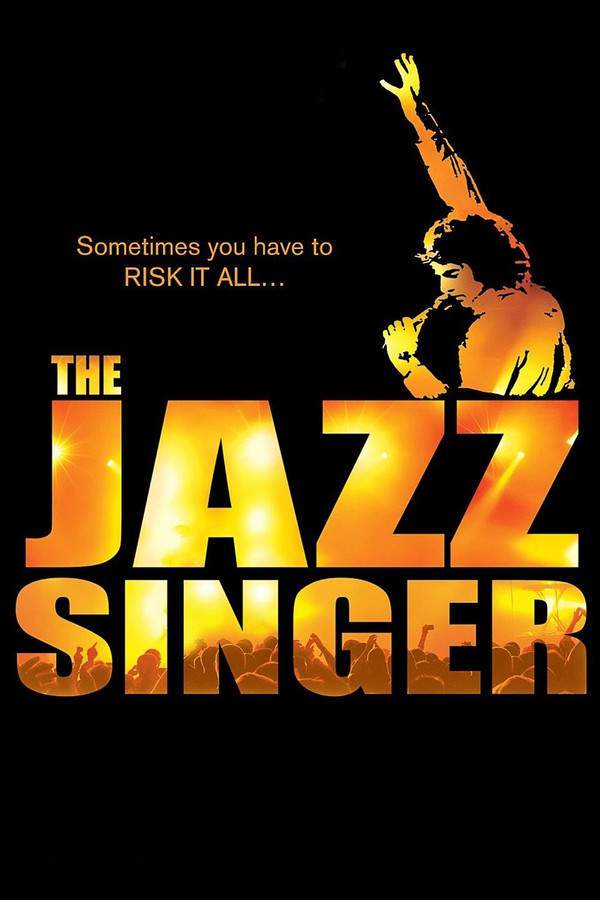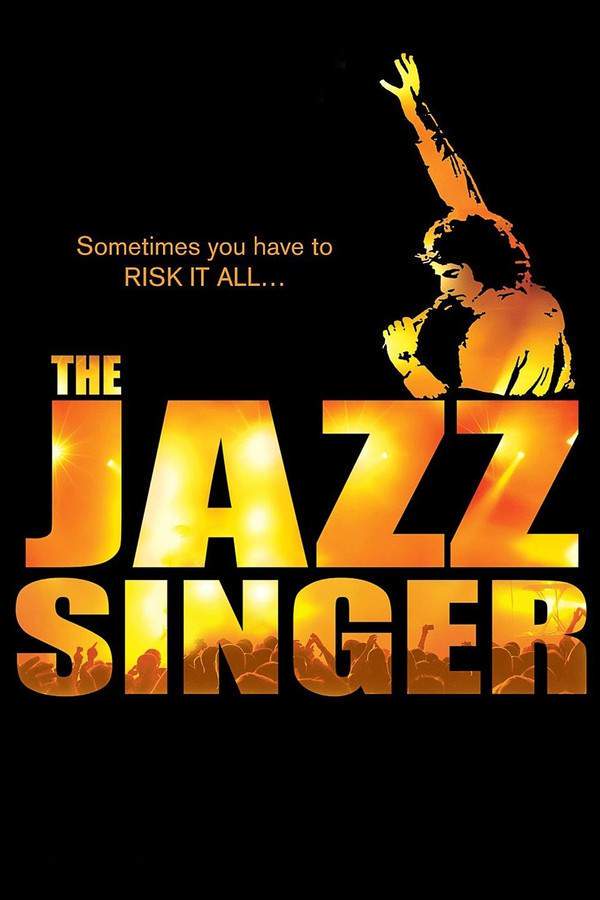
What Is The Jazz Singer About?
The premise of The Jazz Singer in 339 words, with nothing given away. The full story follows below.
In the bustling streets of Manhattan’s Lower East Side, a tight‑knit Jewish community clings to centuries‑old rituals while the city pulses with the new sounds of the twentieth‑century big‑band era. Within this lively crossroads of old and new, a young man named Jakie Rabinowitz dreams of stepping onto a stage whose lights flash to the rhythm of jazz rather than the solemn echo of synagogue chants. The film opens on the vibrant clash between a world that reveres cantorial tradition and a burgeoning entertainment scene that promises fame, freedom, and a voice that can travel beyond the walls of the family synagogue.
Cantor Rabinowitz, Jakie’s father, embodies the weight of heritage, his identity inseparable from the ancient melodies he has sung for generations. At home, Sara, his mother, offers a softer, more compassionate counterpoint, quietly sensing the pull of her son’s modern aspirations. The family’s expectations form a delicate tapestry of duty, love, and cultural pride, each thread tugged as Jakie’s yearning for a different kind of stage grows louder. The tension between reverence for the past and the lure of an uncharted future fuels an intimate, emotional drama that feels both personal and universally resonant.
Beyond the synagogue, the city’s nightclubs and cabarets glitter with opportunity. Here, the promise of a career in jazz mingles with the seductive allure of the Broadway spotlight, hinting at a world where a single voice can bridge two disparate identities. Mary Dale, an enchanting figure from the theatrical realm, represents the magnetic pull of the stage and the possibility of mentorship, suggesting that talent can be honed even as it challenges long‑held beliefs.
The story’s tone balances wistful nostalgia with the restless energy of artistic ambition, inviting viewers to linger on the quiet moments of familial affection and the exhilarating anticipation of a voice poised to break free. As the protagonist stands at the crossroads of tradition and self‑expression, the film quietly asks what it means to honor one’s roots while daring to reinvent oneself for a world that is constantly evolving.
What Happens in The Jazz Singer?
The complete story of The Jazz Singer, from the first scene to the last, in 938 words (about 4 minutes). Spoilers throughout. Names in the text link to 1 cast member page.
Spoilers ahead
Cantor Rabinowitz dreams of his son carrying on the time-honored tradition of serving as a cantor in the revered synagogue located in the Jewish ghetto of Manhattan’s Lower East Side. However, life takes an unexpected turn when thirteen-year-old Jakie Rabinowitz chooses to showcase his talent for jazz music at a local beer garden instead. This rebellious act catches the attention of Moisha Yudelson, who promptly informs Jakie’s father about his son’s performance. In a fit of anger, Jakie’s father drags him home, where the boy, terrified, clings to his mother, Sara. The father exclaims vehemently, “I’ll teach him better than to debase the voice God gave him!” In a moment of defiance, Jakie threatens, “If you whip me again, I’ll run away—and never come back!” After enduring the beating, he shares a tender goodbye kiss with his mother before fleeing, staying true to his word.
During a Yom Kippur service, a somber Rabinowitz confides to a fellow worshipper, “My son was to stand at my side and sing tonight - but now I have no son.” As the sacred Kol Nidre resonates through the synagogue, Jakie sneaks home to retrieve a cherished picture of his beloved mother, highlighting the internal conflict between duty and love.
Fast forward approximately a decade, Jakie has adopted the more mainstream name of Jack Robin. In the vibrant atmosphere of a cabaret, Jack is pulled from his table to dazzle the audience with his dynamic stage presence. He captures the attention of the charming Mary Dale, a dancer from the musical theater world. With keen insight, Mary tells Jack, “There are lots of jazz singers, but you have a tear in your voice,” and offers her assistance to help propel his burgeoning career. Under her guidance, Jack secures his major breakthrough with a leading role in the much-anticipated musical April Follies.
Back at the family home he once abandoned, a bereaved Cantor Rabinowitz is seen teaching a young student the traditional art of cantorial singing. When Jack returns in hopes of reconciling, he attempts to express his modern musical outlook. However, his father is horrified and casts him out with the scornful command, “I never want to see you again - you jazz singer!” As Jack departs, his heart heavy with love, he prophesizes, “I came home with a heart full of love, but you don’t want to understand. Some day you’ll understand, the same as Mama does.”
Tragedy strikes just two weeks after Jack’s expulsion, as his father falls gravely ill just before the open night of April Follies on Broadway. Jack faces the heartbreaking decision of whether to fulfill his duty to his family and perform the Kol Nidre in his father’s absence or attend the premiere of his show. On the eve of Yom Kippur, Yudleson informs the Jewish elders, “For the first time, we have no Cantor on the Day of Atonement.” From his sickbed, Cantor Rabinowitz confides with a frail voice to Sara, expressing his inability to fulfill the sacred tradition: “My son came to me in my dreams—he sang Kol Nidre so beautifully. If he would only sing like that tonight—surely he would be forgiven.”
As Jack preps for a dress rehearsal, slathering on blackface makeup, he and Mary discuss the compelling pressures of career versus family obligations. Just then, Sara and Yudleson arrive at Jack’s dressing room, urging him to sing in place of his ailing father. Caught in a whirlwind of emotion, Jack performs his blackface number, “Mother of Mine, I Still Have You,” which causes a flood of tears for Sara as she realizes her son has found his rightful place on stage: “Here he belongs. If God wanted him in His house, He would have kept him there. He’s not my boy anymore—he belongs to the whole world now.”
Shortly thereafter, Jack returns to the Rabinowitz home, kneeling by his father’s bedside for a heartfelt exchange: “My son—I love you.” Sara proposes that Jack’s performance at the Yom Kippur service may help rejuvenate his father’s health. Meanwhile, Mary shows up with the producer, who ominously warns Jack that failure to attend the opening night performance would ruin his career in Broadway. Jack feels trapped. Mary acidly questions, “Were you lying when you said your career came before everything?” Unsure of his ability to replace his father, Jack laments, “I haven’t sung Kol Nidre since I was a little boy.” Encouraged by his mother, she tells him, “Do what is in your heart, Jakie—if you sing and God is not in your voice—your father will know.” The producer reassures him, “You’re a jazz singer at heart!”
On opening night, the anxious audience learns the show has been canceled. Stepping into the void, Jack ultimately makes the emotional choice to sing the Kol Nidre in place of his father. From the confines of his deathbed, Cantor Rabinowitz listens to the sacred performance and utters his final words of forgiveness: “Mama, we have our son again.” The ethereal spirit of his father appears alongside him in the synagogue, as Mary watches in awe. She recognizes the profound shift within Jack, observing his reconciliation of the jazz singer and his identity as a devout son, “a jazz singer-singing to his God.”
As the seasons change and time passes, Jack emerges as The Jazz Singer, headlining the Winter Garden theater, clearly set to be the star of a show entitled Back Room. In a poignant full-circle moment, his mother and Yudleson sit in the front row, witnessing Jack—dressed in blackface—perform “My Mammy,” not only for her but for the world, a resounding testament to love, identity, and acceptance.
The Jazz Singer Timeline: Every Key Event in Order
14 key events in the order they happen, from “Jakie's Musical Aspirations” to “A New Beginning”. 12 events name a place, across 9 locations.
- 1
Jakie's Musical Aspirations
Thirteen-year-old Jakie Rabinowitz indulges in his passion for jazz music, performing in a beer garden. This act of defiance against his father's wishes catches the attention of Moisha Yudelson, leading to Jakie's father confronting him at home.
When:13 years old Where:Beer Garden
- 2
Father's Disapproval
Jakie's father, Cantor Rabinowitz, expresses his deep disappointment by whipping Jakie for debasing his voice with jazz. This punishment pushes Jakie to the brink, resulting in a pledge to run away if it happens again.
- 3
Jakie's Escape
Following the violent altercation, Jakie kisses his mother goodbye and leaves home, vowing never to return. His departure leaves a profound impact on his father's heart, as he mourns the loss of his son during the Yom Kippur service.
Where:Home
- 4
Return for Memories
As the sacred Kol Nidre is sung during Yom Kippur, a now-older Jakie sneaks back to his family home to retrieve a picture of his beloved mother. This moment reflects his lingering connection to his past despite the turmoil with his father.
Where:Family Home
- 5
Becoming Jack Robin
Years later, Jakie has transformed into Jack Robin, embracing a new identity as a performer in a cabaret. Jack captures the audience's attention with his emotional rendition, showcasing his deep love for modern music.
When:10 years later Where:Cabaret
- 6
Meeting Mary Dale
After his captivating performance, Jack meets Mary Dale, a charming dancer who recognizes his unique talent. She offers her help in advancing his career, leading Jack to a promising opportunity in musical theater.
- 7
Conflict with Father
Upon returning to his family home, Jack finds himself at odds with his father, who is outraged by his choice to pursue a career in jazz. The confrontation results in Jack being banished from the family, stating that his father will one day understand his choices.
Where:Family Home
- 8
Father's Illness
Two weeks after Jack's departure, his father's health deteriorates, creating a crisis for the Rabinowitz family. Jack is faced with a difficult decision—miss the opening night of his Broadway show or perform the Kol Nidre at Yom Kippur in his father's place.
When:24 hours before opening night Where:Family Home
- 9
Cantor's Last Wishes
In his sickbed, Cantor Rabinowitz wishes he could hear Jakie's voice one last time, longing for reconciliation. This moment highlights his emotional turmoil as he cannot perform as the family’s spiritual leader on Yom Kippur.
When:Eve of Yom Kippur Where:Father's Bedroom
- 10
Choosing Between Worlds
As Jack prepares for a critical performance, he grapples with the emotional pull of his family's expectations and the allure of his Broadway dreams. His mother, Sara, encourages him to follow his heart, reinforcing the theme of personal identity against familial ties.
Where:Theater Dressing Room
Show the other 4 events of The Jazz Singer Hide the last 4 events
- 11
Performance Sacrifice
On the opening night of 'April Follies,' Jack decides to sing the Kol Nidre in place of his father. This heartfelt decision leads to a powerful moment of connection between Jack and his family's traditions, showcasing his enduring love.
Where:Synagogue
- 12
Father's Last Words
Listening from his deathbed, Cantor Rabinowitz hears Jack's voice singing and expresses his forgiveness with tearful words. This moment signifies Jack's reconciliation with his father and his musical heritage.
Where:Father's Bedroom
- 13
Jack's Rebirth as The Jazz Singer
The story culminates with Jack performing 'My Mammy' at the Winter Garden theater, fully embracing his identity as The Jazz Singer. His mother watches proudly, realizing her son has found where he truly belongs.
Where:Winter Garden Theater
- 14
A New Beginning
As Jack performs on stage, he balances his love for jazz with an understanding of his family's beliefs. The passage of time allows healing, and Jack symbolizes the merging of cultures, fulfilling both his dreams and familial obligations.
When:Time passes Where:Theater
Who Are the Main Characters in The Jazz Singer?
3 characters, among them Jakie Rabinowitz / Jack Robin (Richard Tucker), Cantor Rabinowitz (Warner Oland) and Mary Dale (May McAvoy): who each one is and the part they play in the story. Every profile links to the actor’s page.
- JR
Jakie Rabinowitz / Jack Robin (Richard Tucker)
Played by Richard Tucker
Jakie, later known as Jack Robin, is a passionate young boy torn between his father's expectations and his love for jazz music. As he matures, his desire for personal expression leads him to embrace the modern world, challenging his family's traditional values. Jack's journey is one of self-discovery, ultimately culminating in his reconciliation with his heritage.
- 🎭 Prodigy
- 🎵 Musician
- 🏆 Performer
- CR
Cantor Rabinowitz (Warner Oland)
Played by Warner Oland
Cantor Rabinowitz is a traditionalist who embodies the values of the Jewish faith and family legacy. His stern demeanor juxtaposes with deep care for his family, particularly his son, Jakie. As the story unfolds, his unwillingness to accept modernity creates a rift with Jack, but ultimately leads to a poignant resolution around love and understanding.
- 👨🏫 Traditionalist
- ❤️ Father
- 🎼 Heritage
- MD
Mary Dale (May McAvoy)
Played by May McAvoy
Mary Dale is a lively musical theater dancer who becomes Jack's love interest and mentor. She represents the modern world and encourages Jack to embrace his talents. Through her support, Mary helps navigate the tensions between Jack's aspirations and family duties, underscoring themes of love and ambition.
- 💃 Performer
- 💖 Supportive
- 🌟 Ambitious
Where and When Is The Jazz Singer Set?
The Jazz Singer is set in Lower East Side and Manhattan (Early 20th century). Here is why the time and place matter to the story.
When
Early 20th century
The early 20th century was a period of significant cultural change in America, marked by industrialization and the emergence of new musical genres. This was also a time when Jewish immigrants were establishing their identities in America, often facing cultural conflicts between tradition and modernity. The era was characterized by a blend of old-world values and the new opportunities afforded by American society.
Where
Lower East Side, Manhattan
The Lower East Side of Manhattan is a historic neighborhood known for its rich immigrant history and cultural diversity. Once a hub for Jewish immigrants, it is recognized for its bustling streets, tenement buildings, and vibrant art scene. Today, the area retains its historical charm while integrating modern lifestyles.
- 🏙️ City
- 📍 Neighborhood
What Are the Themes of The Jazz Singer?
3 ideas the story keeps returning to, among them Identity, Family and Music.
-
01
Identity
The theme of identity is central to 'The Jazz Singer,' as Jack struggles to reconcile his Jewish heritage with his passion for jazz music. His journey highlights the conflict between familial expectations and individual dreams. The film explores the complexity of forging one's own path while honoring cultural roots.
-
02
Family
Family dynamics play a crucial role in the film, particularly the tension between Jack and his father, Cantor Rabinowitz. The narrative illustrates the painful choices that often arise within families pursuing contrasting paths, yet it ultimately leads to reconciliation and understanding. Jack's love for his family and his desire to honor his father's legacy create a poignant narrative of love and sacrifice.
-
03
Music
Music serves as a powerful vehicle for expression and cultural identity in 'The Jazz Singer.' Jazz music represents freedom and personal expression, while traditional cantorial music symbolizes familial and cultural obligations. The film's portrayal of Jack's dual musicality encapsulates the broader tension between new and old, individual desire and communal duty.
What Kind of Film Is The Jazz Singer?
Bittersweet in tone, with steady pacing and a straightforward story, going by the plot summary.
- Tone
- Bittersweet
- Pacing
- Steady
- Story
- Straightforward
- Intensity
- Medium
- Ending
- Bittersweet
A heartfelt and dramatic exploration of a son's conflict between honoring his heritage and pursuing his passion, filled with emotional tension and ultimately a bittersweet sense of reconciliation.
- dramatic
- conflicted
- nostalgic
- tender
- melancholic
- hopeful
- tradition vs modernity
- father son conflict
- artistic ambition
- religious faith
Content notes: death of a parent.
Quiz
How well do you remember The Jazz Singer? Test yourself on the story.
Where to Watch The Jazz Singer
Stream it on Artiflix and Fawesome, or rent or buy it from Amazon Video and Apple TV Store. US availability and prices from JustWatch.
Stream 9
 Artiflix
  Fawesome
  Filmzie
  JustWatch TV
  Kanopy
  Plex
Plex  Plex Channel
  Public Domain Movies
  Tubi TV




Streaming availability in the US, powered by