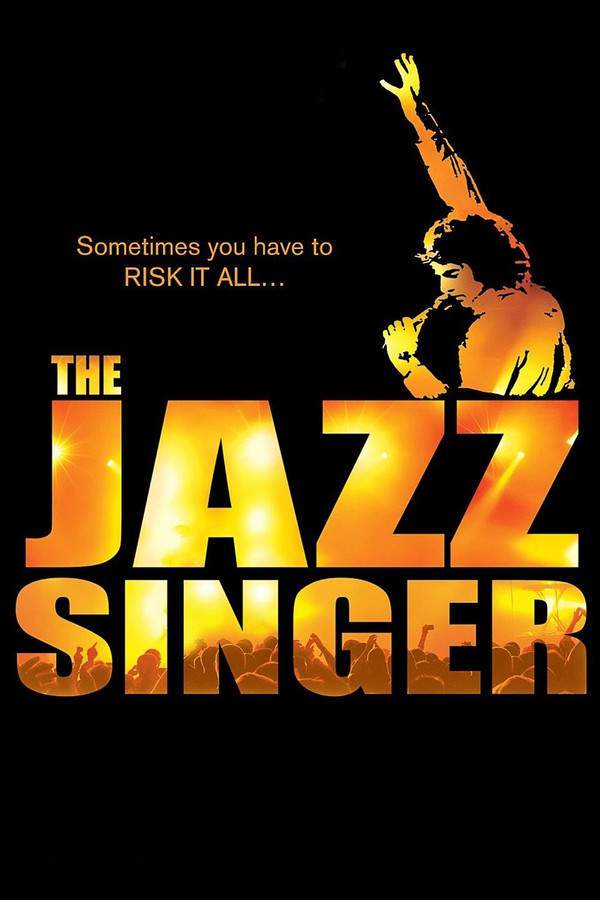
The Jazz Singer 1927


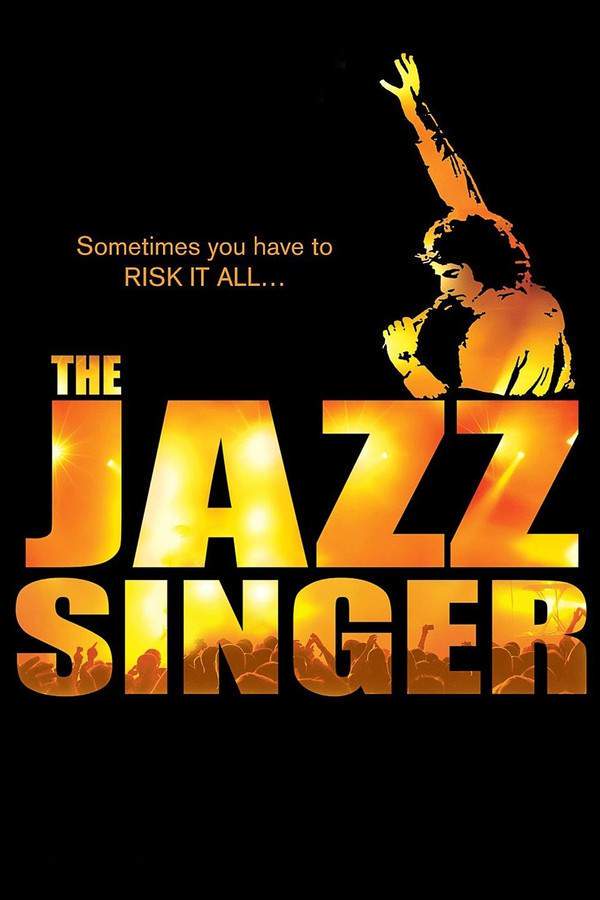
A young performer defies his family’s wishes to pursue a career as a jazz singer, a path that clashes with their traditional Jewish values. Torn between his artistic ambitions and his heritage, he struggles to find a balance between honoring his family’s expectations and embracing his modern aspirations. The conflict between tradition and individuality creates a powerful drama as he seeks to reconcile his identity and find his place in a changing world.


Does The Jazz Singer have end credit scenes?
No!
The Jazz Singer does not have end credit scenes. You can leave when the credits roll.
Where to Watch The Jazz Singer
See current US streaming, rental, and purchase options for The Jazz Singer (1927) via JustWatch.

Artiflix
4K
Fawesome
HD
JustWatch TV
HD
Kanopy
HD
Public Domain Movies
SD
Filmzie
HD
Plex
HD
Plex Channel
HD
Tubi TV
SD
Amazon Video
HD
Apple TV Store
HD
Fandango At Home
HD
Google Play Movies
SD
YouTube
SD Streaming availability powered by 
Meet the Full Cast and Actors of The Jazz Singer
Explore the complete cast of The Jazz Singer, including both lead and supporting actors. Learn who plays each character, discover their past roles and achievements, and find out what makes this ensemble cast stand out in the world of film and television.

External Links and Streaming Options
Discover where to watch The Jazz Singer online, including streaming platforms, rental options, and official sources. Compare reviews, ratings, and in-depth movie information across sites like IMDb, TMDb, Wikipedia or Rotten Tomatoes.









Ratings and Reviews for The Jazz Singer
See how The Jazz Singer is rated across major platforms like IMDb, Metacritic, and TMDb. Compare audience scores and critic reviews to understand where The Jazz Singer stands among top-rated movies in its genre.

66
Metascore
5.7
User Score
Take the Ultimate The Jazz Singer Movie Quiz
Challenge your knowledge of The Jazz Singer with this fun and interactive movie quiz. Test yourself on key plot points, iconic characters, hidden details, and memorable moments to see how well you really know the film.
The Jazz Singer Quiz: Test your knowledge about the classic film 'The Jazz Singer' and its themes of identity, love, and duty.
What is the main conflict that Jakie Rabinowitz faces in the film?
Awards & Nominations for The Jazz Singer
Discover all the awards and nominations received by The Jazz Singer, from Oscars to film festival honors. Learn how The Jazz Singer and its cast and crew have been recognized by critics and the industry alike.
Full Plot Summary and Ending Explained for The Jazz Singer
Read the complete plot summary of The Jazz Singer, including all major events, twists, and the full ending explained in detail. Explore key characters, themes, hidden meanings, and everything you need to understand the story from beginning to end.
Cantor Rabinowitz dreams of his son carrying on the time-honored tradition of serving as a cantor in the revered synagogue located in the Jewish ghetto of Manhattan’s Lower East Side. However, life takes an unexpected turn when thirteen-year-old Jakie Rabinowitz chooses to showcase his talent for jazz music at a local beer garden instead. This rebellious act catches the attention of Moisha Yudelson, who promptly informs Jakie’s father about his son’s performance. In a fit of anger, Jakie’s father drags him home, where the boy, terrified, clings to his mother, Sara. The father exclaims vehemently, “I’ll teach him better than to debase the voice God gave him!” In a moment of defiance, Jakie threatens, “If you whip me again, I’ll run away—and never come back!” After enduring the beating, he shares a tender goodbye kiss with his mother before fleeing, staying true to his word.
During a Yom Kippur service, a somber Rabinowitz confides to a fellow worshipper, “My son was to stand at my side and sing tonight - but now I have no son.” As the sacred Kol Nidre resonates through the synagogue, Jakie sneaks home to retrieve a cherished picture of his beloved mother, highlighting the internal conflict between duty and love.
Fast forward approximately a decade, Jakie has adopted the more mainstream name of Jack Robin. In the vibrant atmosphere of a cabaret, Jack is pulled from his table to dazzle the audience with his dynamic stage presence. He captures the attention of the charming Mary Dale, a dancer from the musical theater world. With keen insight, Mary tells Jack, “There are lots of jazz singers, but you have a tear in your voice,” and offers her assistance to help propel his burgeoning career. Under her guidance, Jack secures his major breakthrough with a leading role in the much-anticipated musical April Follies.
Back at the family home he once abandoned, a bereaved Cantor Rabinowitz is seen teaching a young student the traditional art of cantorial singing. When Jack returns in hopes of reconciling, he attempts to express his modern musical outlook. However, his father is horrified and casts him out with the scornful command, “I never want to see you again - you jazz singer!” As Jack departs, his heart heavy with love, he prophesizes, “I came home with a heart full of love, but you don’t want to understand. Some day you’ll understand, the same as Mama does.”
Tragedy strikes just two weeks after Jack’s expulsion, as his father falls gravely ill just before the open night of April Follies on Broadway. Jack faces the heartbreaking decision of whether to fulfill his duty to his family and perform the Kol Nidre in his father’s absence or attend the premiere of his show. On the eve of Yom Kippur, Yudleson informs the Jewish elders, “For the first time, we have no Cantor on the Day of Atonement.” From his sickbed, Cantor Rabinowitz confides with a frail voice to Sara, expressing his inability to fulfill the sacred tradition: “My son came to me in my dreams—he sang Kol Nidre so beautifully. If he would only sing like that tonight—surely he would be forgiven.”
As Jack preps for a dress rehearsal, slathering on blackface makeup, he and Mary discuss the compelling pressures of career versus family obligations. Just then, Sara and Yudleson arrive at Jack’s dressing room, urging him to sing in place of his ailing father. Caught in a whirlwind of emotion, Jack performs his blackface number, “Mother of Mine, I Still Have You,” which causes a flood of tears for Sara as she realizes her son has found his rightful place on stage: “Here he belongs. If God wanted him in His house, He would have kept him there. He’s not my boy anymore—he belongs to the whole world now.”
Shortly thereafter, Jack returns to the Rabinowitz home, kneeling by his father’s bedside for a heartfelt exchange: “My son—I love you.” Sara proposes that Jack’s performance at the Yom Kippur service may help rejuvenate his father’s health. Meanwhile, Mary shows up with the producer, who ominously warns Jack that failure to attend the opening night performance would ruin his career in Broadway. Jack feels trapped. Mary acidly questions, “Were you lying when you said your career came before everything?” Unsure of his ability to replace his father, Jack laments, “I haven’t sung Kol Nidre since I was a little boy.” Encouraged by his mother, she tells him, “Do what is in your heart, Jakie—if you sing and God is not in your voice—your father will know.” The producer reassures him, “You’re a jazz singer at heart!”
On opening night, the anxious audience learns the show has been canceled. Stepping into the void, Jack ultimately makes the emotional choice to sing the Kol Nidre in place of his father. From the confines of his deathbed, Cantor Rabinowitz listens to the sacred performance and utters his final words of forgiveness: “Mama, we have our son again.” The ethereal spirit of his father appears alongside him in the synagogue, as Mary watches in awe. She recognizes the profound shift within Jack, observing his reconciliation of the jazz singer and his identity as a devout son, “a jazz singer-singing to his God.”
As the seasons change and time passes, Jack emerges as The Jazz Singer, headlining the Winter Garden theater, clearly set to be the star of a show entitled Back Room. In a poignant full-circle moment, his mother and Yudleson sit in the front row, witnessing Jack—dressed in blackface—perform “My Mammy,” not only for her but for the world, a resounding testament to love, identity, and acceptance.

Coming soon on iOS and Android
The Plot Explained Mobile App
From blockbusters to hidden gems — dive into movie stories anytime, anywhere. Save your favorites, discover plots faster, and never miss a twist again.
Sign up to be the first to know when we launch. Your email stays private — always.
Explore the mobile appWatch Trailers, Clips & Behind-the-Scenes for The Jazz Singer
Watch official trailers, exclusive clips, cast interviews, and behind-the-scenes footage from The Jazz Singer. Dive deeper into the making of the film, its standout moments, and key production insights.
The Jazz Singer Themes and Keywords
Discover the central themes, ideas, and keywords that define the movie’s story, tone, and message. Analyze the film’s deeper meanings, genre influences, and recurring concepts.
The Jazz Singer Other Names and Titles
Explore the various alternative titles, translations, and other names used for The Jazz Singer across different regions and languages. Understand how the film is marketed and recognized worldwide.
Articles, Reviews & Explainers About The Jazz Singer
Stay updated on The Jazz Singer with in-depth articles, critical reviews, and ending explainers. Explore hidden meanings, major themes, and expert insights into the film’s story and impact.






Similar Movies To The Jazz Singer You Should Know About
Browse a curated list of movies similar in genre, tone, characters, or story structure. Discover new titles like the one you're watching, perfect for fans of related plots, vibes, or cinematic styles.





Quick Links: Summary, Cast, Ratings, More

What's After the Movie?
Not sure whether to stay after the credits? Find out!
Check out our other apps:

SAT Sphere
Build confidence for the Digital SAT.

Mori Atlas
Discover wild places worth protecting.

Luntero
Search smarter for a home in Amsterdam.

Plot Explained
Unravel movie endings and hidden clues.

Pokechamp
Dive into Pokémon data and battle logic.

Driving Theory
Get ready for your European theory test.

Movie Dust
Plan your next cinema trip with ease.

Musemap
Find art and culture as you travel.

Selkobase
Compare credentials before committing.

Local Manual
Turn an unfamiliar country into practical next steps.

Lernavi
Compare school systems before your next move.

GymRoam
Find a workout stop wherever your plans take you.
Explore Our Movie Platform
New Movie Releases (2026)
Famous Movie Actors
Top Film Production Studios
Movie Plot Summaries & Endings
Major Movie Awards & Winners
Best Concert Films & Music Documentaries
Movie Collections and Curated Lists
© 2026 What's After the Movie. All rights reserved.
Privacy Policy