
New York, New York 1977

Directed by
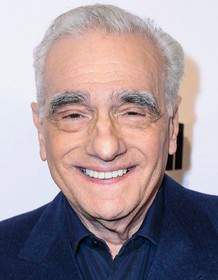
Martin Scorsese
Made by

United Artists
New York, New York Plot Summary
Read the complete plot summary and ending explained for New York, New York (1977). From turning points to emotional moments, uncover what really happened and why it matters.
On V-J Day, August 1945, as a parade celebrating the end of World War II takes over New York City, Robert De Niro portrays Jimmy Doyle, a young ex-soldier eager to celebrate his freedom and newfound peace. Like many of his comrades returning home, Jimmy joins the lively festivities at the Rainbow Room, where the atmosphere is filled with joy and hope. During this celebration, he spots a woman sitting alone and, despite her clear discomfort with his persistence, he attempts to charm her. That woman is Francine Evans, played by Liza Minnelli, a talented singer with a strong personality. She quickly becomes annoyed by Jimmy’s refusal to take no for an answer, and it takes quite a while for her to finally fend him off.
In a twist of events, Francine’s close friend Ellen Flannery has been picked up by Jimmy’s fellow soldier Eddie Di Muzio, creating a complicated web of new relationships. That night, Ellen and Eddie borrow Jimmy’s hotel room, leaving behind a scene that will foreshadow future tensions. The next morning, when Francine seeks to find out what happened to her friend, she encounters Jimmy in the hotel lobby, where he is being evicted for unpaid bills. Remarkably, Jimmy jumps into Francine’s taxi, insisting she accompany him to the Palm Club, where he is auditioning for a job as a tenor saxophonist.
Initially, the club owner shows no interest in Jimmy until Francine joins in with her voice, singing along to Jimmy’s saxophone performance. Impressed by her singing, the owner offers both of them jobs at the club, which marks the beginning of their shared journey in the vibrant world of jazz. As they travel back to her hotel, they share passionate kisses, and Francine promises to meet him the next day. However, she soon learns that she has secured a new gig as the lead female singer with Frankie Harte’s band, managed by her ambitious agent Tony Harwell, played by [Lionel Stander].
Jimmy, upset but determined, leaves his job at the Palm Club and pursues Francine, professing his love to her. To stay close, Jimmy joins Frankie’s band, but he quickly becomes frustrated with the bandleader’s rigid rules and unwillingness to let Jimmy perform his more innovative, progressive music. Meanwhile, Jimmy is deeply touched when Francine writes poetry about him. He, in turn, writes a song for her, and their romantic connection deepens. Passionate about their relationship, Jimmy drags Francine to the justice of the peace to marry her—initially avoiding proposing, but eventually kneeling in the snow, convincing her she’s the one he wants to spend his life with.
The early months of 1946 see Jimmy taking over as bandleader after Frankie Harte’s retirement. However, he struggles to secure bookings, especially until Francine is made the star attraction of the band, which creates some tension. Jimmy begins to feel overshadowed and resentful, especially when Francine tries to guide the band members on how to play. The situation worsens when Francine, pregnant with Jimmy’s child, plans to return to New York for the birth. Jimmy’s frustration boils over, and he becomes angry at her decision.
Following her departure, Jimmy hires a new lead singer, Bernice Bennett, with whom he has a brief affair. As financial difficulties hit the band, Jimmy leaves to find Francine, who is now back in New York. They reunite briefly, but their relationship is strained when Jimmy starts playing nights at the Harlem Club, and Francine longs for his attention. Their struggles lead to arguments, and during a night at the Up Club, Jimmy, intoxicated and upset, causes a scene that highlights the growing distance between them.
Later, their lives take contrasting paths. Francine becomes a major star, known across stage, screen, and record charts, while Jimmy owns his own nightclub, the Major Chord, and is proud of his success, especially the iconic instrumental “New York, New York,” which he wrote for Francine. Despite their separate successes, memories of their relationship remain. Jimmy attends Francine’s performances and shares moments with their young son, Jimmy Doyle Jr., at a backstage party. Their love and complex history seem never fully resolved, and Jimmy quietly walks away as Francine prepares to return to her career, leaving him alone with a bittersweet smile.
New York, New York Timeline
Follow the complete movie timeline of New York, New York (1977) with every major event in chronological order. Great for understanding complex plots and story progression.
V-J Day Celebration in New York City
In September 1945, the film opens with Jimmy Doyle celebrating V-J Day at the Rainbow Room, marking the end of World War II. Ex-soldiers like Jimmy join the festivities, highlighting the joyful atmosphere of victory. Jimmy's attempt to pick up women showcases his carefree post-war attitude.
Jimmy Interacts with Francine
Jimmy notices Francine Evans, a singer, sitting alone at the celebration. He makes a persistent romantic advance, despite her annoyance at his refusal to take no for an answer. Their initial encounter sets up the romantic tension between the two characters.
Jimmy Gets Evicted from Hotel
The next morning, Jimmy is found being evicted from his hotel for unpaid bills. Coincidentally, Francine's friend Ellen, who was borrowed for the night, is involved in the aftermath. Jimmy then jumps into Francine's taxi, insisting she accompany him to the Palm Club.
Audition at the Palm Club
Jimmy attempts to audition as a tenor saxophonist at the Palm Club. Francine sings along to his music, impressing the owner, who then offers both Jimmy and Francine jobs at the club. This marks the beginning of their professional collaboration and romance.
Francine Leaves for Tour
Francine is offered a new job as the lead singer of Frankie Harte's band, and she departs for a tour, leaving Jimmy heartbroken. He shows up at her hotel, expressing his love and trying to convince her to stay, but she is committed to her new opportunity.
Jimmy Joins Harte's Band
Jimmy leaves his solo gig to join Frankie Harte's band in hopes of staying close to Francine. However, he becomes frustrated by Harte's refusal to let him perform his own, more modern music, leading to tension in his professional life.
Marriage to Francine
Jimmy, touched by Francine's poetry about him, drags her to marry him in a spontaneous wedding after she is annoyed by his lack of proposal. Their union shows their deepening emotional connection despite the chaos in their careers.
Career Struggles and Parenthood
In early 1946, Jimmy takes over the band after Frankie Harte retires, but faces difficulties booking gigs. Francine becomes pregnant and plans to have the baby in New York, causing tension as Jimmy feels overwhelmed and frustrated by their changing lives.
Jimmy's Infidelity and Reconnection
Jimmy hires a lesser singer, Bernice Bennett, with whom he briefly has an affair. He leaves to find Francine, and they reunite, but their relationship is strained by his new nights at the Harlem Club and their ongoing disagreements.
Francine's Recording Contract and Argument
Columbia producer Artie Kirks offers Francine a recording opportunity, stirring Jimmy's jealousy. An intense argument ensues, climaxing with them fighting in the car and Francine going into labor, which makes Jimmy realize the seriousness of their situation.
Birth of Their Child
Franecine gives birth to their son, Jimmy Jr., at the hospital after a heated argument. Both are overwhelmed with emotion, reaffirming their love for each other amidst the chaos of their personal life.
Years Later: Francine's Stardom
Several years later, Francine becomes a successful stage, screen, and recording star. Jimmy owns a nightclub named the Major Chord, and his famous instrumental 'New York, New York' becomes a hit, symbolizing his success and their ongoing intertwined lives.
Reunion and Parting
Jimmy sees Francine perform and meets her backstage, where their young son is present. They share a moment of connection, but ultimately she chooses to return to her career and her party, leaving Jimmy alone, reflecting on their complicated relationship.
New York, New York Characters
Explore all characters from New York, New York (1977). Get detailed profiles with their roles, arcs, and key relationships explained.
Jimmy Doyle (Robert De Niro)
Jimmy is a passionate and ambitious jazz musician who struggles with ego, jealousy, and the desire for artistic recognition. His emotional volatility and love for Francine propel the story’s conflicts. Despite his flaws, he demonstrates deep affection for his family and a talent for songwriting.
Francine Evans (Lisa Minnelli)
Francine is a talented singer and actress who evolves from a troubled romantic interest to a star in her own right. She values independence and success but remains emotionally impacted by her relationship with Jimmy. Her growth highlights themes of fame, resilience, and personal fulfillment.
Eddie Di Muzio (Frank Sivera)
Eddie is Jimmy’s fellow soldier and casual love interest for Ellen. His presence represents the camaraderie and fleeting romances typical of post-war social scenes. He provides a contrast to Jimmy’s more intense and emotional personality.
New York, New York Settings
Learn where and when New York, New York (1977) takes place. Explore the film’s settings, era, and how they shape the narrative.
Time period
September 1945 to early 1950s
The story spans from the immediate post-World War II period in September 1945 through the early years of the late 1940s and early 1950s. This era was marked by a post-war cultural boom, jazz and swing music's popularity, and the rise of new entertainment opportunities. It was a time of adjustment for returning veterans and a burgeoning jazz and recording industry.
Location
New York City
The movie is set primarily in New York City, a bustling metropolis known for its vibrant arts, music, and entertainment industries. The city’s iconic locations, such as the Rainbow Room, the Palm Club, and Harlem, serve as key backdrops for the characters' lives and careers. New York's lively nightlife and cultural diversity play a crucial role in shaping the story’s atmosphere.
New York, New York Themes
Discover the main themes in New York, New York (1977). Analyze the deeper meanings, emotional layers, and social commentary behind the film.
🎷
Music & Love
The movie explores the themes of romance intertwined with the pursuit of musical dreams. The characters' relationships are deeply connected to their careers in jazz and entertainment. Music acts as both a symbol of their passion and a catalyst for their emotional journeys, highlighting the romantic and artistic struggles they face.
💔
Jealousy & Conflict
Jealousy and personal conflicts drive much of the movie’s drama. Jimmy’s insecurities and possessiveness threaten his relationship with Francine, leading to arguments and heartbreak. The film captures the intense emotions and sacrifices involved in ambition, love, and fame during this chaotic but hopeful era.

Coming soon on iOS and Android
The Plot Explained Mobile App
From blockbusters to hidden gems — dive into movie stories anytime, anywhere. Save your favorites, discover plots faster, and never miss a twist again.
Sign up to be the first to know when we launch. Your email stays private — always.
Explore the mobile appNew York, New York Spoiler-Free Summary
Discover the spoiler-free summary of New York, New York (1977). Get a concise overview without any spoilers.
In the glittering aftermath of World War II, New York City pulses with restless energy, its streets echoing the rise of a new cultural rhythm. The film opens on a city rebuilding itself—a place where neon signs flicker over jazz clubs, and the promise of fame feels as tangible as the skyscraper shadows that stretch across the waterfront. Against this backdrop, a young concierge dreams of trading the hotel lobby for the smoky stage, his aspirations mirroring the city’s own hunger for reinvention.
Jimmy Doyle is a charismatic yet uncertain figure, a former soldier whose post‑war life is defined by a yearning to be heard. He navigates the labyrinthine world of Manhattan’s nightspots, where every barroom piano and saxophone solo hints at a possible breakthrough. His journey is as much about discovering his own voice as it is about confronting the realities of a metropolis that dazzles and intimidates in equal measure.
Francine Evans is a magnetic singer whose talent shines brighter than the marquee lights that herald her performances. Her presence commands the room, and her ambitions are as bold as the city’s skyline. The chemistry between her and Jimmy crackles with the promise of partnership, yet both are pulled by competing desires—to be the star, to be recognized, to belong in a scene that celebrates both individuality and collaboration.
Together they embody the vibrant tension of a city in flux: romance intertwined with ambition, love tested by the relentless pursuit of success. The tone balances lush, wistful nostalgia with the sharp edge of a world demanding sacrifice, inviting the audience to feel the intoxicating allure of a place where every note played could be a step toward destiny or a stumble into heartbreak.
Movies with Similar Twists and Themes
Uncover films that echo the narrative beats, emotional arcs, or dramatic twists of the one you're exploring. These recommendations are handpicked based on story depth, thematic resonance, and spoiler-worthy moments — perfect for fans who crave more of the same intrigue.
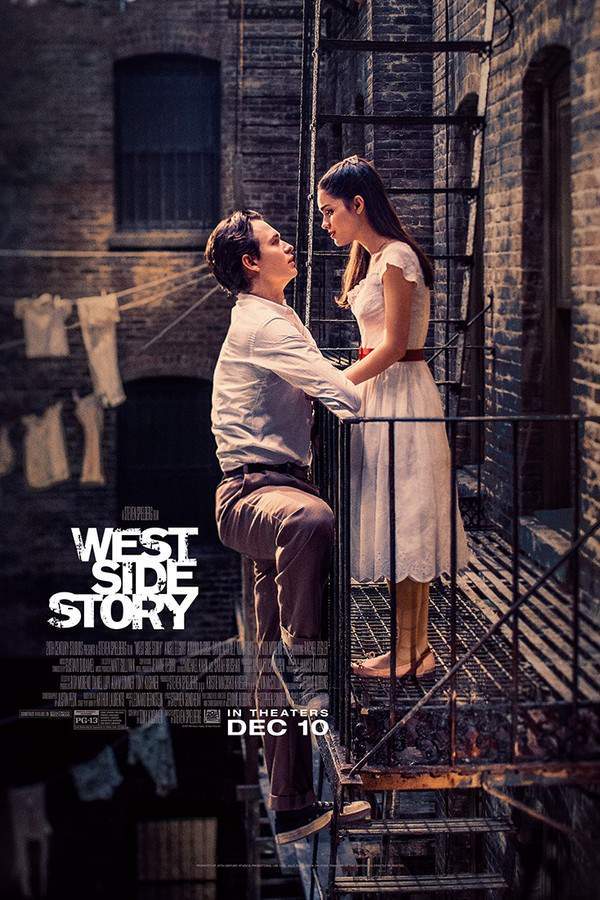
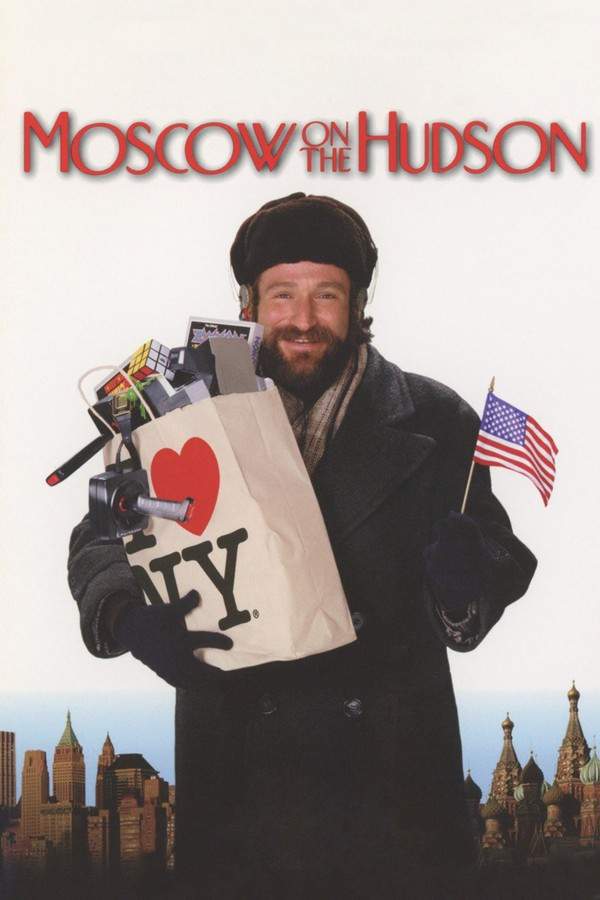

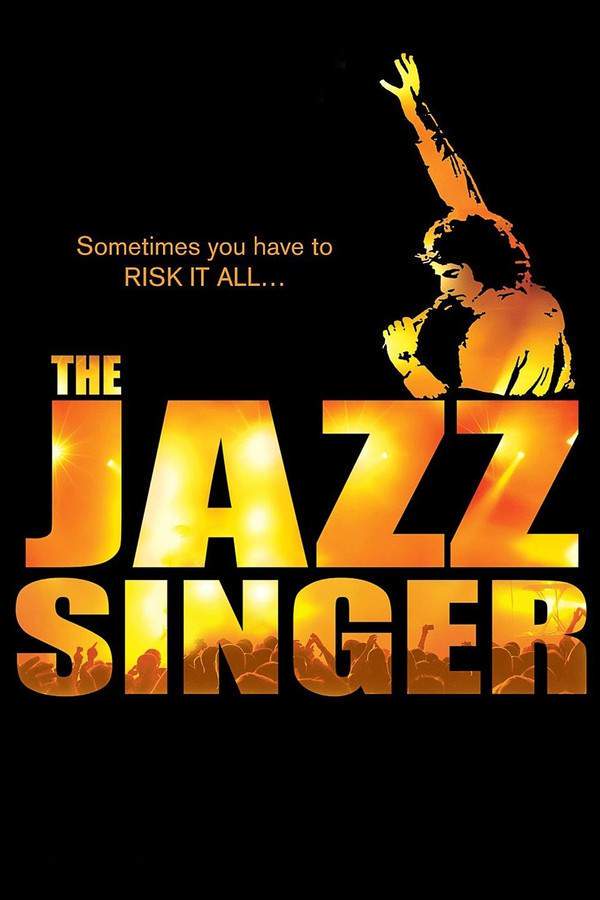


Featured on this page

What's After the Movie?
Not sure whether to stay after the credits? Find out!
Check out our other apps:

SAT Sphere
Build confidence for the Digital SAT.

Mori Atlas
Discover wild places worth protecting.

Luntero
Search smarter for a home in Amsterdam.

Plot Explained
Unravel movie endings and hidden clues.

Pokechamp
Dive into Pokémon data and battle logic.

Driving Theory
Get ready for your European theory test.

Movie Dust
Plan your next cinema trip with ease.

Musemap
Find art and culture as you travel.

Selkobase
Compare credentials before committing.

Local Manual
Turn an unfamiliar country into practical next steps.

Lernavi
Compare school systems before your next move.

GymRoam
Find a workout stop wherever your plans take you.
Explore Our Movie Platform
New Movie Releases (2026)
Famous Movie Actors
Top Film Production Studios
Movie Plot Summaries & Endings
Major Movie Awards & Winners
Best Concert Films & Music Documentaries
Movie Collections and Curated Lists
© 2026 What's After the Movie. All rights reserved.
Privacy Policy