What Is The Happy Ending About?
The premise of The Happy Ending in 314 words, with nothing given away. The full story follows below.
In a world where marriage is treated as a $30 billion industry, the film opens on the picture‑perfect lives of Mary Spencer and Fred Wilson, a couple whose romance once seemed lifted straight from the glossy pages of a magazine. Set against the serene backdrop of Colorado’s mountains, their early years unfold with the quiet confidence of a fairy‑tale promise they both cherish, while the surrounding society subtly pressures them to fit a conventional ideal of happiness and stability.
As the years stretch on, the veneer of their idyllic union begins to show signs of strain. Fred, a diligent tax consultant, and Mary, a former college student who set aside her aspirations for love, find themselves navigating the increasingly complex expectations of a marriage that feels more like a commercial contract than a personal vow. Their relationship is colored by unspoken doubts, the lingering echo of past choices, and the silent crush of routine that threatens to smother the spark that once drew them together.
Seeking a moment of clarity, Mary decides to step away from the familiar confines of her Colorado home and flies to the sun‑kissed shores of the Bahamas. The island’s breezy freedom offers a stark contrast to the structured life she has known, inviting her to reflect on the years that have passed and the ways in which the once‑cherished promise has begun to dissolve. Along the way, she reconnects with an old college friend, a free‑spirited figure who embodies a different kind of independence, hinting at the divergent paths that lie ahead.
The tone of the story is contemplative and gently bittersweet, blending the warm hues of nostalgia with the cool undercurrents of uncertainty. It invites the audience to consider how love, ambition, and societal expectation intertwine, leaving Mary and Fred poised at a crossroads where the question of whether a “happy ending” is truly attainable remains tantalizingly open.
What Happens in The Happy Ending?
The complete story of The Happy Ending, from the first scene to the last, in 696 words (about 3 minutes). Spoilers throughout. Names in the text link to 3 cast member pages.
Spoilers ahead
Mary Spencer and Fred Wilson lead a life that feels drawn from the pages of a glossy magazine, set against the quiet beauty of Colorado. Mary Spencer leaves college just short of her degree to marry Fred Wilson, and the couple’s wedding is presented as the kind of happy ending Mary has always loved in the films she adores. Their early years appear idyllic, with a sense of order and contentment that seems to seal their future together.
Fast forward to 1969, and the couple’s 16th wedding anniversary brings its own storm clouds. Fred, a successful tax consultant, hints to Agnes the maid that he has found vodka hidden in Mary’s wardrobe, asking her to watch the situation closely. Mary quietly contemplates escape as she heads to the beauty parlor, then purchases a one-way ticket to Nassau, Bahamas, seeking a break from a life that feels increasingly dull and confining. On the plane, she revisits the memory of last year’s anniversary party—a moment when Fred’s wandering eye toward a blonde divorcee had shaken their family. The memory rides alongside her through the journey, punctuated by a call home that reveals this year’s party has gone in a different direction. Their teenage daughter Marge Wilson is frightened by Mary’s voice on the line, a reminder of the time she found her mother unconscious after an overdose. Marge Wilson becomes part of the weight the past bears on the present.
In Nassau, Mary encounters Flo Harrigan, an old college friend who never settled down and now moves through a life of freedom, controversy, and intrigue. Flo has spent years as the mistress of married men, living boldly and embracing the sexual revolution, and she is traveling to Nassau to meet her latest companion. Mary confides that she had to get away from Fred, and Flo vows to keep an eye on her, offering companionship and a path away from the life she’s known. Flo’s presence contrasts sharply with Mary’s memories of the more orderly life she once pursued, and the Bahamas offer sun-soaked space where Mary can think about what comes next.
On the casino floor, Mary meets Franco, a hustler from Los Angeles who, convinced she is wealthy, crafts an Italian-flavored persona and poses as a journalist who writes about film stars. Mary agrees to accompany him to his boat, only for Franco to realize Mary isn’t rich and to abandon the ruse, his interest quickly evaporating once the façade is exposed.
As the narrative returns to the present, the film revisits the darker moment when Mary’s attempted escape from despair nearly ended in tragedy. She had come home from a facelift to find Fred in Reno with another woman, and Marge had rushed her mother to the hospital when danger loomed. That long-ago night of danger and the subsequent years of heavy drinking and reckless spending leave their mark on Mary’s psyche, and her car crash during a drunk driving episode is a chilling reminder of how close she came to losing everything.
Sam proposes to Flo, and she accepts, hinting at a future that might offer stability or merely another kind of risk. Mary finally returns home, where Agnes helps her find a new place to live away from Fred and Marge. She takes a job and enrolls in night classes at the university, beginning a new chapter in her life. It’s at the college where Fred finds Mary one evening, and a charged exchange unfolds as he asks a stark question:
What went wrong? All our friends are married, and they’re happy…or seem to be. Alright, they put up with it. But without marriage, life would be disorganized, crazy.
Mary’s reply is measured and unresolved: > People in love are crazy. They tell each other they still love one another, but “it’s not enough,” she says. As Fred walks her toward the university entrance, he asks the final question, “If we were not married, would you marry me again?” The moment lingers in the air with the weight of years of shared history and unspoken possibilities, leaving their future open and uneasy, even as the couple faces the truth of their love and its limits.
The Happy Ending Timeline: Every Key Event in Order
12 key events in the order they happen, from “Mary and Fred marry in Colorado” to “The unresolved question”. 12 events name a place, across 7 locations.
- 1
Mary and Fred marry in Colorado
In 1953, Mary Spencer leaves college to marry Fred Wilson, beginning an idyllic life together. Their wedding mirrors the hopeful endings of the films Mary loves, and they settle into a conventional suburban routine.
When:1953 (autumn–winter) Where:Colorado
- 2
A stable, idealized married life
Mary and Fred's relationship seems content, with Mary putting aside her ambitions to support a domestic life. They enjoy the quiet rhythms of a happy marriage as years pass in the background.
When:1953–1969 Where:Colorado
- 3
16th anniversary exposes cracks
On their 16th anniversary, Fred tells their maid Agnes that he found vodka hidden in Mary's wardrobe and asks her to keep an eye on his wife. Mary decides she cannot bear the life any longer and buys a one-way ticket to Nassau, seeking escape.
When:1969 Where:Colorado
- 4
Flight to Nassau; reflections on the party
During the flight to Nassau, Mary recalls the horrors of last year's anniversary party, when Fred drunkenly flirted with a blonde divorcee and she turned to alcohol in despair. The memory fuels her determination to start over in the Bahamas.
When:1969 Where:In transit to Nassau
- 5
Reunion with Flo in Nassau
In Nassau, Mary unexpectedly meets Flo, an old college friend who has lived a carefree, hedonistic life with a string of lovers. Flo promises to look after Mary as she hides from Fred.
When:1969 Where:Nassau, Bahamas
- 6
Franco the hustler and the casino
At a casino, Mary meets Franco, a hustler who pretends to be wealthy and a journalist covering film stars. He assumes Mary is rich and schemes accordingly, but loses interest when he discovers she is not.
When:1969 Where:Nassau, Bahamas
- 7
The Reno memory and Mary's past
Walking by the ocean, Mary recalls the time she learned Fred was in Reno with another woman and her subsequent suicide attempt. The memory touches off a spiral of drinking and reckless behavior that followed.
When:1969 (memory) Where:Nassau
- 8
Flo's engagement and Mary's return
In the present, Sam proposes to Flo, who accepts. Mary then flies back home, stepping back into her life with Fred and Marge while beginning to plan a new life.
When:1969 Where:Nassau to Colorado
- 9
Agnes helps Mary move into new rooms
Agnes helps Mary move into rooms she rents away from Fred and Marge, signaling a separation and new independence. Mary begins to reassemble her life apart from her husband.
When:1969–1970 Where:Colorado
- 10
Starting over: work and night classes
She takes a job and enrolls in night classes at the university. This marks the start of her renewed independence and a search for personal identity.
When:1969–1970 Where:Colorado
- 11
Fred discovers Mary at the university
One evening Fred finds Mary on campus and asks what went wrong, noting that their friends are married and seem happy, while their own life feels unsettled. The moment triggers a painful, honest conversation.
When:1969–1970 Where:University campus
- 12
The unresolved question
They admit they still love each other, but Mary argues that love alone isn't enough to sustain a marriage. As they walk toward the university entrance, she asks if they would marry again if they weren't married, and Fred's lack of a clear answer leaves their future uncertain.
When:Evening, present day Where:University entrance
Who Are the Main Characters in The Happy Ending?
7 characters, among them Mary Wilson (Jean Simmons), Fred Wilson (John Forsythe) and Flo Harrigan (Shirley Jones): who each one is and the part they play in the story. Every profile links to the actor’s page.
-
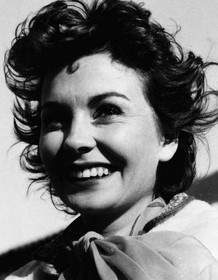
Mary Wilson (Jean Simmons)
Played by Jean Simmons
Mary begins as an optimistic wife who leaves college to marry Fred, seeking security in domestic life. By 1969 she feels trapped in suburbia, turns to alcohol, and plans an escape to Nassau. Her past overdose and suicide attempt reveal deep vulnerability, while her pursuit of education and independence signals a fight for self-definition.
- 🎭 Protagonist
- 🧠 Complex
-
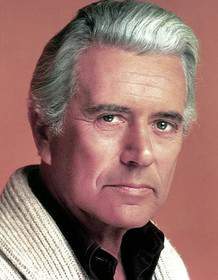
Fred Wilson (John Forsythe)
Played by John Forsythe
A successful tax consultant, Fred embodies the conventional, stable partner Mary initially seeks. As Mary spirits away and attempts to redefine herself, Fred's responses reveal ambiguity and unresolved tensions about love, marriage, and lasting happiness.
- 🎭 Drama
- 💼 Professional
-
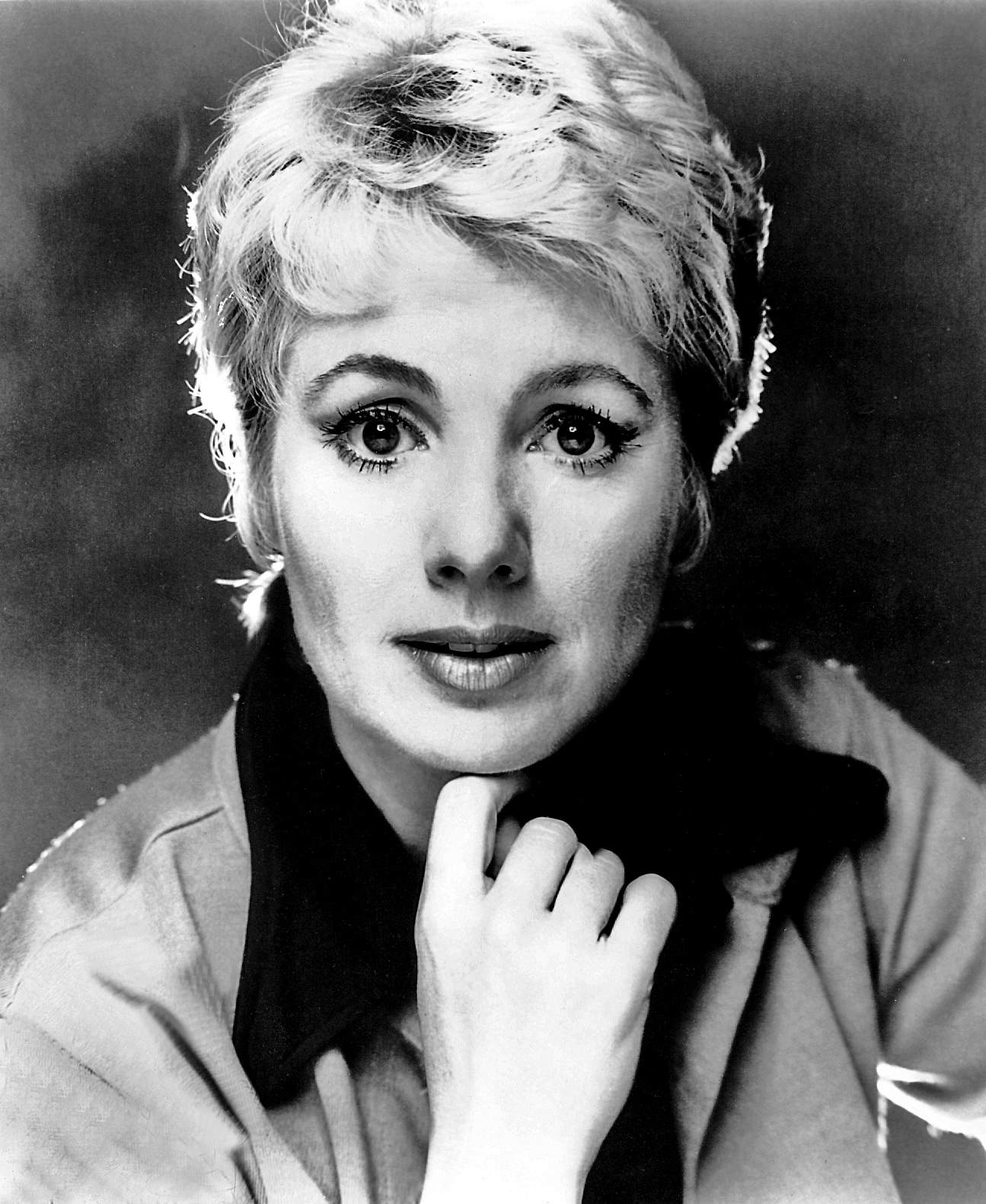
Flo Harrigan (Shirley Jones)
Played by Shirley Jones
A college friend of Mary who has embraced a carefree, hedonistic lifestyle and the sexual revolution. In Nassau she embodies freedom and allure, and she plays a role in guiding Mary away from a dull life, even as she pursues her own new relationship.
- 🎭 Drama
- 🧭 Freedom
- MW
Marge Wilson (Kathy Fields)
Played by Kathy Fields
Mary and Fred's teenage daughter who witnesses her mother's crisis; she is scared by Mary’s call and by memories of her overdose. Marge represents the impact of parental struggles on the next generation.
- 🎭 Family
- 🧒 Youth
- A(
Agnes (Nanette Fabray)
Played by Nanette Fabray
The Wilsons' maid who offers practical support and keeps an eye on Mary's well-being. She assists Mary in finding new living arrangements and plays a quiet, stabilizing role amid the upheaval.
- 🧹 Helper
- 🛟 Caretaker
- S(
Sam (Lloyd Bridges)
Played by Lloyd Bridges
Flo's fiancé during the Bahamas sequence, a character who appears as a potential future partner amid the shifting romantic dynamics of the social circle.
- 🎭 Drama
- 💍 Relationship
- F(
Franco (Robert Darin)
Played by Bobby Darin
A hustler who misreads Mary as wealthy and fabricates a persona; his pursuit ends when he learns Mary is not wealthy, exposing her vulnerability to manipulation within romantic encounters.
- 🎭 Drama
- 💬 Deception
Where and When Is The Happy Ending Set?
The Happy Ending is set in Colorado, Nassau and Bahamas (1953; 1969). Here is why the time and place matter to the story.
When
1953; 1969
The narrative begins in 1953, with a newlywed Mary leaving college to marry Fred and build a conventional life. By 1969, on their 16th anniversary, Mary is disillusioned and flees to Nassau, reflecting a broader decade of social change and personal freedom.
Where
Colorado, Nassau, Bahamas
The story unfolds first in Colorado during autumn and winter, presenting a picture-perfect suburban life around Mary and Fred's marriage. This idyllic setting contrasts with the Bahamas, where Mary seeks escape on a trip to Nassau. The shifts between snowy Colorado and sun-soaked island shores underscore the tension between domestic security and personal longing.
- ❄️ Winter setting
- 🏡 Suburban life
- 🏝️ Island escape
What Are the Themes of The Happy Ending?
3 ideas the story keeps returning to, among them Marital Struggles, Self-Discovery and Alcoholism.
-
01
Marital Struggles
The film examines the gap between idealized marriage and lived reality. Mary and Fred start with a picture-perfect partnership, but the pressures of suburban life reveal cracks in happiness. Communication falters as both cling to competing ideas of fulfillment, culminating in an emotionally charged confrontation about their future.
-
02
Self-Discovery
Mary's flight to Nassau is driven by a desire to redefine herself outside of marriage. The encounter with Flo and the island setting catalyze reflection on what she truly wants from life. Her return to school and a new living arrangement mark steps toward personal independence, even as uncertainty remains.
-
03
Alcoholism
Drinking appears as a coping mechanism for Mary, contributing to a push-pull dynamic in the marriage. The narrative recalls a past overdose and a suicide attempt, underscoring vulnerability and the consequences of attempting to numb pain. The film uses these moments to explore the fragility of happiness.
What Kind of Film Is The Happy Ending?
Melancholic in tone, with slow pacing and a moderate story, going by the plot summary.
- Tone
- Melancholic
- Pacing
- Slow
- Story
- Moderate
- Intensity
- Medium
- Ending
- Ambiguous
A melancholic and deliberately paced character study that follows a woman's quiet despair and tentative steps toward self-reclamation amid the ruins of her marriage.
- melancholic
- reflective
- oppressive
- disillusioned
- lonely
- weary
- unhappy marriage
- marital infidelity
- substance abuse
- midlife crisis
Content notes: suicide attempt, substance abuse, drunk driving, marital infidelity.
Quiz
How well do you remember The Happy Ending? Test yourself on the story.
Where to Watch The Happy Ending
Stream it on fuboTV and MGM Plus. US availability and prices from JustWatch.
 fuboTV
  MGM Plus
  MGM Plus Roku Premium Channel
  MGM+ Amazon Channel
  Philo
Philo  The Roku Channel
 Streaming availability in the US, powered by