What Is The Glass Shield About?
The premise of The Glass Shield in 338 words, with nothing given away. The full story follows below.
In a sun‑baked Los Angeles where the heat seems to magnify every unspoken tension, a young deputy steps onto the thin line between hope and hostility. J.J. arrives as the department’s first Black officer, instantly aware that his presence challenges long‑standing power dynamics. The squadroom, a mosaic of seasoned white deputies, whispers with suspicion, and every patrol feels like a test of belonging. Amid this charged atmosphere, the newest female trooper, fresh from the academy, shares his outsider status, and together they begin to navigate an environment where respect must be earned in small, often unforgiving ways.
The film’s tone is unflinching and gritty, blending the procedural cadence of a sheriff’s office with the simmering undercurrents of systemic bias. As the deputies go about their ordinary duties—traffic stops, paperwork, and community interactions—a looming murder trial begins to dominate the precinct’s attention. Teddy Woods, a suspect whose case becomes the focal point of the courtroom, inadvertently pulls J.J. into a world where testimony is more than a recitation of facts; it becomes a mirror reflecting the department’s hidden fractures. The weight of the stand‑in‑court scene is felt long before any verdict is spoken, hinting at the high stakes that await those who dare to question the status quo.
Under the watchful eye of a commanding officer who values loyalty over transparency, the rookie’s internal conflict sharpens. The partnership with the female trooper evolves into a tentative alliance, a quiet rebellion against the overt and subtle racism that pervades daily routines. Their growing camaraderie suggests that solidarity can blossom even in the most hostile institutions, offering a glimmer of optimism amid pervasive doubt.
Against this backdrop of institutional pressure and moral ambiguity, the story teases a deeper unraveling. The murder trial serves as a catalyst, hinting at entrenched corruption that reaches beyond individual cases. J.J. finds himself perched on the edge of a precipice, where pursuing truth may demand more than professional duty—it could require personal sacrifice, courage, and an unwavering belief that justice, however elusive, is worth the risk.
What Happens in The Glass Shield?
The complete story of The Glass Shield, from the first scene to the last, in 689 words (about 3 minutes). Spoilers throughout.
Spoilers ahead
John “J. J.” Johnson, a young and inexperienced deputy in the Los Angeles Sheriff’s Department, faces immediate challenges as he navigates the complexities of being the department’s first Black deputy. Due to his race and inexperience, he encounters suspicion and tension from some of his white colleagues, making his initial days on the force difficult. Despite these obstacles, Johnson finds an unexpected ally in Deputy Deborah Fields ([deputy-deborah-fields]), the department’s first female deputy, and the two slowly develop a friendship built on mutual respect amidst the often hostile environment.
One day, during a routine patrol, Johnson supports Deputy Bono ([deputy-bono]) in stopping a suspect, Teddy Woods ([teddy-woods]), at a gas station. Bono discovers a warrant for Woods’ arrest after running his driver’s license, and when he finds a stolen pistol in Woods’ vehicle, the deputies proceed with his detention. Woods vehemently claims his innocence, asserting that he has no connection to the crime, but the officers are more interested in building a case against him. This incident sparks broader concerns about racial profiling and police misconduct within the department.
Meanwhile, Deputy Fields arrives at the scene of a murder but finds her observations dismissed by detectives Baker ([det-baker]) and Hall ([det-hall]), who are more concerned with confirming their preconceptions. Mr. Greenspan, a community member, alleges that a Black man murdered his wife during a robbery, and the detectives attempt to pressure Woods into confessing by linking his stolen pistol to the crime. Despite their efforts, Woods remains stubbornly innocent, much to his lawyer, James Locket ([james-locket]),’s frustration, who advises him to be more cooperative to improve his chances in court.
Meanwhile, community activist Reverend Banks ([reverend-banks]) raises concerns about the suspicious death of a Black prisoner, whom he strongly believes was murdered by the police while in custody. Johnson dismisses these worries, convinced that there is no concrete evidence. As the legal proceedings unfold, Johnson’s commanding officer, Watch Commander Clarence Massey ([richard-anderson]), learns that the police had stopped Woods because of his race and pushes Bono to find a justification other than racial profiling. Bono suggests accusing Woods of a traffic violation, and Johnson agrees to support this, earning praise from Massey for his loyalty, but also criticism from Deputy Deborah Fields for her reluctance to conform.
In court, Locket exposes inconsistencies in the police testimony, causing Johnson to question whether he made the right call. Shadows of doubt deepen as Fields and Johnson join forces to investigate the circumstances surrounding Woods’ arrest, uncovering a series of cover-ups involving Baker, Hall, and Massey. These revelations reveal a pattern of corruption and misconduct within the department.
As the trial continues, Greenspan’s testimony complicates the case, but Massey orders Baker to eliminate Greenspan to prevent him from becoming a liability. Hall, battling cancer, dies unexpectedly at the police station, further escalating tensions. Johnson and Fields continue their independent investigation, growing paranoid as they realize they were likely fed false information during their operations. When Fields is assaulted and hospitalized, Johnson’s frustration boils over, leading to a physical fight with Baker. Massey intervenes, temporarily incarcerating Johnson but later provides him with incriminating evidence, exposing Baker’s involvement in various crimes—including the murder of the prisoner and the framing of Woods.
The jury is deadlocked, and the scandal threatens to expose widespread police corruption that reaches into city government. The district attorney offers to dismiss the charges against Woods, but Locket pushes for a new trial, encouraged by a reluctant city councilman. During this turbulent time, Bono turns state’s evidence and testifies against Johnson, admitting to perjury committed by both of them. Confronted with the mounting evidence, Johnson pleads guilty and receives a suspended sentence. The department undergoes drastic changes; the Sheriff’s station is disbanded, and key figures like Massey retire, while Baker is sentenced to prison for his crimes. The other deputies, including Bono, are reassigned as the department attempts to rebuild trust and accountability.
This story vividly illustrates the struggles of a young deputy trying to uphold justice within a system rife with corruption, prejudice, and abuse of power, highlighting themes of integrity, community activism, and the pursuit of truth amidst adversity.
The Glass Shield Timeline: Every Key Event in Order
10 key events in the order they happen, from “Introduction of J. J. Johnson as a rookie deputy” to “Consequences and disbandment”. 2 events name a place, across 2 locations.
- 1
Introduction of J. J. Johnson as a rookie deputy
John 'J. J.' Johnson begins his career as a young, inexperienced Black Deputy Sheriff in Los Angeles, facing early tension with his white colleagues due to his race and inexperience. Despite initial challenges, he navigates his new environment during patrols and department interactions.
Where:Los Angeles Sheriff's Department
- 2
Clash and friendship with Deputy Deborah Fields
Johnson initially clashes with Deputy Fields, the department's first female deputy, but over time, they develop a mutual friendship as they work together on patrol and investigations. Their developing relationship highlights the evolving racial and gender dynamics in the department.
- 3
The arrest of Teddy Woods
While on patrol, Johnson backs up Deputy Bono during a stop at a gas station. Bono discovers a warrant for Woods' arrest after running his license and finds a stolen pistol in his car, leading to Woods' arrest for suspicion of involvement in a crime.
Where:Gas station
- 4
Murder investigation and police suspicion
Deputy Fields responds to a murder scene but faces dismissal of her observations by detectives Baker and Hall. The case involves the murder of Greenspan's wife, with police quickly suspecting Woods due to the stolen pistol, despite Woods' protests of innocence.
- 5
Community concern over prisoner death
Reverend Banks raises alarm about the death of a Black prisoner in custody, suggesting police brutality or cover-up. Johnson dismisses these concerns at first, believing there is no evidence implicating police misconduct.
- 6
Incredibility of police testimonies and investigation
Johnson coaches Bono about courtroom conduct, but tensions with his superiors grow when Massey learns Bono's stop of Woods was racial profiling. Johnson and Fields begin to investigate potential police cover-ups, discovering discrepancies in police reports.
- 7
Murder of Greenspan and Hall's death
As Greenspan's testimony threatens to expose misconduct, Massey orders Baker to murder Greenspan to prevent further damage. Meanwhile, Hall, suffering from cancer, dies at the police station, further illustrating internal corruption.
- 8
Johnson and Fields uncover police corruption
Pursuing their own investigation, Johnson and Fields discover numerous cover-ups involving Baker, Hall, and Massey. Johnson also presents incriminating evidence against Baker, including framing Woods and committing other crimes.
- 9
Trial and shifting of charges
The trial reaches a stalemate with a hung jury. The district attorney offers to drop charges against Woods, but Locket pushes for a redo. Bono turns state's evidence, testifying that Johnson and Bono committed perjury, leading to Johnson's guilty plea.
- 10
Consequences and disbandment
Johnson receives a suspended sentence after pleading guilty amid a police corruption probe. The Sheriff's unit is disbanded, Massey retires, Baker is sentenced to prison, and Bono and other deputies are reassigned, marking the end of the scandal.
Who Are the Main Characters in The Glass Shield?
3 characters, among them Deputy J. J. Johnson (Michael Boatman), Deputy Deborah Fields (Lori Petty) and Detective Gene Baker (Michael Ironside): who each one is and the part they play in the story. Every profile links to the actor’s page.
- DJ
Deputy J. J. Johnson (Michael Boatman)
Played by Michael Boatman
A rookie deputy caught between the pressures of a corrupt system and his desire to do right. His inexperience and race create additional challenges, but he shows integrity and moral conviction that drive the story’s moral conflict.
- 🎯 Rookie
- ✊ Justice seeker
- 🏽 Black protagonist
-

Deputy Deborah Fields (Lori Petty)
Played by Lori Petty
The department’s first female deputy, she initially clashes with Johnson but later partners with him in uncovering corruption. She is determined, morally upright, and strives for fairness within a male-dominated environment.
- 👩 Female deputy
- 💪 Determined
- 🧑🤝🧑 Ally
-
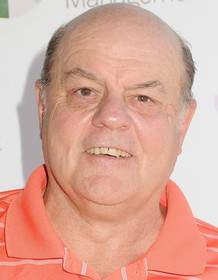
Detective Gene Baker (Michael Ironside)
Played by Michael Ironside
A corrupt detective involved in cover-ups and criminal activities, he prioritizes self-interest over justice. His actions contribute significantly to the systemic corruption illustrated in the film.
- 🔍 Corrupt cop
- ⚖️ Antagonist
- 💰 Greedy
Where and When Is The Glass Shield Set?
The Glass Shield is set in Los Angeles (Late 20th century, likely 1980s or 1990s). Here is why the time and place matter to the story.
When
Late 20th century, likely 1980s or 1990s
The story takes place during a period characterized by tension surrounding race relations and police practices in American cities. This era saw increased scrutiny of law enforcement agencies and calls for reform, reflecting the social and political climate of the time.
Where
Los Angeles
The movie is set in Los Angeles, a major city known for its diverse population and vibrant cultural scene. It is also recognized for its sprawling urban landscape and significant influence in entertainment, politics, and law enforcement. The setting provides a backdrop for exploring issues of race, justice, and police corruption.
- 🌴 Urban
- 🌆 City environment
- 🏛️ Law enforcement hub
What Are the Themes of The Glass Shield?
2 ideas the story keeps returning to, among them Justice and Trust & Loyalty.
-
01
Justice
The film explores the pursuit of truth and fairness within a corrupt police system. It highlights how justice can be compromised by systemic racism, cover-ups, and abuse of power, prompting characters to seek integrity and accountability.
-
02
Trust & Loyalty
The narrative emphasizes the importance of trust among colleagues and allies, especially in a hostile environment. Loyalty is tested as characters navigate moral dilemmas, with some choosing truth over allegiance, reflecting the complex nature of relationships in law enforcement.
What Kind of Film Is The Glass Shield?
Dark in tone, with steady pacing and a moderate story, going by the plot summary.
- Tone
- Dark
- Pacing
- Steady
- Story
- Moderate
- Intensity
- High
- Ending
- Bittersweet
A tense and grim police procedural that builds an oppressive atmosphere of systemic racism and corruption, following a rookie deputy's dangerous awakening to the harsh realities of a morally compromised institution.
- tense
- oppressive
- paranoid
- grim
- serious
- determined
- police corruption
- racial injustice
- integrity
- false accusation
Content notes: police brutality, murder, assault, racism, false imprisonment.
Quiz
How well do you remember The Glass Shield? Test yourself on the story.