The Glass Shield 1994


Rookie deputy J.J. is the first Black officer in a white‑dominated sheriff’s department, where he and the new female trooper endure daily racism from fellow deputies. While testifying in the murder trial of Teddy Woods—whom he helped arrest—J.J. uncovers deep police corruption and must risk his own safety to pursue truth and justice.

Does The Glass Shield have end credit scenes?
No!
The Glass Shield does not have end credit scenes. You can leave when the credits roll.
Where to Watch The Glass Shield
See current US streaming, rental, and purchase options for The Glass Shield (1994) via JustWatch.







Meet the Full Cast and Actors of The Glass Shield
Explore the complete cast of The Glass Shield, including both lead and supporting actors. Learn who plays each character, discover their past roles and achievements, and find out what makes this ensemble cast stand out in the world of film and television.

Lori Petty
Dep. Deborah Fields
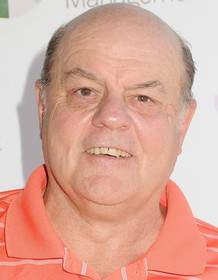
Michael Ironside
Det. Gene Baker

Elliott Gould
Greenspan
Joseph Walsh
Councilman Ross
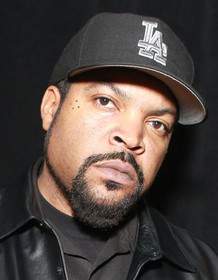
Ice Cube
Theodore 'Teddy' Woods
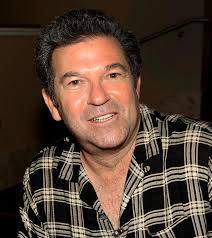
Erich Anderson
D.A. Ira Kern

Richard Anderson
Watch Cmmdr. Clarence Massey
Tommy Redmond Hicks
Reverend Banks
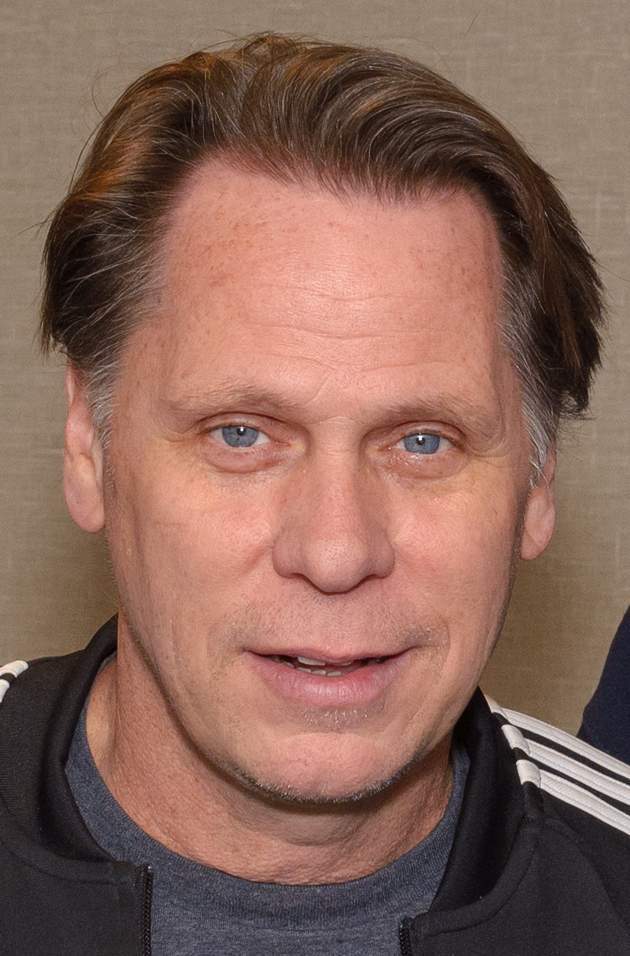
Don Harvey
Dep. Jack Bono
Victoria Dillard
Barbara Simms
Michael Boatman
Dep. J.J. Johnson
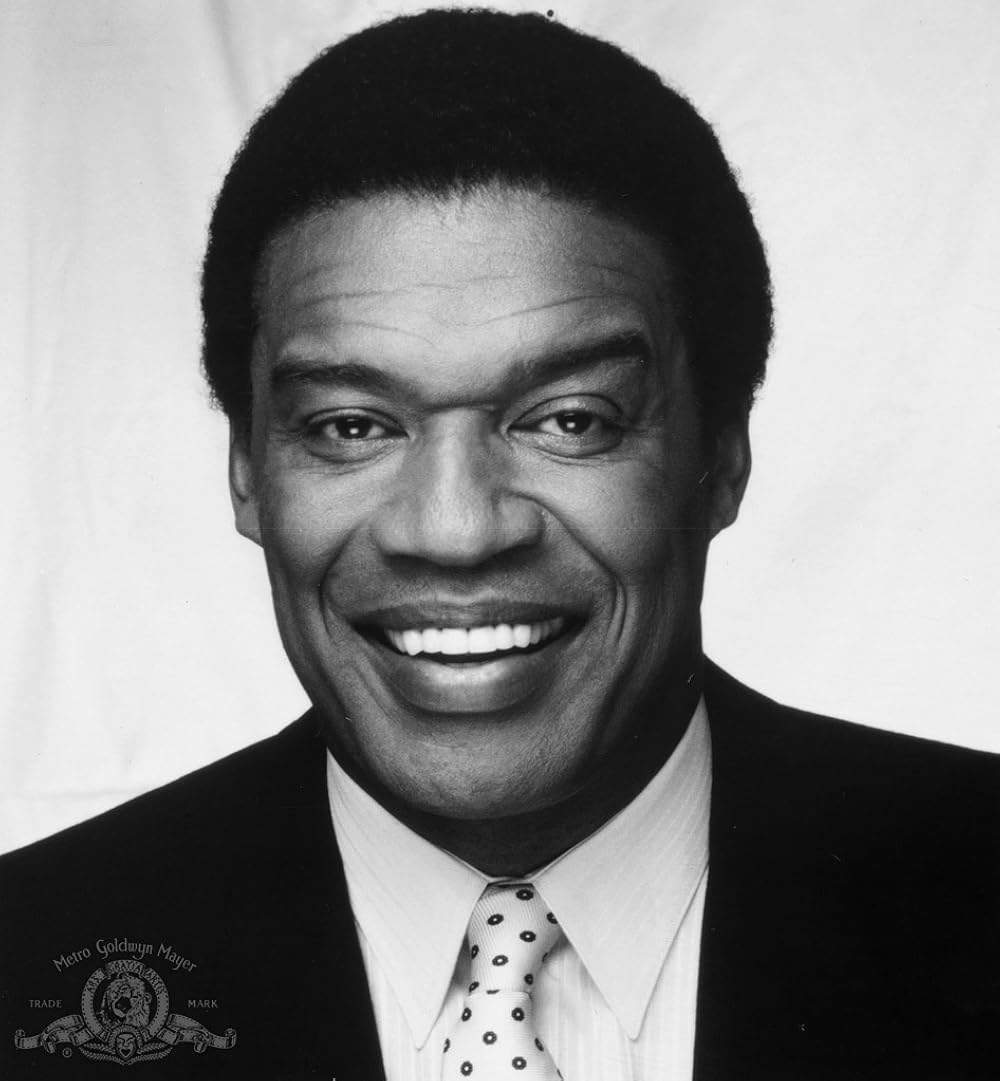
Bernie Casey
James Locket
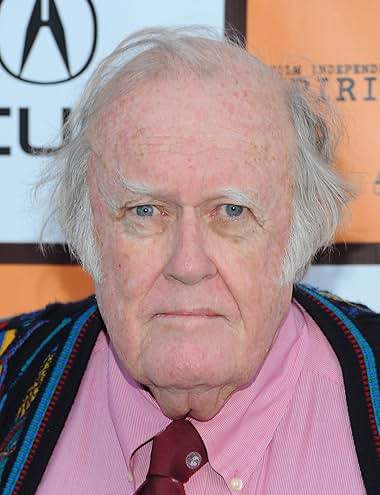
M. Emmet Walsh
Det. Jesse Hall
Sy Richardson
Mr. Taylor
Linden Chiles
Sergeant Berry Foster
Natalija Nogulich
Judge Helen Lewis
Julio Oscar Mechoso
Assistant D.A.
Monty Bane
Coroner
Michael Gregory
Dep. Roy Bush
Wanda De Jesus
Carmen Munoz
Ernie Lee Banks
Mr. Woods
Thomas Babson
U.S. Marshall
External Links and Streaming Options
Discover where to watch The Glass Shield online, including streaming platforms, rental options, and official sources. Compare reviews, ratings, and in-depth movie information across sites like IMDb, TMDb, Wikipedia or Rotten Tomatoes.








Take the Ultimate The Glass Shield Movie Quiz
Challenge your knowledge of The Glass Shield with this fun and interactive movie quiz. Test yourself on key plot points, iconic characters, hidden details, and memorable moments to see how well you really know the film.
The Glass Shield (1994) Movie Quiz: A diverse quiz exploring key plot points, characters, and themes of the 1994 film 'The Glass Shield'.
Who is the rookie Deputy Sheriff in the film?
Full Plot Summary and Ending Explained for The Glass Shield
Read the complete plot summary of The Glass Shield, including all major events, twists, and the full ending explained in detail. Explore key characters, themes, hidden meanings, and everything you need to understand the story from beginning to end.
John “J. J.” Johnson, a young and inexperienced deputy in the Los Angeles Sheriff’s Department, faces immediate challenges as he navigates the complexities of being the department’s first Black deputy. Due to his race and inexperience, he encounters suspicion and tension from some of his white colleagues, making his initial days on the force difficult. Despite these obstacles, Johnson finds an unexpected ally in Deputy Deborah Fields ([deputy-deborah-fields]), the department’s first female deputy, and the two slowly develop a friendship built on mutual respect amidst the often hostile environment.
One day, during a routine patrol, Johnson supports Deputy Bono ([deputy-bono]) in stopping a suspect, Teddy Woods ([teddy-woods]), at a gas station. Bono discovers a warrant for Woods’ arrest after running his driver’s license, and when he finds a stolen pistol in Woods’ vehicle, the deputies proceed with his detention. Woods vehemently claims his innocence, asserting that he has no connection to the crime, but the officers are more interested in building a case against him. This incident sparks broader concerns about racial profiling and police misconduct within the department.
Meanwhile, Deputy Fields arrives at the scene of a murder but finds her observations dismissed by detectives Baker ([det-baker]) and Hall ([det-hall]), who are more concerned with confirming their preconceptions. Mr. Greenspan, a community member, alleges that a Black man murdered his wife during a robbery, and the detectives attempt to pressure Woods into confessing by linking his stolen pistol to the crime. Despite their efforts, Woods remains stubbornly innocent, much to his lawyer, James Locket ([james-locket]),’s frustration, who advises him to be more cooperative to improve his chances in court.
Meanwhile, community activist Reverend Banks ([reverend-banks]) raises concerns about the suspicious death of a Black prisoner, whom he strongly believes was murdered by the police while in custody. Johnson dismisses these worries, convinced that there is no concrete evidence. As the legal proceedings unfold, Johnson’s commanding officer, Watch Commander Clarence Massey ([richard-anderson]), learns that the police had stopped Woods because of his race and pushes Bono to find a justification other than racial profiling. Bono suggests accusing Woods of a traffic violation, and Johnson agrees to support this, earning praise from Massey for his loyalty, but also criticism from Deputy Deborah Fields for her reluctance to conform.
In court, Locket exposes inconsistencies in the police testimony, causing Johnson to question whether he made the right call. Shadows of doubt deepen as Fields and Johnson join forces to investigate the circumstances surrounding Woods’ arrest, uncovering a series of cover-ups involving Baker, Hall, and Massey. These revelations reveal a pattern of corruption and misconduct within the department.
As the trial continues, Greenspan’s testimony complicates the case, but Massey orders Baker to eliminate Greenspan to prevent him from becoming a liability. Hall, battling cancer, dies unexpectedly at the police station, further escalating tensions. Johnson and Fields continue their independent investigation, growing paranoid as they realize they were likely fed false information during their operations. When Fields is assaulted and hospitalized, Johnson’s frustration boils over, leading to a physical fight with Baker. Massey intervenes, temporarily incarcerating Johnson but later provides him with incriminating evidence, exposing Baker’s involvement in various crimes—including the murder of the prisoner and the framing of Woods.
The jury is deadlocked, and the scandal threatens to expose widespread police corruption that reaches into city government. The district attorney offers to dismiss the charges against Woods, but Locket pushes for a new trial, encouraged by a reluctant city councilman. During this turbulent time, Bono turns state’s evidence and testifies against Johnson, admitting to perjury committed by both of them. Confronted with the mounting evidence, Johnson pleads guilty and receives a suspended sentence. The department undergoes drastic changes; the Sheriff’s station is disbanded, and key figures like Massey retire, while Baker is sentenced to prison for his crimes. The other deputies, including Bono, are reassigned as the department attempts to rebuild trust and accountability.
This story vividly illustrates the struggles of a young deputy trying to uphold justice within a system rife with corruption, prejudice, and abuse of power, highlighting themes of integrity, community activism, and the pursuit of truth amidst adversity.

Coming soon on iOS and Android
The Plot Explained Mobile App
From blockbusters to hidden gems — dive into movie stories anytime, anywhere. Save your favorites, discover plots faster, and never miss a twist again.
Sign up to be the first to know when we launch. Your email stays private — always.
Explore the mobile appWatch Trailers, Clips & Behind-the-Scenes for The Glass Shield
Watch official trailers, exclusive clips, cast interviews, and behind-the-scenes footage from The Glass Shield. Dive deeper into the making of the film, its standout moments, and key production insights.
Cars Featured in The Glass Shield
Explore all cars featured in The Glass Shield, including their makes, models, scenes they appear in, and their significance to the plot. A must-read for car enthusiasts and movie buffs alike.
The Glass Shield Themes and Keywords
Discover the central themes, ideas, and keywords that define the movie’s story, tone, and message. Analyze the film’s deeper meanings, genre influences, and recurring concepts.

Unlock the World of Movies with Our Comprehensive Wiki
Dive into our Movie Wiki for in-depth film encyclopedia entries, including cast biographies, production trivia, plot synopses, behind-the-scenes facts, and thematic analyses. Whether you’re researching iconic directors, exploring genre histories, or discovering hidden easter eggs, our expertly curated movie database has everything you need to fuel your cinematic passion.

Similar Movies To The Glass Shield You Should Know About
Browse a curated list of movies similar in genre, tone, characters, or story structure. Discover new titles like the one you're watching, perfect for fans of related plots, vibes, or cinematic styles.


Quick Links: Summary, Cast, Ratings, More

What's After the Movie?
Not sure whether to stay after the credits? Find out!
Check out our other apps:

SAT Sphere
Build confidence for the Digital SAT.

Mori Atlas
Discover wild places worth protecting.

Luntero
Search smarter for a home in Amsterdam.

Plot Explained
Unravel movie endings and hidden clues.

Pokechamp
Dive into Pokémon data and battle logic.

Driving Theory
Get ready for your European theory test.

Movie Dust
Plan your next cinema trip with ease.

Musemap
Find art and culture as you travel.

Selkobase
Compare credentials before committing.

Local Manual
Turn an unfamiliar country into practical next steps.

Lernavi
Compare school systems before your next move.

GymRoam
Find a workout stop wherever your plans take you.
Explore Our Movie Platform
New Movie Releases (2026)
Famous Movie Actors
Top Film Production Studios
Movie Plot Summaries & Endings
Major Movie Awards & Winners
Best Concert Films & Music Documentaries
Movie Collections and Curated Lists
© 2026 What's After the Movie. All rights reserved.
Privacy Policy