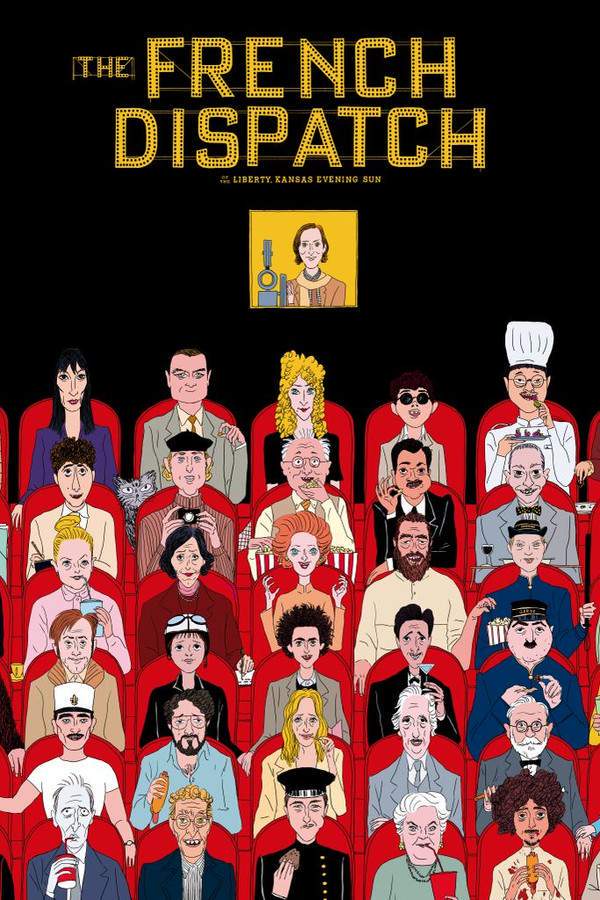
What Is The French Dispatch About?
The premise of The French Dispatch in 253 words, with nothing given away. The full story and the ending follow below.
In the heart of the imagined French‑speaking city of Liberty, Kansas, a beloved American magazine prepares its final issue. At its helm is Arthur Howitzer Jr., the charismatic editor whose passion for storytelling has turned the publication into a cultural touchstone. As the staff gathers to celebrate the paper’s legacy, the film frames their world as a scrapbook of the city’s quirks, colors, and quiet moments, inviting viewers into a place where every street corner feels like a page waiting to be illustrated.
The newsroom is a kaleidoscope of singular personalities, each bringing a distinct voice to the collective narrative. Herbsaint Sazerac pedals through the town’s winding lanes, chronicling the rhythm of everyday life; J.K.L. Berensen wanders the galleries, translating abstract creations into lyrical prose; Lucinda Krementz stands at the edge of protest, capturing the restless spirit of youthful dissent; and Roebuck Wright offers a seasoned, often wry perspective on the city’s hidden dramas. Their interactions are as layered as the stories they intend to publish, weaving humor, affection, and a shared reverence for the oddities that define their community.
Stylistically, the film balances meticulous, almost storybook visual composition with a breezy, off‑beat tone that feels both nostalgic and exuberant. It celebrates the act of recording life’s fleeting beauty—whether through art, sport, or conversation—while gently underscoring the bittersweet reality of an ending. Through its ensemble cast and richly textured setting, the movie becomes a love letter to the craft of journalism and the enduring connections forged between creators and the world they observe.
What Happens in The French Dispatch?
The complete story of The French Dispatch, from the first scene to the last, in 611 words (about 3 minutes). Spoilers throughout. Names in the text link to 9 cast member pages.
Spoilers ahead
The film opens with a poignant narrated obituary of Arthur Howitzer Jr., the editor of The French Dispatch, who unexpectedly passes away from a heart attack. In accordance with his last wishes, the magazine’s publication is immediately halted. We then see Howitzer and his team discussing the upcoming release of four notable magazine stories.
The Cycling Reporter follows Herbsaint Sazerac as he guides viewers on a cycling tour through Ennui-sur-Blasé. He highlights various significant locations like the arcade, Le Sans Blague café, and a notorious pick-pocket’s alley, contrasting the changes in the townscape while exploring how much has remained the same.
In The Concrete Masterpiece, J.K.L. Berensen delivers a lecture at an art gallery that once belonged to her boss, Upshur “Maw” Clampette. She narrates the story of Moses Rosenthaler, a troubled artist imprisoned for murder, who creates an abstract nude portrait of Simone, a prison guard with whom he is romantically involved. Art dealer Julien Cadazio, also serving time for tax evasion, becomes enamored with Rosenthaler’s work and purchases it despite his protests. After serving his sentence, Cadazio persuades his family of art exhibitors to display the painting, launching Rosenthaler into the limelight. Yet, Rosenthaler grapples with a creative block, focusing on a long-term project instead. Years later, a group of artists, along with Cadazio, confront Rosenthaler in prison, only to find that his true artwork consists of frescoes on the prison’s concrete walls. After a scuffle, Cadazio comes to appreciate the art for its essence and arranges for the entire room to be transported to a private museum in Kansas, managed by Clampette. For his role in quelling a prison riot during the art’s unveiling, Rosenthaler is granted probation and continues to exchange letters with Simone after his release.
In Revisions to a Manifesto, Lucinda Krementz covers a student uprising in the streets of Ennui, which escalates into the “Chessboard Revolution.” What begins as a petty dispute over dormitory access transforms into a larger movement sparked by the traumatic military conscription of student Mitch-Mitch. Even as she strives for “journalistic neutrality,” Krementz engages in a brief romance with Zeffirelli, the self-proclaimed leader of the revolution, aiding him in crafting his manifesto. Following a tragedy that claims Zeffirelli’s life, a photo of his likeness evolves into a symbol for the protest. Years later, Krementz adapts their tumultuous history into a play for the National Theatre.
The Private Dining Room of the Police Commissioner features Roebuck Wright recounting his experience attending a private dinner organized by the police chief of Ennui, starring the renowned chef Lt. Nescaffier. Tension arises when the Commissaire’s son, Gigi, is kidnapped by a group of criminals, led by The Chauffeur. As the kidnappers demand the release of “The Abacus,” a vital figure with access to their financial records, Wright recalls his own prior imprisonment for his sexual orientation, a moment which ended with Howitzer bailing him out.
During a climactic rescue attempt, Gigi manages to sneak out a Morse code message urging them to “send the cook.” Later, Nescaffier cleverly poisons the food sent to the kidnappers, resulting in chaos but not before Gigi escapes and reunites with his father. Afterward, Nescaffier tends to the abandoned “Abacus,” saving him from starvation with a simple omelette. As the Dispatch staff grapples with Howitzer’s death, they prepare his obituary for the final edition, wrestling with the importance of a conversation about the unique taste of poison they shared, illustrating the complex layers of human interaction and the unique fabric of reporting.
In an emotional epilogue, the team at The French Dispatch reflects on their loss while undertaking the bittersweet task of honoring Howitzer’s legacy through their final publication.
The French Dispatch Timeline: Every Key Event in Order
15 key events in the order they happen, from “Arthur Howitzer Jr.'s Passing” to “Final Publication Tribute”. 7 events name a place, across 6 locations.
- 1
Arthur Howitzer Jr.'s Passing
The film opens with the unexpected death of Arthur Howitzer Jr., the editor of *The French Dispatch*. His heart attack prompts an immediate halt to the magazine's publication, setting the stage for the stories that follow.
- 2
Discussion of Upcoming Stories
After Howitzer's death, his team gathers to discuss the release of four notable magazine stories. This moment reflects on their dedication to journalism and the weight of their loss.
- 3
The Cycling Tour
Herbsaint Sazerac leads viewers through a cycling tour of Ennui-sur-Blasé, highlighting important locations. The tour contrasts the town's evolving landscape with elements that have remained unchanged over time.
Where:Ennui-sur-Blasé
- 4
Lecture at the Art Gallery
J.K.L. Berensen delivers a captivating lecture at an art gallery formerly owned by Upshur 'Maw' Clampette. She recounts the troubled story of artist Moses Rosenthaler, imprisoned for murder and struggling with his artistic identity.
Where:Art Gallery
- 5
Moses Rosenthaler's Artistic Journey
Moses Rosenthaler creates a controversial abstract nude portrait while in prison, inspired by his romantic feelings for guard Simone. This piece catches the attention of tax-evading art dealer Julien Cadazio, who purchases it despite Rosenthaler's protests.
Where:Prison
- 6
Rise to Fame
After serving his prison sentence, Rosenthaler's work is displayed at a prominent exhibition, thrusting him into the limelight. However, he struggles with creative block as he contemplates a more significant project.
- 7
Confrontation with Artists
Years later, a group of fellow artists confronts Rosenthaler in prison to discover that his true artwork resides in the frescoes on the prison walls. This revelation leads Cadazio to appreciate the artistry of the unique environment.
Where:Prison
- 8
The Art Room's Transport
Cadazio arranges to transport the room filled with Rosenthaler's frescoes to a private museum in Kansas. This decision highlights the profound impact of Rosenthaler's work on the art community.
Where:Kansas
- 9
The Chessboard Revolution
Lucinda Krementz covers a student uprising that escalates into the 'Chessboard Revolution' in Ennui. The movement, initiated by dormitory disputes and fueled by military conscription trauma, represents a significant societal shift.
Where:Ennui
- 10
Krementz's Romantic Involvement
Amidst the chaos, Krementz briefly engages in a romance with revolution leader Zeffirelli. Their relationship becomes intertwined with the unfolding protest, complicating her pursuit of journalistic neutrality.
Show the other 5 events of The French Dispatch Hide the last 5 events
- 11
Zeffirelli's Tragic Death
Following a tragedy that claims Zeffirelli's life, his likeness becomes a symbol of the revolution. Krementz adapts their experiences into a poignant play reflecting on their tumultuous history.
- 12
Private Dinner Incident
Roebuck Wright shares his recollections of a high-stakes private dinner where tensions rise due to the kidnapping of the police chief's son, Gigi. The situation escalates as the kidnappers demand the release of a key figure.
Where:Police Commissioner's Office
- 13
The Cook's Clever Strategy
During a rescue attempt, Gigi sends a Morse code message hinting at the need for 'the cook'. Chef Lt. Nescaffier cleverly poisons the food sent to the kidnappers, creating chaos while Gigi finds a way to escape.
- 14
Aftermath of the Kidnapping
With Gigi's safe return, Nescaffier attends to the abandoned 'Abacus', rescuing him from starvation. The events remind the Dispatch team of Howitzer's earlier guidance during difficult times.
- 15
Final Publication Tribute
In an emotional epilogue, the team at *The French Dispatch* reflects on Howitzer's legacy as they prepare the final edition of the magazine. This bittersweet task highlights their commitment to honoring his memory through their work.
Who Are the Main Characters in The French Dispatch?
4 characters, among them Moses Rosenthaler (Benicio Del Toro), J.K.L. Berensen (Tilda Swinton) and Lucinda Krementz (Frances McDormand): who each one is and the part they play in the story. Every profile links to the actor’s page.
-

Moses Rosenthaler (Benicio Del Toro)
Played by Benicio Del Toro
Moses Rosenthaler is a complex character, a troubled artist who balances his artistic pursuits with his tumultuous personal life. His relationship with Simone reflects both vulnerability and passion, as he grapples with his identity during imprisonment. His journey toward artistic recognition showcases the challenges faced by creatives in an unforgiving world.
- 🎨 Artist
- 📖 Troubled
- 💔 Romantic
-

J.K.L. Berensen (Tilda Swinton)
Played by Tilda Swinton
J.K.L. Berensen is an articulate and knowledgeable art curator who passionately shares the story of Moses Rosenthaler's artwork. Her character embodies a deep appreciation for the arts and serves as a connection to the larger narrative of art's evolution in society. Through her narration, she moves between admiration and the need to confront the realities of the art world.
- 🖼️ Curator
- 🎤 Speaker
- 📚 Knowledgeable
-

Lucinda Krementz (Frances McDormand)
Played by Frances McDormand
Lucinda Krementz is an ambitious journalist who becomes embroiled in the student uprising, navigating her role between observer and participant. Her character is defined by her commitment to capturing the truth while also experiencing the personal stakes of the events she covers. Her relationship with Zeffirelli adds layers to her portrayal of love intertwined with political ideals.
- 📰 Journalist
- 💔 Involved
- ✊ Activist
-
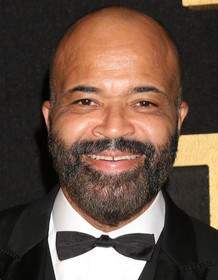
Roebuck Wright (Jeffrey Wright)
Played by Jeffrey Wright
Roebuck Wright is a poignant character reflecting on his past experiences while attending a high-stakes dinner. His personal anecdotes add depth to the narrative, revealing the intersection of identity and societal challenges. As a journalist, he represents the voice of experience, shedding light on nuanced aspects of social dynamics.
- 📰 Journalist
- 🎩 Sophisticated
- 📖 Reflective
Where and When Is The French Dispatch Set?
The French Dispatch is set in Ennui-sur-Blasé. Here is why the place matters to the story.
When
The film's narrative shifts across different timelines, capturing moments of artistic creation, social upheaval, and personal struggles. The characters' experiences during the student uprising echo broader themes of rebellion and transformation, while their reflections on the past highlight the enduring impact of their actions. The interplay of past and present creates a rich tapestry of storytelling.
Where
Ennui-sur-Blasé
Ennui-sur-Blasé is a fictional French city that serves as a backdrop for various narratives within the film. Known for its artistic legacy and rich cultural history, the city features significant locations such as cafés, galleries, and streets that resonate with both revolutionary spirit and artistic expression. The city's evolution is explored through the eyes of its inhabitants, reflecting a mix of nostalgia and change.
- 🌆 City
- 🖼️ Art
- 📚 Journalism
What Are the Themes of The French Dispatch?
3 ideas the story keeps returning to, among them Artistic Expression, Journalism and Revolution.
-
01
Artistic Expression
Artistic expression plays a central role in the film, as seen through the story of Moses Rosenthaler and his struggle with creative blocks. The film emphasizes the power of art to provoke thought and to reflect the complexities of human experiences, from love to conflict. The journey of art within the context of the characters' lives enriches the narrative.
-
02
Journalism
Journalism serves as a vital theme, showcasing its impact on society and individual lives. The characters navigate the ethical dilemmas of reporting while engaging in their personal narratives. The film reflects on the responsibility of journalists to portray truth while also engaging with their subjects, emphasizing the delicate balance between storytelling and reality.
-
03
Revolution
The theme of revolution manifests through the student uprising and the struggles for social justice. Characters like Lucinda Krementz and Zeffirelli embody the passionate pursuit of change, highlighting the significance of youth activism. The film portrays the intertwining of personal and political realms, illustrating how individual actions can ripple through communities.
How Does The French Dispatch End?
The last act of The French Dispatch and what it means, in 337 words. The ending lands as bittersweet. Big spoilers: read the plot summary first if you have not seen it.
The final act, in full
The ending of The French Dispatch feels like a nostalgic farewell to the golden age of print journalism, encapsulating the lives and legacies of the characters and the art they embody. As the film concludes, we see the staff gathered in the pressroom, reading the final issue of their beloved magazine after the death of editor Arthur Howitzer Jr. (Bill Murray). This scene serves as both a literal and symbolic goodbye to a bygone era, emphasizing that the days of sophisticated, artistic journalism are over—replaced by a landscape focused on clicks and superficial content. The final obituary in the film pays homage to the magazine’s founder and the spirit of true storytelling, echoing the loss of that journalistic lineage and the art form it represented.
Throughout the film, Wes Anderson envelops the stories with a tone of bittersweet reverence, celebrating not only the magazine’s community but also the artistry of the journalists, writers, and artists profiled in the stories. Each segment, from the bohemian painter Moses Rosenthaler, who defies both prison and societal expectations with his art, to the young revolutionary Zeffirelli, who risks his life for his ideals, emphasizes the sacrifice and passion behind true creative pursuits. Rosenthaler’s final act of painting on prison walls, making his art nearly impossible to commodify, symbolizes the artist’s desire for authentic self-expression over exploitation. Similarly, Zeffirelli’s tragic death while fighting for his beliefs underscores the cost of artistic and revolutionary truth.
The film closes with a reflection on how these individual stories—about art, politics, culinary craftsmanship, and journalism—are intertwined in a broader meditation on the importance of preserving these unique artistic spirits. Anderson uses this fictional magazine as a powerful ode to the beauty of craftsmanship in a world moving away from such artistry. Ultimately, the ending suggests that although the specific publication may vanish, its spirit endures in the hearts of those who value authentic creative expression, and in doing so, Anderson leaves viewers with a sense of longing and reverence for the lost art of meaningful storytelling.
What Kind of Film Is The French Dispatch?
Whimsical in tone, with variable pacing and a complex story, going by the plot summary.
- Tone
- Whimsical
- Pacing
- Variable
- Story
- Complex
- Intensity
- Medium
- Ending
- Bittersweet
A whimsical, melancholic, and lovingly crafted anthology that celebrates storytelling and art through a series of eccentric, interconnected tales from a magazine's final issue.
- quirky
- reflective
- nostalgic
- melancholic
- playful
- eccentric
- journalism
- art and creation
- love and loss
- storytelling
Content notes: imprisonment, kidnapping, death of a major character, nudity.
Quiz
How well do you remember The French Dispatch? Test yourself on the story.