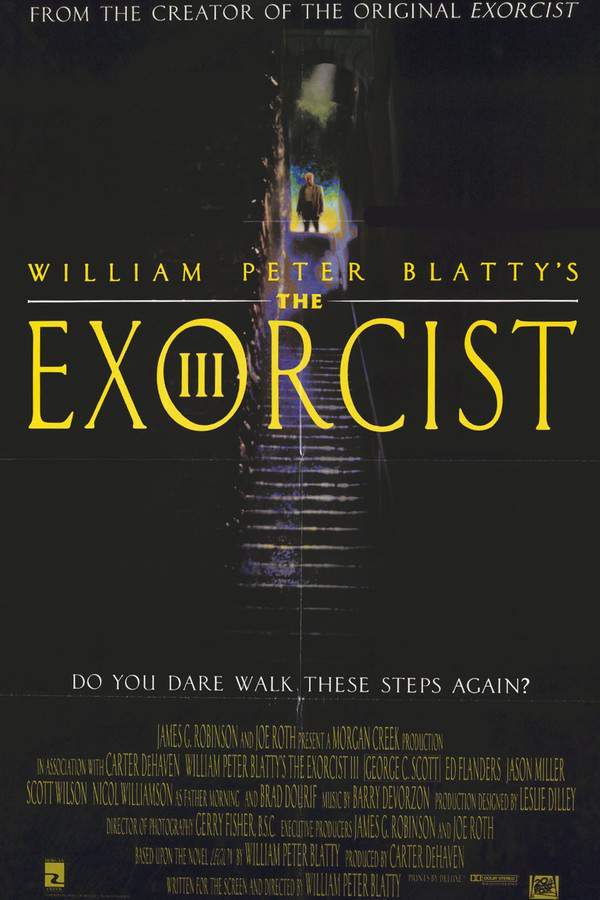
The Exorcist III 1990


Directed by

William Peter Blatty
Made by

Twentieth Century Fox
Where to Watch The Exorcist III
See current US streaming, rental, and purchase options for The Exorcist III (1990) via JustWatch.

Amazon Prime Video
HD
Amazon Prime Video with Ads
HD
fuboTV
HD
Night Flight Plus
HD
Peacock Premium
HD
Peacock Premium Plus
HD
Shout! Factory Amazon Channel
HD
Fawesome
HD
Hoopla
SD
Kanopy
HD
Fandango at Home Free
HD
Plex
HD
Plex Channel
HD
Pluto TV
SD
Shout! Factory TV
HD
The Roku Channel
HD
Tubi TV
SD
YouTube Free
HD
Amazon Video
SD
Apple TV Store
HD Fandango At Home
SD
Google Play Movies
SD
YouTube
SD Streaming availability powered by 
The Exorcist III Plot Summary
Read the complete plot summary and ending explained for The Exorcist III (1990). From turning points to emotional moments, uncover what really happened and why it matters.
The film opens with a haunting perspective as someone strolls through the streets of Georgetown, accompanied by a disembodied voice echoing, “I have dreams… of a rose… and of falling down a long flight of stairs.” This unsettling viewpoint reveals a sinister presence approaching a church later that night. As chaos ensues, ominous growls pierce the air while debris flings itself towards the church, culminating in a crucifix manifesting a life of its own.
We are then introduced to Lieutenant William F. Kinderman, portrayed by George C. Scott, at a gruesome crime scene where the brutal murder of a 12-year-old boy named Thomas Kintry has taken place. In an effort to seek solace, Kinderman invites his friend, Father Dyer, played by Ed Flanders, to watch their cherished film, It’s a Wonderful Life. Over popcorn, Kinderman darkly recounts the murder details, including the shocking manner in which the boy was killed, leaving behind a grim atmosphere.
The tension escalates when another murder rocks the community; a priest is gruesomely discovered decapitated within the very walls of a church. The unease intensifies as Dyer finds himself in the hospital, only to be later found murdered himself, with the chilling phrase “IT’S A WONDERFULL LIFE” scrawled using his blood. Each crime scene presents a baffling twist: the fingerprints do not correspond, suggesting multiple perpetrators. Kinderman expresses his trepidation regarding a notorious serial killer known as “The Gemini,” played by Brad Dourif, who was executed fifteen years prior. This killer notoriously removed the right index finger of each victim and marked them with the Gemini sign.
During his investigation, Kinderman learns of a mysterious patient in a psychiatric ward named Dr. Temple, portrayed by Scott Wilson. He discovers that this man, once wandering in amnesia, has recently become violent and claims to be the Gemini Killer. The man bears an uncanny resemblance to Father Damien Karras, played by Jason Miller, who has been deceased. However, this patient insists he is the very essence of the Gemini Killer, ignorant of Karras’s identity and proud of killing Dyer.
The plot thickens when, the following day, a nurse and Dr. Temple turn up dead. The patient in Cell 11 reveals, to Kinderman’s horror, that after the Gemini’s execution, his spirit invaded Karras’s dying body. The malevolent demon Pazuzu, known for possessing Regan MacNeil, is enraged by being expelled and seeks vengeance by transferring the Gemini Killer’s spirit into Karras. Each night, the Gemini trades places with elderly patients suffering from dementia to carry out his heinous acts.
In a shocking turn of events, the Gemini posseses an old woman, who attempts to murder Kinderman’s daughter, Julie. The fight escalates when the old woman attacks Kinderman, retreating only when Father Paul Morning, played by Nicol Williamson, steps in to perform an exorcism. However, Pazuzu intervenes, resulting in the priest’s devastating defeat. Kinderman, witnessing the chaos, intends to put Karras to rest upon finding Morning’s lifeless body. In a gripping confrontation, Karras momentarily regains his consciousness and pleads, “Bill, now, shoot now, kill me now!” Kinderman pulls the trigger without hesitation, mortally wounding Karras.
As Karras welcomes liberation from the Gemini’s grasp, he breathes his last words, “We won, Bill, now free me.” Ultimately, Kinderman stands somberly over Karras’ grave, the film drawing to a haunting conclusion with lingering questions of morality and redemption.
The Exorcist III Timeline
Follow the complete movie timeline of The Exorcist III (1990) with every major event in chronological order. Great for understanding complex plots and story progression.
Dreams and Ominous Beginnings
The film opens with an unsettling perspective as an individual walks through the streets of Georgetown. Accompanied by a haunting disembodied voice, they express dreams of a rose and falling down a long flight of stairs, setting a dark tone for what is to come.
The Chaos at the Church
As chaos erupts at the church, ominous growls fill the air, and debris is thrown about. The atmosphere turns sinister as a crucifix seems to come to life, foreshadowing the horrors that will soon unfold.
The Gruesome Murder of Thomas Kintry
Lieutenant William F. Kinderman arrives at a crime scene where the body of a 12-year-old boy, Thomas Kintry, has been horrifically murdered. This shocking discovery sets off a wave of fear and dread in the community as details of the crime begin to surface.
A Night at the Movies
In an attempt to find solace, Kinderman invites Father Dyer to watch their favorite film, *It's a Wonderful Life*. Over popcorn, Kinderman darkly details the gruesome murder, creating a disquieting atmosphere that contrasts sharply with the lightness of the film.
Another Brutal Murder
The peacefulness is shattered when another grisly murder rocks the community, this time a priest found decapitated inside a church. This crime heightens the tension and fear as Kinderman realizes there is a malevolent force at play.
Tragic Fate of Father Dyer
Father Dyer ends up in the hospital, only to be found brutally murdered later, with the chilling message *'IT'S A WONDERFULL LIFE'* written in his blood. This shocking revelation sends Kinderman deeper into his investigation.
The Gemini Killer's Legacy
As Kinderman digs deeper, he recalls the notorious serial killer known as 'The Gemini,' who had been executed fifteen years prior. Known for removing the right index finger of his victims, Kinderman's fears are reignited as similarities between the old and new crimes become apparent.
Dr. Temple's Revelation
Kinderman learns of a mysterious patient in a psychiatric ward, Dr. Temple, who has recently become violent and claims to be the reincarnation of the Gemini Killer. He bears an eerie resemblance to the deceased Father Karras, adding layers of complexity to the investigation.
The Old Woman's Attack
The situation escalates when the Gemini possesses an elderly woman, who then attempts to murder Kinderman’s daughter, Julie. The confrontation becomes intense when Father Paul Morning intervenes, trying to perform an exorcism, which ultimately reveals the demon Pazuzu's involvement.
Father Morning's Sacrifice
During the exorcism attempt, Pazuzu intervenes, leading to Father Morning's tragic defeat. Kinderman, witnessing the chaos, prepares to confront the source of the evil that has engulfed his life.
Confrontation with Karras
In a tense standoff, Kinderman finds Karras briefly regaining consciousness and pleading for his life. As Karras begs to be put to rest, Kinderman is left with an agonizing decision that weighs heavily on his conscience.
Karras's Liberation
Kinderman follows Karras's desperate plea and pulls the trigger, mortally wounding him. In his final moments, Karras urges Kinderman to free him, suggesting at last that they may have overcome the evil together.
Final Graveside Respect
The film concludes with Kinderman somberly standing over Karras' grave, reflecting on the moral complexities of his actions. The haunting conclusion leaves lingering questions about good, evil, redemption, and the nature of sacrifice.
The Exorcist III Characters
Explore all characters from The Exorcist III (1990). Get detailed profiles with their roles, arcs, and key relationships explained.
William F. Kinderman (George C. Scott)
Lieutenant Kinderman is a seasoned investigator haunted by the past. He embodies a mix of compassion and determination, driven to solve the gruesome murders that plague his community. His personal struggles with morality and the supernatural elevate his character development throughout the film.
Father Dyer (Ed Flanders)
Father Dyer is a close friend of Kinderman and offers emotional support amid the darkness surrounding the murders. His character represents faith and the longing for justice, yet he faces a tragic fate that showcases the film's brutal reality. His shared memories with Kinderman provide a human touch in a chilling narrative.
Gemini Killer (Brad Dourif)
The Gemini Killer is a sinister and manipulative entity, remembered for his gruesome killings and lack of remorse. His possession of others signifies pure evil's persistence, reflecting the film's central conflict. The character's chilling demeanor and unpredictability intensify the horror aspect of the story.
Dr. Temple (Scott Wilson)
Dr. Temple serves as a mysterious figure in the psychiatric ward, his transformation into violence adding layers to the plot. His history and apparent disconnection from reality capture the audience's attention, raising questions about identity and influence. His interactions with Kinderman drive critical developments in the narrative.
Father Paul Morning (Nicol Williamson)
Father Morning is a courageous priest who attempts to confront the dark forces at play. His presence underscores the essential theme of faith battling against evil, marking key moments of intense conflict. Tragically, his defeat highlights the overwhelming power of the demonic forces involved.
The Exorcist III Settings
Learn where and when The Exorcist III (1990) takes place. Explore the film’s settings, era, and how they shape the narrative.
Time period
The film is set in a contemporary period, reflecting societal issues of violence and morality. It explores themes of possession and the psychological impact of past traumas in a modern backdrop. The use of imagery and references to previous events in the franchise suggests an ongoing struggle against dark forces.
Location
Georgetown, Psychiatric Ward, Church
Georgetown is a historic neighborhood located in Washington, D.C., known for its charming cobblestone streets and rich colonial history. The atmosphere is often depicted as eerie and haunted, contributing to the tension in the film. The psychiatric ward serves as a crucial setting, housing individuals with dark secrets, while the church symbolizes a battleground between good and evil.
The Exorcist III Themes
Discover the main themes in The Exorcist III (1990). Analyze the deeper meanings, emotional layers, and social commentary behind the film.
👻
Possession
The theme of possession is central to the film, showcasing how malevolent forces can seize control over individuals, leading to horrifying consequences. It raises questions about identity and the battle between good and evil, especially through the character of Father Karras. The idea that one's darker impulses can resurface through supernatural means is deeply unsettling.
⚖️
Morality
Morality is a recurring theme, particularly as Kinderman grapples with the consequences of his actions in confronting evil. The film reflects on the complexities of right and wrong, especially in dire situations. The final moments emphasize a struggle for redemption and the moral dilemmas faced by each character.
💀
Death
Death looms heavily throughout the film, with murder and violence driving the narrative. The unexpected brutality of the killings creates an atmosphere of dread and suspense. Each death serves as a link to the past and the eternal battle against darkness, concluding with poignant moments of loss and sacrifice.

Coming soon on iOS and Android
The Plot Explained Mobile App
From blockbusters to hidden gems — dive into movie stories anytime, anywhere. Save your favorites, discover plots faster, and never miss a twist again.
Sign up to be the first to know when we launch. Your email stays private — always.
Explore the mobile appThe Exorcist III Spoiler-Free Summary
Discover the spoiler-free summary of The Exorcist III (1990). Get a concise overview without any spoilers.
In a city where shadows seem to linger a little longer than they should, a series of unsettling murders begins to echo a long‑ago nightmare. The killings bear an uncanny resemblance to the work of the infamous Gemini killer, a name that still haunts the public consciousness fifteen years after the crimes stopped. The atmosphere is thick with dread, punctuated by the flickering lights of dimly lit streets and the whispered rumors that something far more sinister may have resurfaced.
Kinderman is a seasoned police lieutenant whose methodical mind is matched only by his growing sense of unease. Haunted by the memories of past investigations, he approaches the new cases with a mix of professional detachment and personal obsession, aware that every clue could pull him deeper into a labyrinth of doubt. His relentless pursuit is tempered by a quiet charisma, drawing both respect and wary curiosity from his colleagues.
Father Dyer enters the story as a confidant whose faith offers a fragile counterpoint to the darkness that surrounds them. Their conversations, often held over simple comforts like a shared movie, reveal a partnership built on mutual trust and the search for meaning amid chaos. The priest’s calm demeanor and philosophical reflections provide Kinderman with an anchor, even as the mysteries they face begin to fray the edges of reality.
Together, these two figures navigate a world where the line between rational investigation and existential terror blurs. The film’s tone is a careful balance of psychological suspense and gothic horror, inviting the audience to question the nature of evil and the limits of sanity. As the investigation unfolds, the lingering question remains: can the past ever truly be buried, or does it simply wait, patient and eager, to claim new victims?
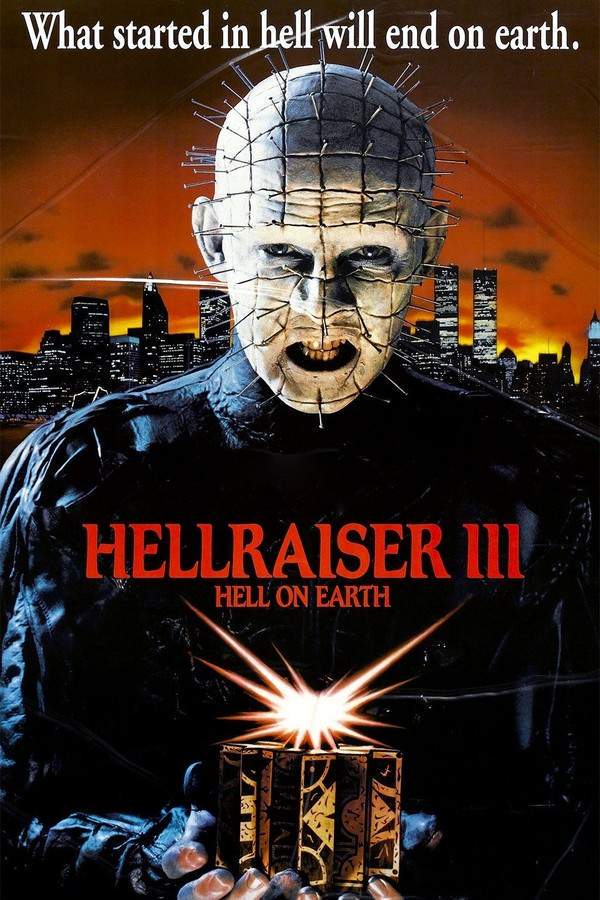
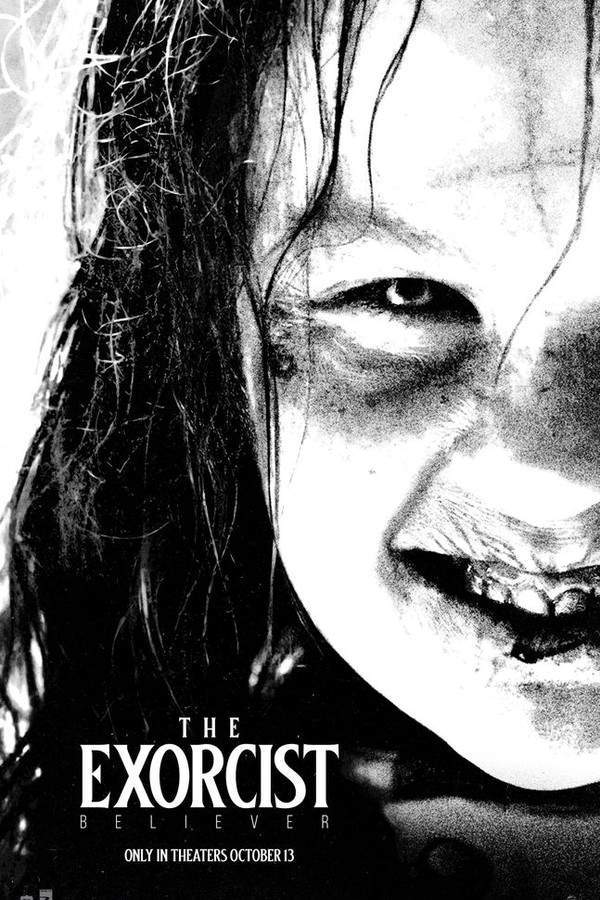
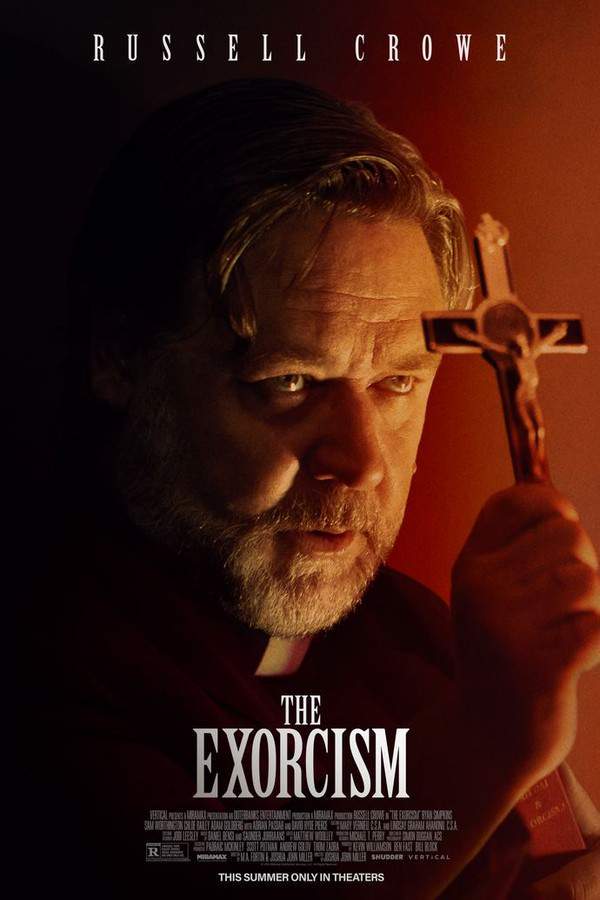
Movies with Similar Twists and Themes
Uncover films that echo the narrative beats, emotional arcs, or dramatic twists of the one you're exploring. These recommendations are handpicked based on story depth, thematic resonance, and spoiler-worthy moments — perfect for fans who crave more of the same intrigue.
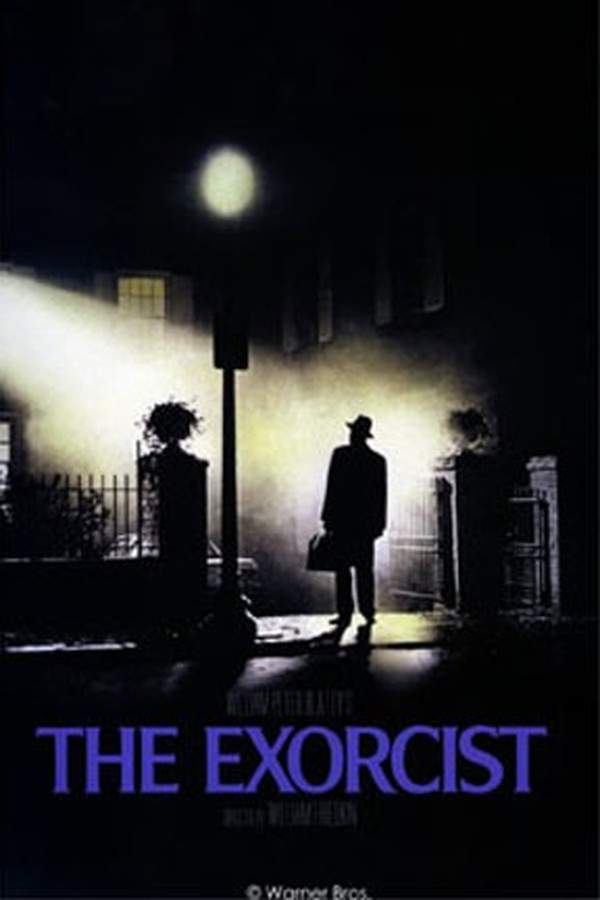
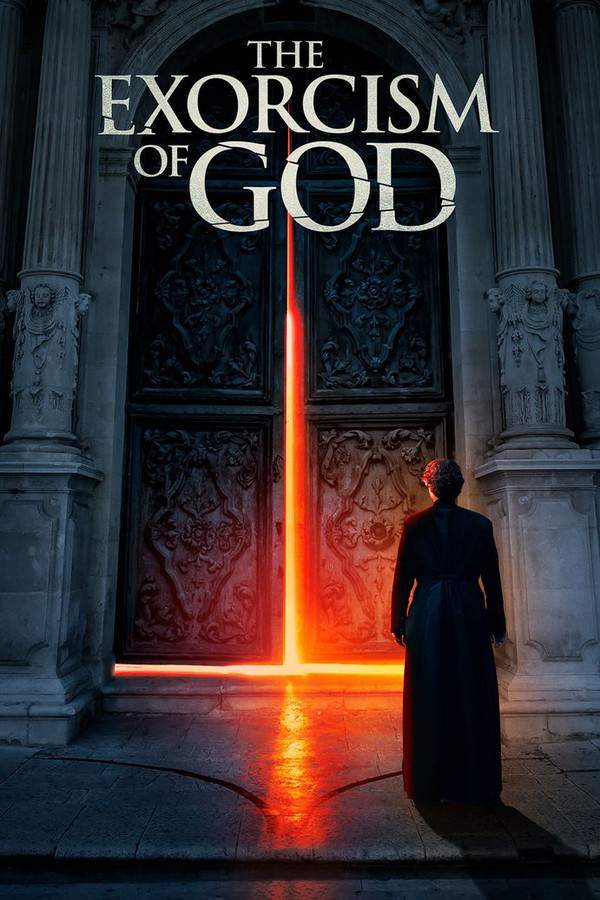
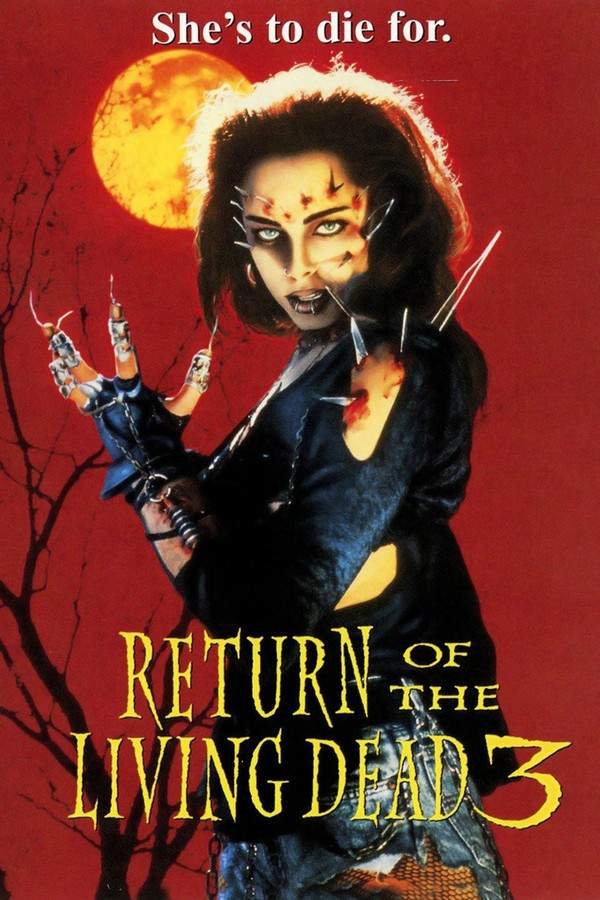
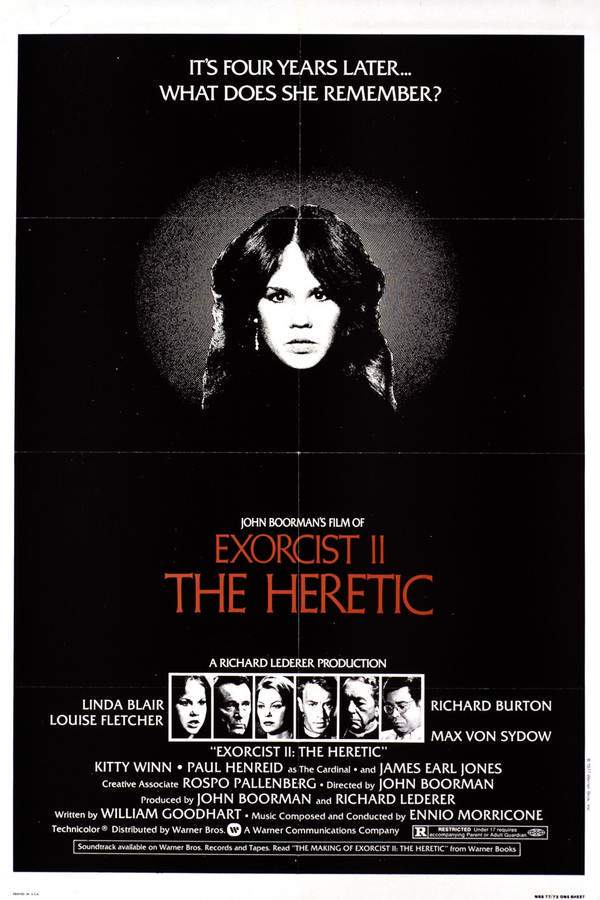
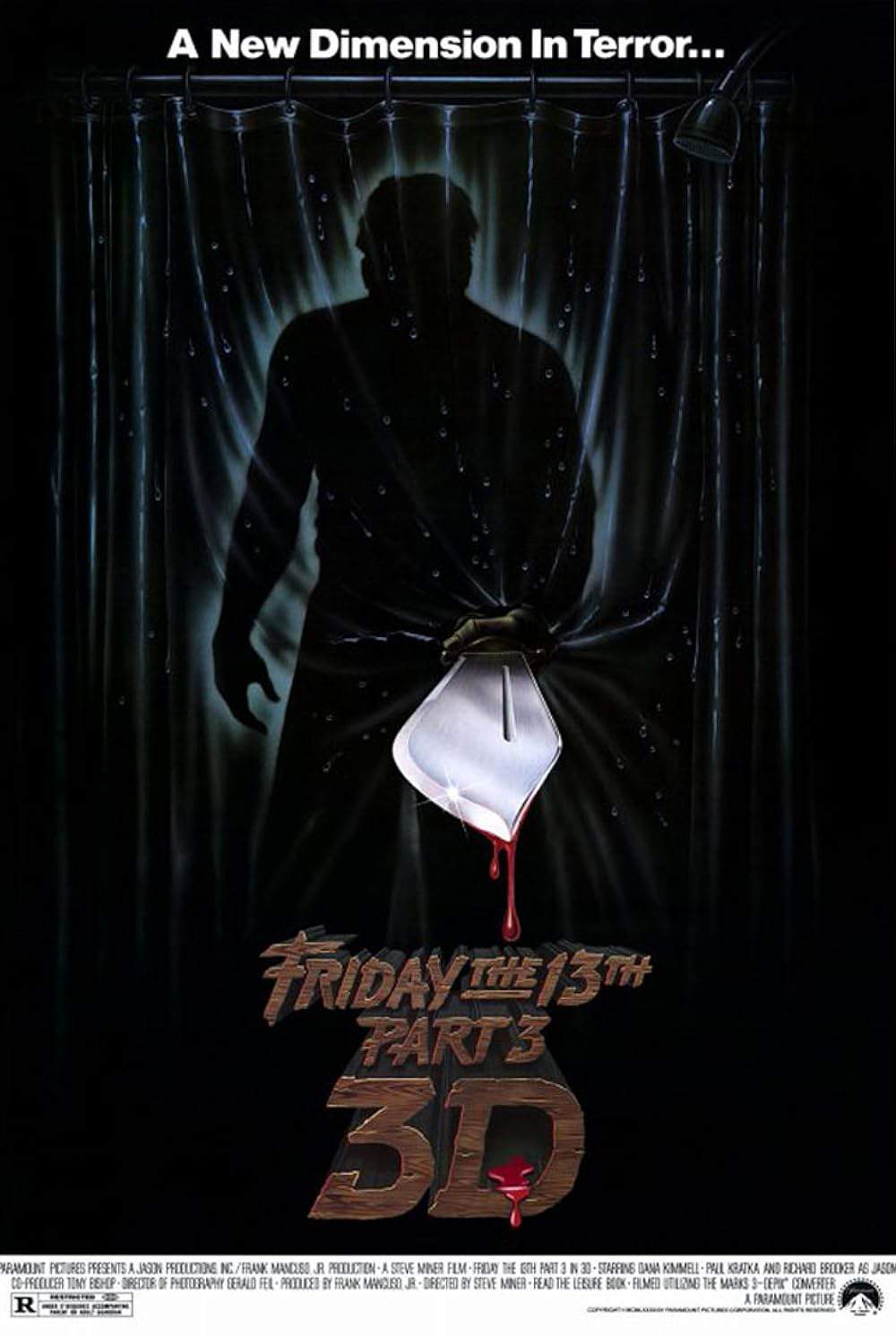
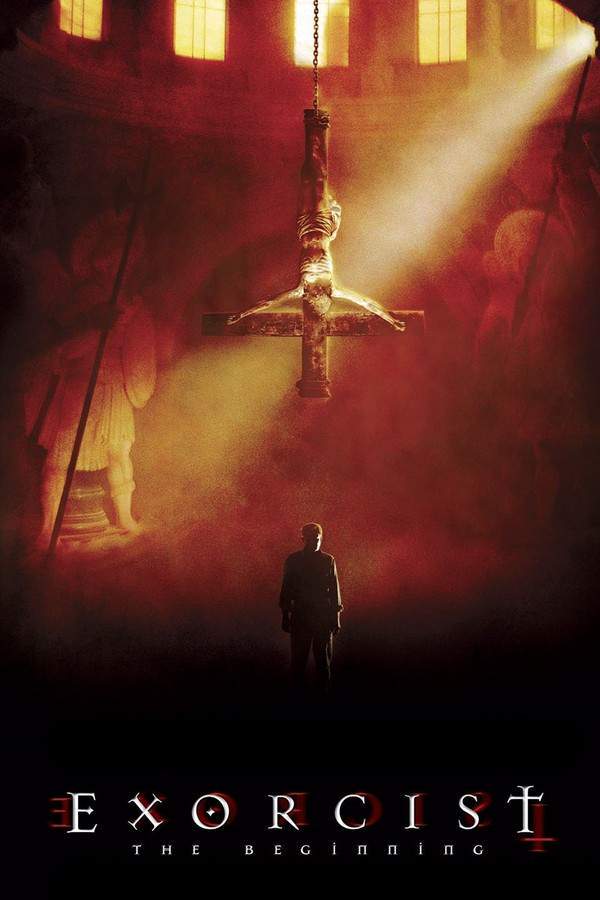
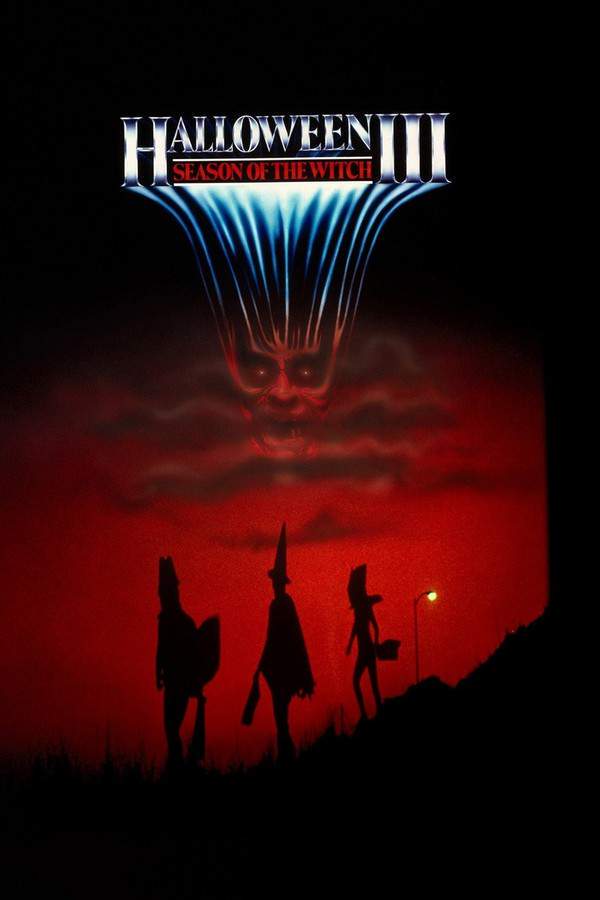
Featured on this page

What's After the Movie?
Not sure whether to stay after the credits? Find out!
Check out our other apps:

SAT Sphere
Build confidence for the Digital SAT.

Mori Atlas
Discover wild places worth protecting.

Luntero
Search smarter for a home in Amsterdam.

Plot Explained
Unravel movie endings and hidden clues.

Pokechamp
Dive into Pokémon data and battle logic.

Driving Theory
Get ready for your European theory test.

Movie Dust
Plan your next cinema trip with ease.

Musemap
Find art and culture as you travel.

Selkobase
Compare credentials before committing.

Local Manual
Turn an unfamiliar country into practical next steps.

Lernavi
Compare school systems before your next move.

GymRoam
Find a workout stop wherever your plans take you.
Explore Our Movie Platform
New Movie Releases (2026)
Famous Movie Actors
Top Film Production Studios
Movie Plot Summaries & Endings
Major Movie Awards & Winners
Best Concert Films & Music Documentaries
Movie Collections and Curated Lists
© 2026 What's After the Movie. All rights reserved.
Privacy Policy