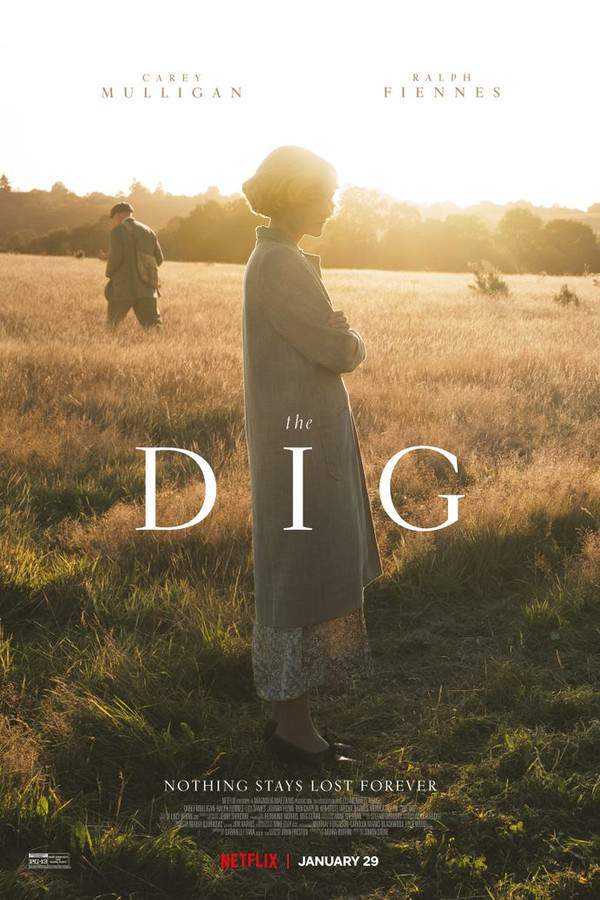
What Is The Dig About?
The premise of The Dig in 317 words, with nothing given away. The full story and the ending follow below.
In the rolling countryside of early‑20th‑century England, an isolated estate sits beside a meadow of ancient burial mounds, their weathered silhouettes hinting at stories long forgotten. The land is quiet, its tranquility punctuated only by the soft rustle of reeds and the distant low‑crawling fog that rolls in from the nearby river. Within this pastoral world, the air hums with a sense of reverent curiosity, as scholars and locals alike wonder what secrets the earth might still be keeping.
The heart of the tale follows a self‑taught excavator, whose relentless fascination with the past drives him to the edge of conventional archaeology. When the reclusive landowner of the estate, a widowed matriarch with a quietly determined spirit, invites him to explore the most imposing of the mounds, an unlikely partnership forms. Edith Pretty brings a personal stake and a measured generosity, while Basil Brown offers humble expertise and an unpretentious devotion to uncovering history, even as he balances modest means against the grandeur of the task.
Their collaboration unfolds against a backdrop of quiet social expectations and the understated elegance of the English countryside. As they labor side by side, the contrast between Edith’s refined yet solitary life and Basil’s modest, hands‑on approach creates a subtle tension that fuels both the work and their developing rapport. The presence of a young, spirited son adds a light‑hearted counterpoint, reminding both adults of the passage of time they are trying to decode.
The film’s tone remains contemplative and lyrical, inviting the audience to share in the slow, deliberate unveiling of something ancient beneath the earth. Shadows of the past linger just out of view, and the promise of discovery hangs over every careful brushstroke and measured dig. In this gently unfolding mystery, the real treasure may be the connection forged between two very different people drawn together by a shared longing to bring forgotten histories back into the light.
What Happens in The Dig?
The complete story of The Dig, from the first scene to the last, in 541 words (about 2 minutes). Spoilers throughout. Names in the text link to 5 cast member pages.
Spoilers ahead
In the year 1939, the story unfolds as Suffolk landowner Edith Pretty hires local self-taught archaeologist and excavator Basil Brown to explore the large burial mounds at her serene estate in Sutton Hoo. Initially, she proposes a payment equivalent to the minimal agricultural wage, similar to what he earned from the Ipswich Museum. However, Brown finds this offer insufficient and negotiates a better deal of £2 a week, which she gladly agrees to.
Despite attempts by his former employers to lure him to excavate a Roman villa they believe to be more significant, Brown holds steadfast, proposing that the mounds might, in fact, date back to the Anglo-Saxon period rather than the more recognized Viking era. As he undertakes his excavation with a few estate assistants, he carefully uncovers the most promising of the mounds. There’s a harrowing moment when a trench unexpectedly collapses on him, but he is thankfully rescued just in time.
As the narrative progresses, Brown spends more time with Edith, a widow facing her own challenges, and her spirited young son, Robert Pretty. While neglecting letters from his own wife, May, he becomes deeply involved in their lives. Edith faces her own health issues, receiving stern advice from her doctor to minimize stress.
One of the pivotal moments occurs when Brown discovers iron rivets from a ship, hinting that the burial site may belong to someone of significant status, potentially a king. Local archaeologist James Reid Moir attempts to join the excavation but is turned away. Instead, Edith brings her cousin Rory Lomax on board to assist. News of their discoveries spreads rapidly, attracting the attention of Cambridge archaeologist Charles Phillips, who declares the site of national importance and takes control of the dig by order of the Office of Works.
As the threat of war looms, Philips enlarges the team, incorporating Peggy Piggott, who goes on to unveil the first distinctly Anglo-Saxon artifact. Although Brown initially retains a position to maintain order at the site, Edith insists on his return to excavating. Ultimately, he unearths a Merovingian Tremissis, a small but significant gold coin from Late Antiquity, leading Philips to officially classify the location as one of considerable historical value.
Philips expresses the desire to send the discovered items to the British Museum, but Edith, concerned over potential damage from air raids in London, declares her ownership rights. An inquest verifies her claim to the ship and its invaluable grave goods; however, as her health deteriorates, her spirit begins to wane.
Meanwhile, Peggy, feeling disregarded by her husband Stuart—who harbors his own secret—embarks on a romance with Rory, but their relationship is cut short as he is soon drafted into the Royal Air Force. In a heartfelt gesture, Edith decides to donate the Sutton Hoo treasures to the British Museum, ensuring that Brown is recognized for his invaluable contributions. Tragically, she passes away in 1942.
Years later, it is revealed in a note that the treasures were hidden in the London Underground during the war and were first displayed—without Basil Brown receiving any recognition—nine long years after Edith’s death. It wasn’t until recently that Brown was rightly acknowledged for his efforts, and his name now graces a permanent place alongside Edith Pretty’s at the British Museum.
The Dig Timeline: Every Key Event in Order
15 key events in the order they happen, from “Edith Pretty Hires Basil Brown” to “Brown's Posthumous Recognition”. 15 events name a place, across 3 locations.
- 1
Edith Pretty Hires Basil Brown
In 1939, Suffolk landowner Edith Pretty hires self-taught archaeologist Basil Brown for an excavation at her estate in Sutton Hoo. The initial payment offered is on par with agricultural wages, but after negotiation, they settle on £2 a week, highlighting Brown's expertise.
When:1939 Where:Sutton Hoo
- 2
Basil Brown's Commitment to Sutton Hoo
Despite being tempted by his former employers to work on a Roman villa, Brown remains focused on the burial mounds at Sutton Hoo. He proposes that these mounds date back to the Anglo-Saxon period, a stance that sets the stage for a significant discovery.
Where:Sutton Hoo
- 3
Collapse of the Trench
While excavating, a trench unexpectedly collapses on Brown, posing a dangerous situation. Fortunately, he is rescued in the nick of time, allowing him to continue his important work at the burial site.
Where:Sutton Hoo
- 4
Bonding with Edith and Robert
As the excavation progresses, Brown develops a close relationship with Edith Pretty and her young son, Robert. Meanwhile, he neglects correspondence with his wife, May, becoming more engrossed in their lives and their challenges.
Where:Sutton Hoo
- 5
Discovery of the Iron Rivets
A significant breakthrough occurs when Brown uncovers iron rivets from a ship, suggesting that the burial site belonged to someone of high status, possibly a king. This discovery raises the stakes of the excavation and its historical importance.
Where:Sutton Hoo
- 6
James Reid Moir's Attempt to Help
Local archaeologist James Reid Moir seeks to join the excavation team but is turned away. Instead, Edith decides to bring in her cousin Rory Lomax, expanding the team despite initial resistance to outside help.
Where:Sutton Hoo
- 7
Attention from Cambridge Archaeologist
News of their discoveries reaches Cambridge archaeologist Charles Phillips, who declares the site of national importance. He assumes control of the dig site, signifying the increasing recognition of their work and its historical value.
Where:Sutton Hoo
- 8
Expansion of the Excavation Team
As the threat of war looms, Phillips enlarges the excavation team by incorporating Peggy Piggott. She plays a crucial role in unveiling the first distinctly Anglo-Saxon artifact, solidifying the site's significance.
Where:Sutton Hoo
- 9
Discovery of the Merovingian Tremissis
Brown unearths a Merovingian Tremissis, a significant gold coin from Late Antiquity. This discovery further elevates the excavation's importance, leading Phillips to classify the location as historically valuable.
Where:Sutton Hoo
- 10
Ownership Dispute over Treasures
While Phillips wishes to send the unearthed items to the British Museum, Edith asserts her ownership of the treasures, fearing the potential for damage during air raids in London. An inquest upholds her claim, but her health continues to deteriorate.
Where:Sutton Hoo
Show the other 5 events of The Dig Hide the last 5 events
- 11
Edith's Donation to the British Museum
In a selfless gesture, Edith decides to donate the Sutton Hoo treasures to the British Museum, ensuring that Brown's contributions are recognized. Her health declines, marking a poignant moment in the narrative.
Where:Sutton Hoo
- 12
Tragic Passing of Edith Pretty
Edith Pretty passes away in 1942, leaving a legacy intertwined with the treasures of Sutton Hoo. Her death marks the end of an era but solidifies her contributions to British archaeology.
When:1942 Where:Sutton Hoo
- 13
Hidden Treasures During the War
Following the outbreak of war, the treasures from Sutton Hoo are hidden in the London Underground to protect them from potential bomb damage. This decision keeps the artifacts safe during a tumultuous time in history.
Where:London Underground
- 14
Display of Artifacts Without Recognition
Years later, the artifacts are displayed in the British Museum, but Basil Brown receives no acknowledgment for his significant contributions to the excavation. This oversight reflects the challenges faced by many unsung heroes in history.
Where:British Museum
- 15
Brown's Posthumous Recognition
It isn't until recently that Basil Brown is recognized for his pivotal role in the excavation. His name is now rightfully celebrated alongside Edith Pretty's at the British Museum, rectifying the historical record.
Where:British Museum
Who Are the Main Characters in The Dig?
4 characters, among them Edith Pretty (Carey Mulligan), Basil Brown (Ralph Fiennes) and Robert Pretty (Archie Barnes): who each one is and the part they play in the story. Every profile links to the actor’s page.
-

Edith Pretty (Carey Mulligan)
Played by Carey Mulligan
Edith Pretty is a determined and thoughtful Suffolk landowner, facing personal health challenges while dealing with the responsibilities that come with her estate. Her commitment to the excavation reflects her desire to uncover the past and connect with her heritage, showcasing her strength and vulnerability.
- 👩🌾 Landowner
- 🏺 Archaeologist
-

Basil Brown (Ralph Fiennes)
Played by Ralph Fiennes
Basil Brown is a self-taught archaeologist who is passionate about his work and determined to explore the mounds, showcasing his expertise and intuition. His devotion to the dig, coupled with his personal struggles, paints him as a complex character who longs for recognition and validation.
- 🧑🏫 Archaeologist
- 🔍 Explorer
-

Robert Pretty (Archie Barnes)
Played by Archie Barnes
Robert Pretty is the spirited son of Edith, who embodies innocence and curiosity. His interactions with both his mother and Basil reveal a longing for adventure and understanding, providing a youthful perspective amidst the adult challenges surrounding the excavation.
- 👦 Child
- 🏺 Curious
-

Peggy Piggott (Lily James)
Played by Lily James
Peggy Piggott is a new addition to the excavation team who seeks to prove her worth in a male-dominated field. Her journey of self-discovery and her romantic involvement with Rory highlight the struggles of women in traditional roles during the time period.
- 👩🔬 Archaeologist
- ❤️ Romantic
Where and When Is The Dig Set?
The Dig is set in Sutton Hoo and Suffolk (1939-1942). Here is why the time and place matter to the story.
When
1939-1942
The film is set during the late 1930s and early 1940s, a tumultuous period in history overshadowed by the impending outbreak of World War II. This era was marked by significant archaeological advancements and the exploration of ancient sites, reflecting a growing public interest in history amidst social and political upheaval.
Where
Sutton Hoo, Suffolk
Sutton Hoo is a significant archaeological site located in Suffolk, England, known for its burial mounds from the early medieval period. The area is serene and picturesque, characterized by rolling landscapes and ancient woodlands, making it a tranquil setting for contemplation and discovery.
- 🏰 Historic Site
- 🌳 Nature
What Are the Themes of The Dig?
3 ideas the story keeps returning to, among them Heritage, Loss and Connection.
-
01
Heritage
The theme of heritage runs deeply throughout the film, highlighting the importance of preserving historical artifacts and the connections they create to our past. The excavation at Sutton Hoo serves as a metaphor for uncovering not only physical treasures but also the stories and legacies left behind by those who came before us.
-
02
Loss
Loss is poignantly explored through the characters of Edith and Basil as they navigate personal grief and unfulfilled potential. Edith's struggle with her health and the eventual loss of her life emphasizes the frailty of existence, while the loss of recognition for Basil's contributions reveals the often overlooked heroes of history.
-
03
Connection
The film intricately weaves the theme of connection, showcasing the bonds formed between characters through shared experiences and challenges. The relationship between Edith and Basil highlights a deep mutual respect and admiration, while other connections reveal the complexities of love, commitment, and loyalty in times of strife.
How Does The Dig End?
The last act of The Dig and what it means, in 250 words. The ending lands as bittersweet. Big spoilers: read the plot summary first if you have not seen it.
The final act, in full
In the film’s climax, Scott and Jane undertake a desperate attempt to escape from their captors, Victor and Lola. Just as Lola is about to shoot Jane, Jane manages to protect herself with the small knife from her necklace, stabbing Lola in the neck. Meanwhile, Victor is preoccupied tending to Lola’s injuries, giving Scott and Jane a crucial moment to break free. They try to flee in a car, but Victor intervenes once more, pulling Scott out and attacking him violently. In the ensuing struggle, Scott gains the upper hand, pushing Victor in front of the car. Jane then aggressively drives the vehicle, running Victor over and causing him to crash into a nearby house, which results in his death.
After this violent turn, Scott and Jane, battered and scarred physically and emotionally, manage to make a narrow escape from the chaos. The ending signifies their survival, but not without a price. Their harsh experiences have forced them to confront their fears, inner wounds, and the fragile bond they share — a bond that has been strengthened through their ordeal. The act of digging, both literally and metaphorically, has brought them closer, helping Scott reconnect with Jane’s love and trust after her silent suffering. In the final moments, their escape symbolizes hope and a renewed family connection, emerging stronger from the depths of trauma and violence. The movie leaves viewers with a sense that, despite the brutality and loss, love and resilience can help a family heal and move forward.
What Kind of Film Is The Dig?
Melancholic in tone, with slow pacing and a moderate story, going by the plot summary.
- Tone
- Melancholic
- Pacing
- Slow
- Story
- Moderate
- Intensity
- Low
- Ending
- Bittersweet
A slow, melancholic historical drama about a quiet, personal obsession with unearthing the past, set against the somber backdrop of impending war and personal fragility.
- melancholic
- reflective
- tranquil
- nostalgic
- quiet
- solemn
- historical discovery
- legacy
- personal obsession
- illness and mortality
Quiz
How well do you remember The Dig? Test yourself on the story.
Where to Watch The Dig
Stream it on Fawesome and fuboTV, or rent or buy it from Amazon Video and Apple TV Store. US availability and prices from JustWatch.
Stream 10
 Fawesome
  fuboTV
  Hoopla
  Kanopy
  Philo
Philo  Plex
Plex  Plex Channel
  The CW
  Tubi TV
  Xumo Play



Streaming availability in the US, powered by