What Is The Court-Martial of Jackie Robinson About?
The premise of The Court-Martial of Jackie Robinson in 288 words, with nothing given away. The full story follows below.
In the heat of 1944, the United States Army wrestles with a paradox: soldiers are sent abroad to fight oppression while the very institutions they return to remain steeped in it. Within this charged atmosphere, a young Black officer stands at a crossroads, his presence a quiet challenge to the rigid codes of a segregated world. The film opens on the tense hum of military life, where every uniformed stride carries the weight of unspoken expectations and the promise of resistance.
The story gently pulls back to reveal the roots of that quiet defiance. Jackie Robinson emerges not only as a gifted athlete whose early days on dusty fields and polished diamonds shaped his resolve, but also as a man whose promise on the baseball diamond was paused by the call of duty. The narrative weaves glimpses of his rise through the Negro Leagues, the thunder of crowds, and the stark contrast of a nation that celebrated his talent yet barred him from the same spaces he once occupied. This backdrop provides a vivid portrait of a figure whose personal ambition and collective responsibility are inextricably linked.
Against this richly layered canvas, the film hones in on a pivotal moment—an army courtroom where questions of honor, obedience, and equality collide. The tonal palette shifts between the disciplined clatter of military protocol and the simmering undercurrents of a man refusing to be silenced. Through measured dialogue and a palpable sense of moral urgency, the narrative invites viewers to sit beside an officer whose calm conviction confronts a system that demands conformity. The stage is set for a compelling exploration of dignity, leadership, and the quiet power of standing up when the odds are stacked far beyond the playing field.
What Happens in The Court-Martial of Jackie Robinson?
The complete story of The Court-Martial of Jackie Robinson, from the first scene to the last, in 245 words (about 1 minute). Spoilers throughout. Names in the text link to 1 cast member page.
Spoilers ahead
In 1944, Jackie Robinson, Andre Braugher serves as a second lieutenant in the U.S. Army during World War II, where Black officers face discrimination and segregation despite risking their lives. After refusing to move to the back of a segregated Army bus, Robinson is court-martialed for insubordination.
The film then flashes back to Robinson’s early life and baseball career before the war. We see his athletic talent develop and how he became one of the first Black players in professional baseball when he joined the Kansas City Monarchs in the Negro Leagues. However, his career is put on hold when he is drafted into the Army in 1942.
Back at the court-martial, the all-white panel of officers seems set on harshly punishing Robinson as an example to other Black servicemen. Robinson argues eloquently in his own defense, pointing out the hypocrisy of fighting a war against racism overseas while tolerating discrimination at home. His impassioned testimony helps sway the panel, who ultimately vote to acquit Robinson, though they still reprimand him.
The movie ends with Robinson leaving the Army and resuming his baseball career with the Montreal Royals, the farm team for the Brooklyn Dodgers. Just a few years later in 1947, he would break baseball’s color barrier and become a civil rights icon as the first Black player in Major League Baseball. The film underscores Robinson’s dignity and leadership in the face of injustice, which paved the way for integration in sports and society.
The Court-Martial of Jackie Robinson Timeline: Every Key Event in Order
12 key events in the order they happen, from “Early life and rise as an athlete” to “Closing legacy and ongoing influence”. 3 events name a place, across 3 locations.
- 1
Early life and rise as an athlete
The film traces Jackie Robinson's youth and his development into a premier athlete. It highlights his natural speed, coordination, and leadership that would underpin his later breakthroughs in baseball. These early moments establish the foundation for his confrontation with racial barriers.
When:1930s–early 1940s
- 2
Joining the Kansas City Monarchs
Robinson becomes one of the first Black players in professional baseball by joining the Kansas City Monarchs in the Negro Leagues. The film shows his exceptional talent earning respect within a segregated system. This period marks the emergence of a future barrier-breaker.
When:Late 1930s–1942 Where:Kansas City, Missouri
- 3
Drafted into the Army
World War II interrupts his baseball career as he is drafted into the U.S. Army in 1942. He trains as a soldier while confronting pervasive racism within the military. The experience broadens his fight for equality beyond the baseball field.
When:1942
- 4
Refusal to move to the back of the bus
While in the Army, Robinson refuses to move to the back of a segregated Army bus. His principled stand becomes a flashpoint that brings attention to racial injustice within the armed forces. The act sets in motion the court-martial at the heart of the story.
When:1944
- 5
Court-martial begins
Robinson faces an all-white panel seemingly determined to punish him as an example to other Black servicemen. He remains composed, articulating his stance with dignity. The proceedings reveal the tension between military authority and civil rights.
When:1944
- 6
Eloquent defense and moral argument
Robinson delivers an eloquent defense, pointing out the hypocrisy of fighting racism abroad while tolerating it at home. His testimony challenges the panel to acknowledge the inconsistencies of American justice. The courtroom scene emphasizes his intelligence and moral courage.
When:1944
- 7
Verdict: acquittal with reprimand
The panel ultimately acquits him, but it issues a reprimand, signaling both a partial victory and a warning to others who challenge segregation. The outcome highlights the complex nature of justice during the era. The moment underscores the cost of principled defiance.
When:1944
- 8
Return to baseball with Montreal Royals
After leaving the Army, Robinson resumes his baseball career with the Montreal Royals, the Dodgers' farm team. The move marks a transition from military service back to professional play and signals the path toward integration. His resilience is evident as he re-enters the sport under a new banner.
When:1945 Where:Montreal, Canada
- 9
Breaking baseball's color barrier
A few years after his stint with the Royals, Robinson breaks Major League Baseball's color barrier by joining the Brooklyn Dodgers in 1947. His entry into MLB becomes a national and international moment, catalyzing civil rights discussions. The achievement cements his role as a pioneering leader in sports.
When:1947 Where:Brooklyn, New York
- 10
Legacy of dignity and leadership
The film emphasizes Robinson's dignity and leadership in the face of injustice. It frames his actions as foundational to the broader push for integration in sports and society. His example is presented as a moral beacon for future generations.
When:1940s–1950s
- 11
Impact on civil rights
Robinson's success in MLB is shown as fueling longer civil rights advances beyond baseball. The story connects his field-breaking career to wider social change and the ongoing fight for equality. His legacy is framed as an enduring source of inspiration.
When:1950s–1960s
- 12
Closing legacy and ongoing influence
The closing moments reflect on how Robinson's courage to challenge injustice left a lasting imprint on sports and civil rights. The film invites viewers to reflect on the continuing journey toward equality and the weight of his pioneering example. It positions his life as a turning point in American history.
When:1960s–present
Who Are the Main Characters in The Court-Martial of Jackie Robinson?
6 characters, among them Jackie Robinson (Andre Braugher), Rachel (Kasi Lemmons) and Scout Ed Higgins (Bruce Dern): who each one is and the part they play in the story. Every profile links to the actor’s page.
- JR
Jackie Robinson (Andre Braugher)
Played by Andre Braugher
A pioneering Black officer who endures and challenges segregation within the U.S. Army. He confronts injustice directly, refuting the hypocrisy of fighting tyranny abroad while oppressed at home. His dignity and resolve drive the court-martial and foreshadow his historic impact on baseball and civil rights.
- ⚖️ Justice
- 💪 Dignity
- ⚾️ Baseball
-

Rachel (Kasi Lemmons)
Played by Kasi Lemmons
A steadfast ally who supports Robinson during the ordeal, underscoring the personal stakes of the fight for equality. Her presence highlights the human dimension of courage in the face of discrimination.
- 🕊️ Support
- 💪 Ally
- 🗣️ Confidence
-
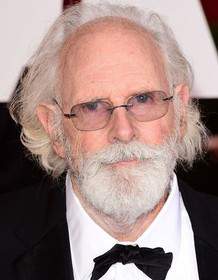
Scout Ed Higgins (Bruce Dern)
Played by Bruce Dern
An Army officer involved in the court-martial, embodying the duty-bound authority Robinson challenges. His stance mirrors the military culture’s resistance to change and the pressures of upholding order in a prejudiced system.
- ⚖️ Authority
- 🗣️ Duty
- 🎖️ Military
-
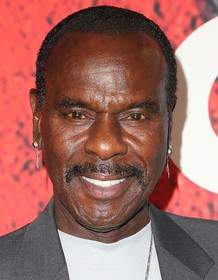
Satchel Paige (Steven Williams)
Played by Steven Williams
A legendary Black pitcher who appears within Robinson’s world as a symbol of Black athletic excellence. His presence reinforces the parallel struggle for respect and opportunity in sports and society.
- ⚾️ Baseball
- 🧭 Mentor
- 💪 Resilience
-
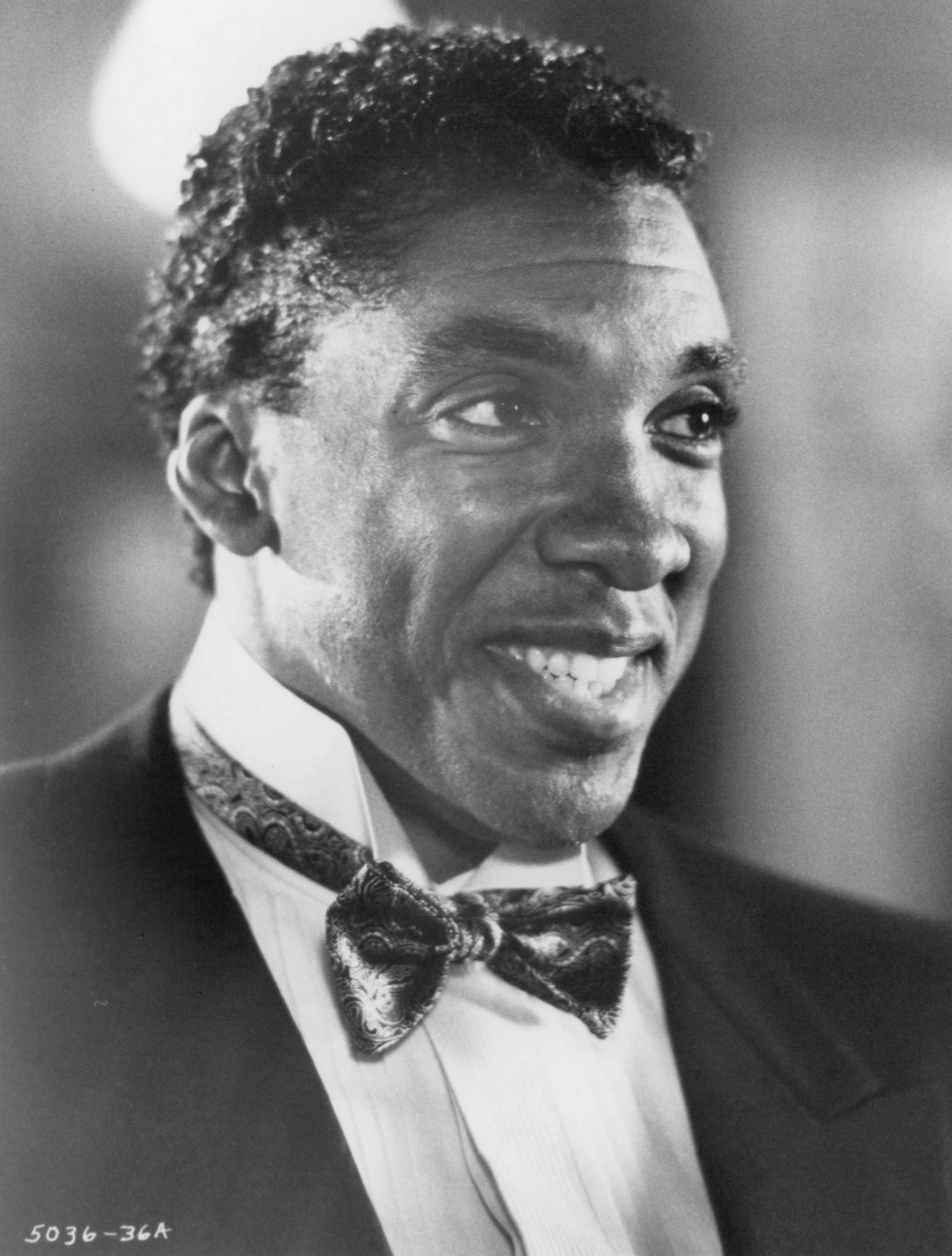
Joe Louis (Stan Shaw)
Played by Stan Shaw
A celebrated boxing champion representing Black achievement and resilience amid racial barriers. His example underscores the broader fight for dignity outside the baseball realm.
- 🥊 Champion
- 🕊️ Resilience
- 💪 Pride
- WS
Wendell Smith (Ja Preston)
Played by J.A. Preston
A journalist and civil rights voice who helps bring Robinson’s case to public attention, framing the trial within the larger struggle for racial equality. His involvement links military justice to the national civil rights discourse.
- 📰 Journalist
- 🗣️ Advocate
- 🧭 Civil Rights
Where and When Is The Court-Martial of Jackie Robinson Set?
The Court-Martial of Jackie Robinson is set in United States Army base (World War II), court-martial room, Kansas City… (1944, World War II era). Here is why the time and place matter to the story.
When
1944, World War II era
The central events unfold in 1944 as Robinson serves as a second lieutenant and confronts discrimination within the Army. The narrative also recalls Robinson’s pre-war years in the early 1940s with the Negro Leagues and his post-war trajectory toward Major League Baseball, culminating in 1947 with the integration of the sport.
Where
United States Army base (World War II), court-martial room, Kansas City Monarchs (Negro Leagues), Montreal Royals (Baseball farm team for Brooklyn Dodgers)
The story moves between a U.S. Army setting during World War II, including the segregated bus and the court-martial, and the baseball world of the Negro Leagues and later the Montreal Royals. It traces Robinson’s life from military service to his professional baseball ascent, showing how each setting exposes racism and resilience. These places anchor the clash between discipline, segregation, and the push toward integration in sports and society.
- ❄️ Historical
- 🎖️ Military life
- ⚾️ Baseball
What Are the Themes of The Court-Martial of Jackie Robinson?
3 ideas the story keeps returning to, among them Justice, Courage and Sports as Catalyst.
-
01
Justice
The film centers on a court-martial that exposes the hypocrisy of fighting racism abroad while tolerating it at home. Robinson’s defense highlights moral and legal questions about equality, duty, and fairness within the military. Although he is acquitted, the reprimand underscores the persistent barriers to true justice.
-
02
Courage
Robinson faces hostile authority with composure and conviction, turning a high-pressure trial into a platform for moral persuasion. His eloquent testimony demonstrates leadership under pressure and a refusal to accept discriminatory norms. The narrative presents courage as a catalyst for social change.
-
03
Sports as Catalyst
The story situates athletic prowess as a route to broader civil rights progress, showing how Robinson’s battles in the Army intersect with his baseball career. The film suggests that breaking barriers in sports helped accelerate integration in society. Robinson’s eventual move to the Montreal Royals and beyond is portrayed as a pivotal step toward a more inclusive America.
What Kind of Film Is The Court-Martial of Jackie Robinson?
Tense in tone, with steady pacing and a straightforward story, going by the plot summary.
- Tone
- Tense
- Pacing
- Steady
- Story
- Straightforward
- Intensity
- Medium
- Ending
- Happy
A tense and inspiring historical drama that follows Jackie Robinson's dignified battle against racial injustice in the military, creating a focused and emotionally heavy viewing experience.
- tense
- inspiring
- oppressive
- determined
- unjust
- courageous
- racial discrimination
- civil rights
- military injustice
- courtroom drama
Content notes: racial slurs, systemic racism, military discrimination.
Where to Watch The Court-Martial of Jackie Robinson
Stream it on KQED. US availability and prices from JustWatch.
Stream 1
 KQED
KQED Streaming availability in the US, powered by