
The Court-Martial of Billy Mitchell 1955

Directed by
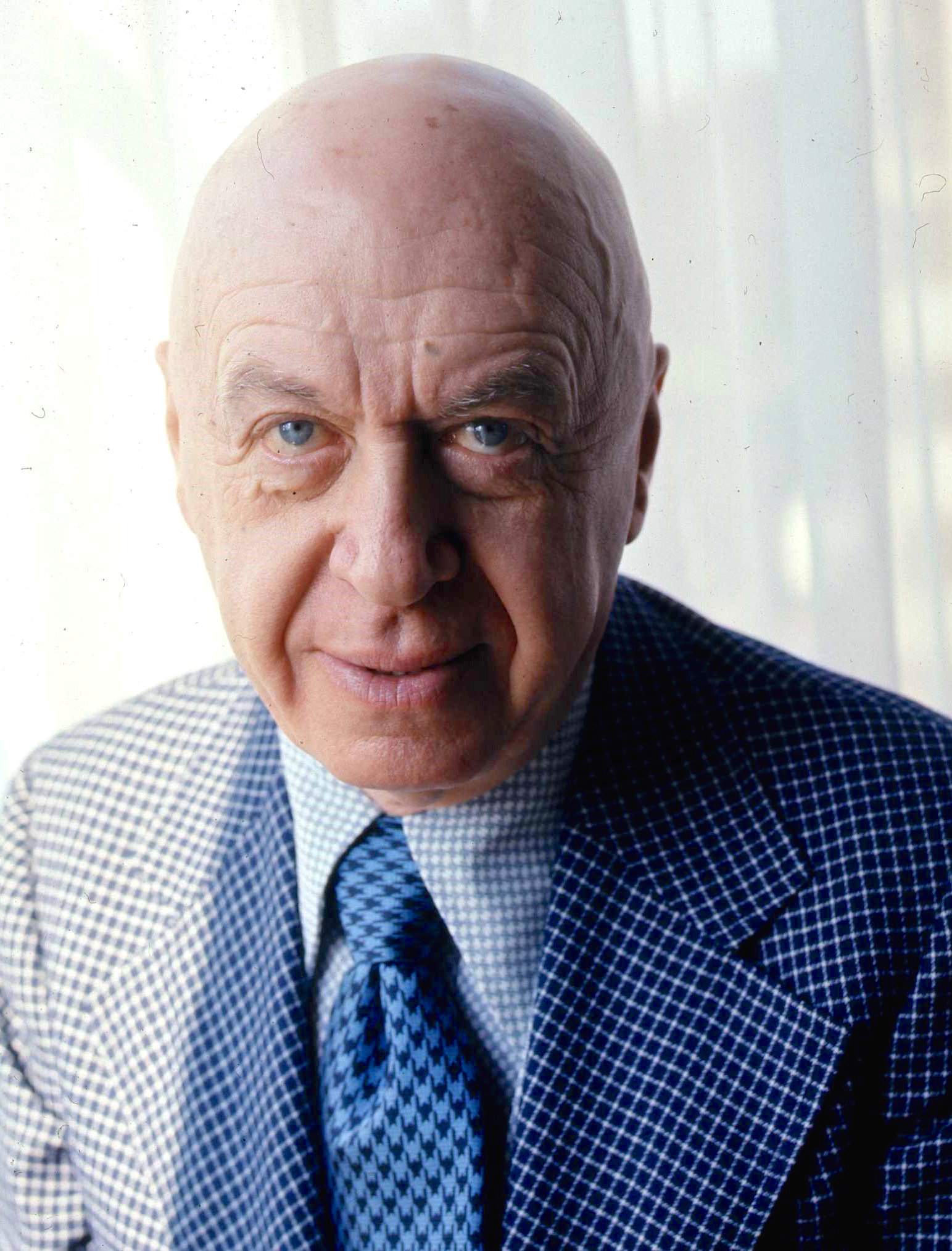
Otto Preminger
Made by

Warner Bros. Pictures
The Court-Martial of Billy Mitchell Plot Summary
Read the complete plot summary and ending explained for The Court-Martial of Billy Mitchell (1955). From turning points to emotional moments, uncover what really happened and why it matters.
Brigadier General William “Billy” Mitchell (Gary Cooper) fights to prove the Air Service’s worth as an independent force by sinking the battleship Ostfriesland under restrictive conditions agreed to by the Army and Navy. He defies orders to limit the attack to bombs under 1,000 pounds from above 5,000 ft, and instead loads 2,000-pound bombs, directing the aircraft to fly at about 1,500 ft, proving that the ex-German WWI battleship Ostfriesland can indeed be sunk. His superiors are outraged.
He is demoted to colonel and sent to a ground unit in Texas. A high-profile air disaster then follows: his close friend Zachary Lansdowne (Jack Lord) is killed in the crash of the dirigible Shenandoah. A second disaster strikes when six aircraft crash after a flight from a base on the California coast to Fort Huachuca, Arizona, due to poor maintenance caused by lack of funds.
Mitchell’s outrage drives him to hold a press conference in which he accuses the Army and Navy of criminal negligence and almost treasonable disregard of the air service. The incident leads to a court-martial in Washington, D.C. He is represented by Ralph Bellamy as Congressman Frank R. Reid, an advocate of air power in Congress. None of the officers hearing the case are from the Air Corps. Reid’s attempts to call witnesses on the merits are denied; he asks who filed the charges and, receiving no clear answer, demands the appearance as a witness of President Calvin Coolidge (Ian Wolfe) as commander of all armed forces. The court adjourns to consider the request.
Mitchell refuses to sign a paper that would withdraw his criticisms in return for saving his career. Margaret Lansdowne (Elizabeth Montgomery), widow of Lansdowne, then appears in court. Coolidge declines to appear, but witnesses on air power who were previously excluded are now allowed to testify to corroborate Mitchell’s criticisms, including Eddie Rickenbacker (Tom McKee), Carl Spaatz (Stephen Roberts), Henry H. Arnold (Robert Brubaker) and Fiorello LaGuardia (Phil Arnold).
Finally Mitchell testifies and is cross-examined by Maj. Allen W. Gullion (Rod Steiger), a prosecutor specially brought in for the job. He stresses that Mitchell had disobeyed his superior officers and ridicules his claims, such as the prediction that Japan would attack the U.S. Navy at Pearl Harbor.
The court finds Mitchell guilty, but his men in the air service salute him as he departs. Mitchell steps out and looks up to see a squadron of four biplanes, which fades into a squadron of fighter jets—a powerful, symbolic glimpse of what his actions herald for the future of the United States and its Air Force.
The Court-Martial of Billy Mitchell Timeline
Follow the complete movie timeline of The Court-Martial of Billy Mitchell (1955) with every major event in chronological order. Great for understanding complex plots and story progression.
Ostfriesland demonstration sinks battleship
Mitchell orders a daring demonstration that ignores restrictive rules and loads 2,000-pound bombs on aircraft to sink the ex-German battleship Ostfriesland. Flying at 1,500 feet, his planes strike in a coordinated attack and bring the battleship down, proving air power can destroy battleships. The audacious success triggers outrage from his superiors, who view it as defiance of orders.
Demotion and Texas assignment
After the Ostfriesland mission, Mitchell is demoted to colonel and reassigned to a ground unit in Texas. He remains steadfast in his belief that air power must stand as an independent force. The demotion deepens his resolve to push the issue, despite the setback.
Shenandoah disaster and Lansdowne's death
A high-profile tragedy strikes when Zachary Lansdowne dies in the crash of the dirigible Shenandoah. The loss devastates Mitchell personally and underscores the dangers of neglecting air service readiness. Mitchell's outrage grows as he sees the toll of organizational failures.
Second disaster and maintenance failures
Another disaster follows when six aircraft crash during a flight from a California coast base to Fort Huachuca, Arizona, due to poor maintenance funded by insufficient funding. The accidents reinforce Mitchell's argument that the air service needs independence and proper support. He blames bureaucratic neglect for the losses.
Press conference condemning neglect
Mitchell holds a press conference where he harshly accuses the Army and Navy of criminal negligence and treasonous disregard for the Air Service. The public confrontation amplifies the controversy surrounding his push for independence. It also hardens opposition to his views among traditional service leaders.
Court-martial in Washington, D.C.
A court-martial is convened in Washington, D.C., with General MacArthur among the panel members but none of the officers are from the Air Corps. The proceedings turn into a public confrontation over Mitchell's disobedience and his broader claims about air power. The atmosphere is charged, with witnesses and prosecutors framing the dispute as insubordination rather than strategic vision.
Defense presses for witnesses
Congressman Frank R. Reid defends Mitchell, calling witnesses and arguing the merits of his position, only to have the attempts limited by the court. He questions who charged Mitchell and pushes for testimony on the strategic value of air power. His efforts illustrate the political dimension of the battle over aviation's future.
Margaret Lansdowne testifies
Margaret Lansdowne, widow of Mitchell's dead friend from the Shenandoah, appears in court to honor her husband and challenge the government's handling of air power issues. Her presence personalizes the stakes of the trial. Her appearance adds emotional weight to Mitchell's case.
Coolidge declines; witnesses expanded
President Calvin Coolidge declines to appear as a witness. Shortly after, witnesses on air power who had been previously excluded are allowed to testify to support Mitchell's position. The courtroom atmosphere shifts as advocates of air power gain new credibility.
Air-power witnesses testify
Eddie Rickenbacker, Carl Spaatz, Henry H. Arnold, and Fiorello LaGuardia testify about air power’s potential and the needs of the Air Service. Their testimonies broaden the debate beyond Mitchell's personal case. The witnesses reinforce the broader national significance of the issue.
Mitchell testifies and is cross-examined
Mitchell takes the stand to testify and is cross-examined by Maj. Allen W. Gullion, who emphasizes Mitchell's disobedience. Gullion questions the feasibility and timing of Mitchell's predictions. The exchange intensifies the clash between loyalty to the chain of command and advocacy for air power.
Guilty verdict and mixed reaction
The court finds Mitchell guilty of the charges, marking a formal rebuke of his methods. Yet his airmen salute him as he leaves, signaling enduring support for him within the service. The verdict highlights the political and military tensions surrounding aviation independence.
Final tribute: jets envisioned
Mitchell exits the courtroom and looks up to see a squadron of four biplanes, then fades to a squadron of fighter jets. The sequence serves as a symbolic bridge between the present and a transformed future for air power. It foreshadows the lasting impact of his campaign on the U.S. Air Force.
The future of the Air Force foretold
The montage culminates with jets replacing biplanes, illustrating how Mitchell's actions will shape the future of American aviation and national defense. The film ends on the note that his efforts catalyzed real change in how air power is perceived and integrated into the military. It emphasizes the enduring legacy of his bold advocacy.
The Court-Martial of Billy Mitchell Characters
Explore all characters from The Court-Martial of Billy Mitchell (1955). Get detailed profiles with their roles, arcs, and key relationships explained.
Billy Mitchell (Gary Cooper)
Brigadier General William 'Billy' Mitchell is a visionary who fights for an independent air service. He defies orders by testing heavier aircraft and demonstrates that air power can decisively strike a battleship. His bold methods lead to demotion, but also plant the seed for future military reform.
Maj. Allan Gullion (Rod Steiger)
Prosecutor appointed for the court-martial, Gullion embodies the military’s discipline and skepticism toward Mitchell’s unorthodox methods. He presses Mitchell with sharp examination, highlighting the legal stakes and the consequences of disobedience. His performance frames the clash between rank-and-file obedience and strategic innovation.
Capt. Eddie Rickenbacker (Tom McKee)
A World War I ace turned aviation advocate, Rickenbacker testifies to the real-world value of air power. His testimony lends credibility to Mitchell’s claims and embodies the fighter-pilot perspective the era sought to honor. He represents the connection between pilots’ experience and military policy.
Carl Spaatz (Steve Roberts)
Future Air Force leader who testifies in support of reform, Spaatz blends strategic insight with pragmatic hopes for modernization. His remarks foreshadow the organizational changes that would eventually grant air power its own service. He helps bridge the courtroom arguments with a vision of a revitalized air arm.
Fiorello LaGuardia (Phil Arnold)
LaGuardia brings political weight to the proceedings, supporting enhanced air service from a civilian leadership angle. His involvement links public policy and military modernization, illustrating the civilian appetite for aviation reform. He helps validate Mitchell’s case beyond the military ranks.
Margaret Lansdowne (Elizabeth Montgomery)
Widow of a Shenandoah crew member, Margaret anchors the human cost of warfare’s advancement. Her presence adds emotional resonance to the court and reframes Mitchell’s fight as one with personal stakes. She embodies the sacrifice behind the push for air-power reform.
General Douglas MacArthur (Dayton Lummis)
A senior military figure on the scene, MacArthur represents established authority and the cautious path to reform. His stance reflects the tension within the hierarchy as the service debates its future. He serves as a veteran witness to the broader debate over air power’s place in the armed forces.
President Calvin Coolidge (Ian Wolfe)
The nation's leader who declines to appear in person but ultimately influences the trial through political timing. Coolidge’s decision to allow or deny certain witnesses shapes the course of the proceedings. He embodies the executive balance of power and reformist pressures.
Lt. Cmdr. Zachary 'Zack' Lansdowne (Jack Lord)
Friend of Mitchell who dies in the Shenandoah disaster, Zack’s tragedy fuels Mitchell’s fiery demands for accountability. His loss personalizes the cost of neglect and mismanagement in the aviation program. He remains a symbolic catalyst throughout the courtroom drama.
Capt. Bob Elliott (Peter Graves)
A flight officer whose experiences reflect the dangers of early military aviation and the fragility of ill-funded operations. Elliott’s presence adds realism to the narrative of aviation’s growing pains. He helps illustrate the practical side of Mitchell’s advocacy.
The Court-Martial of Billy Mitchell Settings
Learn where and when The Court-Martial of Billy Mitchell (1955) takes place. Explore the film’s settings, era, and how they shape the narrative.
Time period
1920s
Set in the interwar years after World War I, the film situates the battles over air power in a period of rapid technological change and budget constraints. The era features a growing belief in aviation as a strategic force, tempered by political caution under the Coolidge administration. The timeline tracks Mitchell’s bold demonstrations and the subsequent legal and public battles that shape military reform.
Location
Washington, D.C., Texas, California coast, Fort Huachuca, Arizona
The story moves between the corridors of power in Washington, D.C. and the rugged air bases of Texas and California, illustrating how policy and aviation ambition collide. Fort Huachuca in Arizona stands as a testing ground for the Air Service’s capabilities and future plans. These locations highlight the tension between military tradition, political oversight, and the push for a modern, independent air force.
The Court-Martial of Billy Mitchell Themes
Discover the main themes in The Court-Martial of Billy Mitchell (1955). Analyze the deeper meanings, emotional layers, and social commentary behind the film.
✈️
Air Power
The core drama centers on proving that aircraft can independently influence warfare. Mitchell’s feats demonstrate potential capabilities, challenging dated military hierarchies and funding limitations. The narrative traces the birth of air-centric strategy and its clash with traditional land- and sea-focused planning. This theme ties the personal ambition of a single general to a national debate about military future.
⚖️
Justice & Reform
The court-martial becomes a battleground for competing visions of duty and progress. Mitchell’s disobedience and the defense’s push for witnesses test the boundaries between lawful obedience and strategic innovation. The proceedings reveal how politics, law, and military culture intersect when reform threatens established power structures. The outcome underscores the uneasy path from dissent to system-wide change.
🏛️
Legacy
The film casts a long shadow over the future organization of the U.S. armed forces, suggesting that Mitchell’s actions catalyzed a shift toward an independent air arm. The juxtaposition of biplanes and the hint of later jet power signals a transformative arc in military history. His sacrifices are framed as a foundational moment for the modern Air Force, shaping policy for decades to come.

Coming soon on iOS and Android
The Plot Explained Mobile App
From blockbusters to hidden gems — dive into movie stories anytime, anywhere. Save your favorites, discover plots faster, and never miss a twist again.
Sign up to be the first to know when we launch. Your email stays private — always.
Explore the mobile appThe Court-Martial of Billy Mitchell Spoiler-Free Summary
Discover the spoiler-free summary of The Court-Martial of Billy Mitchell (1955). Get a concise overview without any spoilers.
In the interwar years, when the roar of engines began to eclipse the thunder of artillery, a restless spirit in the United States military dreams of a future that soars above the entrenched traditions of the Army and Navy. The film paints a vivid portrait of a nation at the crossroads of technology and doctrine, where the sleek silhouette of early aircraft hints at a revolution that could reshape the very definition of war. Against a backdrop of polished government halls and austere training fields, the story captures the clash between visionary ambition and the weight of established authority, all rendered in a tone that balances sober period detail with an undercurrent of restless optimism.
At the heart of the narrative is Billy Mitchell, a charismatic and fiercely principled aviator whose conviction that air power deserves its own voice sets him on a collision course with senior commanders. His relentless advocacy, public candor, and willingness to push boundaries make him both a celebrated hero to some and a disruptive thorn to others. The film follows his ascent and the mounting friction that arises when his ideas threaten the comfort of the status quo, pulling him into a high‑stakes confrontation that extends far beyond the cockpit.
The emerging drama shifts to Washington, where political maneuvering and military protocol intersect in a courtroom charged with tension. Frank R. Reid, a congressman sympathetic to the cause of flight, steps into the fray, while Margaret Lansdowne, whose personal ties deepen the stakes, offers a poignant human perspective. Even the presence of Calvin Coolidge, emblematic of the nation’s leadership, underscores the broader implications of the dispute. The atmosphere is one of measured gravitas, punctuated by moments of sharp wit and earnest debate, inviting the audience to wonder how far an individual can push a reluctant system before the scales finally tip toward change.
Movies with Similar Twists and Themes
Uncover films that echo the narrative beats, emotional arcs, or dramatic twists of the one you're exploring. These recommendations are handpicked based on story depth, thematic resonance, and spoiler-worthy moments — perfect for fans who crave more of the same intrigue.


Featured on this page

What's After the Movie?
Not sure whether to stay after the credits? Find out!
Check out our other apps:

SAT Sphere
Build confidence for the Digital SAT.

Mori Atlas
Discover wild places worth protecting.

Luntero
Search smarter for a home in Amsterdam.

Plot Explained
Unravel movie endings and hidden clues.

Pokechamp
Dive into Pokémon data and battle logic.

Driving Theory
Get ready for your European theory test.

Movie Dust
Plan your next cinema trip with ease.

Musemap
Find art and culture as you travel.

Selkobase
Compare credentials before committing.

Local Manual
Turn an unfamiliar country into practical next steps.

Lernavi
Compare school systems before your next move.

GymRoam
Find a workout stop wherever your plans take you.
Explore Our Movie Platform
New Movie Releases (2026)
Famous Movie Actors
Top Film Production Studios
Movie Plot Summaries & Endings
Major Movie Awards & Winners
Best Concert Films & Music Documentaries
Movie Collections and Curated Lists
© 2026 What's After the Movie. All rights reserved.
Privacy Policy