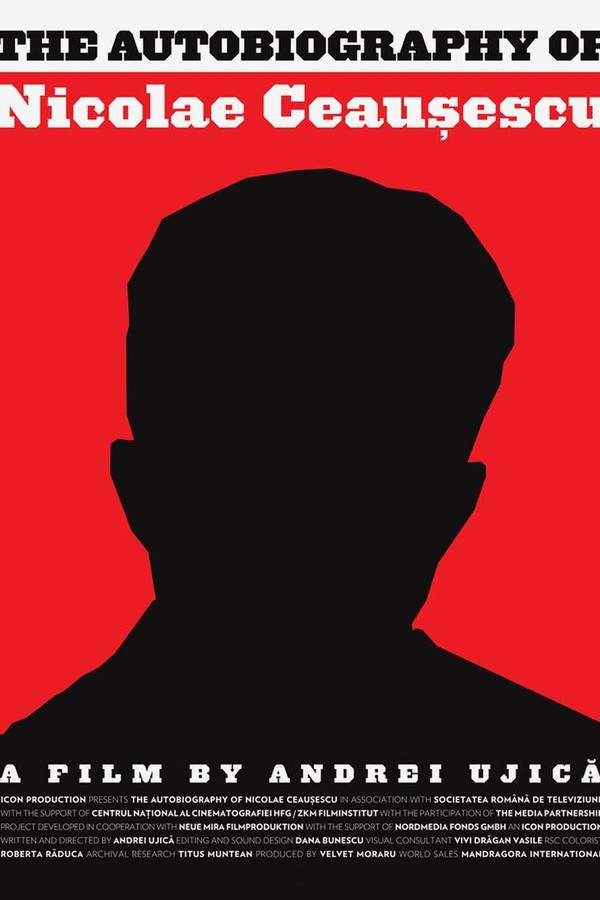
The Autobiography of Nicolae Ceausescu 2011

Directed by
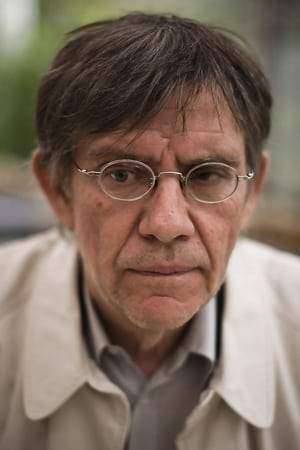
Andrei Ujica
Made by

The Film Desk
The Autobiography of Nicolae Ceausescu Plot Summary
Read the complete plot summary and ending explained for The Autobiography of Nicolae Ceausescu (2011). From turning points to emotional moments, uncover what really happened and why it matters.
Cinemas possess a remarkable ability to influence perception, a power encapsulated in Andrei Ujică’s monumental work, The Autobiography of Nicolae Ceausescu. This film stands as a contemporary fresco portraying the life of Romania’s fallen dictator, Nicolae Ceausescu, alongside his wife, Elena. A provocative and chilling endeavor, this project completes the filmmaker’s trilogy that began with the groundbreaking Videograms of a Revolution, co-created with noted German film essayist Harun Farocki.
Autobiography transcends conventional categorization, functioning most similarly to a Vertovian film-object. It assembles fragments of reality, meticulously editing together a repository of images that aim to reveal a deeper truth about Ceausescu’s reign. However, one must ponder: what is reality when its representations have been meticulously orchestrated into grand spectacles or quasi-musicals by an unhinged autocrat?
Ceausescu’s legendary megalomania and relentless self-aggrandizement are at the forefront of this historical narrative. Serving as Romania’s tyrannical president from 1965 to 1989, he cultivated an eccentric and infectious cult of personality surrounding himself. While his draconian austerity measures thrust the nation into widespread poverty and his prohibition of contraception led to rampant child abandonment and a surge of AIDS/HIV-infected orphans, Ceausescu was nevertheless celebrated on the global stage. His accolades included being knighted by the Queen of England, receiving visits from President Nixon during the Cold War, and garnering warm receptions from influential leaders like Charles de Gaulle, Mao Tse-tung, and notably the North Koreans, whose lavish ceremonies for him paralleled the grandiosity of the Beijing Olympics.
The film opens with the notorious television footage depicting the frail, cornered Ceausescu as he faces a mock trial just before he and his wife’s execution on Christmas Day. From this arresting beginning, the film delves into a breathtaking display of pomp and circumstance, chronicling the 25-year reign of a ruler whose grip on power was as spectacular as it was devastating. Notably, the film eschews voice-over commentary, instead relying on brilliant montage techniques and nuanced sound reconstruction to create a unique cinematic experience that resides in the creative space between Godard’s Histoire(s) du cinéma and Vertov’s Man with a Movie Camera.
Taking four years to complete and drawing from over a thousand hours of both public and private archival footage, this captivating exploration unfolds as though it is pieced together from the introspective and nostalgic memories of Ceausescu himself. It invites the viewer to reflect on the manifold layers of truth and distortion that characterized a turbulent era in Romania’s history.
The Autobiography of Nicolae Ceausescu Timeline
Follow the complete movie timeline of The Autobiography of Nicolae Ceausescu (2011) with every major event in chronological order. Great for understanding complex plots and story progression.
Nicolae Ceausescu's Rise to Power
In 1965, Nicolae Ceausescu becomes the General Secretary of the Romanian Communist Party, establishing his rule over Romania. His rise is marked by a combination of political savvy and a ruthless elimination of rivals, setting the stage for his lengthy reign.
Creation of a Cult of Personality
Ceausescu's regime works diligently to create a cult of personality around him, showcasing grand public spectacles and propaganda. This elaborate staging of his image deceptively portrays a successful and beloved leader, masking the underlying economic struggles faced by the populace.
Implementation of Draconian Policies
Throughout the 1970s and 1980s, Ceausescu implements severe austerity measures that lead to widespread poverty and hardship. These policies include the banning of contraception, exacerbating social issues like child abandonment and leading to a growing population of orphans.
Global Recognition amidst Oppression
Despite the dire conditions in Romania, Ceausescu receives significant international recognition. He is knighted by Queen Elizabeth II and welcomed by major world leaders such as President Nixon and Charles de Gaulle, highlighting the stark contrast between his global image and the reality faced by his citizens.
Ceausescu's Image on International Stages
Ceausescu's visits to countries like North Korea result in extravagant receptions that rival those seen during the Beijing Olympics. These events are orchestrated to solidify his image as a powerful leader, showcasing his regime's affinity for theatrical propaganda.
The Decline of Communism
By the late 1980s, the effectiveness of the communist regime in Romania begins to crumble as economic turmoil and public dissatisfaction grow. This unrest is reflective of a larger wave of anti-communist movements sweeping through Eastern Europe.
Ceausescu's Final Days
As the atmosphere in Romania becomes increasingly revolutionary, Ceausescu attempts to cling to power. His refusal to acknowledge the people's discontent ultimately seals his fate, leading to chaos and a rapid decline in his support.
Mock Trials Begin
Following his ousting, Ceausescu and his wife, Elena, face a mock trial that serves as a spectacle for the nation and a foreshadowing of their imminent fate. The trial showcases the disconnect between their previous grandeur and the brutal realities they must now confront.
Execution of the Ceausescus
On Christmas Day 1989, Nicolae and Elena Ceausescu are executed by firing squad, marking a violent end to their tumultuous reign. This shocking event serves as a pivotal moment in Romanian history, symbolizing the fall of a dictatorship.
Film Documentation Begins
In the aftermath of their regime's collapse, filmmakers begin to compile and create documentaries that detail the rise and fall of Ceausescu. This includes extensive use of archival footage that captures the stark realities of life in communist Romania.
Creation of 'The Autobiography of Nicolae Ceausescu'
Andrei Ujica embarks on the ambitious project of creating 'The Autobiography of Nicolae Ceausescu.' The film, cultivated over four years and one thousand hours of footage, aims to provide an intricate portrait of Ceausescu's life and regime through a montage of historically significant images.
Screening of the Film
The final film is screened, bringing attention to the manipulated realities of Ceausescu's rule. It provokes discussions about the nature of truth in cinema and the impact of propaganda on collective memory, challenging viewers to reflect on history's portrayal.
Contemporary Reflections
The film continues to resonate in contemporary discussions about totalitarianism and the effects of propaganda. It serves as a cautionary tale about the consequences of unchecked power and the resilience of human rights in the face of oppression.
The Autobiography of Nicolae Ceausescu Characters
Explore all characters from The Autobiography of Nicolae Ceausescu (2011). Get detailed profiles with their roles, arcs, and key relationships explained.
Nicolae Ceausescu
Nicolae Ceausescu was the Communist leader of Romania, known for his oppressive regime and cult of personality. His delusions of grandeur and refusal to acknowledge the suffering of his people led to significant political unrest and eventual downfall.
Elena Ceausescu
Elena Ceausescu, Nicolae's wife, played a significant role in his regime, often seen as complicit in the oppressive policies. She was a key figure in promoting the cult of personality surrounding her husband, exerting power in her own right.
The Autobiography of Nicolae Ceausescu Settings
Learn where and when The Autobiography of Nicolae Ceausescu (2011) takes place. Explore the film’s settings, era, and how they shape the narrative.
Time period
1965-1989
The film chronicles the tumultuous period of Nicolae Ceausescu's presidency from 1965 to 1989. This era was marked by a strict communist regime that led to societal repression, economic hardship, and widespread public discontent culminating in a revolution.
Location
Romania
Romania, a country in Eastern Europe, has a rich history intertwined with the burden of its communist past. Under Nicolae Ceausescu's rule, Romania experienced significant cultural and economic turmoil, manifesting in poverty and severe social issues.
The Autobiography of Nicolae Ceausescu Themes
Discover the main themes in The Autobiography of Nicolae Ceausescu (2011). Analyze the deeper meanings, emotional layers, and social commentary behind the film.
🗳️
Totalitarianism
The theme of totalitarianism runs deep throughout the film, showcasing the sheer power and influence that Ceausescu wielded. His regime's manipulation of media and public perception underlines the devastating effects of an oppressive government on the citizens' freedoms.
📽️
Media Manipulation
The film explores how footage and images can be curated to create a desired narrative, raising questions about the authenticity of historical accounts. Ceausescu's regime utilized media as a tool for propaganda, presenting a distorted vision of reality to both domestic and international audiences.
📉
Poverty
It also highlights the theme of poverty and its dire consequences, as the population suffered under Ceausescu's harsh economic policies. This stark contrast between the dictator’s lavish lifestyle and the plight of the Romanian people reveals the severe social inequalities of the time.

Coming soon on iOS and Android
The Plot Explained Mobile App
From blockbusters to hidden gems — dive into movie stories anytime, anywhere. Save your favorites, discover plots faster, and never miss a twist again.
Sign up to be the first to know when we launch. Your email stays private — always.
Explore the mobile appThe Autobiography of Nicolae Ceausescu Spoiler-Free Summary
Discover the spoiler-free summary of The Autobiography of Nicolae Ceausescu (2011). Get a concise overview without any spoilers.
In a striking blend of history and art, the film stitches together more than a thousand hours of public and private footage to create a living portrait of a nation ruled by a single, towering presence. Through the lenses of ceremony, speech, and staged pageantry, the documentary invites viewers into a world where grand spectacle hides the subtle currents of power. The opening frames set a tone of quiet unease, letting the images themselves speak louder than any external commentary.
The auteur, Andrei Ujică, forgoes traditional narration, instead allowing the rhythm of montage, sound reconstruction, and meticulous editing to shape the narrative. By treating the material as a “film‑object,” he crafts a cinematic essay that feels as if it were assembled from the private memories of its subject. The result is a contemplative, almost vertiginous experience that hovers between documentary rigor and experimental poetics, echoing the legacy of early cinema theorists while remaining wholly contemporary.
At the heart of the work stands Nicolae Ceaușescu, whose charismatic authority permeates every frame. Beside him, Elena appears as a constant, complementary force, together embodying a meticulously cultivated cult of personality. The visual palette—lavish parades, solemn ceremonies, crowded rallies—conveys a society that oscillates between adulation and the oppressive weight of orchestrated grandeur. Through this lens, the audience catches a sense of a country caught in the grip of a self‑crafted myth, where public display and private ambition intertwine.
The film’s tone is simultaneously awe‑inspiring and unsettling, its silence and soundscape magnifying the dissonance between outward splendor and the undercurrents of control. By immersing the viewer in a relentless flow of archival moments, it prompts a lingering curiosity about the blurred lines between reality and performance, leaving an indelible impression of a historical era that continues to resonate long after the screen goes dark.
Movies with Similar Twists and Themes
Uncover films that echo the narrative beats, emotional arcs, or dramatic twists of the one you're exploring. These recommendations are handpicked based on story depth, thematic resonance, and spoiler-worthy moments — perfect for fans who crave more of the same intrigue.

Featured on this page

What's After the Movie?
Not sure whether to stay after the credits? Find out!
Check out our other apps:

SAT Sphere
Build confidence for the Digital SAT.

Mori Atlas
Discover wild places worth protecting.

Luntero
Search smarter for a home in Amsterdam.

Plot Explained
Unravel movie endings and hidden clues.

Pokechamp
Dive into Pokémon data and battle logic.

Driving Theory
Get ready for your European theory test.

Movie Dust
Plan your next cinema trip with ease.

Musemap
Find art and culture as you travel.

Selkobase
Compare credentials before committing.

Local Manual
Turn an unfamiliar country into practical next steps.

Lernavi
Compare school systems before your next move.

GymRoam
Find a workout stop wherever your plans take you.
Explore Our Movie Platform
New Movie Releases (2026)
Famous Movie Actors
Top Film Production Studios
Movie Plot Summaries & Endings
Major Movie Awards & Winners
Best Concert Films & Music Documentaries
Movie Collections and Curated Lists
© 2026 What's After the Movie. All rights reserved.
Privacy Policy